How Updates Can Worsen Pay to Win Dynamics
13 December 2025
We all love game updates, right? New content, fresh gameplay elements, better graphics, bug fixes—it's always exciting when your favorite game gets some love from the developers. But what happens when those shiny new updates sneak in features that make the "rich get richer" in the virtual world? Yup, we’re talking about how updates can actually worsen Pay to Win (P2W) dynamics.
Game updates should ideally level the battlefield, make the experience fairer, and more enjoyable. But in some cases, they do the opposite. They tighten the grip of monetization, pushing casual players further to the fringes and giving premium spenders an even greater edge.
So grab your red potion, sit back, and let’s dive into how updates—while exciting—can sometimes tip the balance of power way too far into pay-to-win territory.
What Exactly is Pay to Win (P2W)?
Before we get into the nitty-gritty, let's make sure we're on the same page.Pay to Win refers to games where players can spend real money to gain competitive advantages, like stronger gear, faster progression, or exclusive characters. It’s like racing someone to the finish line while you're cruising in a sports car and they’re jogging—and their shoelaces are tied together.
In essence, P2W dynamics make spending money almost necessary to stay competitive, especially in PvP (player versus player) environments. Now, this doesn’t mean paying for cosmetics or optional stuff—those are usually harmless. We're talking about paying for power.
Updates: The Double-Edged Sword
Game updates are often presented as gifts. But sometimes, hidden beneath the glittery wrapping paper, lies a trap. Developers (intentionally or not) introduce new systems, features, or economies that worsen the P2W problem.Let’s unpack how this happens.
1. Introducing "Limited-Time Power Items"
Ever noticed how updates often come with new items that are only available for a short time? These are usually super strong—stronger than anything else previously in the game.And guess what? They're locked behind a paywall.
These limited-time offers create a sense of urgency (hello FOMO!) and pressure players to either pay up or fall behind. If you're a free-to-play player, you're probably stuck trying to grind for weeks to maybe get something decent—by which time the meta has already shifted.
Example: The Power Creep Trap
Some mobile RPGs are guilty of this. They release “ultra-legendary” characters through gacha mechanics that dominate the leaderboards. But these characters are only available for 7 days and usually have a 0.5% drop rate. Sound familiar?You either drop cash to hoard chances or get steamrolled in ranked matches. Either way, not fun unless you’ve got an unlimited wallet.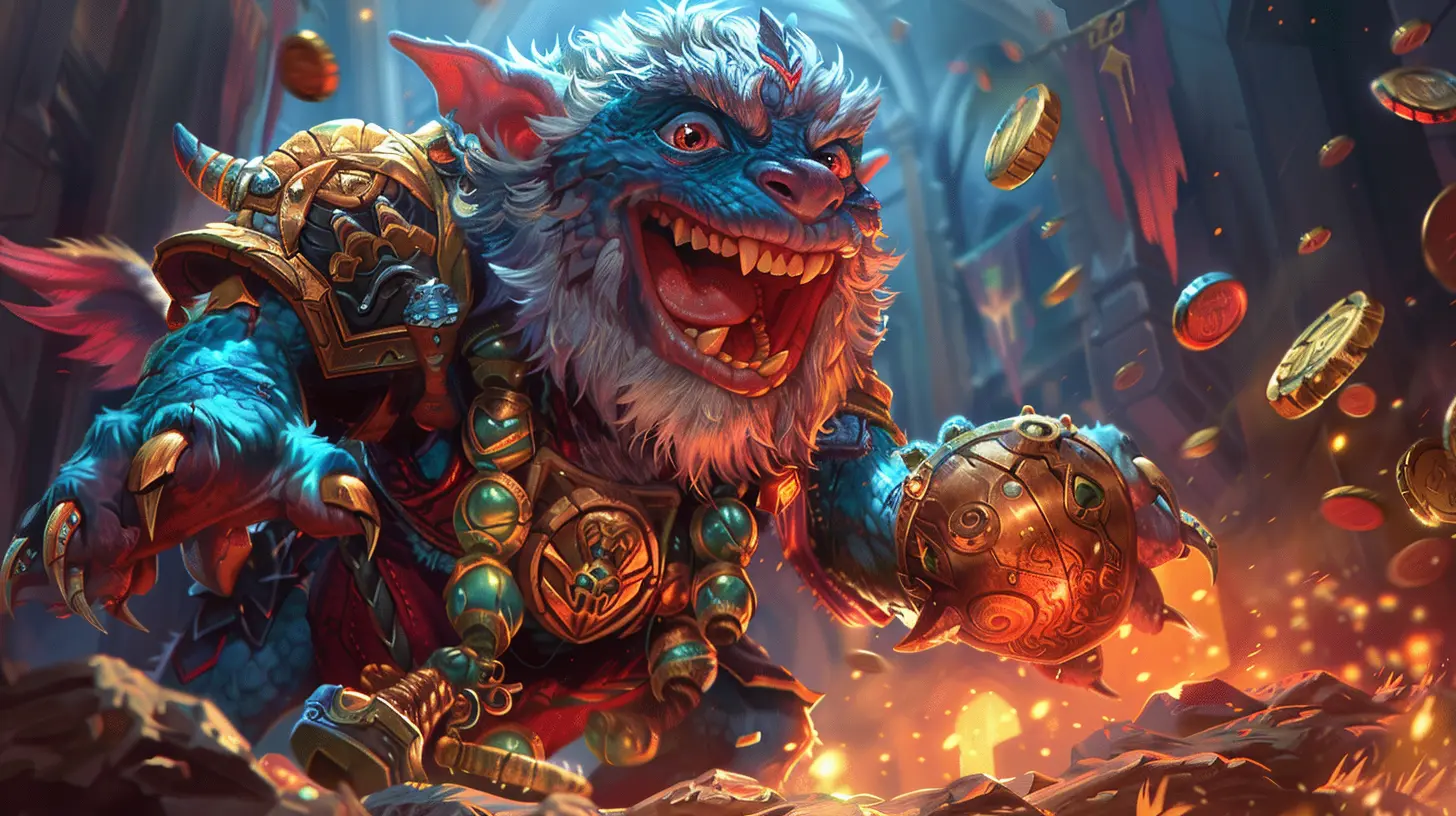
2. Restructuring the Economy
With an update, developers often tweak in-game currencies or add new ones. This might seem harmless or even helpful on the surface, but it usually spells disaster for game balance.What’s the Problem?
Well, suddenly the resources you’ve been saving are now obsolete—or worse, devalued. Meanwhile, the new shiny currency is available in abundance for those willing to pay.It’s a bit like collecting gold coins in a game for months, then suddenly the game switches to diamonds (only purchasable with real money) and makes gold nearly useless.
Talk about moving the goalpost after the game has started!
3. Power Creep with Every Update
Here’s a biggie. Every new update can bring stronger gear, better abilities, and overpowered units.Over time, this causes power creep—a phenomenon where newer content is consistently stronger than old content. In a balanced game, this can be fine. But in P2W games, the only way to access that new, stronger stuff quickly? You guessed it: $$$.
Why It Hurts
Suddenly, your hard-earned, fully-upgraded character is no match for someone who just paid for the newest addition. It’s like training for months to run a marathon only for someone to show up last minute on a Segway.4. Locking Quality-of-Life Improvements Behind Paywalls
Some updates add cool new features like auto-loot, faster matchmaking, or better storage options—but only for premium users.We’re not talking about game-breaking mechanics here, but small advantages add up over time. Free players start to feel the grind more and more, while paying players zip through the game like they’ve got a golden ticket.
Example?
A strategy game adds a new auto-battle feature that speeds up farming. But only VIP players can use it. Over weeks, that convenience snowballs into a significant resource and level difference. It's the ol' slow drip of disadvantage.5. VIP Systems Keep Growing
Some games have VIP or tiered spending systems. The more you spend, the better perks you get. The problem? These systems often get “expanded” in updates.Sure, you were VIP 10 last season, but now there’s VIP 15—and the benefits are insane.
These updates widen the gap between whales (big spenders) and dolphins (moderate spenders), and let’s not even talk about the minnows (F2P folks).
The Invisible Ladder
It’s no longer a game; it becomes a credit card competition. Progress isn’t about skill—it’s about who’s willing to climb the spending ladder fastest.6. Gacha Gets Greedier
Gacha games thrive on updates. New banners, new heroes, new weapons—all tempt players to roll the dice (and open their wallets).But updates often make the odds worse or introduce new mechanics that require even more rolls for less payoff.
Triple Trap:
1. New character = meta-breaking.2. Drop rates = abysmally low.
3. Guaranteed pity system? Moved up to more rolls.
So now you need to spend even more to get what you used to get for less. Oof.
7. Events That Favor Big Spenders
Many updates include time-limited events loaded with rewards. Sounds awesome, right?Except the best rewards require insane levels of participation—or spending.
Sure, you can grind 4 hours a day for 7 days straight… or just drop $49.99 and call it a day.
Burnout or Buyout?
These events are designed to exhaust free players and condition them into thinking “Hey, maybe spending a little wouldn’t hurt…” And that’s how the slope gets slippery.8. The Community Gets Divided
When updates favor spenders more and more, it creates a gap in the community.F2P players feel excluded, frustrated, and stop participating. Competitive modes become dominated by big spenders. And if F2Ps leave, even whales lose interest—what’s the point of being the best if no one’s around to see it?
The Fallout
Suddenly, the game isn't fun anymore—just a flashy leaderboard filled with people who paid their way to the top. It's no longer a test of skill or strategy. It's a financial flex.What Can Be Done?
Okay, enough gloom and doom. The good news? Developers can fix this. And as players, we can speak out and support games that prioritize fairness.Here’s what helps:
- Transparent patch notes outlining monetization changes clearly.- Capped advantages from paid items—no infinite scaling.
- Balanced matchmaking that prevents spenders from stomping on beginners.
- Fair events with rewards that can be earned through effort OR spending.
- Clear communication between devs and the community.
Game developers must realize that alienating a large part of their player base isn't sustainable. Fairness keeps players engaged longer than flashy, pay-to-win updates ever could.
Final Thoughts
Game updates should bring joy, not stress. They’re meant to improve the gaming experience, not slap a price tag on fun. Unfortunately, many modern games treat updates as opportunities to ramp up monetization, and that often comes at the expense of balance and fairness.Pay to win dynamics already frustrate many gamers. When updates tilt things even further in favor of spenders, it can ruin the entire gaming ecosystem.
It’s okay to reward players who support the game financially—but not at the cost of destroying what makes games fun in the first place: competition, effort, community, and skill.
So next time your favorite game gets an update, look closer. Are they fixing what's broken—or breaking what wasn't?
all images in this post were generated using AI tools
Category:
Pay To Win GamesAuthor:

Audrey McGhee
Discussion
rate this article
3 comments
Linnea McGinn
Great article! It’s important to consider how updates can impact game balance. Keeping player experiences fair is crucial for maintaining a thriving gaming community.
March 8, 2026 at 3:43 PM
Audrey McGhee
Thank you for your feedback! I completely agree—maintaining fair play is essential for a healthy gaming environment.
Nina McKinley
Great insights! It’s crucial for developers to balance updates with fair monetization. Focusing on gameplay improvements over paywalled benefits can enhance player engagement and reduce the pay-to-win perception. Keep up the thoughtful discussions!
December 20, 2025 at 6:15 PM
Audrey McGhee
Thank you! I completely agree—prioritizing gameplay enhancements over monetization can truly foster a better player experience.
Roxie McFarland
Great insights! It's crucial for developers to balance updates with fairness to ensure a positive experience for all players.
December 15, 2025 at 3:35 AM
Audrey McGhee
Thank you for your feedback! Striking that balance is indeed essential for maintaining fairness and a positive player experience.