Fan Theories That Suggest The Legend of Zelda Is a Heaven Metaphor
31 January 2026
Let’s face it—The Legend of Zelda is one of the most iconic game franchises out there. But what if I told you the green-tunic-wearing, Triforce-wielding elf-boy named Link is actually on a journey through some kind of... afterlife? Yep, buckle up, folks, because we’re diving headfirst into one of the most mind-bending, tinfoil-hat-wearing corners of the internet: fan theories suggesting that The Legend of Zelda is actually a metaphor for heaven.
Seriously. Heaven. Like, clouds and angels and eternal peace kind of heaven.
Now you may be thinking, “Wait, what? Zelda is about swords, monsters, and smashing pots. What does that have to do with the afterlife?” Oh-ho, my skeptical friend, you’re about to see just how deep this rabbit hole goes.
Let’s Talk Lore for a Hot Minute
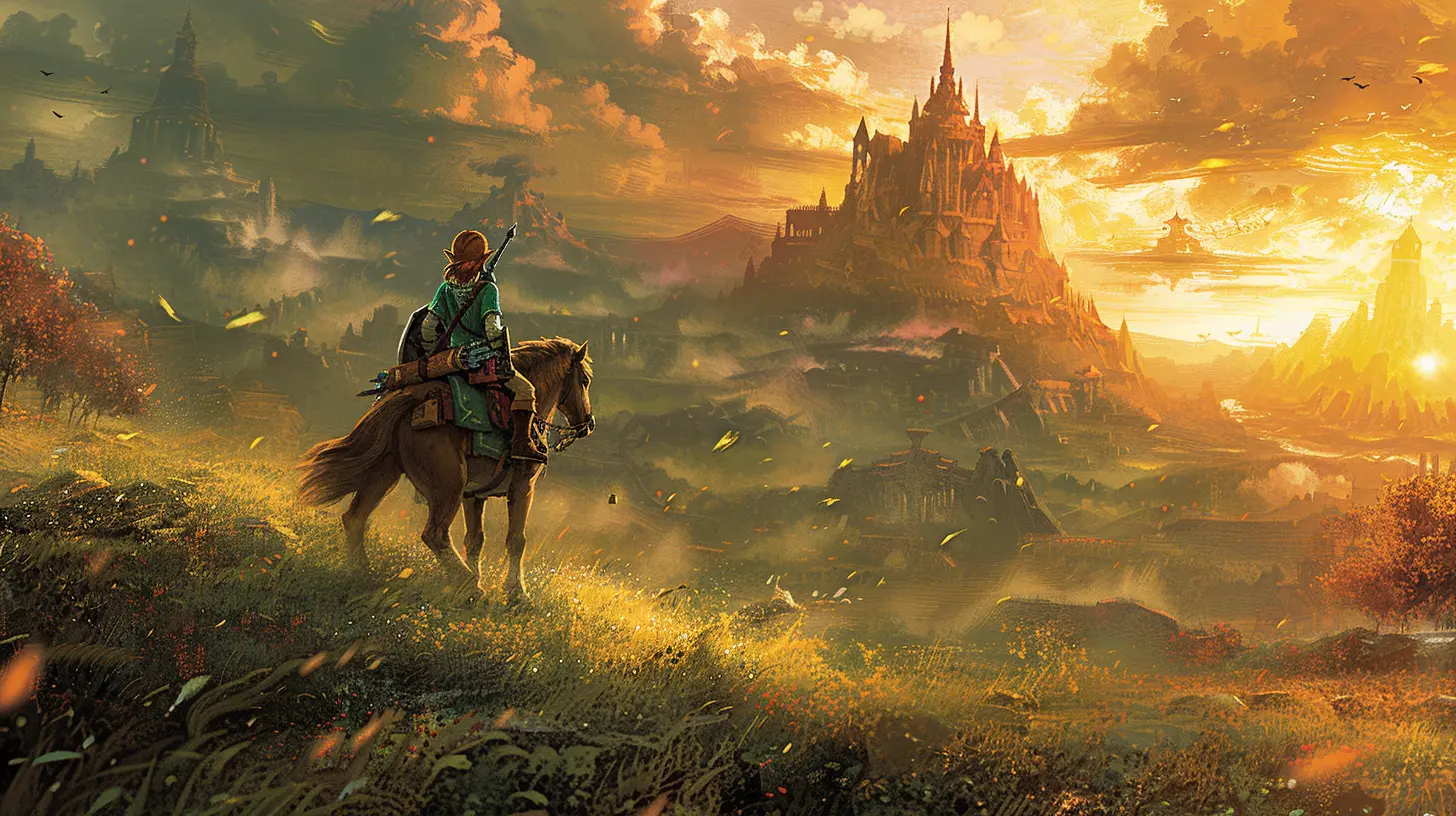
Okay, before we start connecting pixelated dots like conspiracy theorists staring at a murder board, let’s go over some basics of Zelda lore.In almost every game, Link wakes up (usually from a nap... or, suspiciously, a coma?), gets thrust into a world that’s falling apart, and his job is to save it. There’s always a princess (Zelda), always a villain (Ganon or some evil evildoer), and always a magical quest that involves collecting shiny stuff to bring balance back to the world. Sound familiar?
It should. That’s the same narrative structure as tons of spiritual allegories. Hero dies (or enters a new realm), goes on a journey, overcomes trials, and reaches enlightenment or peace. Kinda like Dante’s Divine Comedy. Or... like dying and going through purgatory to get to heaven?
Hmm. Coincidence? Many fans think not.
Let’s crack this celestial case open.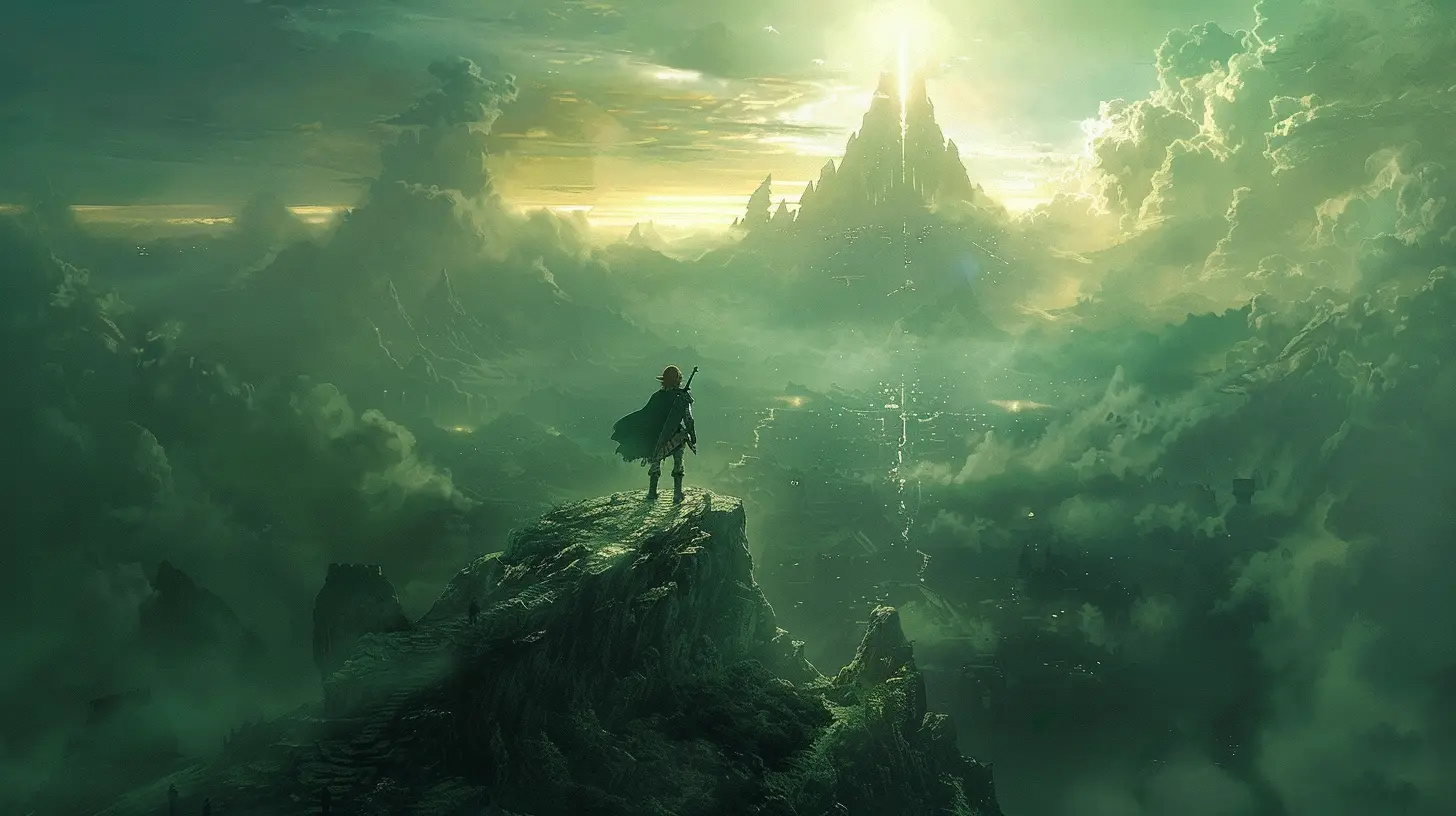
Theory #1: Link Is Actually Dead (Yeah, We’re Starting Strong)
Imagine booting up Ocarina of Time and thinking, “You know what? Link is totally dead, and this is all a post-life fever dream.” Sounds morbid, yes, but the theory makes some weird kind of sense.In Ocarina of Time, Link wakes up in the forest as a child, gets shoved into a massive quest by a talking tree (the Deku Tree, RIP), and eventually travels through time. But here's where it gets juicy: the adult Link timeline has this overwhelming sense of tragedy and loss. He’s called the Hero of Time, but he’s basically forgotten. The timeline where he fails ends in disaster. The one where he wins ends with him being sent back to his childhood, like none of it mattered.
Deep, right?
Some fans think this whole time-traveling, multi-timeline mess is only understandable if you think of it as a soul trapped between worlds. What if Link died and these different paths are just him working through different spiritual phases? Like, what if Termina (from Majora’s Mask) is literally purgatory?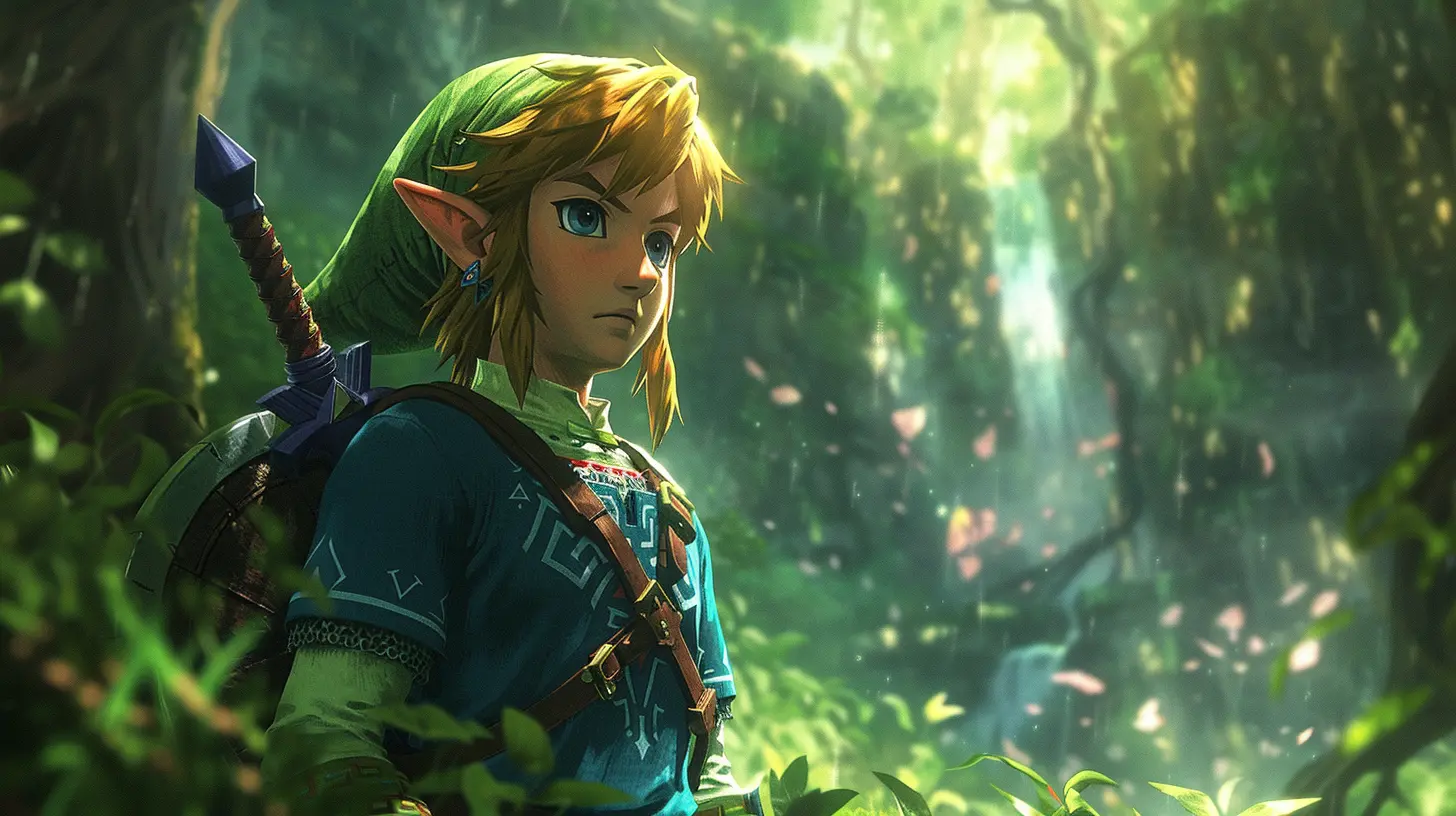
Theory #2: Termina Is Basically a Near-Death Experience
Speaking of Majora’s Mask, can we just agree that game is weird even for Zelda standards?You’ve got a moon with a terrifying face, talking masks, trapped souls, and time looping like a broken record. It’s like if Groundhog Day was shot on acid.
Anyway, the theory here is that Majora’s Mask is Link processing his own death. Each region of the game represents one of the five stages of grief: denial, anger, bargaining, depression, and acceptance.
- Clock Town (Denial) – Everyone’s kind of pretending the moon crashing isn’t happening.
- Woodfall (Anger) – A prince is furious and curses everyone.
- Snowhead (Bargaining) – Gorons try to bring their hero back to life.
- Great Bay (Depression) – Zora Link literally carries out the last wishes of a dying musician.
- Ikana Canyon (Acceptance) – Literal ghosts and the acceptance of death.
Boom. Therapist-level symbolism.
If Termina is grief personified, and Link is just passing through, it suggests one chilling idea: he’s working through his own death. Like, he’s in limbo. Trying to let go.
Welcome to the afterlife, buddy.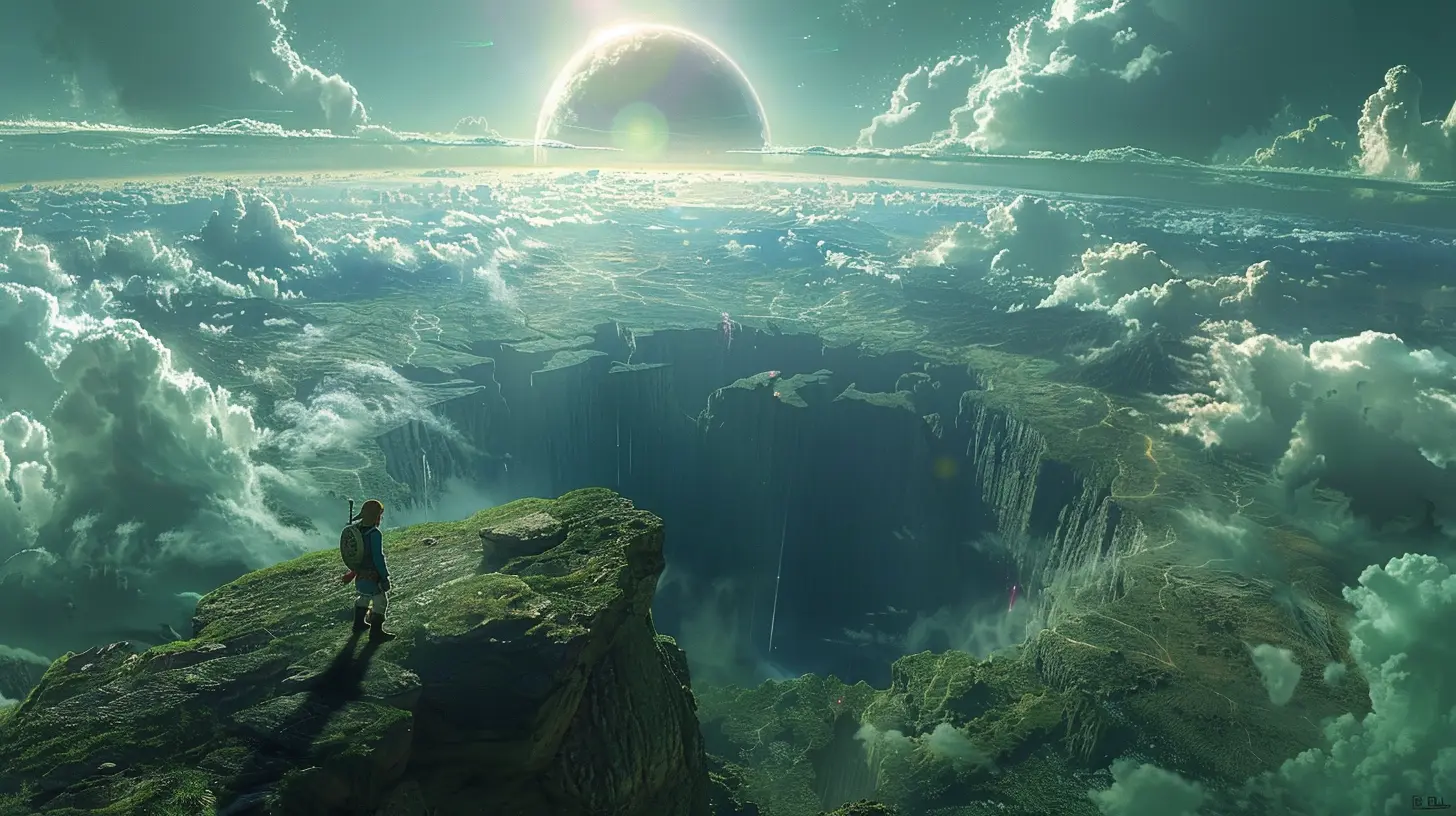
Theory #3: Skyloft Is Heaven—Just... Floating Above It All
Let’s fast forward to Skyward Sword. Say what you will about motion controls, but Skyloft is objectively gorgeous. It’s a giant floating island in the sky, home to peace, giant birds, and a sense of divine tranquility.So... heaven?
Come on, floating islands? Peaceful vibes? No taxes? If that’s not heaven, I don’t wanna go.
In Skyward Sword, the surface world is dangerous and chaotic, but Skyloft is calm and protected. The Goddess Hylia literally sends humans up there to escape evil. It’s almost like the divine realm saving chosen souls.
Some fans think Skyloft is literally heaven, and the Surface represents Earth, chaos, or even Hell. The whole game becomes a symbolic fall from paradise—Link has to return to Earth to defeat evil. He’s like some sword-wielding angel on divine assignment.
Could this be an allegory for a soul descending from heaven to fulfill a spiritual mission? Maybe Link isn’t just saving Zelda—maybe he’s saving souls.
Mind blown yet?
Theory #4: The Triforce = The Holy Trinity
This one? Prepare to have your sacred geometry circuits fried.The Triforce is made up of three golden triangles: Power, Wisdom, and Courage. Everyone and their Moblin grandmother wants it. It keeps balance in the world. But when it splits, chaos breaks loose.
Now here’s where it gets spicy—this trio is eerily similar to other spiritual trinities.
Think about it:
- Power (Din) – Creation, strength, force
- Wisdom (Nayru) – Knowledge, guidance, law
- Courage (Farore) – Heart, will, spirit
Sound familiar? Maybe like the Christian Holy Trinity—Father (Power), Son (Wisdom), Holy Spirit (Courage)? Or the Hindu Trimurti—Brahma, Vishnu, Shiva?
The Triforce is essentially the divine balance of the universe. And when it’s whole, the world is at peace. When it splits? All hell breaks loose.
It functions less like a magic triangle and more like a spiritual metaphor for balance in both life and the afterlife.
Theory #5: Link = Every Soul’s Journey
Here’s the big-picture theory: Link isn’t just some elf boy with a sword—he’s us. Or at least our souls.Every Zelda game is the start of a new journey. Every Link is a new incarnation. He never remembers his past lives, but he always grows, always fights evil, always finds the same Triforce pieces, and always sets things right.
Sounds a lot like reincarnation, huh?
Some theorists suggest that Link’s eternal journey represents the soul’s cycle of death and rebirth. Every game is a metaphorical afterlife—another test, another step toward spiritual enlightenment or peace.
He’s the hero, yes, but maybe he's also the soul itself—fighting off the corruption (Ganon), seeking divine purpose (Zelda), and striving to return to the sacred realm (Heaven).
The Master Sword? Think of it as your spiritual lightsaber. Only souls worthy of divine purpose can wield it.
A Word About Zelda Herself...
Now, let’s not forget the Princess.Zelda is often associated with wisdom, light, and divine knowledge. She’s not just a pretty face in a dress—she’s usually the reincarnation of the goddess Hylia herself.
So what if Zelda represents the divine? The guiding force? The "light at the end of the tunnel"?
Link’s journey to save her could be viewed as a soul’s journey toward union with the divine. Every trial, every dungeon, every boss—it’s all about getting closer to enlightenment. Think of Zelda as the ultimate final boss of spiritual achievement. Minus the whole boss battle part.
Heaven, Hyrule, or Both?
Okay, let’s take a breath. Could all of this just be a bunch of over-caffeinated fans reading too much into a video game?Absolutely.
But also... maybe not?
The beauty of The Legend of Zelda is how deeply it resonates. The music, the visuals, the themes—it all feels bigger than just “go here, kill that thing.” There’s something soothing and timeless about each game. They make you feel like you’re on a meaningful journey, even if all you did was whack a Bokoblin with a stick for twenty minutes.
Maybe the Zelda series is just a game.
Or maybe, just maybe, it’s secretly the most beautiful, cryptic metaphor for the afterlife that’s ever been programmed.
Final Thoughts: Are We Getting Too Deep?
Look, we're not saying Shigeru Miyamoto was sitting in a monastery thinking, “Yes, this video game shall be my spiritual magnum opus.”But we are saying that the Zelda series is full of imagery and themes that line up just a little too well with spiritual and metaphysical ideas. Whether it’s reincarnation, divine balance, or floating cities in the sky, there’s enough here to fuel late-night theory YouTube videos for centuries.
So next time you boot up your favorite Zelda title, think about what it all means. Is Link just a hero in green tights?
Or is he all of us—stumbling through temples of trauma, slashing through shadowy doubts, and hoping we’ll reach a place of peace at the end?
Either way—don't forget to cut the grass. You never know when you'll find a heart.
all images in this post were generated using AI tools
Category:
Fan TheoriesAuthor:

Audrey McGhee
Discussion
rate this article
3 comments
Sarah McElroy
This article presents intriguing fan theories connecting The Legend of Zelda to heaven. The interpretations of its lore make for an engaging exploration of spirituality in gaming.
April 4, 2026 at 5:11 PM
Audrey McGhee
Thank you! I'm glad you found the theories thought-provoking. Exploring the spiritual connections in gaming can reveal deeper meanings in beloved stories.
Nathan Alvarez
This article presents intriguing interpretations of "The Legend of Zelda" as a metaphor for heaven. The theories delve into themes of rebirth and transcendence, inviting fans to consider deeper spiritual meanings woven into the game's narrative.
February 5, 2026 at 6:07 AM
Audrey McGhee
Thank you for your insightful comment! I'm glad you found the interpretations thought-provoking and that they resonate with the themes of rebirth and transcendence in "The Legend of Zelda.
Casey Bass
Great article! I love how you explored the spiritual themes in *The Legend of Zelda*. It’s fascinating to see how the game's narrative can be interpreted as a metaphor for heaven!
February 4, 2026 at 6:13 PM
Audrey McGhee
Thank you so much! I’m glad you enjoyed the exploration of those themes in *The Legend of Zelda*!