How Commentators and Analysts Shape the Tournament Experience
13 January 2026
When it comes to esports or traditional sports tournaments, there's one group of people who often go unsung — commentators and analysts. Sure, the players make the magic happen, but these folks? They’re the narrators of the story, the hype crew, the walking encyclopedias of game knowledge. They turn gameplay into an experience.
Let’s be real — what’s a tournament without the roar of a commentator announcing a clutch play or an analyst breaking down the mind games behind a sick strategy? Probably a lot quieter... and a heck of a lot less fun.
So, let’s dive deep into how these pros behind the mic truly shape the tournament experience.
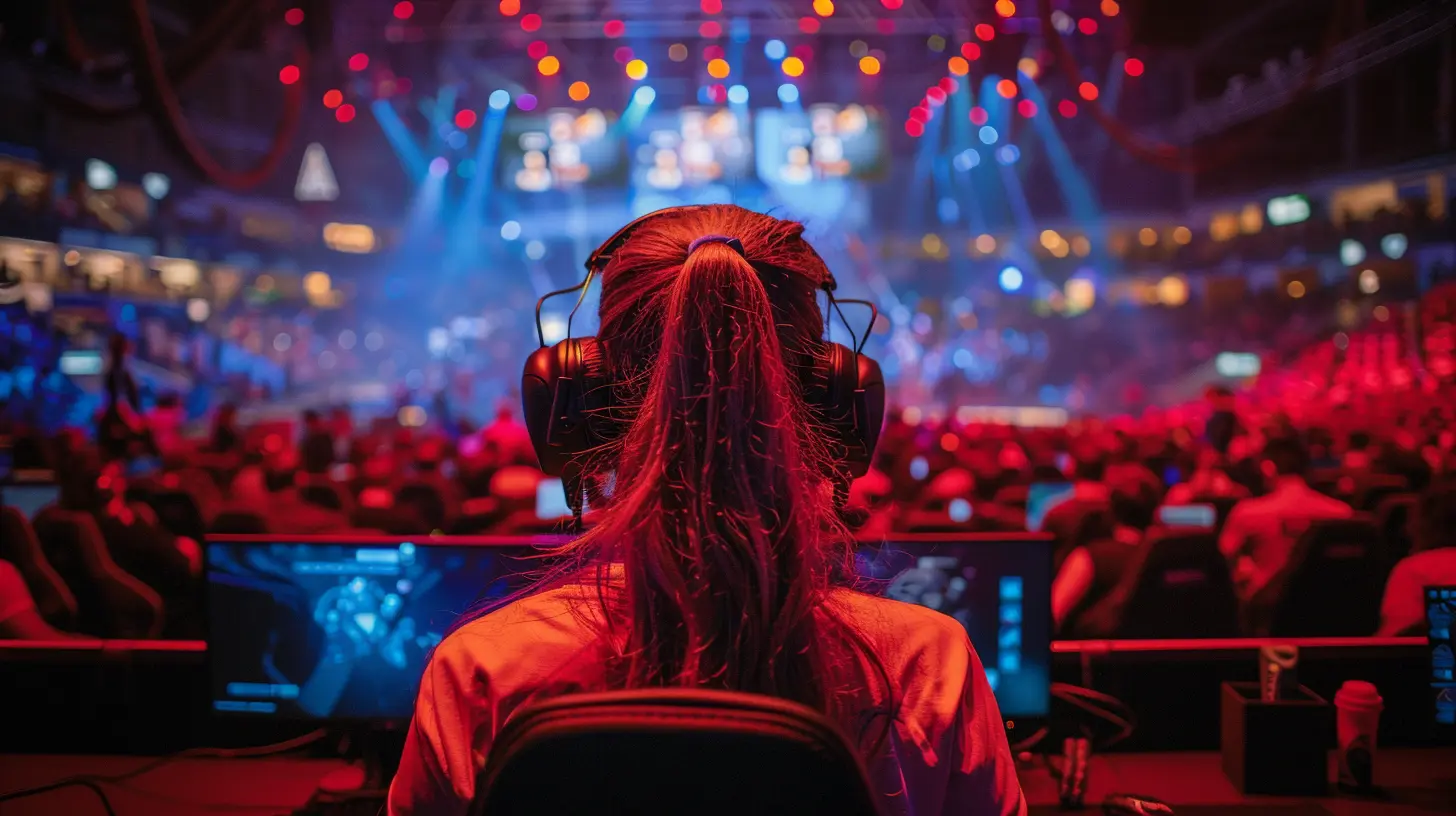
The Voice Behind the Action
Think about your favorite tournament moment. Chances are, you not only remember what happened, but you also remember how it sounded. A perfectly timed “HE’S DONE IT!” or a breathless “WHAT A PLAY!” turns a good moment into a goosebumps moment.Commentators Aren’t Just Talking Heads
They’re storytellers. Their job isn’t just to narrate what’s happening — it’s to make it unforgettable. They bring the excitement, the tension, the JOY or the heartbreak.Imagine watching a last-second goal or a 1v5 clutch in CS:GO without a commentator yelling their lungs out. It’s like watching fireworks on mute. Pretty, sure. But where’s the oomph?
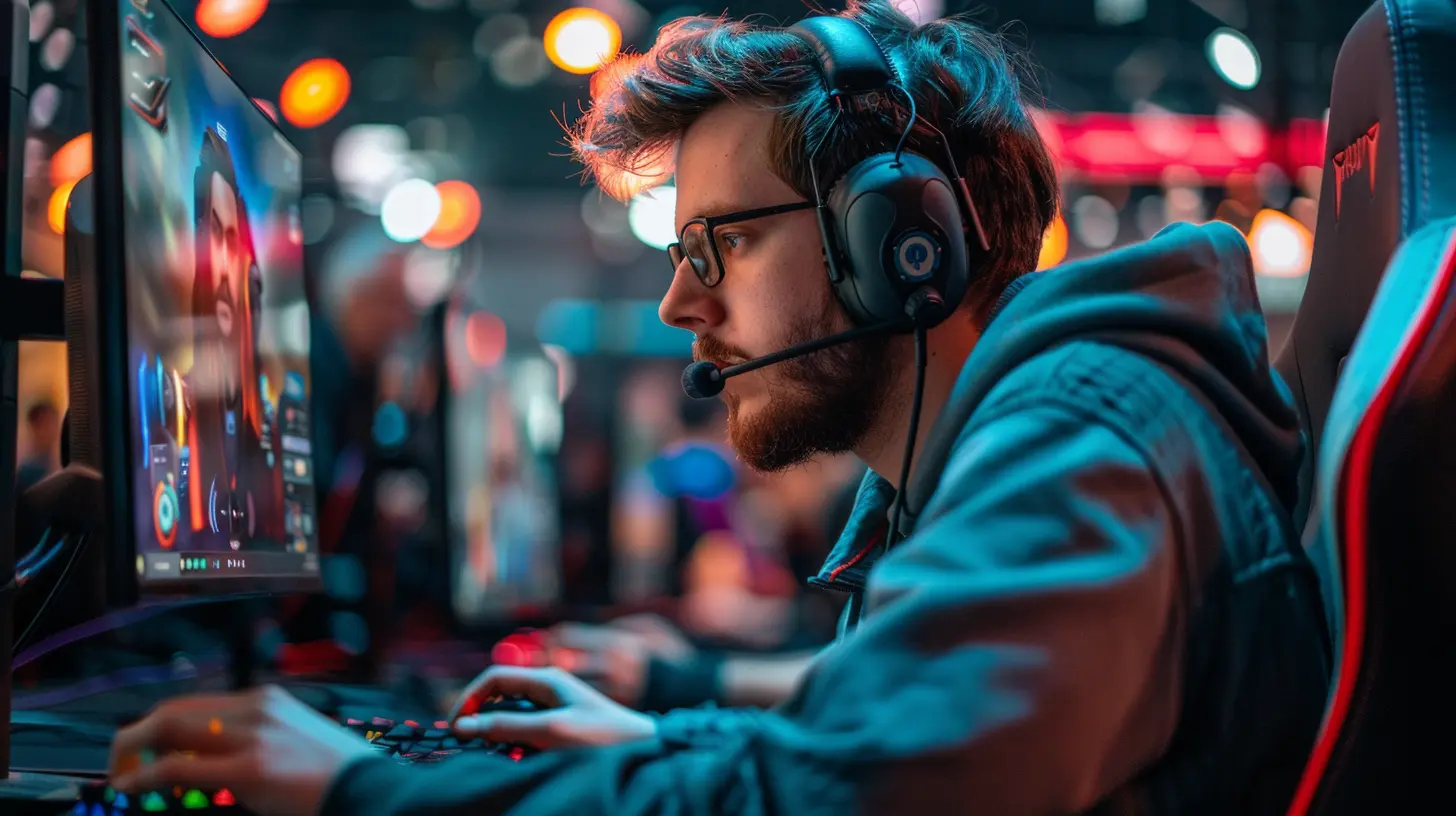
Color vs. Play-by-Play: The Dynamic Duo
In most tournaments (especially esports), commentators come in pairs: the play-by-play commentator (the hype machine) and the color commentator (the analyst’s baby cousin).Play-by-Play: The Heartbeat
This person’s your narrator. They keep up with the fast-paced action, calling out every hit, dodge, and ult as it happens. Their voice rises and falls with the tempo of the game. Think of them as the drummer of the band, keeping the rhythm alive.Color Commentary: The Brains
Then there’s the color commentator. The one who gives context to the madness. They break down strategies, explain decision-making, and offer insights the average viewer might miss.They’re the person sitting next to you on the couch saying, “You see that flash? That wasn’t just flashy — it forced the enemy out of position.”
Together, these two create a balance — energy and insight, hype and depth.
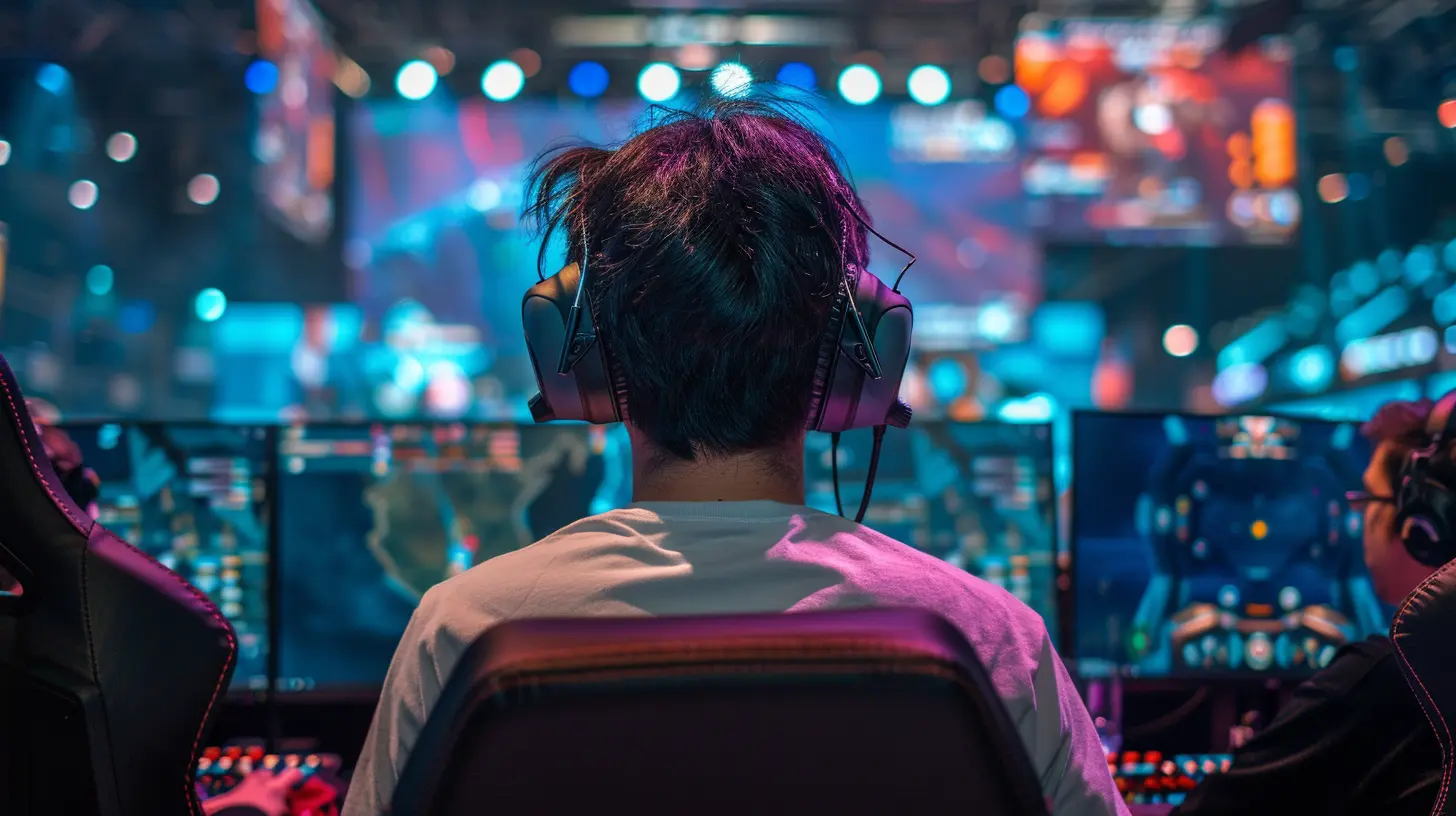
Analysts: The Big Picture Thinkers
Commentators handle the heat of the moment, but analysts? They're the ones zooming out, Sherlock Holmes-style, connecting dots you didn’t even know existed.Pre-Game Predictions & Post-Game Breakdowns
Before each match, analysts talk expectations. Who’s got the better draft? Which players are popping off in the tournament? What strategies might unfold?Then, after the match, they dissect everything. Wins and losses aren’t just about scores — they’re about rotations, positioning, and tiny decisions with huge consequences.
They’re not just telling you what happened. They’re showing you why it mattered.
Storylines Matter
Let’s not forget — tournaments aren’t just contests. They’re sagas. Rivalries are born, underdog stories are crafted, redemption arcs unfold. Analysts help weave all of that together.When a team knocks out the defending champs, it’s not just an upset — it’s a plot twist. And that narrative backbone? Analysts build it.
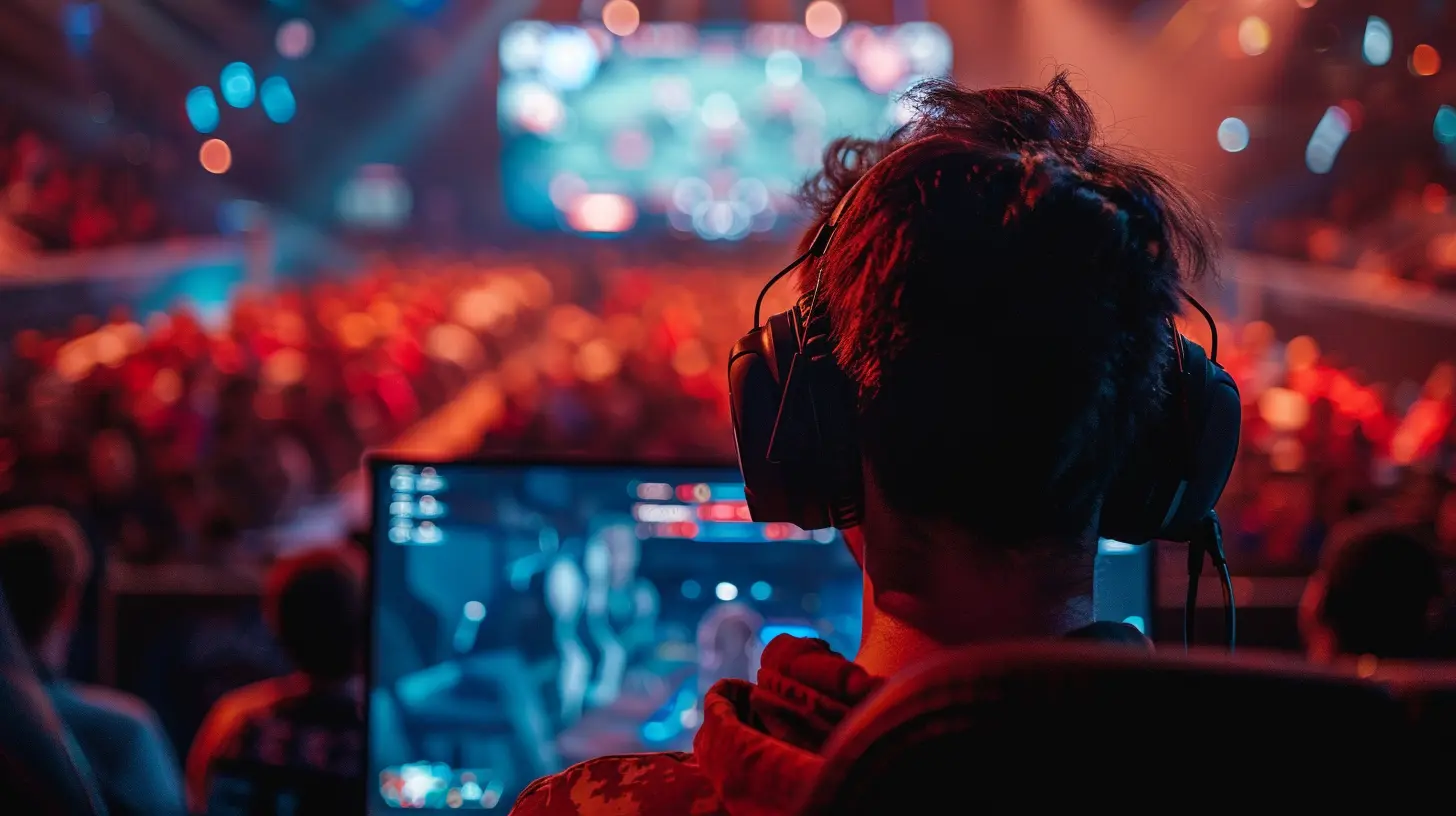
Shaping Viewer Experience: Not Just for Hardcore Fans
You might think commentary and analysis are just for the sweaty try-hards who watch every scrim. But nope. The best commentators and analysts make the tournament more accessible for casual viewers too.Explaining Without Overwhelming
One of the hardest jobs in commentary? Talking to two audiences at once — the die-hard fans and the first-timers.Great talent knows how to break down complex mechanics into digestible nuggets. They might explain a “macro decision” as “giving up an objective now to win later.” Simple, clear, and still respectful to those who know the lingo.
Building Emotional Investment
People tune in for gameplay, but they stay for the drama. Commentators and analysts make you care about the teams and the stakes.You might not know a player, but once a commentator shares that they’ve been grinding in Tier 2 for five years and this is their first major, suddenly, you’re rooting for them like they’re your little brother.
Creating Memorable Moments
Honestly, some of the most iconic tournament moments aren’t just remembered for the play — they’re remembered for the voices.Legendary Voice Lines
From “The Eagle has landed!” to “Absolute madness!” the right words at the right time turn a highlight into history. These lines stick with fans for years and even become part of gaming culture.It’s like a meme and a memory rolled into one.
Hype Is Contagious
Ever watched a play on mute? It’s not the same. The energy a commentator brings can make the play feel bigger than life.Their excitement transfers to you. Their shock becomes your shock. Their joy? It’s yours too.
Social Media and Community Impact
Commentators and analysts aren’t just heard during the match — they’re personalities outside of it too. Their presence on platforms like Twitter, Twitch, and YouTube helps build community.Bridging the Game and the Fans
They answer questions, share insights, and sometimes even meme alongside the community. That interaction helps fans feel closer to the scene.When a tournament’s off-season hits, it’s often these familiar voices that keep the hype alive.
The Evolution of Esports Commentary
Back in the early days of esports, commentary was... let’s say “rough around the edges.” But now? It’s a full-blown profession, with training, coaching, and even talent scouts.More Polished, Still Passionate
Today’s casters bring not just knowledge, but production polish. They wear suits, hit their cues, and sync with broadcast directors like clockwork.Still, the passion never fades. That’s the heartbeat of great commentary — a genuine love for the game.
Diversity and New Voices
We’re also seeing more diverse voices rise up — more women, more international talent, more bilingual casting. And that’s good for everyone.Different perspectives = richer commentary = better experience for all of us.
What Makes a Great Commentator or Analyst?
Not everyone with a mic can be a great tournament voice. It takes a mix of skills:- Game knowledge — You’ve gotta know your stuff.
- Communication — Can you explain complex ideas simply?
- Timing — Knowing when to talk and when to let the moment breathe.
- Charisma — Let’s face it, personality matters. People need to feel your energy.
- Chemistry — Especially when co-casting. A great duo blends like peanut butter and jelly.
Future of Commentary and Analytics
As games evolve, so do the voices that accompany them.AI and Automation? Nope, Not Yet.
Some fear that AI will replace human commentators. Sure, maybe someday for very basic recaps — but can a bot feel the hype? Can it capture the vibe of a historic upset?Nope.
Human emotion and storytelling? That’s irreplaceable.
Integration with Data
We’re already seeing analysts use live stats and heat maps to break things down in real-time. As tech progresses, expect even more visual tools to enhance analysis.Imagine getting a 3D replay with an analyst walking you through every sneaky move. That’s the next level.
Conclusion: The Voices That Make Tournaments Legendary
So yeah, the players are the stars, but commentators and analysts? They’re the soul of the tournament. They guide us through the highs, the heartbreaks, and the history―one word at a time.The next time you find yourself yelling at your screen or sitting at the edge of your seat during a grand final, take a second to appreciate the voices that got you there. Because without them, a tournament isn’t quite a show — it’s just a game.
all images in this post were generated using AI tools
Category:
Gaming TournamentsAuthor:

Audrey McGhee
Discussion
rate this article
3 comments
Xander McTigue
Great insights! Commentators truly enhance our understanding and enjoyment of the game. Thank you!
March 28, 2026 at 4:17 PM
Audrey McGhee
Thanks for your kind words! I'm glad you found the insights valuable. Commentators really do play a key role in enhancing the experience.
Aubrey McVeigh
Insightful commentary enhances tournament excitement!
January 15, 2026 at 6:08 PM
Audrey McGhee
Thank you! I'm glad you found the commentary enhances the excitement—it's essential for engaging fans and enriching the viewing experience.
Jinx Mitchell
Commentators and analysts are the heartbeat of the tournament! Their insights and energy elevate the experience, transforming passive viewers into passionate fans. Without their expertise, competitions would lose their pulse and thrill.
January 14, 2026 at 4:22 AM
Audrey McGhee
I completely agree! Commentators and analysts play a crucial role in enhancing the viewing experience, turning casual spectators into engaged fans by providing valuable insights and excitement. Their contribution is invaluable to the tournament's atmosphere.