How Pay to Win Alters In-Game Economies
13 July 2026
Ah, Pay to Win. The three dreaded words that make gamers roll their eyes harder than a raid boss crit. If you’ve ever logged into a game, got your freebie starter gear, and then got obliterated by someone rocking god-tier gear bought with mommy’s credit card—congrats, you’ve just had a front-row seat to how Pay to Win (P2W) works.
But hey, it’s not just about getting rekt in PvP. Pay to Win doesn't just sprinkle a little unfair magic onto gameplay—no, it completely rewires the in-game economy like a caffeinated accountant on a sugar rush. So buckle up, grab your favorite potion (or overpriced cosmetic skin), and let’s dive into how Pay to Win totally hijacks the economic ecosystem of your favorite games.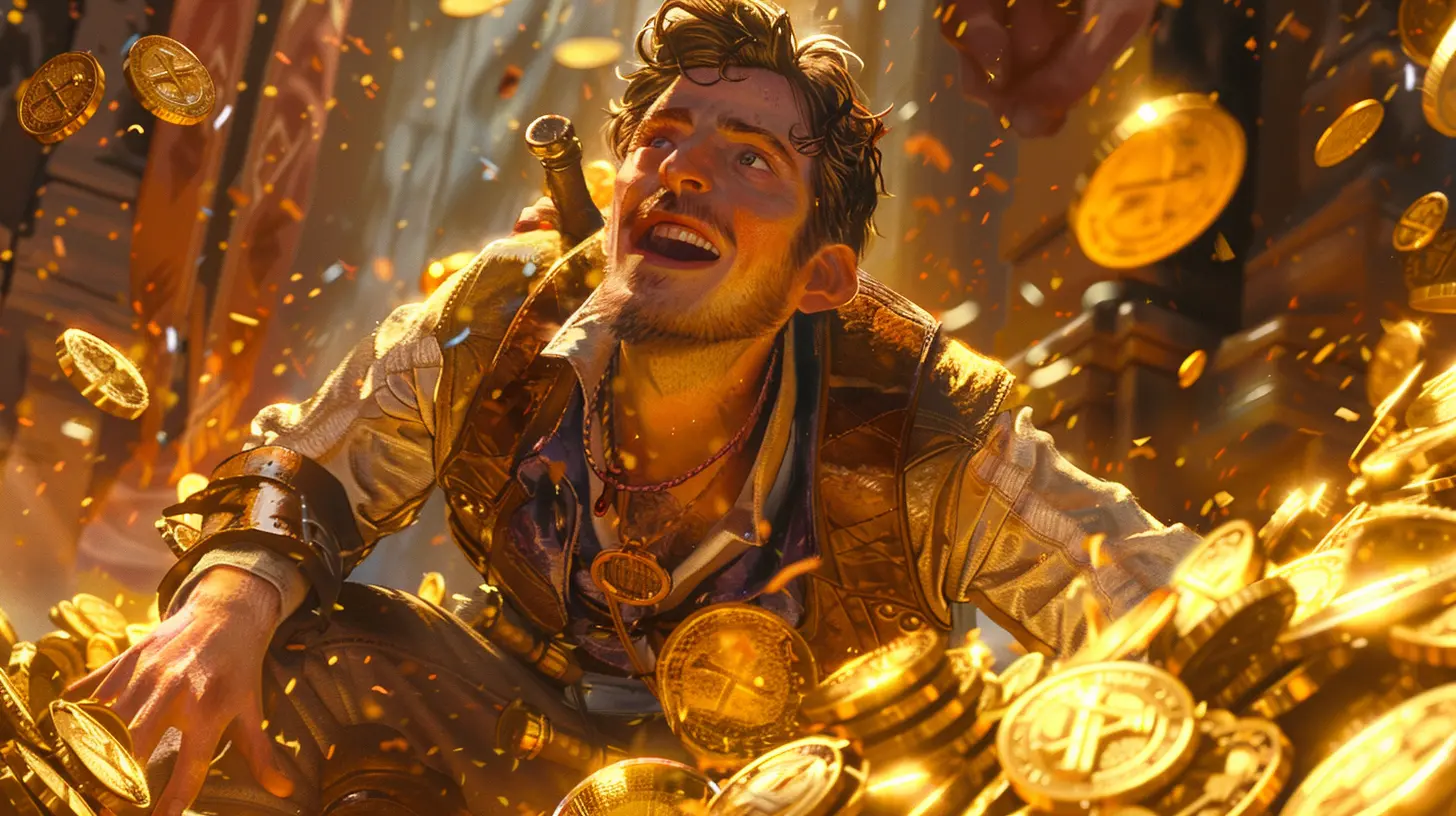
What Exactly Is Pay to Win? (Besides Annoying)
Let’s break it down: Pay to Win is when a game lets players open their wallets to gain real gameplay advantages. Not just pretty outfits or sparkly mounts, but actual, stat-boosting, power-creeping, enemy-pulverizing benefits.We're talking faster levelling, powerful gear, rare resources, extra attempts at content, or even skipping grindy content altogether. Essentially, while you're out there farming goblins for three hours, someone else is swiping their card and skipping right to the boss fight with a sword forged in the fires of VISA.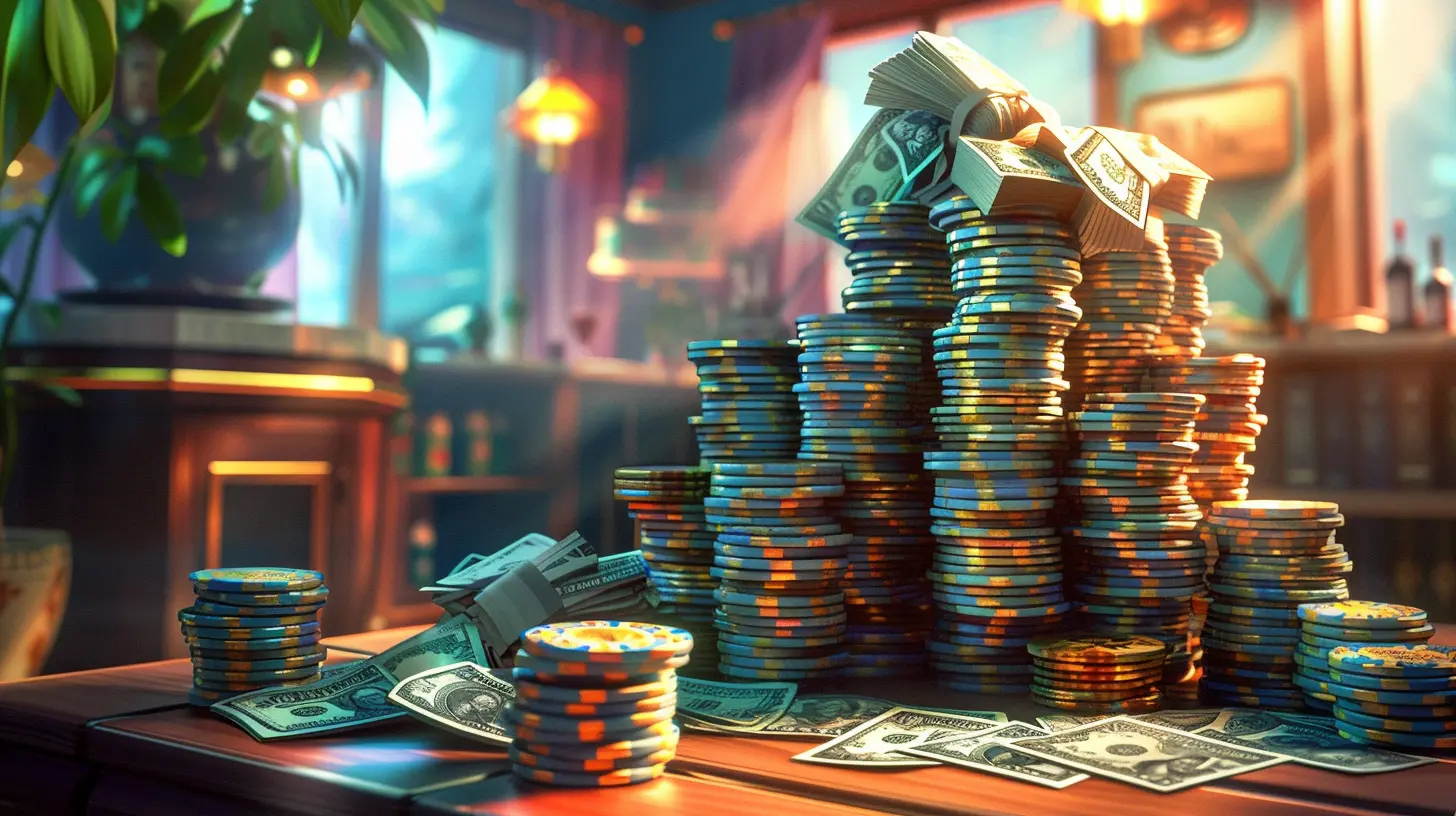
The Idea of an In-Game Economy (Yeah, It’s a Real Thing)
Believe it or not, the economy in a game isn’t just some background fluff—it’s the beating heart of the entire experience. Think of it like the real-world economy (minus inflation, hopefully): players gather resources, trade items, complete quests for currency, and try to improve their characters.In a healthy in-game economy:
- Items have value
- Time is a currency
- Trading feels rewarding
- Grinding is (somewhat) fulfilling
But once Pay to Win slinks in like that one sweaty guy at the LAN party—everything changes.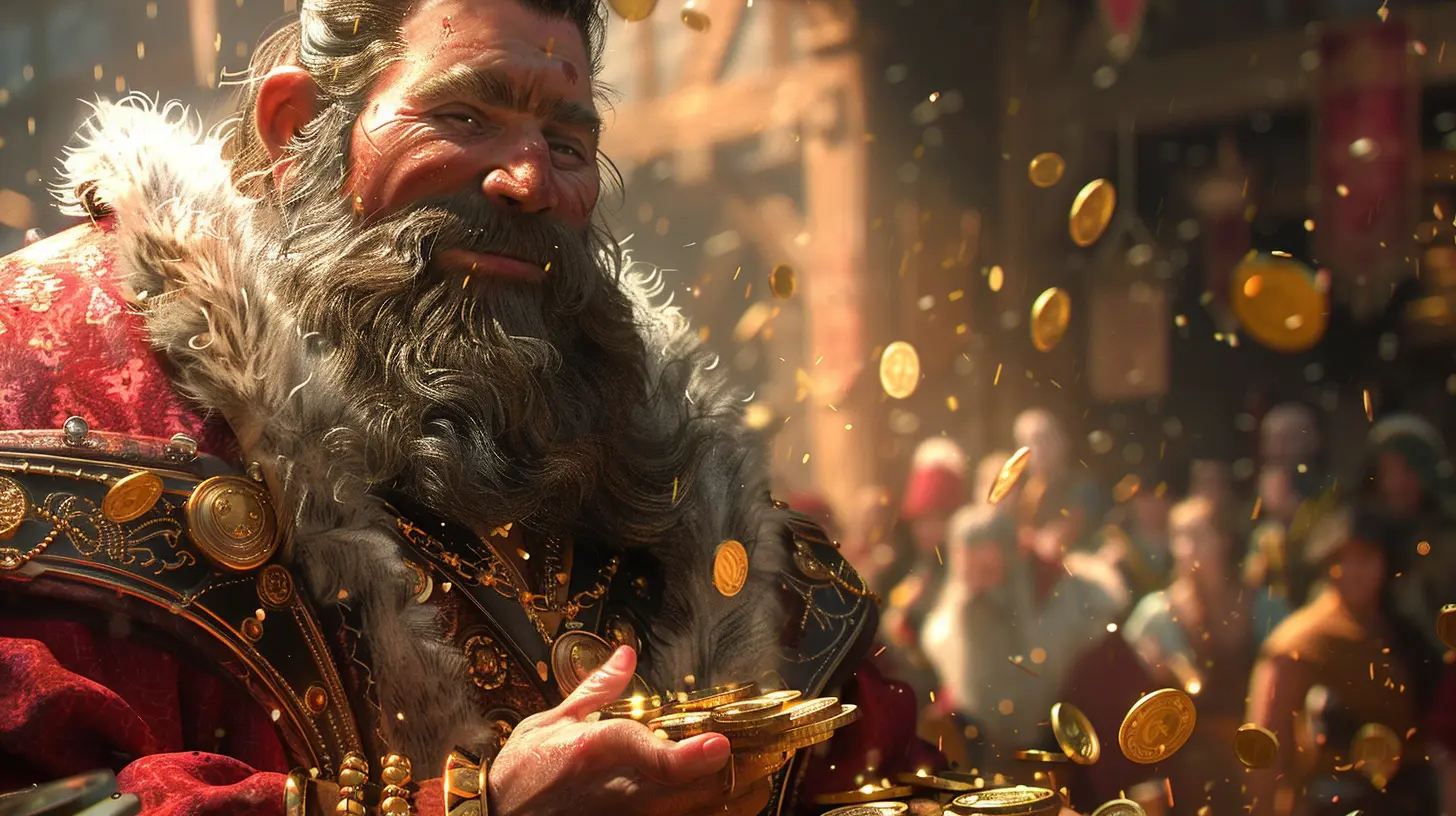
Breaking the Balance: Time vs Money
Let’s get to the meat and potatoes. In a world without P2W, time and skill are your two main currencies. You play, you get better, you earn your gear. But Pay to Win throws a big ol’ dollar-shaped wrench into that beautifully balanced machine.Now? Money becomes the ultimate currency. You don’t grind dailies—you buy premium XP boosts. You don’t farm that legendary drop—you just snag the loot box with a 0.001% chance (or 99% if you buy enough of ‘em).
Suddenly, the game isn’t about who played smart, it’s about who paid more. And that flips the entire in-game economy upside down.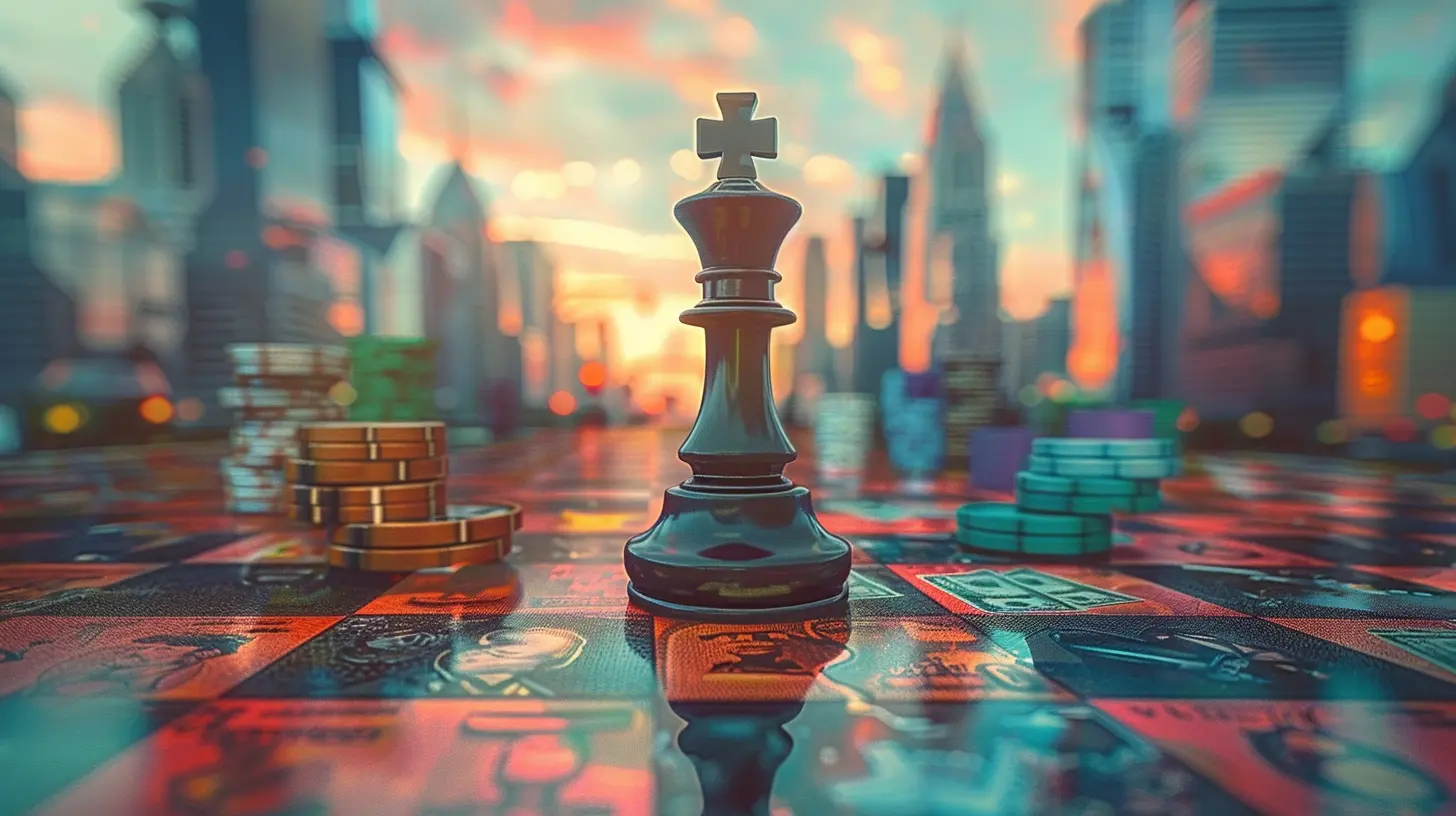
Inflation Nation: When Silver Becomes Monopoly Money
Let’s talk about good ol’ inflation. Remember when 1,000 gold meant you were rich? Then Pay to Win came in, and suddenly everyone’s walking around with literal truckloads of currency they bought or earned through pay-boosted systems.Now:
- Prices skyrocket
- Rare items become common (because someone bought 472 loot crates)
- Low-level players can't afford anything on the auction house
It’s like going to the store for milk and finding it costs three diamonds, two enchanted unicorns, and your soul.
In short: Paying players inject massive amounts of resources into the economy, which devalues hard-earned items and screws over anyone grinding the old-fashioned way.
Supply, Demand, and Daddy’s Credit Card
The basic principles of supply and demand still apply in virtual economies. But Pay to Win distorts them like a funhouse mirror.Imagine:
1. A rare crafting material drops once every 10 hours in a dungeon.
2. But now, paying players can buy packs that just give them 20 of that material.
3. Suddenly, the market is flooded, the price crashes, and your 10 hours of grinding are now worth… basically a single copper coin.
Being a crafter in a Pay to Win game is like being a blacksmith at a robot convention—nobody needs your skills anymore. Welcome to irrelevance.
The Rich Get Richer (Literally)
Here’s the kicker. In Pay to Win economies, not only do paying players get more powerful—they also get more money-making opportunities inside the game itself.With their premium access, they:
- Farm faster
- Kill bosses quicker
- Sell high-tier loot more often
- Dominate PvP events for top rewards
So while the average player makes 100 gold an hour, the P2W crowd is raking in 10,000 and flipping it on the auction house. It’s trickle-UP economics, baby!
Devaluation of Skill (What Even Is Talent?)
Used to be, skill meant everything. You’d watch in awe as some legend soloed a raid boss with perfect timing and mechanics.Now? That same guy gets wiped because a P2W warrior swung his enchanted platinum axe that cost $99.99 (plus tax) and had a 40% damage bonus.
Paying players aren’t just getting stronger gear—they’re bypassing the skill curve entirely. Mechanics? Strategizing? Positioning? Pfft. Who needs all that when you’re invincible?
Community Divide: Have vs Have-Nots
Here’s where things get extra toxic. Pay to Win doesn’t just mess with numbers—it fractures player bases. You end up with two distinct classes:- The whales (a.k.a. heavy spenders with god-tier everything)
- The leeches (a.k.a. F2P players clinging to hope)
And make no mistake: resentment brews fast. Free players feel useless, paying players mock “casuals”, and group content becomes a mess of gatekeeping and elitism. It’s less "community" and more "economic caste system."
Guilds split. Friends ghost each other. PvP chats turn into rage-fueled debates.
All because some game decided to monetize progression like it’s Black Friday every day.
The Illusion of Free-to-Play
Let’s not forget the grand charade of F2P. Developers pitch it as "free to play!"—technically true. You can download the game and run around a bit. But try to do anything meaningful without paying and you’ll feel like you're paddling a canoe upstream during a hurricane in your underwear.Progression is deliberately slowed. Drop rates get stingier than a banker during a recession. And every screen has a flashing “BUY NOW” button that’s shinier than actual loot.
It’s not "Free to Play". It’s "Pay to Progress, or Prepare to Suffer."
Can It Be Fixed? (Or Are We Doomed?)
Now, to be fair (ugh, I hate being fair), not all monetization is evil. Cosmetics? Fine. Battle passes with purely aesthetic rewards? Totally cool with it.But when real-world money starts buying power... that's where things spiral.
Some developers have gotten wise:
- Limited P2W mechanics to certain areas (like PvE only)
- Offered ways for F2P players to earn premium currency through grinding
- Balanced matchmaking to prevent pay-to-win stomps in PvP
But the temptation is strong. Money talks. And if players keep spending, devs will keep selling.
So Why Do People Keep Falling For It?
Here’s the messed-up truth: Pay to Win works because it taps into people’s deep, primal desire to win—without effort.It’s like a cheat code that’s socially acceptable. It says, “Hey, why bother when you can just buy the victory screen?”
And hey, life is hard. People are busy. They don’t have 100 hours to grind. So they throw 20 bucks at a sword that skips the grind. Can we blame them? Kind of. But also… not really?
Game devs know this. Publishers love it. And unless the community makes a stand, the cycle continues.
Conclusion: A Pocket Full of Cash and a Broken Economy
To sum it all up: Pay to Win isn’t just an annoying feature—it practically sets the in-game economy on fire, roasts some marshmallows over the smoldering ashes, then charges you $4.99 for the privilege of cleaning up the mess.It undermines player skill, devalues time investment, creates inflation, distorts item value, and fractures communities. Other than that? Totally fine. ?
But seriously, if you love your game? Think twice before supporting P2W systems. And if you’re a dev reading this? Maybe remember that player loyalty is worth more than a quick microtransaction buck.
Now if you’ll excuse me, I’ve got to go grind 427 hours for one legendary item—unless, of course… there’s a “convenient bundle” on sale this weekend.
all images in this post were generated using AI tools
Category:
Pay To Win GamesAuthor:

Audrey McGhee