The Science of Player Retention in Pay to Win Titles
8 July 2026
Let’s be honest—when someone says “Pay to Win” (P2W), most gamers roll their eyes. It's one of those phrases that instantly divides a gaming community. Yet, despite the controversy, P2W titles rake in billions of dollars and have an army of loyal players. So what’s the secret sauce? How do these games keep players hooked?
It’s more than just flashy skins and overpowered characters. There’s actual science behind it—psychology, game design, behavioral economics, all working behind the scenes like clockwork. In this article, we’re going to unpack how Pay to Win games retain their players, why it works so well, and why even the people who claim to “hate” these games keep coming back.
Ready to take the red pill? Let’s dive right in.
What Does "Pay to Win" Really Mean?
Before we break down the science, let’s clear the air. What exactly qualifies as a Pay to Win game?In a nutshell, it’s any game where spending real money gives you a competitive edge—be it better stats, exclusive gear, shorter wait times, or direct power-ups. Unlike "cosmetic-only" models, P2W introduces a gameplay imbalance that favors those who, well… open their wallets.
Common P2W Mechanics:
- Premium currencies- Time-gated progression bypasses
- Loot boxes with stat-boosting items
- VIP or monthly subscription systems
- Exclusive access to powerful characters or gear
Now that we've got that cleared up, let's break into the juicy stuff: how they keep players coming back for more.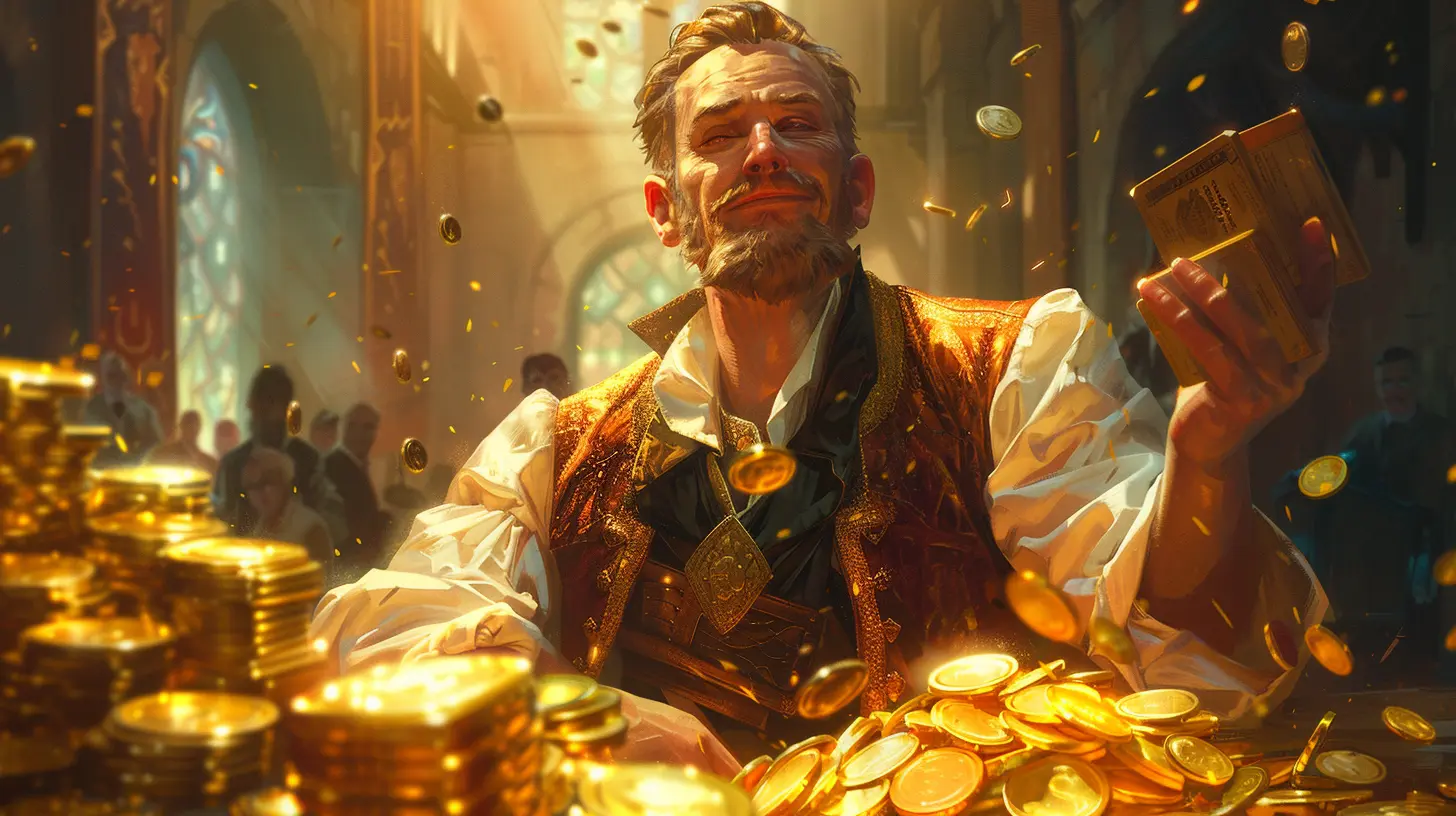
Psychological Triggers: The Hidden Puppet Strings
Game developers don’t just rely on good gameplay mechanics. They tap into deep-rooted human psychology to keep players engaged—especially in P2W environments.1. The Sunk Cost Fallacy
Ever kept watching a bad movie just because you already sat through 90 minutes of it? That’s the sunk cost fallacy. In gaming, players invest time, energy, and money. The more you invest, the harder it is to walk away. Even if the game gets dull, players feel like they "can't quit now."P2W games leverage this brilliantly. Bought that $50 power-up pack? Spent 40 hours grinding a battle pass? You’re in it deep now—and that sense of investment glues you to the screen.
2. Variable Rewards (a.k.a. Gacha Mechanics)
Think slot machines. You never know what you're gonna get, and that randomness is addictive. Gacha mechanics or loot boxes use this same principle. The thrill of maybe getting a rare item keeps players spinning again and again.It’s like opening Pokémon cards—except you’re doing it with your credit card.
3. FOMO (Fear Of Missing Out)
Limited-time events, exclusive characters, and countdown timers push players to act fast or miss out forever. That ticking clock isn’t just for show—it triggers a fear that if you don’t play (or pay) now, you’ll fall behind.Ever wonder why there’s suddenly a new event EVERY weekend? Now you know.
4. Competitive Pressure & Social Comparison
In multiplayer-heavy P2W games, players are constantly comparing themselves. If everyone in your guild has high-tier gear and you’re lagging behind, it creates a sense of urgency. Nobody wants to be the weakest link.Some games even display power ratings publicly, making it painfully obvious who’s paid and who hasn’t. This psychological pressure nudges players toward in-game purchases more than any ad ever could.
Progression Systems: The Engine of Engagement
Let’s talk about the vehicle that keeps players moving forward. In P2W games, progression isn’t just about skill or experience. It's carefully designed for long-term engagement—and yes, player spending.Tiered Progression
Most games use some sort of level or rank system. P2W games often stretch this into multiple layers: character levels, gear upgrades, VIP levels, guild rankings, and more. Each layer adds a new set of goals, making it feel like there's always "just one more thing."It’s like climbing a mountain with no peak in sight—you’re always climbing.
Time-Gated Mechanics
Want that epic armor? Sure, but you’ll need to grind for 5 days—or pay to speed it up. This wait-versus-pay mechanic is a core part of the P2W blueprint.It creates a perfectly engineered choice:
- Wait (and risk being outclassed)
- Pay (and speed up)
Most choose a mix: grind a little, pay a little. And once that habit forms, it sticks.
Monetization Isn’t Just About Money—It’s About Timing
P2W games know exactly when to offer their best deals. Sales, pop-ups, and bundles appear when players reach specific milestones. They feel perfectly timed—and that’s no accident.The "Whale" Strategy
Not all players are equal in the eyes of the developer. A small percentage (called “whales”) spend thousands on a single game. These players are the VIPs, and games are designed partly around their needs—better rewards, faster updates, and exclusive content.But here’s the twist: everyone else benefits from whales. Their spending often funds server upkeep, new features, and free content for the rest. It’s a weird balance, but it works.
Entry-Level Spending
Smart P2W games don’t hit you with a $99 bundle right away. First, there’s a $0.99 “starter pack.” Easy to justify, right?But once you’re past that first purchase, the floodgates open. You become more comfortable spending, and before you know it, you’ve subscribed, bought bundles, and upgraded your VIP level.
Social Systems: The Glue That Binds
Games are more fun with friends—but in P2W titles, social features are often weaponized to boost retention.Guilds, Alliances & Clans
These groups are central to progression in most P2W games. You’re expected to contribute daily, help your teammates, and participate in wars or raids. If you don’t pull your weight, you might get booted.This creates responsibility—and more importantly, attachment. You’re not just leaving a game if you quit—you’re letting your friends down.
Leaderboards & Rankings
Global leaderboards, hall of fame lists, and regional rankings fuel competitive fire. Nobody wants to be ranked #10,292. So what do people do? Spend to climb.Events, Updates & New Content
Ever notice how P2W games constantly throw events at you? Not just one or two—an entire calendar of back-to-back challenges. These are deliberate engagement hooks.Limited-Time Content
Adding urgency to scarcity makes people act fast. Limited-time heroes, 7-day login events, double XP weekends—all designed to spike user activity.Weekly Updates
Frequent updates keep the game "fresh." But more importantly, they send a message: “Stick around—there’s more coming.” Combine that with teasers for future content and you've got players hanging on, even if they're bored right now.Retention Tools: The Tech Behind the Magic
You didn’t think it was all gut instinct, right? Modern games use heavy data analytics to track player behavior.A/B Testing
Game developers run experiments all the time—different price points, UI tweaks, reward structures—to see what gets better results. They adjust in real time. If one pop-up gets more clicks than another, that version stays.Personalized Offers
Ever notice how a bundle appears right after you lose a battle? Or a revive offer pops up just when you're short on crystals? That's behavioral tracking at work. The game sees your habits and adjusts accordingly.Why Do Players Stay, Even After Complaining?
This is where things get real interesting.1. Emotional Investment
You’ve named your characters. You’ve joined a guild. You’ve climbed the ladder. Leaving the game feels like saying goodbye to an old friend. It’s not just a game anymore—it’s part of your routine, your identity.2. Rewards of Mastery
Even in P2W environments, skill still matters—at least a little. Players stay because they’ve mastered certain systems, figured out strategies, and enjoy the depth. It’s like being good at chess, even if someone else bought the queen.3. Content Loops
The core gameplay can be genuinely fun. Daily quests, boss battles, resource management—it's addicting, even if you're paying to keep up. These loops are satisfying and give a sense of accomplishment, however fleeting.Is P2W Always a Bad Thing?
Not necessarily. While some titles go overboard, others strike a balance. The best P2W games let free-to-play users still have fun and compete—just at a slower pace. If a game is upfront about its model and still entertaining, it can earn respect.But hey, let’s not sugarcoat it—most P2W titles are designed to get you to spend. The science of player retention isn’t about just keeping you entertained; it’s about converting that attention into dollars. And they’re very, very good at it.
Final Thoughts
Whether you love or hate them, Pay to Win games aren’t going anywhere. Their ability to retain players stems from a mix of clever design, emotional hooks, social pressure, and good old-fashioned psychology.So next time you log in to claim your daily reward, ask yourself: are you playing the game, or is the game playing you?
all images in this post were generated using AI tools
Category:
Pay To Win GamesAuthor:

Audrey McGhee