Are Fallout Vaults an Experiment in Rebuilding Humanity?
15 June 2026
If you've ever dipped your toes into the radioactive wastelands of the Fallout series, you've probably asked yourself one burning question: _"What’s the deal with all these Vaults?"_ Sure, they were meant to protect people from nuclear annihilation, but anyone who's played these games knows there’s a lot more going on behind those giant metal doors.
Let’s be real—these aren’t your average bomb shelters. From Vaults filled with clones to those enforcing insane social experiments, the Vault-Tec Corporation had something else in mind. So, let's dig deep—like, Vault-deep—into the question: Are Fallout Vaults an experiment in rebuilding humanity?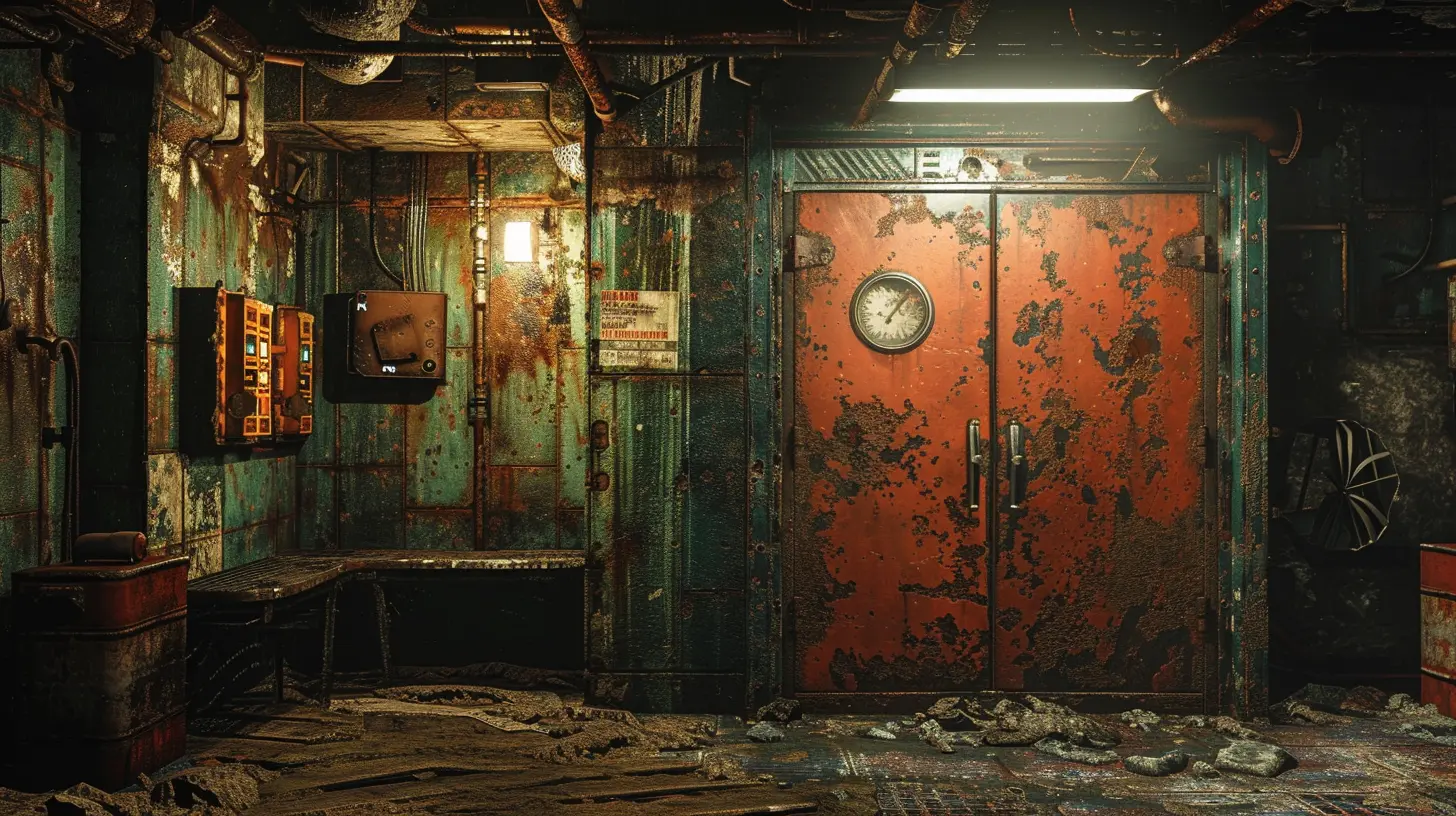
The Origins of the Fallout Vaults: Not What They Seem
A Shield from the Bombs… or a Cage?
On the surface, the Vaults look like a lifeline. The world goes nuclear, and these underground bunkers are mankind’s shot at survival. That’s the propaganda Vault-Tec sold to the American public, anyway.But here’s the plot twist (and it hits harder than a Super Mutant with a sledgehammer): most Vaults weren’t designed to save people. They were built to study them under extreme conditions—experiments wrapped in tin foil and corporate logos.
Sounds shady, right? Because it is.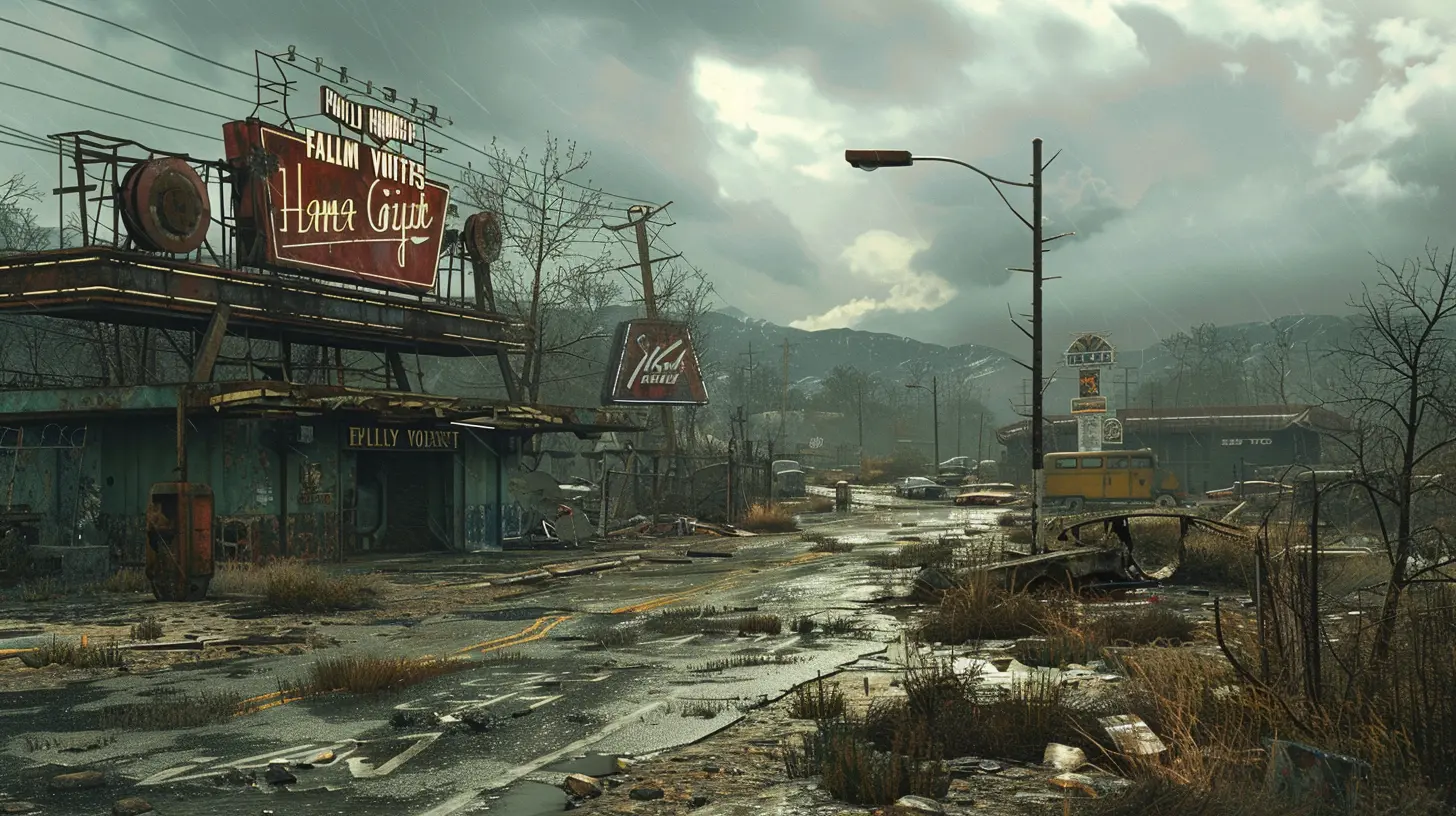
The Sinister Side of Vault-Tec
Vault-Tec: Science or Sadism?
Vault-Tec pitched itself as humanity’s savior, but let’s be honest—they were more like mad scientists with a limitless budget. The “experiments” they ran make Frankenstein look like a preschool science fair project.Let’s look at a few messed-up Vaults:
- Vault 11: Residents were told to sacrifice one person annually or everyone would die. Talk about workplace pressure!
- Vault 106: Pumped full of hallucinogenic gas. Happy place? Not really.
- Vault 68 and 69: One had 999 men and 1 woman. The other? 999 women and 1 man. You can guess how that turned out.
These weren’t random flukes. Every single design had a purpose. Vault-Tec was testing the limits of human endurance, morality, behavior, and society. Creepy? Absolutely. But it wasn’t just about causing chaos.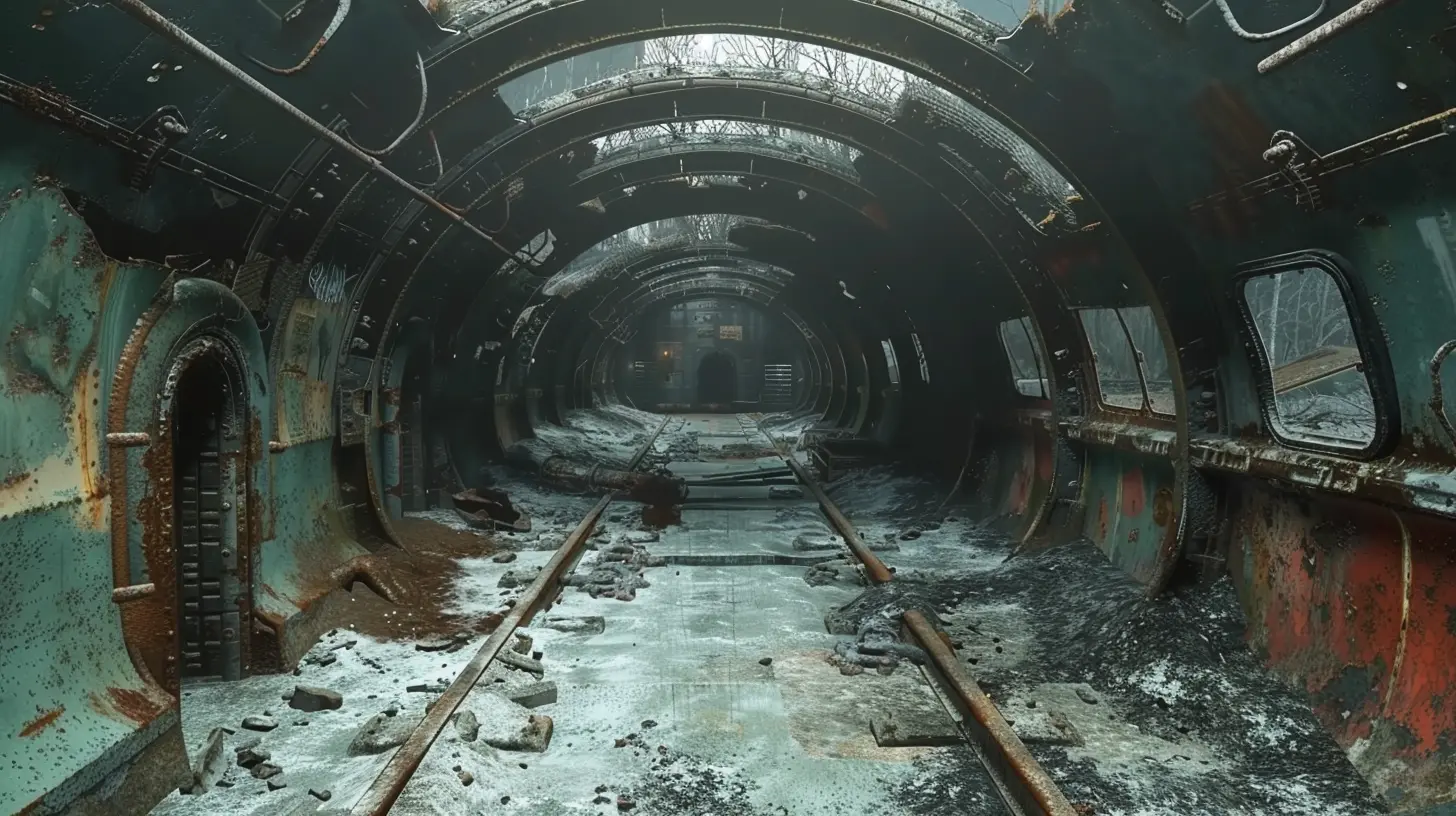
Picking Up the Pieces: Were They Trying to Rebuild Society?
The Twisted Blueprint
Here’s a controversial take: Maybe, just maybe, Vault-Tec wasn’t entirely evil. What if the experiments had a bigger goal in mind?Think about it. After a nuclear apocalypse, rebuilding civilization from scratch isn’t exactly plug-and-play. You’ve got damaged ecosystems, fractured communities, and people who might’ve forgotten how to live together. What better way to prepare for that chaos than to _simulate the worst-case scenarios_?
Sure, the methods were horrendous. But the data gathered from the Vaults could’ve been used to figure out:
- Which social structures work under pressure
- How humans respond to scarcity or isolation
- The psychological tipping point of communal living
- Technological adaptability under constraint
In a twisted way, Vault-Tec might have been helping to craft a manual for rebooting humanity.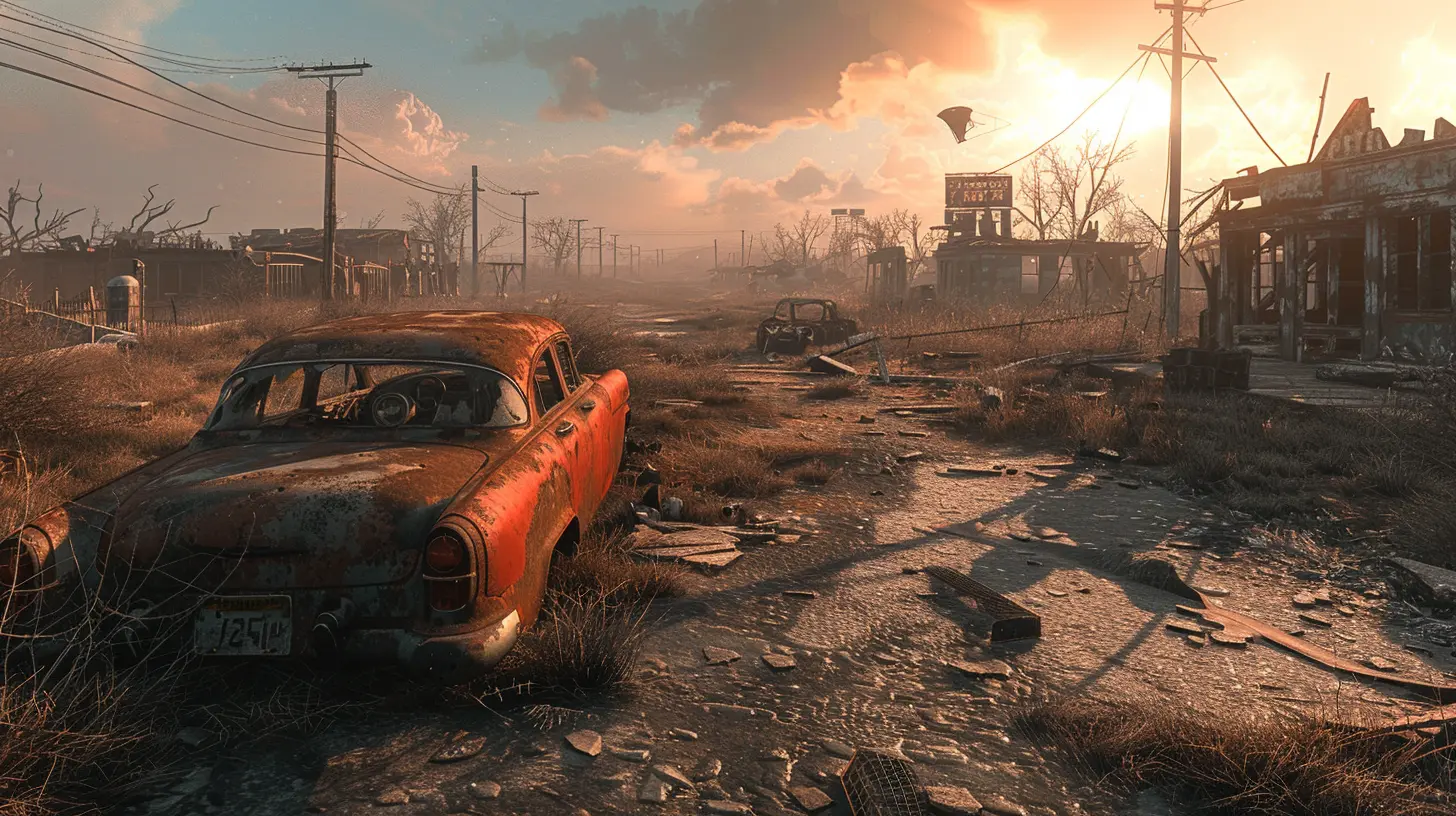
Case Study: Vault 101 and the Hero's Journey
One Vault, One Purpose
Vault 101 from Fallout 3 is where many fans got their first glimpse into Vault life. The motto? “We never leave.” This Vault was sealed tight—no one in, no one out. Total isolation. Until... you decide to break the rules, leave the Vault, and shape the Wasteland.This isn’t just clever storytelling—it’s symbolic. Vault 101 was about raising someone inside controlled conditions and then releasing them into chaos. You, the player, are essentially the human experiment. How you navigate the Wasteland is the final test.
Think of it like sending a kid into the world after homeschooling in a bunker. It's about observing who they become when they’re finally unchained. What values stick? What falls apart? That’s rebuilding humanity, one Vault Dweller at a time.
The Wasteland as a Petri Dish
What Happens After the Vaults Open?
The moment those big steel doors creak open, the real experiment begins. The Wasteland is the new lab, and the former Vault Dwellers are the guinea pigs.You’ll find ex-Vault residents scattered across the map:
- Some form new communities (like in Fallout: New Vegas)
- Others become raiders or cultists
- A few try to recreate the Vault’s systems above ground
Each outcome tells a story. It's like watching a bunch of survival simulations play out, with society slowly stitching itself back together, clumsily and violently.
Technology, Morality, and the Human Spirit
Engineering the Future One Microchip at a Time
Technology plays a huge role in the Fallout universe, for better or worse. From Pip-Boys to clean water purifiers, there's a constant tug-of-war between innovation and survival.Many Vaults were also testbeds for tech:
- Vault 92 experimented with sound to enhance soldier performance.
- Vault 0 (in Fallout Tactics) was run entirely by robots and housed the brightest minds.
These weren't just science projects. They were prototypes for future societies. The idea? Let’s see what works underground, then roll it out top-side once the radiation dies down.
So… Were the Vaults the First Step in Rebuilding?
Alright, let’s bring it back full circle.We started by asking if Fallout Vaults were an experiment in rebuilding humanity. And by now, you’ve probably realized the answer isn’t straightforward.
It’s like baking a cake while strapped to a rocket. Things will explode, ingredients will scatter, and odds are, you’ll burn a few batches before anything edible comes out. That’s what Vault-Tec was doing—seeing how humanity burned, broke, adapted, and maybe... just maybe... survived.
The Vaults weren't about saving lives. They were about testing the limits of life after death—not just biological, but societal and moral death too. Each Vault was a simulation, and every survivor was part of an unwritten handbook for humanity’s second chance.
What Can We Learn From the Vaults?
Now, before we sign off, here’s some food for thought. The Fallout series is more than a playground for gory melee kills and talking super mutants. It’s a massive “what if?” scenario.What if our civilization collapsed tomorrow? What values would we cling to? Would we rebuild society smarter, stronger, kinder—or would we just repeat old mistakes?
Fallout’s Vaults hold a cracked mirror up to us. They ask what it means to _really_ survive. Not just to breathe, but to live—and thrive—in the shadows of disaster.
And that question? It’s more important today than ever before.
Wrapping Up: Vaults as Humanity's Last Hope... or Final Insult?
Let’s not sugarcoat it—Vault-Tec was shady, cruel, and corporate to the core. But underneath all the horror stories and failed experiments was an idea—maybe even a hope—that from the ashes of destruction, something better might emerge.So whether you're escaping Vault 111 in Fallout 4 or weathering hallucinations in Vault 106, remember: you’re not just playing a game—you’re stepping into one of the most thought-provoking social experiments ever imagined in gaming.
And who knows? In a weird, post-apocalyptic way, maybe the Vaults were humanity’s weirdest, wildest shot at redemption.
all images in this post were generated using AI tools
Category:
Fan TheoriesAuthor:

Audrey McGhee
Discussion
rate this article
1 comments
Kennedy McCracken
This topic sparks such intriguing thoughts about human nature and society. The idea that each Vault carries a unique experiment is fascinating. It's a creative way to explore resilience, morality, and the complexities of rebuilding after catastrophe.
June 24, 2026 at 4:10 AM
Audrey McGhee
I'm glad you found the concept intriguing! Each Vault truly highlights the diverse possibilities of human resilience and moral choices in the face of challenges.