Inside the World of Esports: What Makes a Great Tournament
9 February 2026
Esports isn't just a trend anymore — it's a full-blown global phenomenon. When millions of fans tune in from around the world to watch teams battle it out in games like League of Legends, CS:GO, Dota 2, or Valorant, you know there's something special happening. But have you ever stopped and asked yourself: what actually makes an esports tournament great?
It’s not just about the gameplay. Sure, pro players putting on an insane show with god-tier mechanics is part of it, but a truly great esports tournament is like a perfectly baked cake — every layer matters. So grab your virtual pass, and let’s dive deep into the heart of competitive gaming.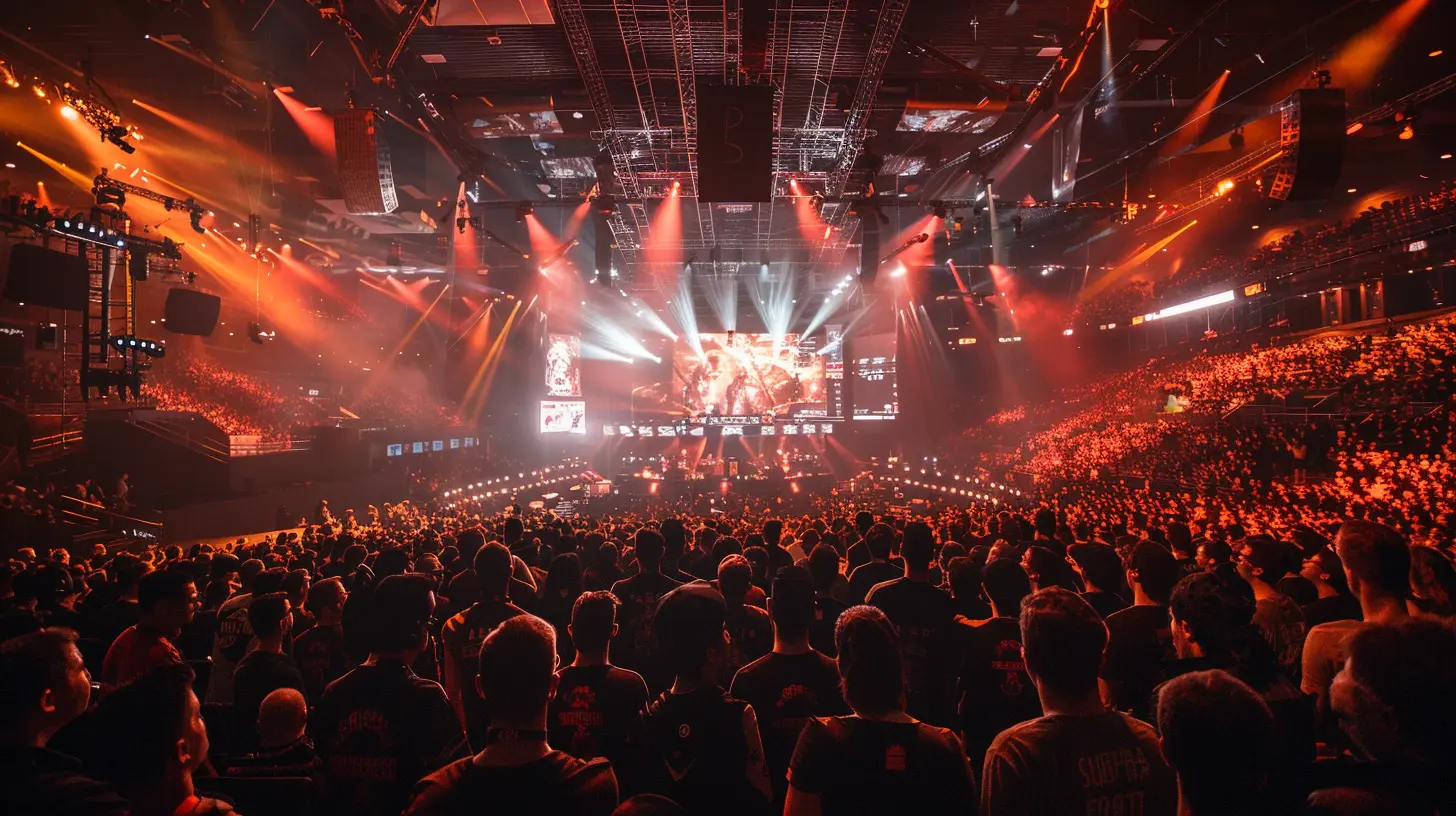
The Hype Is Real: Setting the Stage
Before the first match even begins, there's one thing that sets great tournaments apart — hype. You need it. A tournament has to generate buzz. Just like how movie trailers get you pumped for a new film, esports events thrive on pre-game excitement.Marketing & Promotion
The lead-up to the event has to create anticipation. Think trailers, team teasers, and throwback clips from past nail-biting plays. Social media becomes a battlefield for memes, predictions, and banter. The more people talking, the better.Storylines That Hook You
It’s not just “Team A vs. Team B.” It’s a revenge match. It’s a Cinderella story. It’s the underdogs taking on the reigning champs. Narratives give tournaments emotional depth — and fans? We eat that stuff up.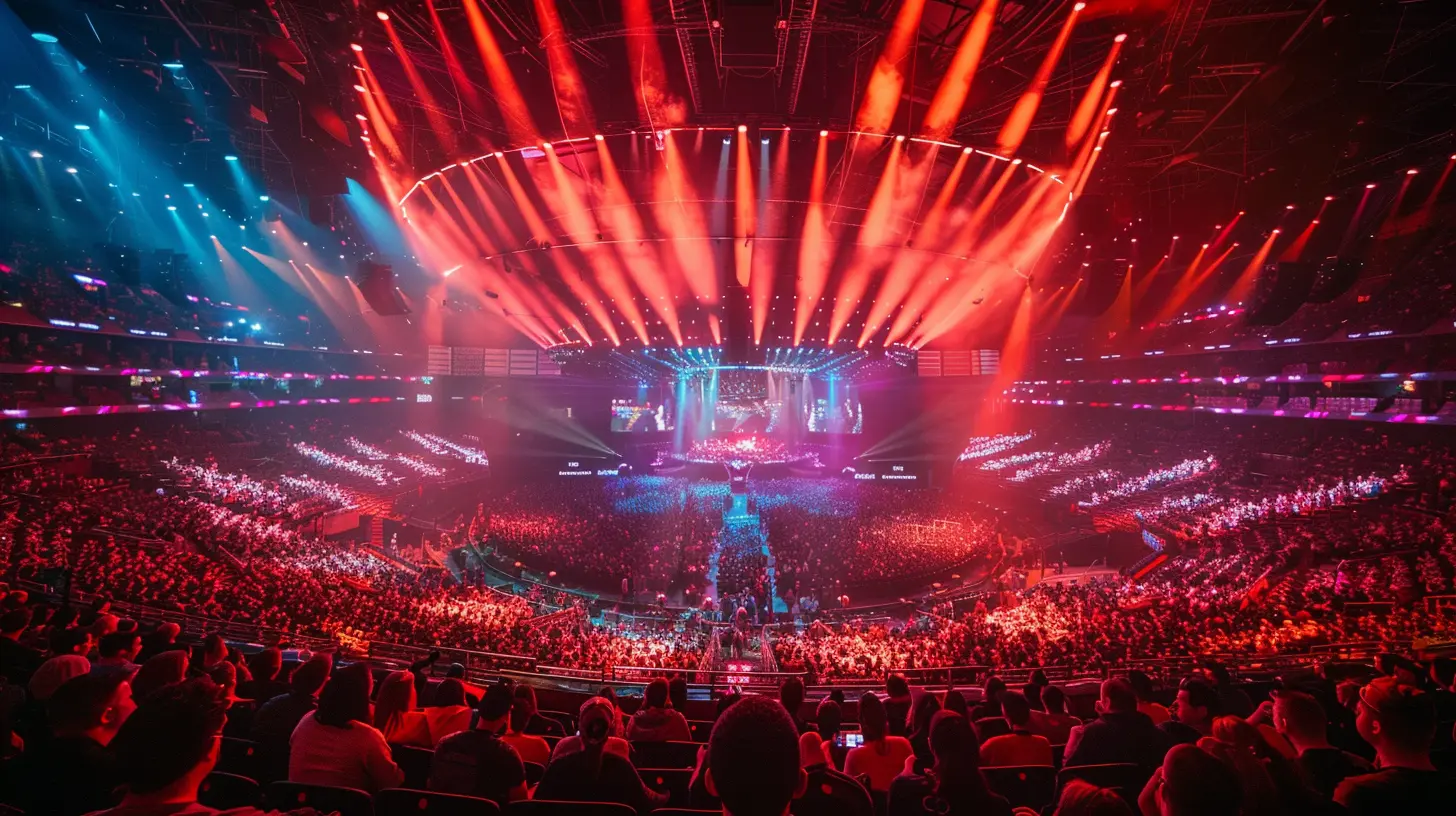
Lights, Camera, Action: The Production Quality
A tournament might have the best teams in the world, but if the stream looks like it’s running on dial-up from 2002, nobody’s watching. Great production is non-negotiable.Camera Work & Spectator Tools
A top-tier broadcast switches seamlessly between player cams, in-game action, and crowd reactions. Spectator tools that let viewers follow the game properly—like minimaps, stats, and instant replays—crank up the quality.Graphics, Music, and Transitions
Ever noticed how major tournaments have killer intros and slick graphics that highlight player stats or match history? These details make esports feel like a high-end event. Add some epic music and flawless transitions, and you’ve just built a show.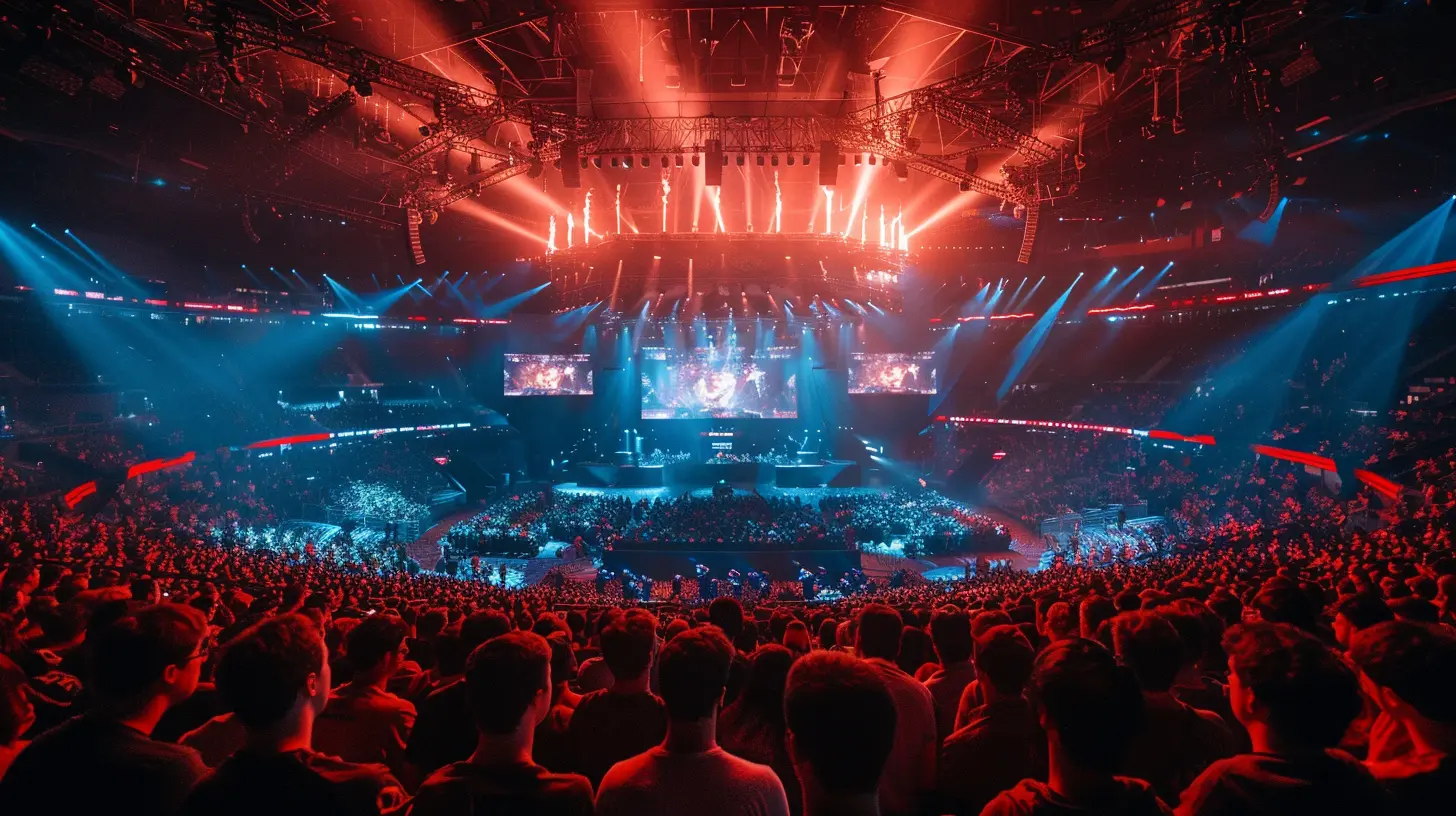
The Players: Heart of the Show
Let’s face it — players are the rockstars here. And just like you wouldn't go to a concert without headliners, great tournaments stack the talent.Star Power & Team Rivalries
Having big-name players (you know, the ones with thousands of Twitch followers) makes the event instantly more exciting. But let’s not forget the chemistry between rival teams. Longstanding clashes create intensity and stakes.Player Stories
Knowing what a player overcame to get here — tough losses, insane comebacks, or rising through amateur ladders — makes every match more meaningful. It turns spectators into supporters.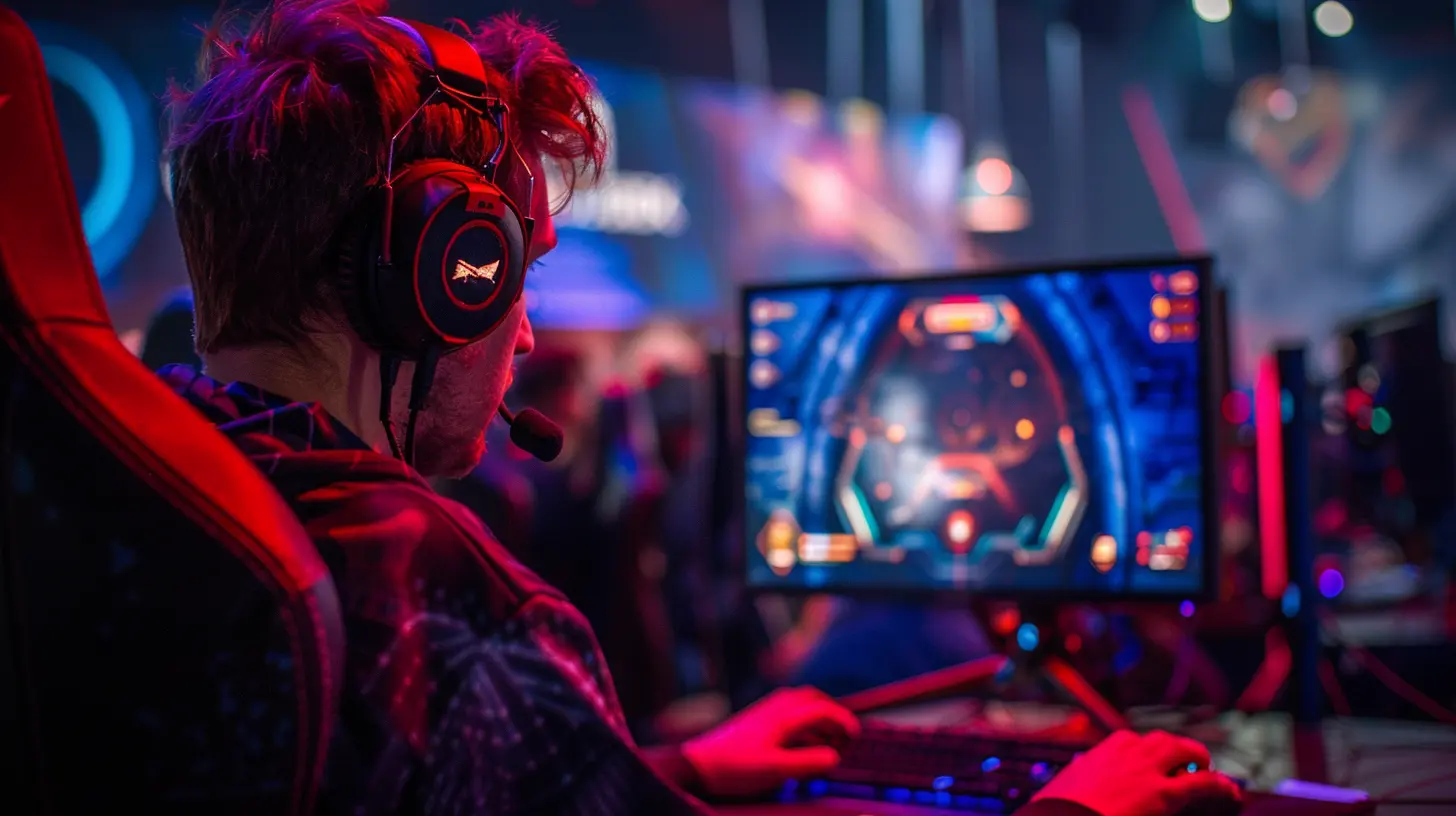
The Games Themselves: Competitive and Balanced
Not every game is a good fit for esports. A great tournament needs games that are fun to watch, skill-intensive, and competitively balanced.Viewer-Friendly Mechanics
Some games are incredibly fun to play but awful to watch. Esports-friendly games are the ones where viewers can easily follow what’s going on — think clear objectives, observable changes in momentum, and clutch moments.Regular Updates & Meta Shifts
Games need to evolve to stay interesting. Developers who balance their games frequently and shake up the meta keep the pros on their toes and fans intrigued by new strategies.The Venue: Virtual or Physical Vibes
Even though esports lives online, the importance of a good venue—digital or physical—can't be overstated.LAN Events vs. Online Tournaments
LAN tournaments (those played onsite) always have more energy. There’s something electric about hearing the crowd gasp during a 1v4 clutch. Online can still be great, but it lacks that immediate atmosphere.Spectator Experience
From crowd seating to giant LED screens, and even fan zones with mini-games, the physical experience must be immersive. Online viewers? They need a clean, easy-to-navigate stream, maybe even with multi-camera options or chatrooms.Shoutcasters & Analysts: The Voice of the Game
Commentators and analysts breathe life into matches. They’re the narrators, the storytellers, and sometimes—let’s admit it—the comedians.High Energy and Expertise
Great casters strike a balance. They hype the crowd, explain strategies, and drop the occasional pun. The best ones make you feel something even if you don’t fully understand the game.Between-Match Analysis
Analysts break down plays, highlight MVP moments, and offer insights you might’ve missed. It's like a halftime show but with less fluff and way more brainpower.Fairness and Integrity: No Room for Shenanigans
Nothing kills the vibe like a scandal—match-fixing, cheating, or tech issues. Great tournaments have systems in place to make sure it’s all fair play.Referees and Anti-Cheat Software
There should always be technical referees on-site, ready to jump in when hardware goes haywire. And with anti-cheat tools running in the background, players and fans can trust the results.Rules and Transparency
Clear rules, consistent rulings, and transparent decision-making processes build legitimacy. Refs shouldn’t play favorites and penalties should be public.Fan Engagement: More Than Just Watching
Esports is community-driven. It’s not just about watching — it’s about being part of it.Twitch Chat, Polls, and Predictions
Let fans vote on MVPs or predict match outcomes — it makes every viewer feel like they’re part of the action. Twitch chat is the modern-day coliseum chants, spamming emotes during a killer ace.Merch, Giveaways & Interactive Content
Everyone loves some free swag. Tournaments that offer giveaways, inside-access content, and exclusive merchandise create stronger fan loyalty and excitement.Prize Pools: More Than Just the Money
Big prize pools definitely grab attention (looking at you, The International), but they’re not just about flexing dollar signs.Incentives for Players
A massive payout motivates players to bring their A-game. It also shows they're being taken seriously — that their skills are worth rewarding.Transparency and Payout Structure
Clear breakdowns of how the money’s divided help keep things fair. Is it all going to first place? What about runner-ups or MVPs? A well-thought-out structure makes the event more professional.Memorable Moments: The Stuff of Legends
Every great tournament has that one unforgettable moment. The play that makes your jaw drop. The moment that gets clipped, gif-ted, and watched a million times.Whether it’s a miracle base defense, a backdoor sneak attack, or an impossible comeback, these moments define tournaments. They become part of gaming lore.
Post-Event Content: Keeping the Flame Alive
A great tournament doesn’t end when the trophy is lifted. Post-match interviews, highlight reels, and behind-the-scenes footage keep fans engaged long after the final score.Recap Videos & Social Coins
Short, snackable content — the kind you can share on TikTok, Twitter, or Instagram — keeps the tournament buzz alive. It also reaches casual fans who might’ve missed the live event.Documentaries and Player Profiles
Ever watched a doc on a team’s journey through a tourney? That stuff is gold. It makes the next event more personal, more emotional, and more intense.Wrapping It All Up
So what makes a great esports tournament? It’s not just the games. It’s the people, the passion, the production, the stories, and the experience — both online and on-site.A truly epic tournament feels alive. It pulls you in, makes you care, and keeps you dreaming about what’s coming next. Whether you’re a hardcore fan, a casual watcher, or someone looking to break into the scene — if a tournament nails all these elements, you’ll remember it for years.
And let’s be real — in a world where digital entertainment rules, esports tournaments are the rock concerts of the gaming universe.
all images in this post were generated using AI tools
Category:
Gaming TournamentsAuthor:
Audrey McGhee
Discussion
rate this article
3 comments
Juno McClure
Great insights! Excited for future esports events!
April 15, 2026 at 3:44 AM
Audrey McGhee
Thank you! I'm glad you enjoyed it—exciting times ahead for esports!
Linnea McCool
Great tournaments thrive on organization, fairness, engaging commentary, and a vibrant community atmosphere.
February 13, 2026 at 5:19 AM
Audrey McGhee
Absolutely! A successful tournament indeed hinges on strong organization, fairness, engaging commentary, and a lively community, all of which enhance the overall experience for participants and viewers alike.
Zarev Sharpe
This insightful article delves into the essential elements of a successful esports tournament, such as competitive integrity, engaging production quality, and community involvement. It highlights how these factors elevate the spectator experience and contribute to the growing popularity of esports globally.
February 10, 2026 at 5:43 PM
Audrey McGhee
Thank you for your thoughtful comment! I'm glad you found the article insightful and that it resonated with key aspects of successful esports tournaments.