Why Fighting Games Are Making a Tournament Comeback
29 July 2026
There’s something electric about watching two players go head-to-head in a fighting game. The crowd holds its breath, waiting for the next combo, the surprise comeback, or the crushing final blow. After years of being overshadowed by battle royales and MOBAs, fighting games are stepping back into the spotlight—and their return isn’t just a blip on the radar. Nope, it’s a full-blown tournament comeback.
But what’s fueling this revival? Why, out of all the genres, are fighting games breaking through again? Let’s dive into the ragequits, rivalries, and reasons why this genre is back on top in the competitive scene.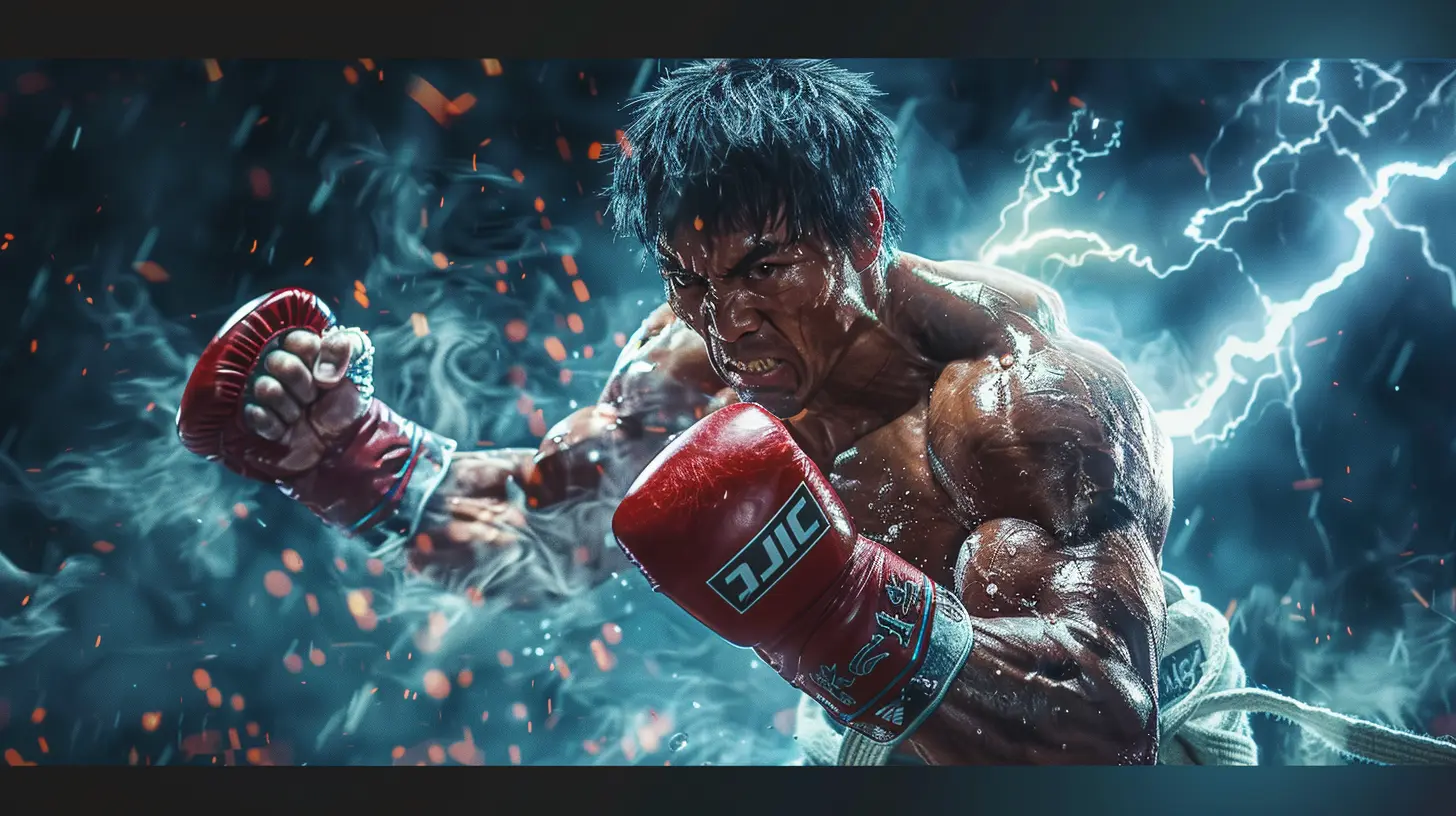
The Historic Swagger of Fighting Games
Let’s roll back the clock to the ‘90s real quick. Remember arcades? That was ground zero for fighting games. Games like Street Fighter II, Mortal Kombat, and Tekken weren’t just games—they were battlegrounds. If you were good, you earned respect. If not, well, someone else took your quarter.Fighting games were built for competition. They’ve always carried that one-on-one DNA—raw, intense, and unfiltered. Other genres may rely on team synergy or luck of the loot, but fighting games? It's you versus them. That primal energy never really went away. It just needed the right time (and tech) to return.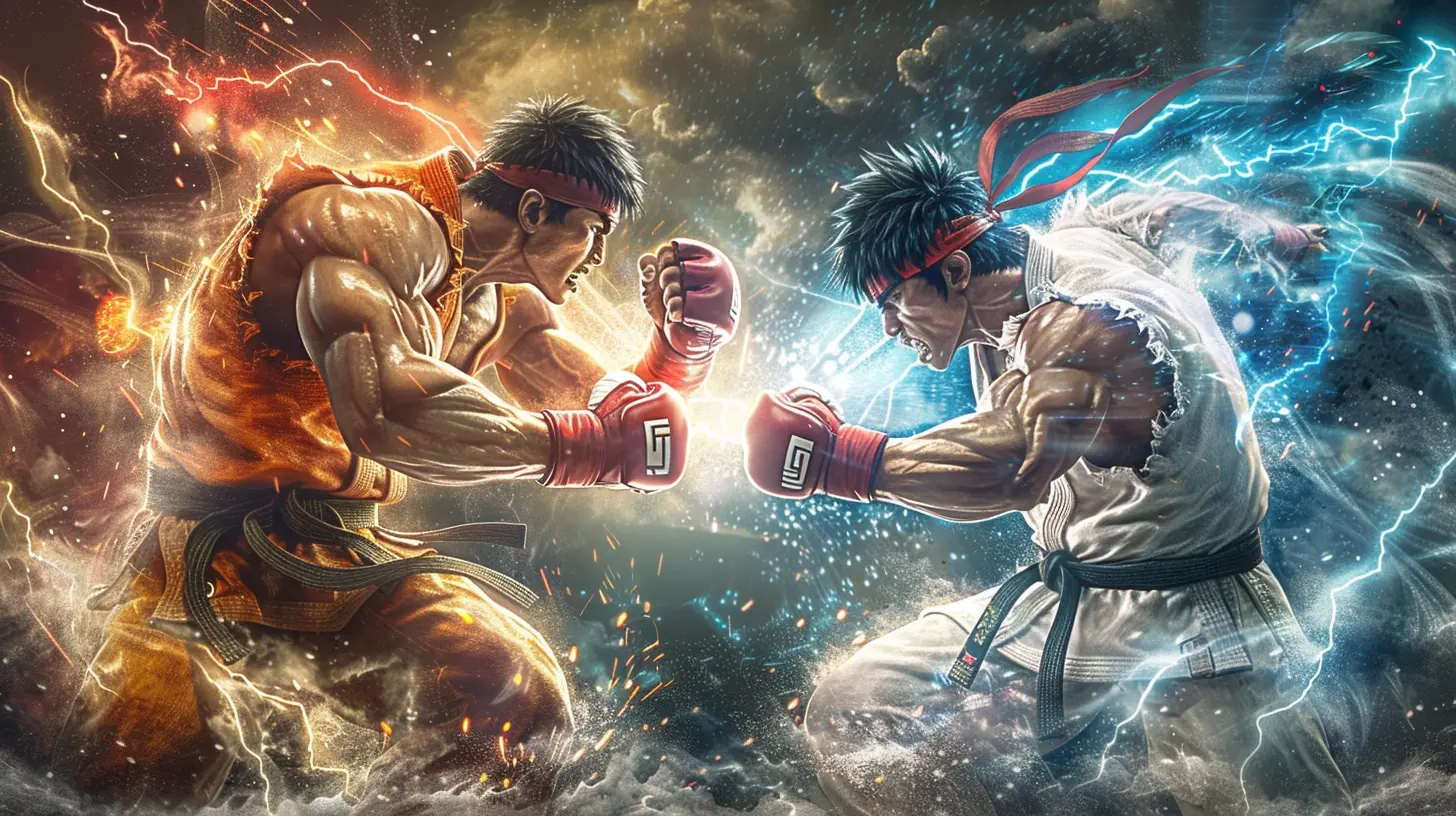
Community Resilience: The Foundation Never Cracked
Even during the quieter years of fighting games, the competitive community never dipped. The Fighting Game Community (FGC) held on, kept grinding, and built underground legends.When big publishers pushed other genres, the FGC was still running grassroots tournaments, streaming locals, and keeping the hype alive. Events like EVO (Evolution Championship Series) kept the torch burning, acting as the "WrestleMania" of the FGC. That loyalty is now paying off—tournaments today are bigger, better, and more visible than ever.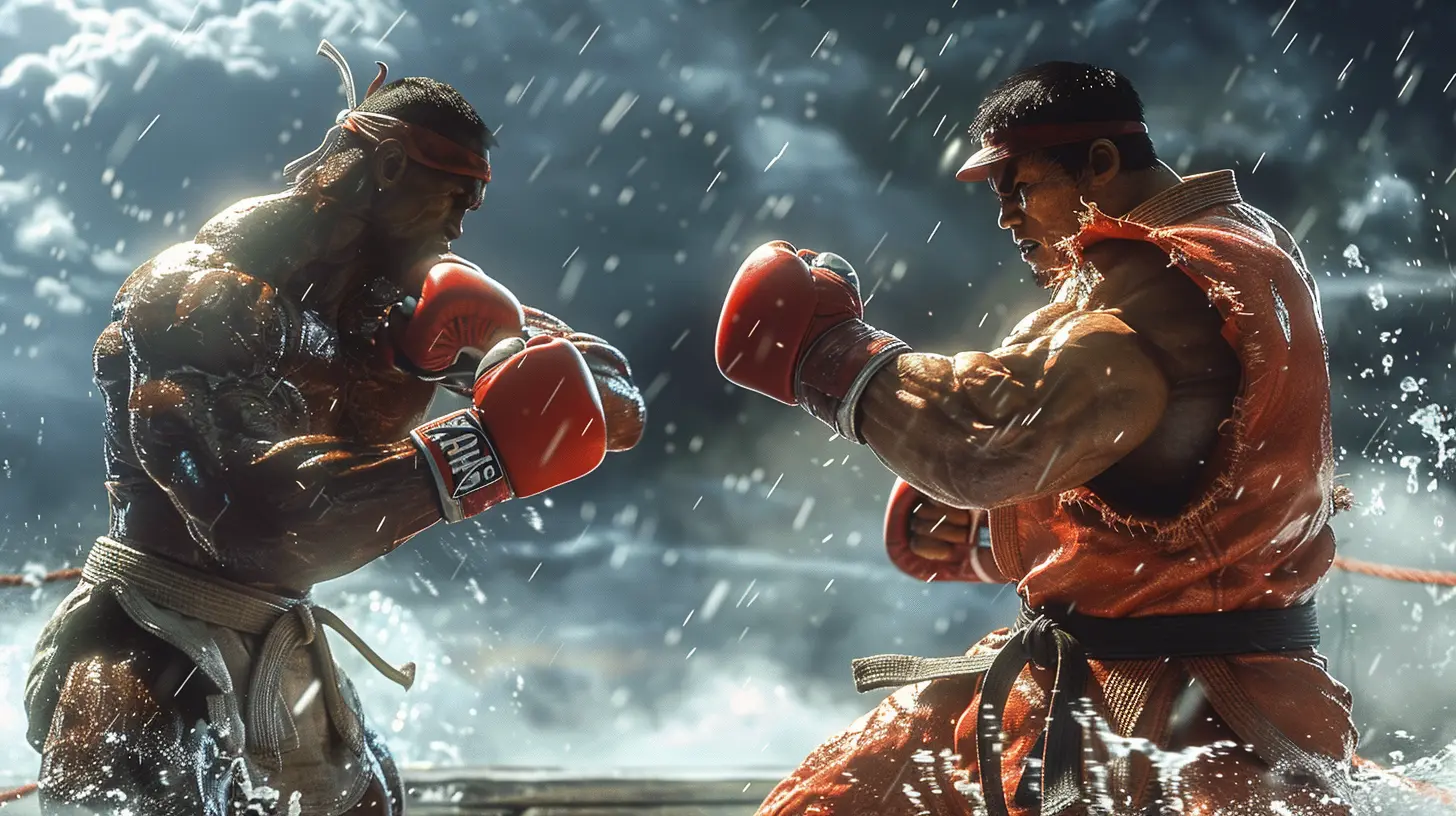
The Rise of Streaming: Fighting Games Were Made for Twitch
Let’s be real, fighting games are a streamer’s dream. They’re fast-paced, visually intense, and packed with "did-you-just-see-that?!" moments.With Twitch, YouTube Gaming, and platforms like Kick gaining steam, fighting games are getting the type of spotlight they always deserved. Unlike a 30-minute battle royale, a fighting match is short and sweet. Viewers can jump in and out easily, and there's always action on the screen.
The comeback isn’t just about the games—it’s about the eyeballs. And let’s not overlook how major tournaments are now getting pro-level production values, commentary teams, and global streams with hundreds of thousands of viewers. You can’t beat that kind of exposure.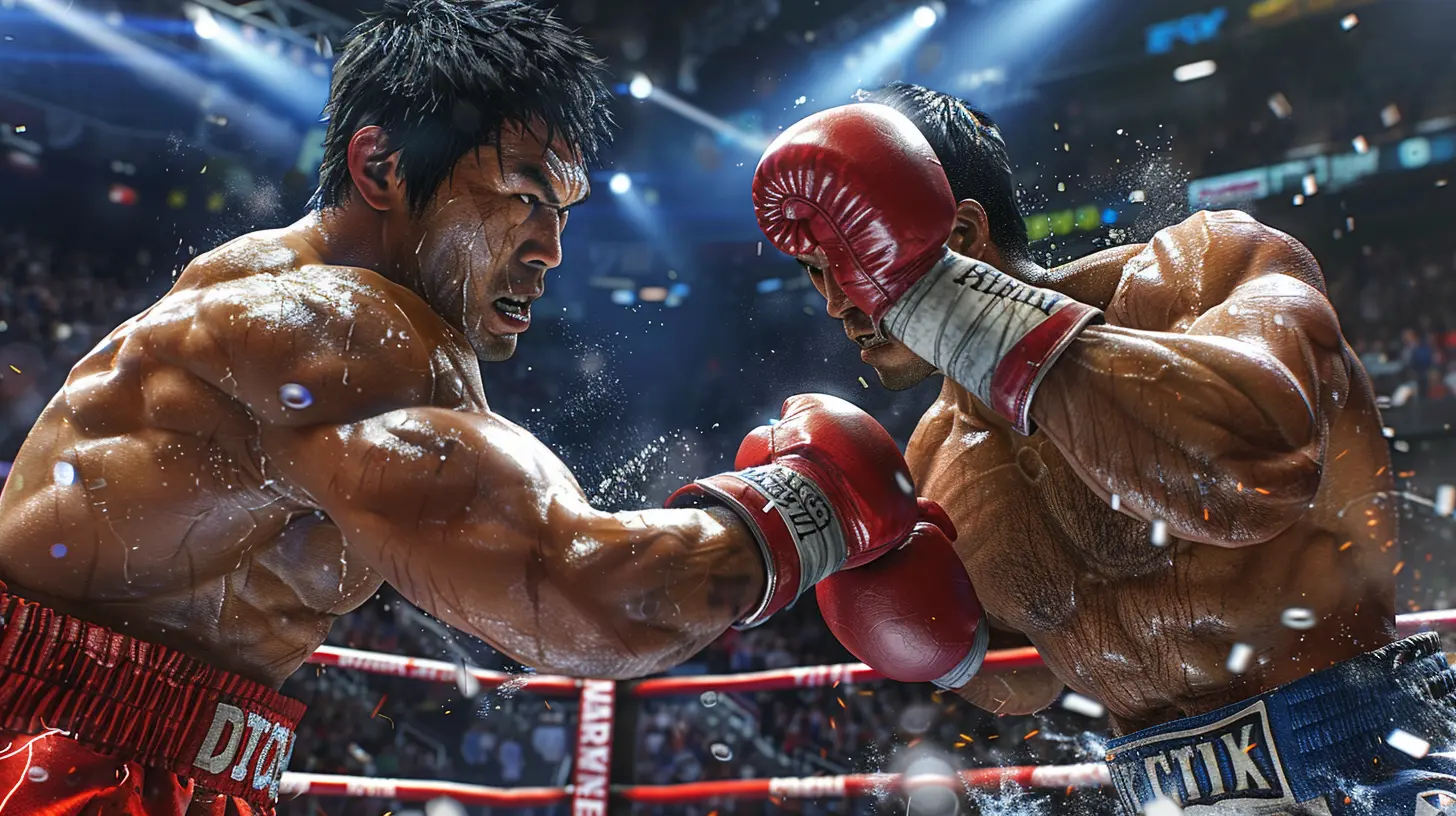
Game Devs Are Finally Listening
Here’s a spicy truth: for a long time, publishers didn’t know what to do with fighting games. Either they made them too niche, too casual, or too complex. But now? They’re nailing it.Recent releases like Street Fighter 6, Mortal Kombat 1, and Guilty Gear Strive have struck the perfect balance—welcoming newcomers while keeping hardcore fans hooked. Developers are throwing in better tutorials, rollback netcode for smooth online play, and supporting the competitive scene with prize pools and sponsored events.
Game design has finally evolved to match the hunger of the community. And when the games are this good, word spreads.
Accessibility Has Skyrocketed
Let’s not forget the barrier to entry. Once upon a time, you’d have to really grind to even land basic combos. But now, many games are offering simple control schemes and built-in guides to get players up to speed without watering down the experience.Even better? Online play is more stable than ever. You don’t have to live near a big city to find good matches or enter a tournament. You just need a decent connection and the will to battle it out.
Tournaments have also evolved. Thanks to online qualifiers and digital brackets, anyone with skills can climb the ladder. That dream of being the next underdog champion? Yeah, it’s way more achievable now than it used to be.
Esports Influence and Big Sponsor Bucks
The esports wave didn’t leave fighting games behind—it just took a while for the genre to catch up with the infrastructure and funding.Now, with companies like Red Bull, Intel, Capcom, and even Sony investing in competitive scenes, there's real money on the line. Prize pools are growing. Pro players are getting serious support. And you know what money brings? Drama, glory, and motivation.
With esports’ mainstream appeal, fighting games are finding a fresh audience. Folks who never touched a controller are now watching major tournaments just for the hype. And when more eyes land on the scene, the momentum only builds.
Cultural Impact and Nostalgia Factor
Fighting games have always had that cool factor. Whether it’s the brutal fatalities of Mortal Kombat, the stylish flair of Street Fighter, or the anime overload of Dragon Ball FighterZ, there’s no denying the cultural grip they have.As older gamers relive their glory days and newer players get hooked on flashy trailers and high-octane gameplay, the genre pulls in people from all walks of life. There's a strong nostalgia pull—but it doesn’t stop there. Fighting games are also riding modern trends in music, fashion, and vibe.
Ever noticed how tournament stages feel like a cross between an esports arena and a hip-hop concert? Yeah—it’s intentional.
Social Media and Hype Culture
Let’s be honest, fighting games were made for clips. One second you’re winning, the next—boom—you’re eating a 12-hit combo and holding that L.Social media has been a game-changer for the genre. From Twitter highlight reels to TikTok tutorials, players and fans are building communities in real time. One viral moment can catapult a player into the limelight or turn a forgotten game into a trending topic.
The ability to share, react, and meme-ify moments is breathing new life into the scene. Now, everyone’s got a front-row seat—even if they’ve never played a match themselves.
The Evolution of Local and Online Tournaments
Remember those cramped local venues with flickering CRTs and pizza-stained brackets? They’re still around—but now, they’ve leveled up.Local tournaments have stepped up their game with better setups, sponsors, and even hybrid formats that combine in-person and online play. Online-only events are no slouch either. With tools like Discord, Smash.gg, and Challonge, setting up brackets has never been easier.
The result? A non-stop calendar of regional and global events. Players can stay active year-round, climbing rankings, gaining experience, and building their brands.
Players Becoming Personalities
Fighting games are as much about the personalities as the punches. From salty pop-offs to ridiculous trash talk, players in the FGC have always worn their hearts on their sleeves.Now, with the help of content creation, many are becoming streamers, YouTubers, and influencers in their own right. This not only builds their personal fanbases but grows the scene as a whole.
These aren’t faceless athletes in jerseys; they’re characters in the grand story of competition. People tune in just as much for the drama as the gameplay—and fighting games have both in spades.
Crossovers, Collabs, and Crazy Roster Choices
Who doesn’t love a good crossover? Fighting games have been killing it with guest characters and dream matchups.From Ryu facing off against Terry Bogard to Sub-Zero battling Spawn, these games have turned into pop culture melting pots. It all fuels speculation, excitement, and keeps players invested across franchises.
Add in creative DLC, season passes, and consistent support, and you’ve got a genre that refuses to sit still.
The Competitive Spirit Is Timeless
At the core of it all, fighting games tap into something universal: the thrill of a duel. It’s pure, uncut competition.No teammates to blame. No random drops to bail you out. Just your skills—raw and exposed. It’s why, even after all these years, fighting games still draw crowds. Still create legends. Still spark rivalries that burn for years.
And thanks to all the modern tools—from streaming to social media to dev support—that spirit is stronger than ever.
Final Thoughts
Fighting games are back, baby—and they’re here to stay. The tournament comeback isn’t some passing phase—it’s a full-force revival powered by better games, fiery communities, and a thirst for competition.So, whether you’re an old-school arcade warrior or a new-age button masher, there’s never been a better time to jump in. The stage is set. The announcer’s ready. Now, the only question left is…
Are you?
all images in this post were generated using AI tools
Category:
Gaming TournamentsAuthor:

Audrey McGhee