Why Certain Game Themes Stay With Us Forever
15 April 2026
Video games aren’t just about high scores or flashy graphics—they’re experiences, memories, and sometimes even life lessons wrapped up in pixels and polygons. Ever played a game years ago and still remember how it made you feel? Or how a certain theme keeps popping up in different titles and never loses its magic? That’s what we’re diving into today: why certain game themes stay with us forever.
Whether it’s the thrill of post-apocalyptic survival, the timeless battle between good and evil, or the calming escape into magical worlds—there’s something going on beneath the surface. Let’s talk about why these themes don’t just entertain us—they stick with us.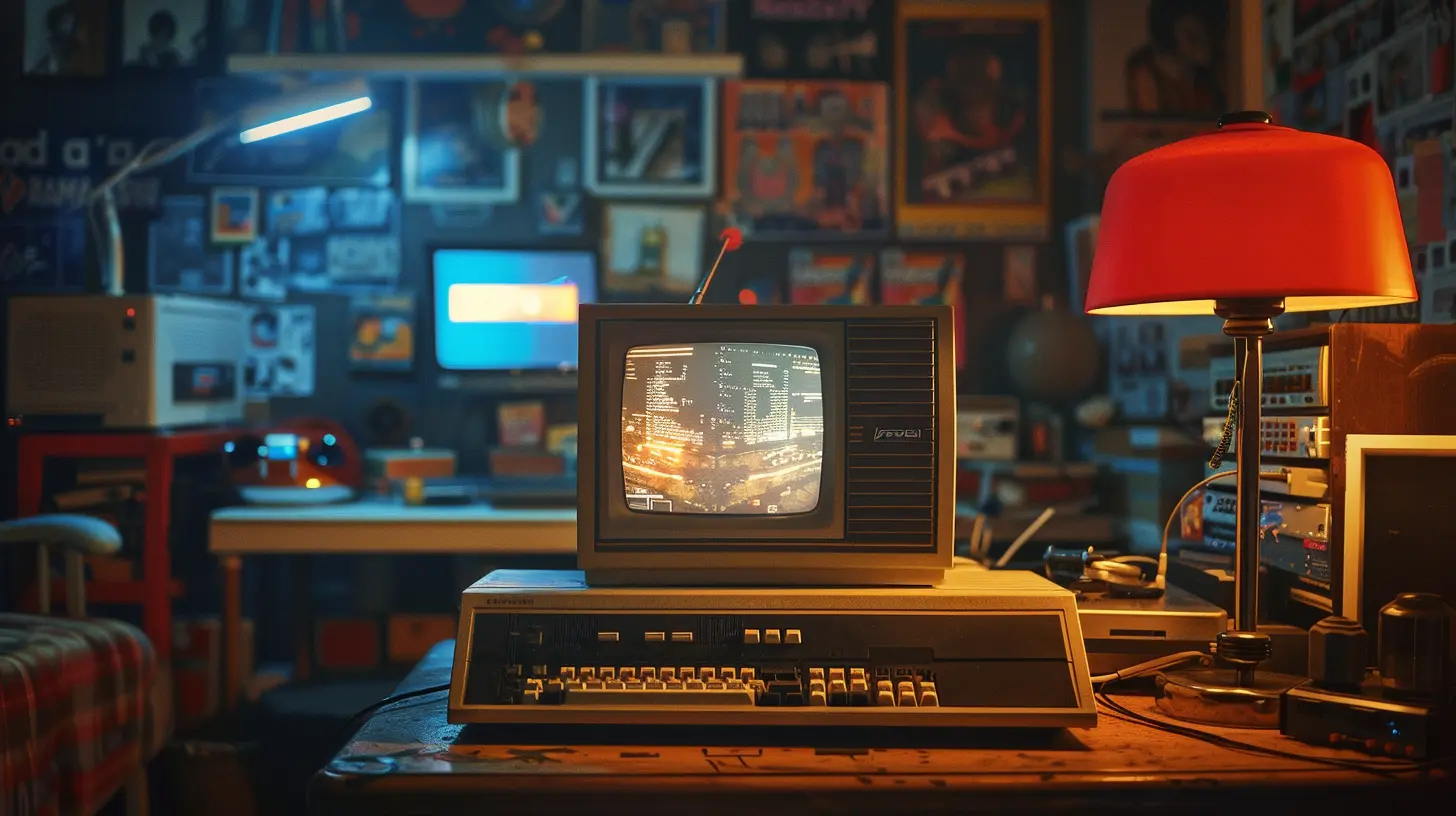
The Emotional Glue That Binds Us to Game Themes
First off, let’s acknowledge the obvious: games are emotional. Just like a great book, movie, or song, a video game can hit you right in the feels. And the themes behind the games help drive that emotional connection.Themes like hope in despair, the journey of self-discovery, or the pull of justice—these go beyond the mechanics and into something deeper. We relate to them. They reflect real-world struggles and victories in a virtual setting. And unlike passive entertainment, games let us live out these themes firsthand.
You're not just watching someone fight off evil—you ARE the hero. That level of immersion makes certain themes unforgettable.
Universality: Themes That Speak to Everyone
Some themes are practically hardwired into our human nature. Think about it:- Good vs. Evil
- Survival against the odds
- Coming-of-age journeys
- Love and loss
- Revenge or redemption
These aren’t just game narratives—they're human narratives. You’ll find them in ancient myths, Shakespearean tragedies, blockbuster movies, and, yes, video games.
Games like The Legend of Zelda, The Last of Us, and God of War dig deep into these universal themes. They offer different flavors of the same emotional pie. And that’s the trick—they tap into woven threads that connect all of us, no matter where we’re from.
Nostalgia: The Power of Childhood Gaming
Let’s be honest—nostalgia is a beast. Ever boot up an old console, hear that startup sound, and immediately feel like a kid again? That’s the power of memory and emotion rolled into one.Nostalgia isn’t just about remembering games—it’s about reliving feelings. That childhood sense of wonder. The excitement of unlocking a new world. The pride of beating the final boss.
So when newer games echo themes from the classics—like pixelated platformers, chiptune soundtracks, or pixel art—it hits us hard. Even if the gameplay’s brand new, the feeling takes us right back.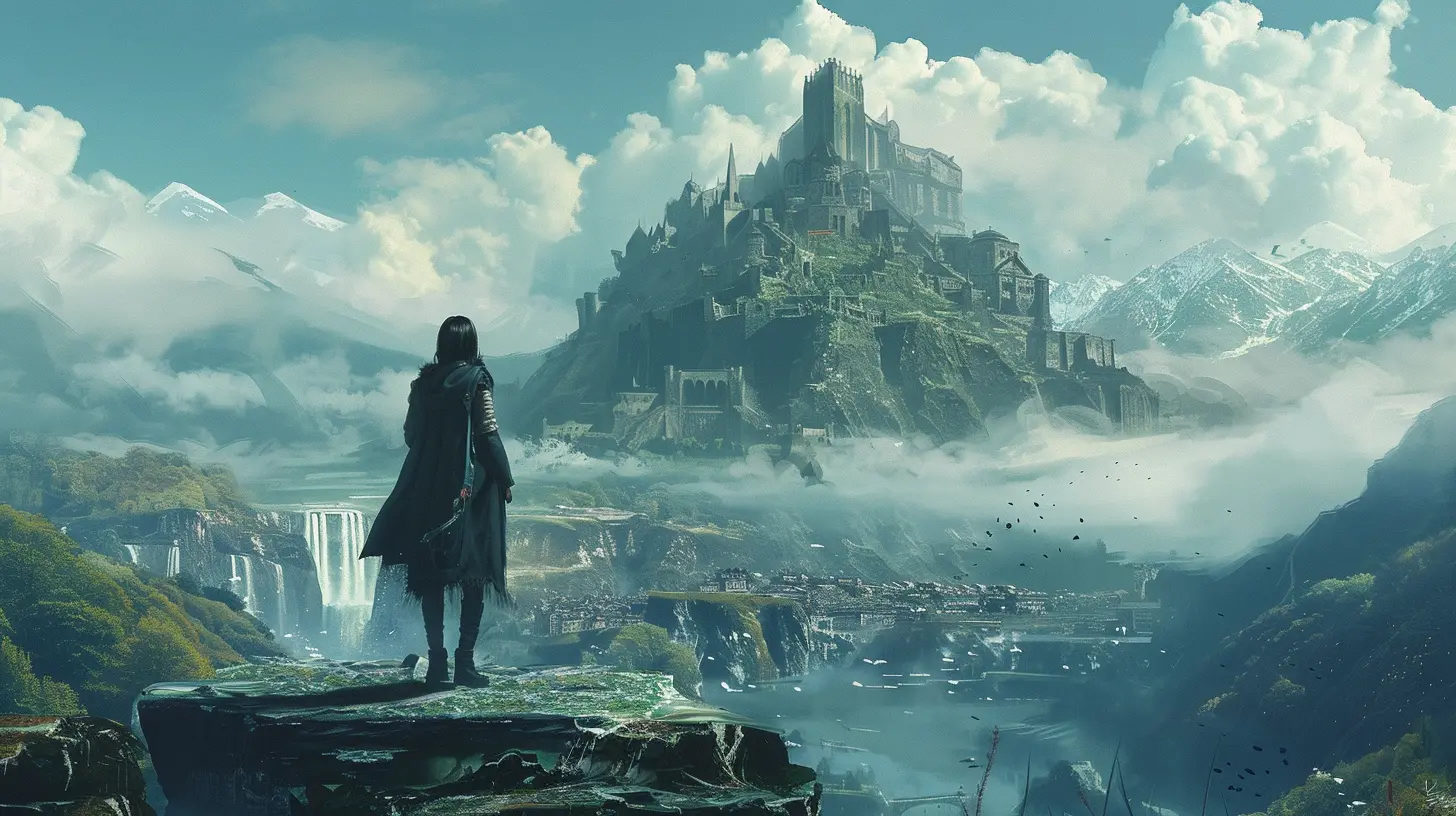
World-Building That Leaves a Mark
Some game themes stick because they come wrapped in unforgettable worlds.Take Skyrim, for example. Sure, it’s a high-fantasy RPG—but it’s also a world teeming with lore, culture, languages, and history. Same goes for Mass Effect's sci-fi universe or Red Dead Redemption’s gritty Wild West. These aren’t just backgrounds; they’re living, breathing settings that feel as real as actual places.
When a game nails its world-building, the theme becomes part of that place. You remember not just the plot, but the environment, the people, the conflicts—and how they made you feel.
It’s like visiting an old hometown. You might forget the street names, but the vibe? That stays with you forever.
Characters: The Heart of Game Themes
If themes are the bones of a game, characters are the soul. They’re the ones who carry those themes on their pixelated shoulders.Think about Joel and Ellie from The Last of Us. That game isn’t just about zombies—it’s about love, loss, survival, and the blurred lines between right and wrong. And those themes wouldn’t hit nearly as hard without the relationship between the characters.
Great characters turn abstract ideas into emotional stories. They're flawed, relatable, and human—even if they’re elves, aliens, or hedgehogs.
When you connect with characters, you connect with the theme. And that’s why their stories linger—because a part of you lived them too.
Gameplay That Mirrors Theme
Ever notice how some of the best games don’t just tell you the theme—they make you feel it through gameplay?Take Dark Souls. The core theme is resilience in the face of overwhelming odds. And boy, does the gameplay reflect that. You die. You fail. You feel frustrated. But you get up and try again. That isn’t just game design—it’s theme in action.
Another good one? Journey. It's about connection and discovery. There’s no dialogue, no combat, just exploration and anonymous companionship. And somehow, it's emotionally moving.
When the mechanics reinforce the theme, it’s more immersive. It’s not just what the game says; it’s what the game is.
Relevance to Real-World Issues
Sometimes, game themes stick because they resonate with what’s happening in the world.Post-apocalyptic games often gain popularity during uncertain times. Political thrillers hit harder when real-world tensions are high. Games that tackle mental health, identity, or social justice—like Celeste or Life is Strange—shine a light on issues we’re already thinking about.
These games don’t just provide escapism—they provide reflection. And that makes them powerful.
They stay with us because they helped us understand something. Or maybe comforted us during a rough patch. That kind of connection doesn’t fade easily.
Mythology and Legend: Built-In Gravitas
There’s something timeless about myths and legends, right? They’ve been passed down for generations for a reason. Games that draw from these deep wells often carry that same timeless weight.God of War taps into Greek and Norse mythology, giving age-old stories a brutal modern twist. Assassin’s Creed blends historical events with modern fiction, making you feel like you’re living a secret history.
By anchoring themselves in themes that have stood the test of time, these games inherit a sense of gravity. You’re not just playing—you’re participating in a larger-than-life tale.
Escapism: The Theme of Freedom
Let’s not forget the most basic game theme out there: freedom. The idea that you can be anything.Want to build a dream house and live peacefully? Hello, The Sims. Want to battle dragons? Pick up Skyrim. Want to be a farmer, fisherman, or town savior? Stardew Valley’s got you.
These games embrace the theme of choice and autonomy. They scratch that itch we all have—to escape from the daily grind and live out alternate lives. That’s something people never stop wanting. Which means these themes never go out of style.
The Cyclical Nature of Pop Culture
Themes in games often cycle back into popularity—kind of like fashion. Zombies were big in the 2010s, cooled off, and now they’re creeping back in. Retro-style games made a huge comeback thanks to indie developers reliving their youth.Pop culture doesn’t throw themes away—it shelves them until the time feels right again. And when they do come back, they hit with all the force of nostalgia, innovation, and recognition combined.
That’s why it feels like some themes never left—they were just waiting in the wings.
How Developers Reinvent Themes to Stay Fresh
Game developers aren’t just recycling ideas—they’re remixing them. Take a familiar theme, twist it, add some fresh mechanics, and boom—you’ve got something that feels both new and familiar.Bioshock took the tired “utopia gone wrong” theme and added deep philosophical questions. Undertale took traditional RPG elements and flipped morality on its head. Hades took Greek myths and made them rogue-lite, stylish, and addictive.
The best developers understand that timeless themes don’t mean tired gameplay. They breathe new life into them, and in doing so, keep them relevant.
Our Personal Stories Shape What Sticks
At the end of the day, the themes that stay with us are tied to our own stories. A game you played during a tough time might mean more than just its plot. A title you shared with a sibling might carry emotional weight beyond the screen.Games become bookmarks in our lives. Certain themes resonate more based on where we are, what we’ve experienced, and what we need at the time.
That’s why one person might be obsessed with survival horror, while another finds solace in cozy simulators. The theme itself doesn’t change—but our connection to it does.
The Bottom Line
Certain game themes stick with us because they speak to something bigger than just entertainment. They touch on emotions, memories, and real-life experiences. They’re relatable, universal, and personal—all at the same time.They show up in incredible worlds, are carried by unforgettable characters, and are reinforced through gameplay. And over time, they become more than just themes—they become part of our story.
So next time you pick up a controller and get lost in a familiar theme, take a moment. Ask yourself: why does this feel like home?
Chances are, it’s not just nostalgia—it’s connection.
all images in this post were generated using AI tools
Category:
Game SoundtracksAuthor:

Audrey McGhee
Discussion
rate this article
2 comments
Tiffany Henderson
Great read! It’s fascinating how certain game themes resonate deeply, shaping our memories and emotions. These timeless narratives remind us of our shared experiences and the power of storytelling. Let’s celebrate the games that touch our hearts and continue to inspire us long after we’ve put down the controller!
April 25, 2026 at 3:34 AM
Audrey McGhee
Thanks for your thoughtful comment! I completely agree-those themes really do leave a lasting impact on us. Let's keep celebrating the stories that connect us all.
Remi Stewart
Timeless game themes resonate because they tap into universal emotions, creating lasting connections with players.
April 15, 2026 at 3:44 AM
Audrey McGhee
Absolutely, timeless themes connect deeply with our shared experiences, making them unforgettable.