The Legacy of Early Game Music on Today’s Sound Design
14 April 2026
Let’s take a moment and rewind the clock. Remember blowing the dust off your old NES cartridges? The pixelated graphics, the chiptune soundtrack buzzing from your TV—it wasn’t just background noise, it was the heartbeat of the game. If you're like me, some of those 8-bit melodies are burned into your brain forever. But here’s the thing: those humble bleeps and bloops laid the groundwork for something much bigger. Today’s video game sound design owes a massive thank you to those early musical pioneers.
So, how did the simplistic music of games like Super Mario Bros. or The Legend of Zelda transform into the epic, cinematic scores we hear in titles like The Last of Us or Elden Ring? Buckle up, because we’re diving deep into the lasting legacy of early game music on today’s sound design.
The 8-Bit Beginning: Limitations That Sparked Innovation
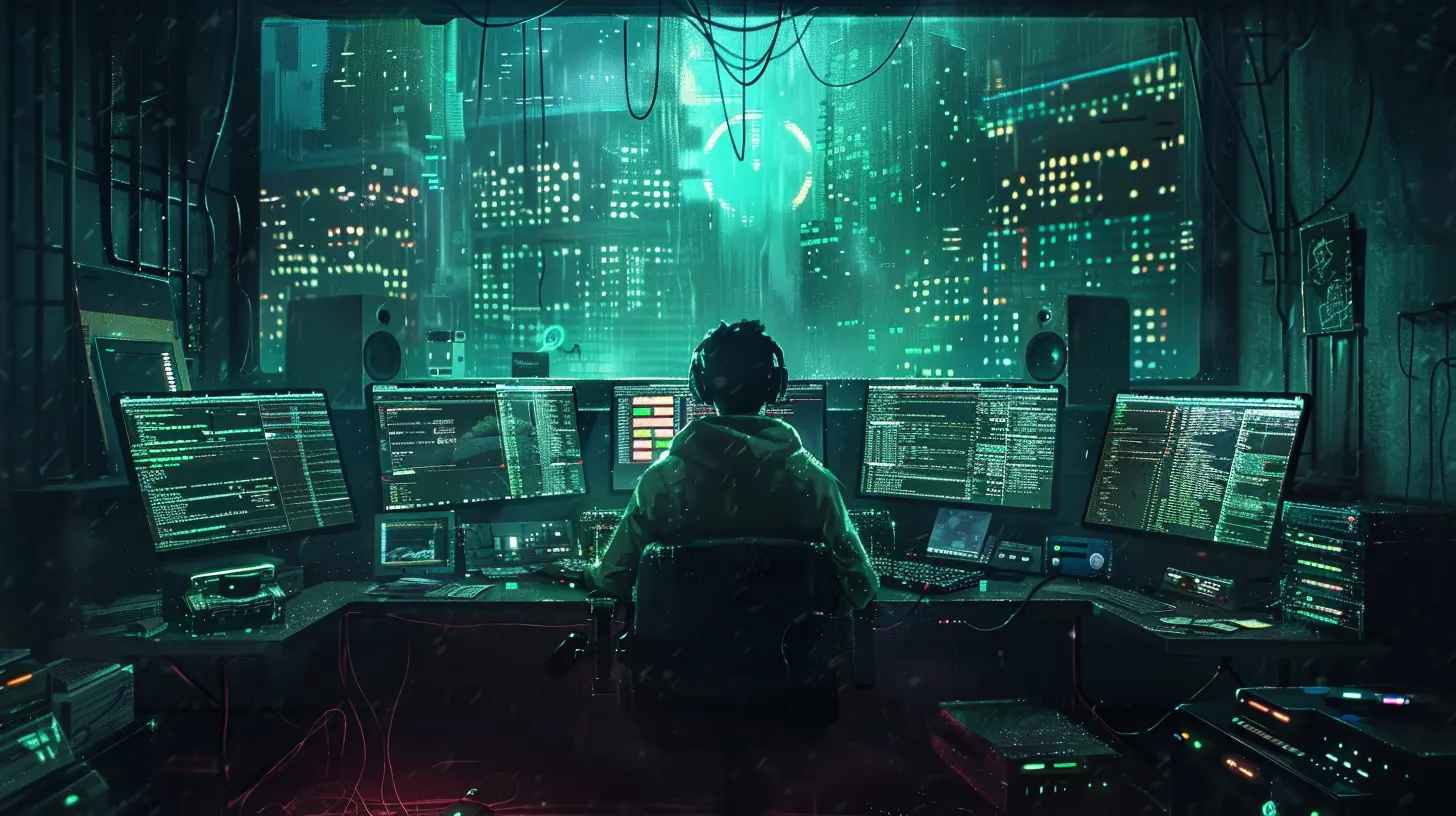
Back in the '80s and early '90s, game developers worked with serious hardware restrictions. The NES sound chip, for example, could only handle a few channels at once. That meant composers had to get creative—a whole song might only have three notes playing at the same time.But here's the kicker—those limitations didn’t stifle creativity. They supercharged it.
Composers like Koji Kondo (think Mario and Zelda) and Nobuo Uematsu (of Final Fantasy fame) didn’t just make background music. They created hooks so catchy, they stuck in your head like your favorite pop song. And because they had to be short, looping, and non-intrusive, they were essentially writing the first blueprint for modern dynamic game music.
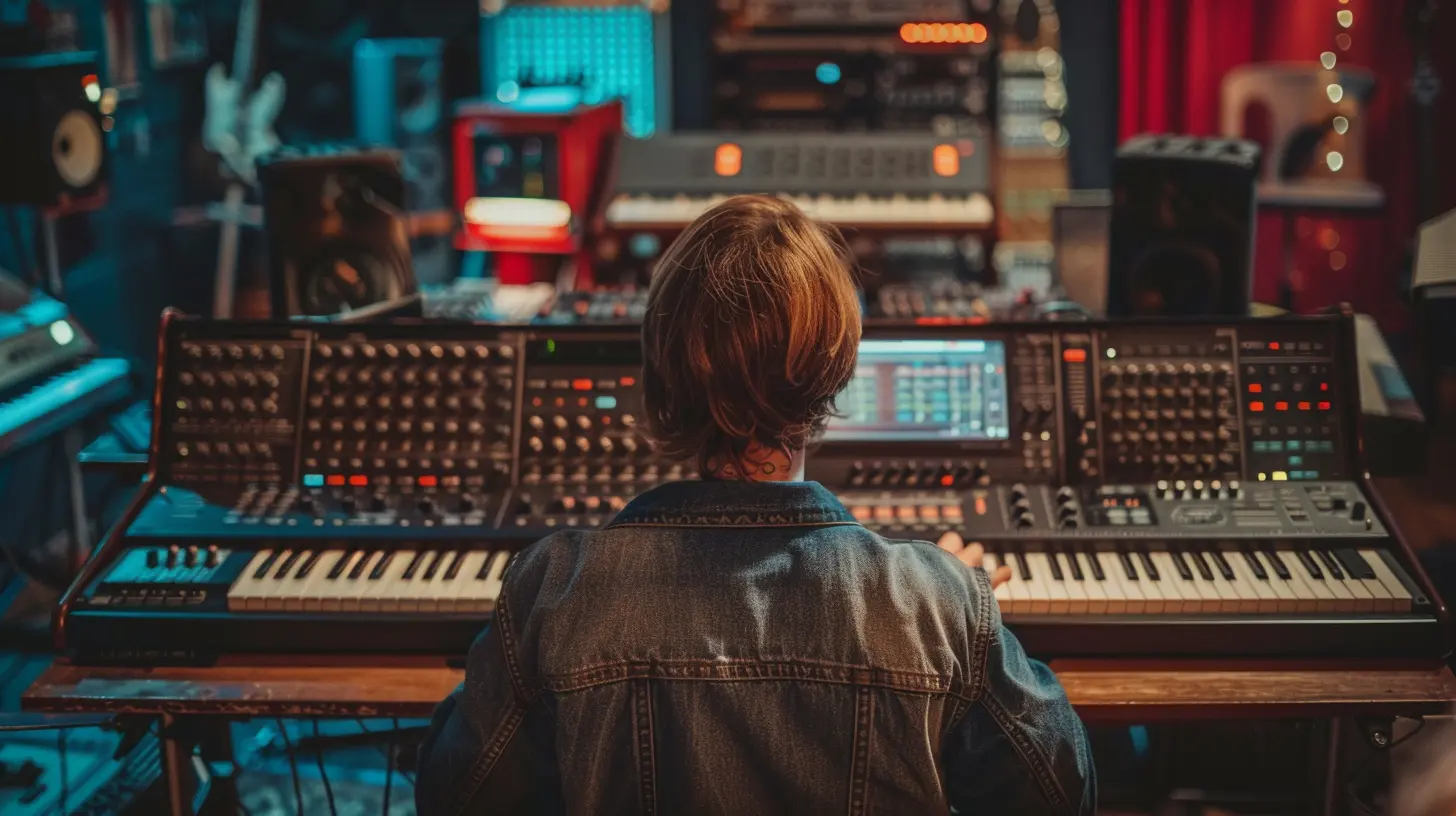
The Power of Melody: Why Simplicity Wins
Games back then didn’t have high-end orchestras or studio-level mixing. What they did have, though, were insanely memorable melodies. Melody was king.Let’s be honest—if you hummed the underground theme from Mario just now, you're not alone. That’s the power of melody-driven composition. It’s why today’s sound designers often come back to those early techniques. Even in big-budget games now, when they want to emotionally hook a player, they go back to strong themes and melodic motifs.
It’s kind of like how a great logo sticks in your brain better than a paragraph of text. A strong melody acts like a musical logo—it brands the game in your memory.
Emotional Engagement: From Beeps to Tears
Back in the day, music had to do a lot with very little. With no voice acting and limited visuals, the music had to carry the emotional weight. That’s why early soundtracks were so bold—they had to be!Fast forward to modern gaming, and emotional engagement is still the #1 goal. But now, sound design is layered and complex. It includes ambient sounds, voiceovers, adaptive music, and cinematic scores. And guess what? That emotional storytelling DNA comes straight from the classics.
Games like Journey, Celeste, and Undertale use modern tech but channel that same raw emotion that early game music delivered, proving that even with today’s tech, it’s still about the feels.

Looping Patterns and Adaptive Audio: It's All Connected
Remember how those old game songs looped seamlessly because the tech couldn’t handle long tracks? That design element actually shaped how audio functions today.Modern game soundtracks are often adaptive, meaning they change based on what you’re doing. Entering combat? The music intensifies. Solving a puzzle? It softens and becomes more ambient. This concept was born from loop-based compositions in early gaming. Today, those loops have evolved into dynamic layers that shift with gameplay, but the core idea remains the same: the music reacts to you.
And that’s brilliant, right? It’s like having a personal soundtrack conductor following your every move.
Chiptune Revival and Indie Influence
Chiptune, the retro style based on the sound of early video game consoles, has made a massive comeback—not just for nostalgia, but as a genuine artistic choice. Why? Because it’s simple, honest, and emotional.Indie developers in particular have embraced it fully. Games like Shovel Knight and FEZ use chiptune-inspired tracks that not only pay tribute to the classics but also push the style forward with modern tools.
These soundtracks prove that early game music isn’t just influencing AAA titles—it's shaping the sonic identity of entire game genres all over again.
Teaching New Dogs Old Tricks: The Composer’s Playbook
Ask any modern video game composer where they got their start, and odds are you’ll hear names like Mega Man, Castlevania, or Chrono Trigger pop up. Those games weren’t just fun—they were musical masterclasses.Today’s sound designers often revisit those golden-age soundtracks to study structure, mood, and musical economy. There’s a whole generation of audio professionals who learned their craft through breaking down chiptunes, understanding why they worked, and then building on that.
It’s like learning to paint by first copying the classics—you master your brushstrokes, then paint your own masterpiece.
Big Budget, Bigger Influence
Even in today’s massive blockbuster titles, the influence of early game music is everywhere. Think about the minimalistic, hypnotic tones of Minecraft or the iconic danger cue in Resident Evil. These sound cues are descendants of the alert tones, boss music, and level jingles of the 8-bit era.Big studios often incorporate retro flourishes in modern soundtracks—not just because they sound cool, but because they work. They spark nostalgia, trigger emotion, and ground the player in the experience. It’s the audio equivalent of comfort food.
Modern Tools, Classic Spirit
We've come a long way from 3-channel sound chips. Today’s composers have entire orchestras, digital audio workstations, and AI-powered sound generators at their fingertips. But even with all this tech, the spirit of early game music lives on.Sound designers still start small—often with a keyboard, a simple melody, a core rhythm. Why? Because at the heart of every great game soundtrack is a tune you can hum, a moment that moves you, and a sound that feels like home.
The Psychological Edge of Music in Games
Want to know something wild? Game music actually rewires your brain. Studies have shown that repetitive music loops (like in early games) can help with focus, memory retention, and even reduce anxiety. That’s one reason lo-fi beats to “study/relax to” borrow so heavily from SNES-era music textures.So, game music from the early days wasn’t just filler—it was functional. And today’s sound designers are tapping into that psychological power more than ever.
A Love Letter to the Pioneers
We wouldn’t have orchestral epics in God of War or atmospheric genius in Hollow Knight if it weren’t for the composers who worked with what little they had but created magic nonetheless.Let’s give a nod to the ones who started it all—Yuzo Koshiro, Koji Kondo, Nobuo Uematsu, and the countless unsung heroes who turned limitations into legacy.
They didn’t just write music. They created emotion, planted memories, and paved the way for the soundscapes we now take for granted.
So, What’s Next?
The legacy of early game music is far from over. If anything, it's more relevant than ever. As we move into VR, AR, and interactive storytelling, sound design will only grow in importance. And guess what? Those classic principles—melody, emotion, and adaptability—will still be guiding the way.Whether it’s a nostalgic riff in a boss battle or a subtle melodic cue in a first-person mystery game, you can hear echoes of the past in every modern masterpiece. The legacy isn't just alive—it's thriving.
Final Thoughts: Why This Legacy Matters
Early game music taught us that sound can shape emotion, guide gameplay, and make a game unforgettable. It wasn’t about fancy instruments or production value—it was about heart, creativity, and making the most of what you had.Today’s sound design might be bigger and more complex, but the foundation remains the same. Those beeps and bloops were more than just noise—they were building blocks for an entire industry.
So whether you’re an indie dev, a gamer, or a music lover, give those early tracks another listen—you’ll hear the roots of today’s most epic soundscapes echoing in every note.
all images in this post were generated using AI tools
Category:
Game SoundtracksAuthor:

Audrey McGhee
Discussion
rate this article
2 comments
Kendra Wilkerson
Great insights! Early game music truly shaped today’s sound design.
April 17, 2026 at 4:59 PM
Audrey McGhee
I'm glad you enjoyed it! Early game music really laid the foundation for so much of what we hear today.
Shelby Reyes
Echoes of the 8-bit era linger in today's soundscapes, whispering secrets of nostalgia and innovation. As we explore the legacy of early game music, one must wonder: what hidden paths in game design still resonate with the melodies of our past? The answer might just redefine our gaming experiences.
April 17, 2026 at 3:43 AM
Audrey McGhee
Absolutely. The influence of early game music shapes modern sound design in ways we often overlook. By revisiting those melodies, we can unlock new creative directions and deepen our gaming experiences.