Why Ambient Scores Are Essential in Open World Games
18 May 2026
Picture this: You’re climbing a misty mountain in your favorite open-world game. The wind howls. Birds call from distant trees. A faint, haunting melody hums quietly beneath the soundscape. Nothing is happening—yet everything is happening. That subtle audio thread tying the moment together? That’s the ambient score whispering in your ear, and it's more powerful than you think.
Yeah, we all talk about gameplay mechanics, graphics, storylines, and that sweet loot. But have you ever sat back and asked yourself: “Why does this world feel so alive, even when I’m just walking through a forest?” The answer, my friend, lies in the ambient score.
In this deep dive, let’s unravel the magic of ambient music in open-world games—why it matters, how it works, and why it might just be the unsung hero of gaming immersion.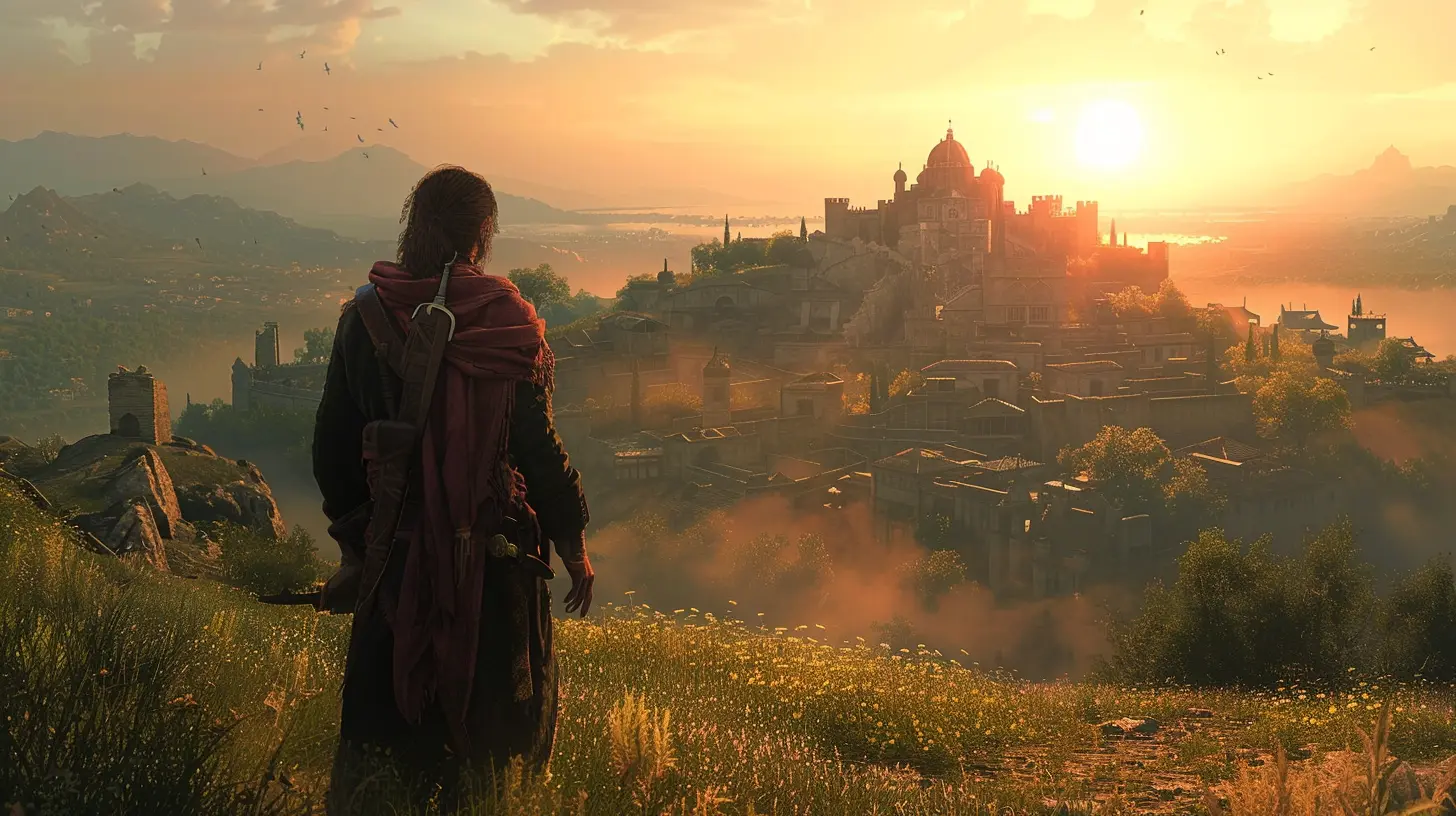
The Soul Beneath the Silence
Ambient scores aren’t flashy like main themes. They don’t always have strong beats or catchy melodies you hum in your sleep. Nope, they’re subtle. Sometimes, you don’t even notice they’re there—until they stop.But here’s the kicker: they are always doing something. They stretch across your journey like sonic glue, binding together the scenery, the mood, and the player’s mindset. When composed effectively, these scores fill the gaps between action-packed moments and give emotional weight to exploration.
Remember the first time you wandered aimlessly in The Elder Scrolls V: Skyrim? That warm, melancholic hum? That’s Jeremy Soule’s ambient work gently nudging your soul. It doesn’t yell, “Hey, feel something!” It whispers, and you listen with your whole body.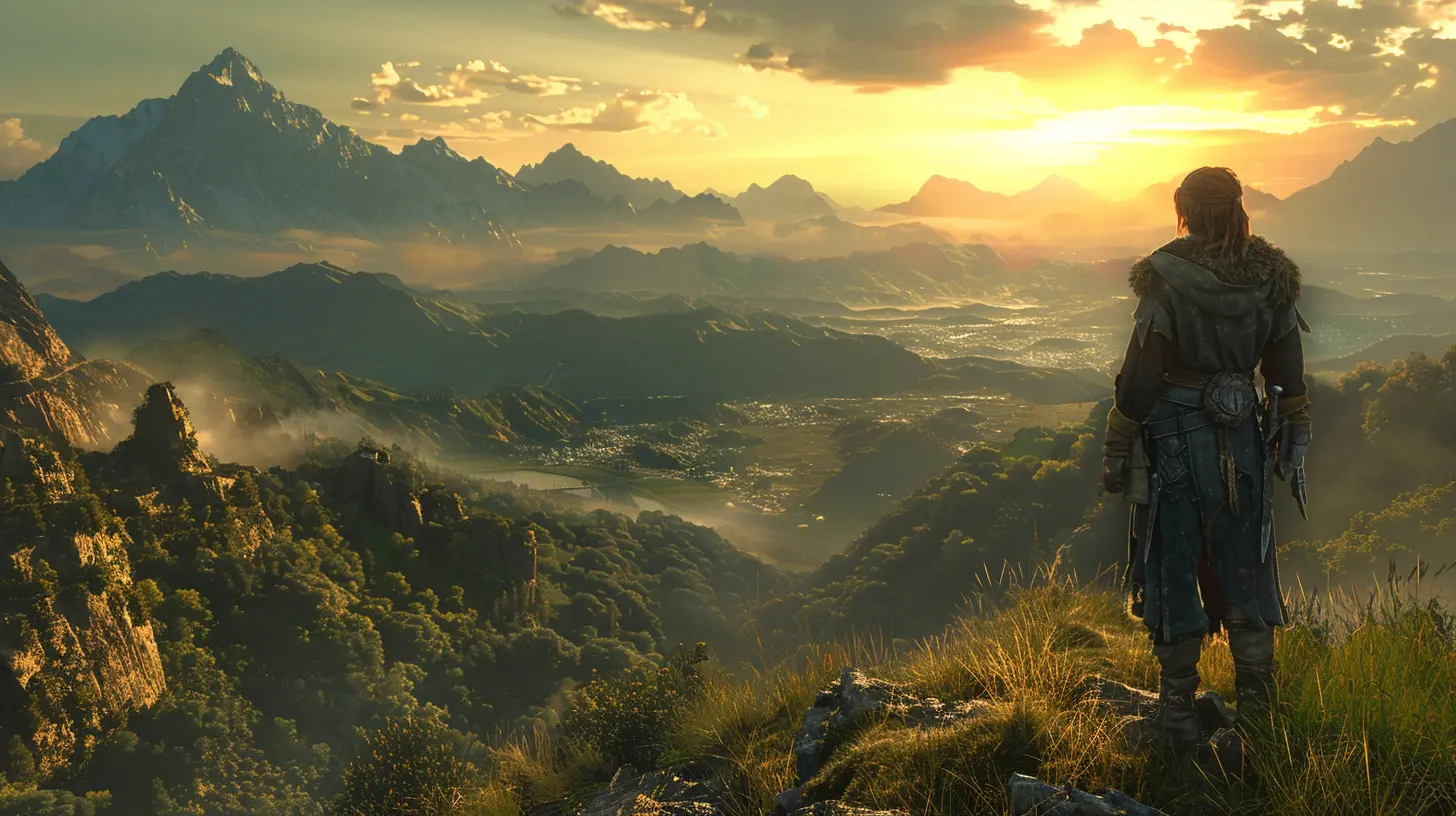
What Exactly Is an Ambient Score?
Let’s get some clarity here. We’re not talking about the “battle music” or the “main theme.” Ambient scores are the subtle, often instrumental background tracks that play during exploration or downtime. They mimic the natural environment—swirling winds, distant flutes, soft strings, eerie tones.They’re designed to blend with the soundscape rather than dominate it. Think of them as an invisible emotional narrator. Not telling you what's happening, but how to feel about what's happening.
There’s no fast beat, no climax, no chorus. Just atmosphere. It’s like fog for your ears—it shapes the vibe without drawing attention to itself.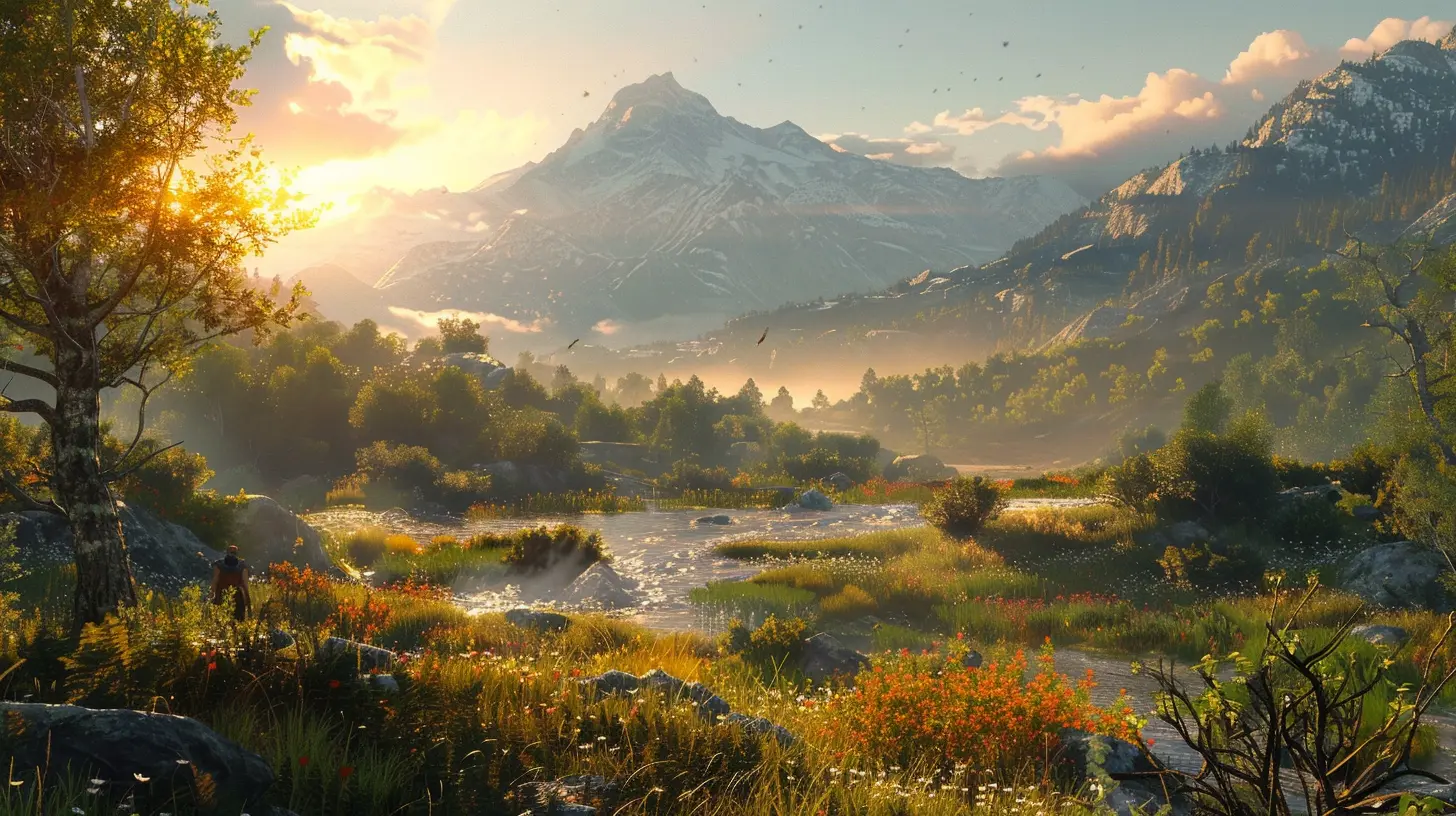
Creating Immersion Without Saying a Word
Immersion is one of those gaming holy grails, right? That feeling when you forget you’re sitting on your couch and feel like you’re inside the game? Ambient scores are key players in that illusion.Unlike linear games that rely on set pieces, open-world games let you create your own narrative. Ambient music provides the scaffolding for those personal stories. It follows your pace, whether you’re sprinting through a desert or just fishing by the lake. It doesn’t dictate—it dances along with you.
Take The Legend of Zelda: Breath of the Wild. You could spend hours doing nothing more than cooking mushrooms and taming horses, yet the minimalistic piano notes in the background give weight to your actions. They say, “What you’re doing matters,” even when there’s no objective in sight.
Mood Setting Like a Cinematic Ninja
Let’s talk mood-setting because ambient scores are straight-up ninjas at this. They sneak into your emotions and twist the dial behind the scenes.- Tension: Walking through a dark cave in Red Dead Redemption 2, you hear a low rumble. You don’t see danger, but you feel it.
- Wonder: Climbing a sun-drenched hill in Horizon Zero Dawn, a gentle synth kicks in, and suddenly the view hits harder.
- Calm: Roaming the open waters in Assassin’s Creed IV: Black Flag, a slow hymn fades in, and you feel—oddly—at peace.
It’s emotional storytelling without a single word. Ambient scores don’t just support your journey. They elevate it.
Player-Driven Narratives Need Emotional Anchors
Here’s the thing about open-world games—they’re big, unpredictable playgrounds. No two players take the same path. That freedom is awesome, but it comes with a twist: traditional storytelling methods don’t always work.Enter the ambient score.
Since developers can’t predict your every move, ambient music acts as a flexible emotional anchor. It reacts to the environment more than your exact actions. Think of it like a chameleon. In foggy woods, it turns shadowy and tense. In snowy peaks, it becomes sparse and icy.
It doesn’t need to know your story to deepen it. That’s power.
Dynamic Music Systems: The Future of Ambient Scoring?
Now, let’s geek out for a second. Technology is taking ambient scores to a whole new level with dynamic music systems. These aren't just pre-recorded loops. They shift in real-time based on your location, weather, time of day, or nearby threats.Ghost of Tsushima nailed this. As you ride through fields, the music subtly changes depending on the region. At night? More somber. During combat? Tension rises. Just exploring? Peaceful strings float in and out.
The result? An emotional rollercoaster that matches your gameplay tempo. You’re not just playing the game—you’re performing it with the score as your silent partner.
When It's Missing, You Notice
You don’t appreciate air conditioning until it breaks, right? Same deal here.Ever played an open-world game where the world felt... dead? Like, technically everything’s there—quests, landscapes, NPCs—but it just doesn’t click?
Chances are, the ambient music was either poorly designed or missing entirely. Without that sonic backbone, the world feels shallow. The magic fizzles out. It’s like watching a silent film with the volume accidentally muted.
The ambient score is what brings emotional continuity. It’s the invisible thread connecting hours of exploration. Without it, the world becomes just pixels and polygons.
Composers: The Unsung Architects of Emotion
Let’s give some flowers to the composers, shall we?These folks are basically emotional architects. They don’t just create music; they craft entire moods. Every synth swell, every string pluck, every whispered note—it all serves a purpose.
Names like Jessica Curry (Everybody's Gone to the Rapture), Darren Korb (Hades, Transistor), and Austin Wintory (Journey) have pushed the boundaries of what ambient scores can be. Their work doesn’t just accompany gameplay—it shapes how we feel about the world itself.
Ambient Scores Can Be Therapeutic
Yeah, I’m going there.Many gamers report using open-world games to unwind, fight anxiety, or just escape real life for a while. And ambient music plays a massive role in that emotional escape.
Ever notice how some ambient game tracks find their way into focus playlists, meditation sessions, or even sleep apps? That’s no coincidence. These scores are crafted to calm, soothe, and sometimes heal.
They’re not just game music—they're therapy wrapped in headphones.
Nostalgia Hits Harder With Ambient Tracks
You know that weird emotional gut-punch you feel when you hear a familiar tune from a game you haven’t played in years? That’s nostalgia kicking into high gear—and ambient tracks are ninjas at triggering it.Why? Because they loop quietly in the background during those long, meaningful hours of gameplay. When you’re stuck on a mountain, lost in a cave, or watching a sunset from a cliff—those tunes become the emotional soundtrack to your personal memories in that world.
Later, when you hear them again? Boom. Instant time travel.
Conclusion: The Silent Heartbeat of Open Worlds
So, why are ambient scores essential in open world games?Because they are the silent heartbeat of every landscape, every journey, every quiet moment of awe. They don’t crave the spotlight, but without them, the magic simply doesn’t land. They shape moods, amplify emotions, and make vast digital worlds feel intimate and alive.
Ambient scores are the invisible storytellers walking beside you, note by note, as you forge your own path.
Next time you boot up an open-world game and step into that boundless digital horizon, do yourself a favor—pause for a second. Just listen.
You might realize that the music has been there for you all along.
all images in this post were generated using AI tools
Category:
Game SoundtracksAuthor:

Audrey McGhee
Discussion
rate this article
2 comments
Ace Hahn
Ambient scores are crucial in open world games as they enhance immersion, create emotional depth, and enrich storytelling. They subtly guide players' experiences, making the environment feel alive and inviting exploration beyond mere gameplay mechanics.
July 8, 2026 at 2:53 PM
Audrey McGhee
I completely agree. Ambient scores truly transform the player experience, adding layers of emotion and depth that make the world feel vibrant and alive.
Oriana McVicker
Great insights! Ambient scores truly enhance immersion and emotional depth, making open world experiences more engaging for players. Keep it up!
May 23, 2026 at 3:44 AM
Audrey McGhee
Thanks for the kind words! I'm glad you found the insights valuable. Ambient scores really do elevate the experience in open world games.