How Cultural Influences Shape Game Music Around the World
23 April 2026
Video games have come a long way since the pixelated blips and bleeps of the arcade era. Today’s games aren’t just something you play — they’re something you experience. And one of the most powerful tools used to craft those immersive worlds? Music.
But here’s the thing: Game music isn’t just random background noise. It’s a cultural cocktail. Every note, rhythm, and instrument used in game soundtracks is often deeply influenced by the culture it represents — or the culture of the people creating it.
In this article, we’re diving into how cultural influences shape game music around the world. So, grab your headphones and let’s tune into the global beat of gaming.
The Global Soundtrack of Gaming
Ever noticed how the soundtrack of a Japanese RPG feels different from that of an American first-person shooter? That’s no accident. Game music is like a passport — it carries the vibe of its origin story.Think of game composers as musical chefs. They gather local spices (instruments, rhythms, scales) and mix them into a digital feast that complements the gameplay. The end result? A unique blend of storytelling and sound that mirrors the culture it's drawn from.
Let’s break this down by looking at how different regions influence the music behind some of our favorite games.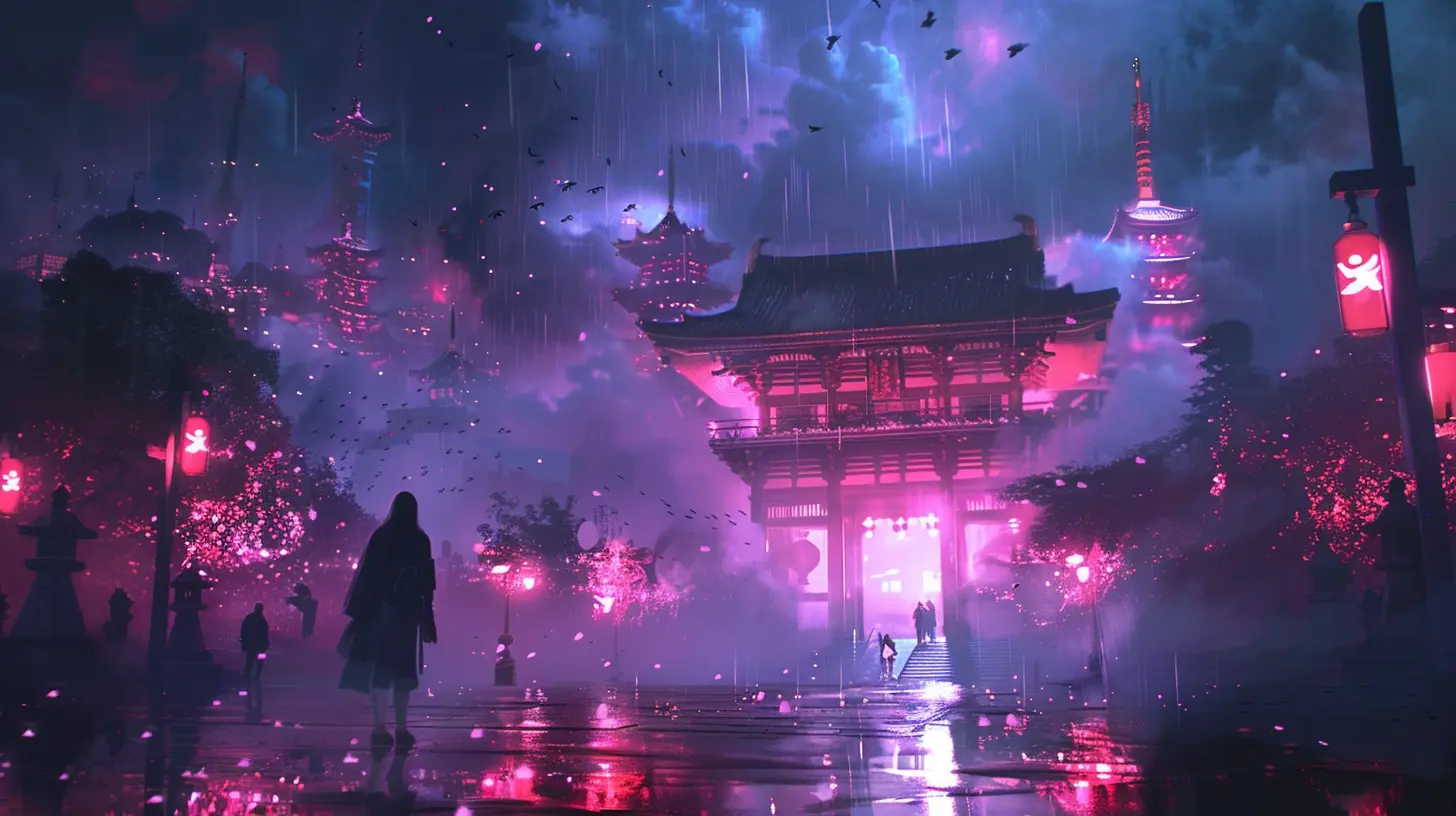
Japan: The Soul of the RPG Soundscape
Let’s start with Japan, often considered the spiritual home of video game music. Ever played a Final Fantasy game? Then you've already felt the emotional impact of Nobuo Uematsu's iconic compositions.Traditional Meets Modern
Japanese game music often draws from traditional Japanese instruments like:- Shakuhachi (bamboo flute)
- Koto (13-string zither)
- Taiko drums
These instruments are frequently combined with Western orchestration — a metaphorical East-meets-West jam session. The result? A sound that's at once ancient and futuristic, emotional yet action-packed.
Storytelling Through Sound
Japanese game music leans heavily on melodic storytelling. The themes are often character-driven, subtle, and deeply emotional. If you’ve cried during a cutscene in a JRPG, you probably have the soundtrack to blame.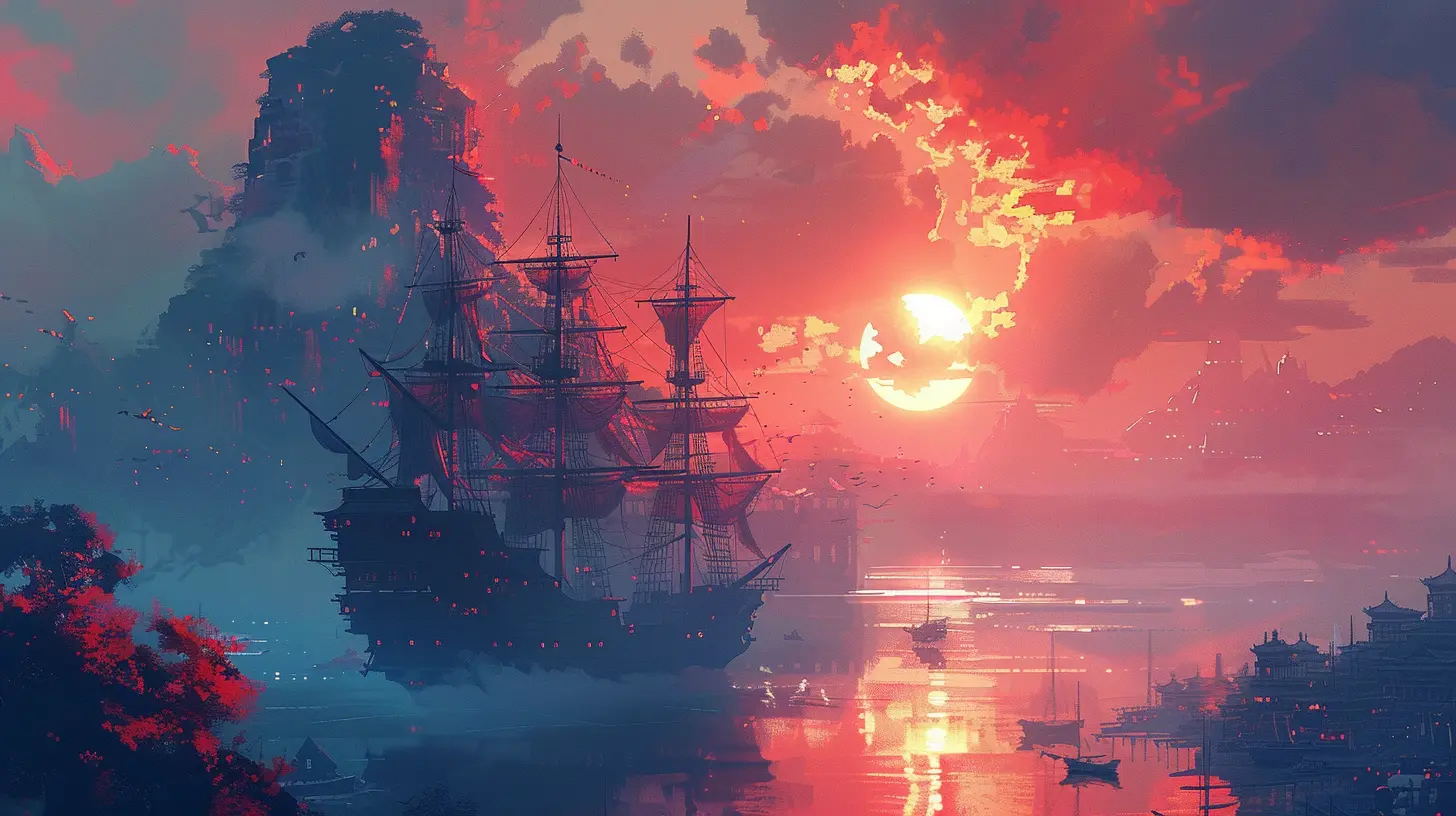
The West: Cinematic and Bombastic
When it comes to Western game music — we’re talking the U.S., Canada, and parts of Europe — the vibe shifts. Here, think Hollywood influence. Big scores. Orchestras that would make Beethoven do a double take.Movie-Like Scores
Games like The Last of Us, Halo, and Red Dead Redemption feel like they belong on the silver screen. That’s not surprising since many composers come from or dabble in the film industry. The goal? To enhance emotional depth and scale with music that feels... epic.Genres and Grit
Western game music also tends to reflect its broader pop culture. So don’t be surprised if you hear:- Rock guitar riffs in action games
- Hip hop beats in sports sims
- Moody synths in dystopian sci-fi games
It’s a cultural echo — mirroring what’s popular in Western music at the time.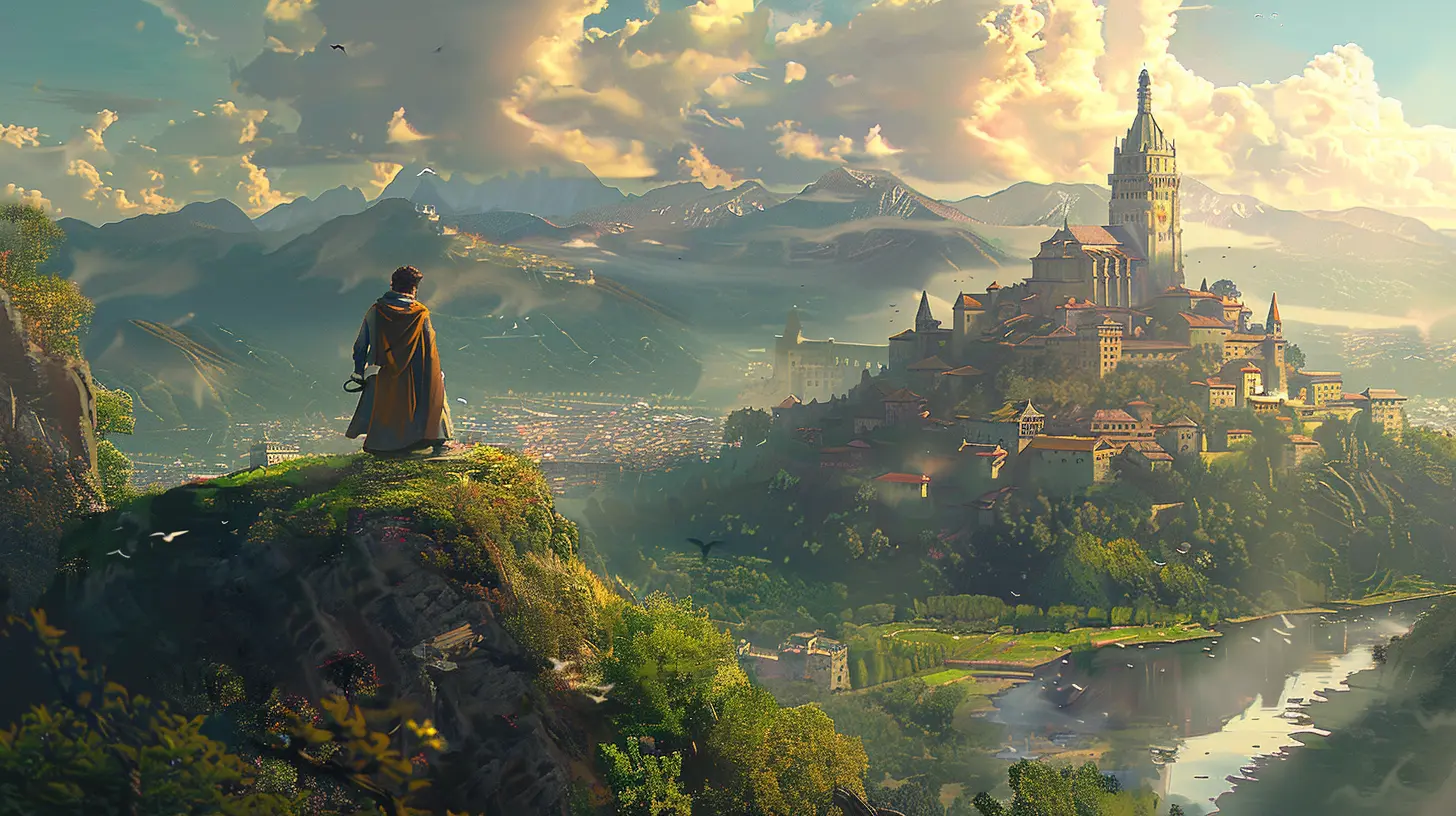
Latin America: A Rhythmic Revolution
Game development is booming in Latin America, and so is its musical footprint. If you’ve played games like Guacamelee! or Mulaka, you’ve tasted the musical flavors of this diverse region.The Power of Percussion
Latin American music thrives on rhythm. Expect to hear:- Bongos and congas
- Marimbas
- Charangos and pan flutes
These instruments inject energy and local flavor into gameplay, creating soundscapes that are full of movement and life.
Celebrating Indigenous Roots
Another standout feature is how many Latin American games draw from indigenous cultures. They showcase native myths and musical traditions that were ignored or erased for centuries. Now, they're becoming central to the gaming experience — and we’re 100% here for it.The Middle East: Melodic Mystique
Middle Eastern music is all about mood and mystery. You can hear these cultural underpinnings in games like Prince of Persia and Assassin’s Creed Origins.Unique Scales and Modes
Middle Eastern music often employs:- Microtones — notes between the notes you’re used to
- Maqams — scales that convey specific emotions and spiritual tones
These tonal quirks give Middle Eastern game soundtracks a mystical, otherworldly feel that suits epic myths and ancient landscapes.
Instruments That Tell Stories
Don’t be surprised if you spot traditional instruments like the oud, qanun, or ney in a game set in or inspired by this region. They add authenticity and depth to the in-game universe, creating a soundtrack that’s as immersive as the story itself.Africa: A Rising Musical Force in Gaming
African music is rich, vibrant, and incredibly diverse — and finally, it’s starting to get more attention in the gaming world. Indie developers and mainstream studios alike are tapping into its cultural power.Polyrhythms and Percussion Powerhouses
African music often thrives on polyrhythms — multiple rhythms happening at once. It’s complex, infectious, and incredibly adaptive to gameplay.Games like Orisha, inspired by Yoruba spirituality and culture, showcase African drums, chants, and folk melodies in ways that feel alive and dynamic.
A Deep Spiritual and Storytelling Tradition
African cultures often use music as part of storytelling — in ceremonies, rituals, and oral histories. Bringing that into gaming isn't just about adding cool sound effects. It’s about embedding meaning into the very fabric of the game.Europe: A Classical Core with Modern Flair
Europe has given the world Mozart, Beethoven, and now...video game soundtracks? Yep. European developers often bring a heavy classical influence, with composers who are trained in conservatories and steeped in centuries of musical tradition.Orchestral Elegance
Games from studios in Germany, France, and the UK often feature rich orchestration. Think:- Full symphonies
- Choirs
- Baroque and Romantic influences
Games like The Witcher 3 by Polish studio CD Projekt Red blend Slavic folk music with cinematic orchestration for a uniquely grounded fantasy vibe.
Folk Traditions and Regional Flavors
Don’t overlook the folk side of things, either. Nordic games often incorporate Viking chants, Scandinavian instruments, and runic rhythms. It’s all about staying true to your roots while building fictional worlds that feel authentic.The Role of Globalization in Game Music
Now, here’s something interesting. As game development grows more international, we’re seeing more fusion in game music too.It's not unusual for a Japanese studio to hire an American composer to score a game set in Africa using Middle Eastern instruments. Wait, what?
Yep — welcome to the crazy, creative world of globalized gaming.
Pros and Cons of Cultural Mashups
This cultural melting pot can lead to amazing results — new sounds, fresh takes, cross-cultural appreciation. But it also comes with risks like:- Cultural appropriation
- Inauthentic or shallow representations
- Stereotyping
So, when game composers dip into another culture’s musical toolbox, it’s important they do their research, consult cultural experts, and treat the traditions with respect. When done right, it’s a beautiful act of musical diplomacy.
How Players Respond to Culturally Driven Soundtracks
This might shock you, but gamers care about good music. Like, a lot. Some players even buy soundtracks separately just to relive the experience.Emotional Connection
Music creates emotional anchors — it tells you what to feel and when. A culturally authentic soundtrack doesn’t just sound good. It helps you connect more deeply with the world, the characters, and the story arc.Immersion and Identity
When a game’s music is deeply aligned with its cultural setting, players feel more immersed. And for players from underrepresented cultures, hearing their musical heritage in a game can be super empowering. It says: “Hey, your story matters. Your music matters.”Indie Developers Are Leading the Cultural Charge
Want to know where the real experimentation is happening? Look no further than indie games.Indie devs aren’t afraid to break the mold. They're blending genres, experimenting with non-Western instruments, and collaborating with musicians around the world. Some standout examples?
- Never Alone (Alaska Native stories and music)
- Raji: An Ancient Epic (Indian mythology and classical instruments)
- Sable (ambient, North African-inspired soundscapes)
These games aren’t just playable — they’re musical journeys.
Final Thoughts: Music Is the Heartbeat of Global Gaming
Let’s face it — game music is doing some serious heavy lifting. It’s not just background noise; it’s cultural storytelling. It sets the emotional tone, amplifies the narrative, and connects players to unfamiliar worlds with familiar sounds.As the gaming industry gets more diverse and global, the soundtracks are bound to evolve in even more exciting directions. Whether it’s a haunting flute from China, a pounding drum from Ghana, or a folk melody from Eastern Europe, each note has a story to tell.
So next time you fire up a new game, pause for a second and listen. You’re hearing the world — one level at a time.
all images in this post were generated using AI tools
Category:
Game SoundtracksAuthor:

Audrey McGhee
Discussion
rate this article
2 comments
Gunner Collins
Love how diverse sounds enhance gaming experiences globally!
May 18, 2026 at 4:25 AM
Audrey McGhee
I'm glad you feel that way! Diversity in sound truly brings unique perspectives and emotions to gaming.
Silas McPhail
Game music is a global mixtape, blending traditions and vibes. From tribal beats to techno bangers, it's not just background noise; it's a cultural conversation that slaps harder than your favorite playlist. Turn it up!
May 15, 2026 at 3:02 AM
Audrey McGhee
Absolutely! Game music really captures diverse cultures and sounds, creating a unique experience that resonates with everyone. It's an art form that connects us all.