When Silence Is Louder Than Sound in Game Design
22 June 2026
In a world where every moment is filled with noise—be it gunfire, epic soundtracks, or frenzied button mashing—it might sound strange to say that silence speaks volumes in video games. But yeah, it really does.
Silence in game design isn't just the absence of noise. Nope, it's a deliberate tool, a design choice that can heighten tension, create atmosphere, and tell stories in ways dialogue and soundtracks simply can't. It's like when you're watching a horror movie and the music cuts out… you know something's about to go down. In gaming, silence does the same thing—and often, it does it better.
So, let’s dive into why sometimes holding back sound can actually pack the biggest punch.
The Power of Silence: More Than Just Empty Space
Let’s start by getting something straight—silence doesn't mean nothing is happening. In game design, silence is often loaded with meaning. Whether it's in a creepy hallway in a survival horror game or a moment of reflection in a narrative-driven title, silence gives players room to breathe, think, and feel.Think of it like white space in graphic design. Without it, everything feels too busy. With it? Everything pops.
It Builds Tension Like Nothing Else
Ever walked into a quiet room in a game and instantly felt uneasy? Yeah, me too. That’s no accident.Silence is a masterclass in building suspense. Horror games like Silent Hill and Amnesia use silence as a weapon. When there's no soundtrack to guide your emotions or mask subtle sounds, every creak, whisper, or footstep becomes a reason to panic.
The genius here is anticipation. Silence makes your mind race. It forces the player to imagine what might be lurking around the corner. And honestly, our imaginations are often scarier than any jump scare.
Narrative Impact: When Words Aren’t Necessary
Storytelling in games isn’t always about dialogue and cutscenes. Sometimes, the most powerful scenes are the ones with no sound at all.Emotional Weight Through Quiet Moments
Take Journey or Shadow of the Colossus. These games have long stretches where the player is left alone with their thoughts. No music. No talking. Just you, the environment, and the emotional weight of what’s happening. These moments can hit harder than a thousand lines of dialogue.A quiet walk through a desolate world can say more about loss or loneliness than any dramatic monologue. It’s subtle, elegant, and unforgettable.
Giving Players Space to Reflect
Silence gives players a moment to process. After a major boss battle or narrative twist, a few seconds (or minutes) of quiet can offer space to reflect. It’s like a game saying, “Hey, that was intense. Take a moment.”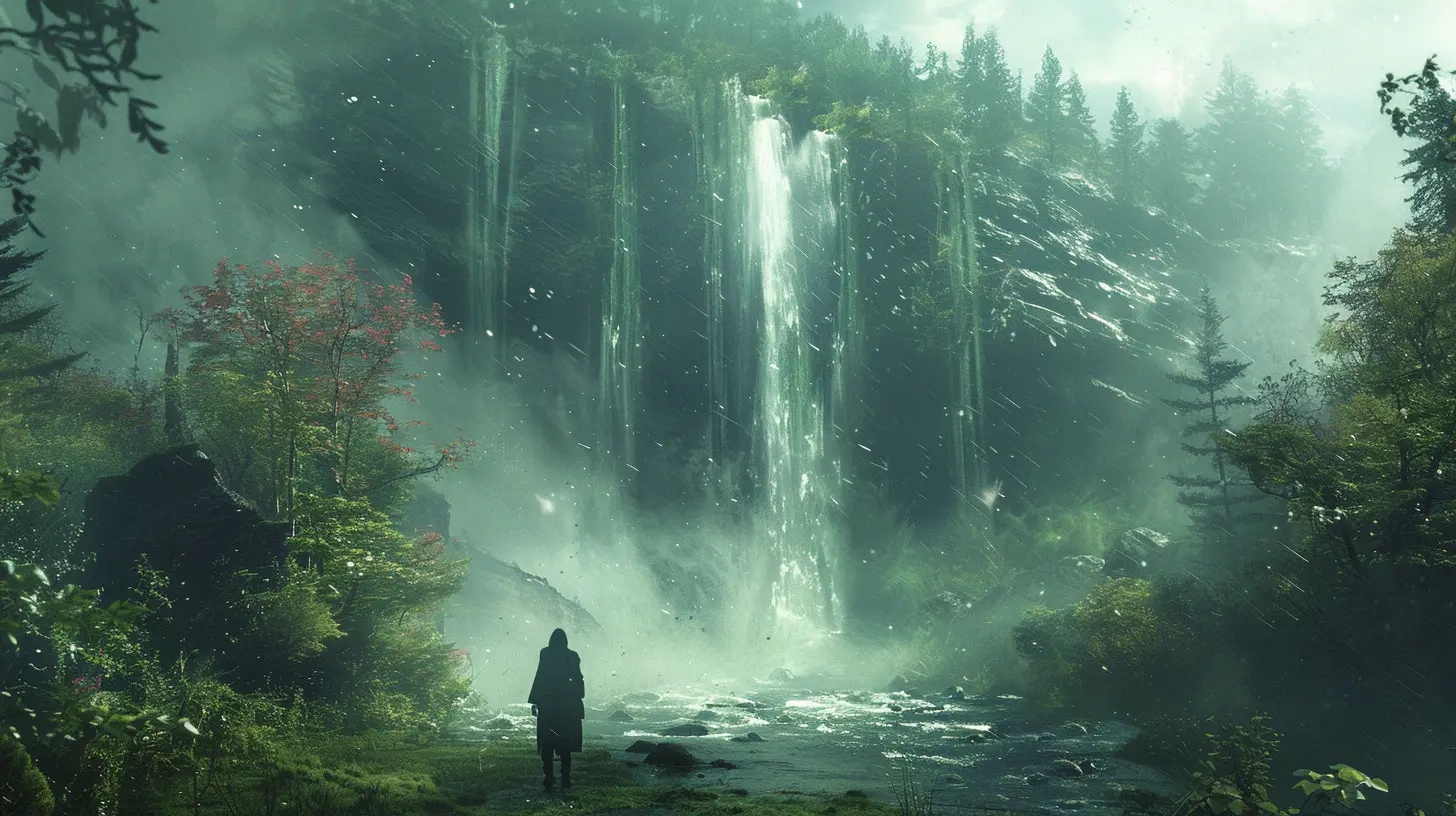
Gameplay Mechanics That Leverage Silence
Sound isn’t just about immersion—it’s also a gameplay mechanic. But here’s the twist: silence is, too.Audio-as-Gameplay, Silence-as-Strategy
In stealth games like The Last of Us or Thief, keeping quiet is literally how you stay alive. But even more than that, the absence of a soundtrack or ambient chatter cranks up the tension. You're not just playing—you're attuned to every footstep, every breath.Some games even mess with you by removing sound when you expect it. Think of when a dramatic cutscene starts, and instead of a bombastic score, it's just… silence. You lean in closer. You pay more attention. That’s smart design.
Signals Without Sound
In minimalist puzzle games or platformers like Inside, silence is part of the language. No tutorials, no voiceovers. Just visual cues and environmental storytelling. You’re forced to notice the little things, and the silence nudges you to play more attentively.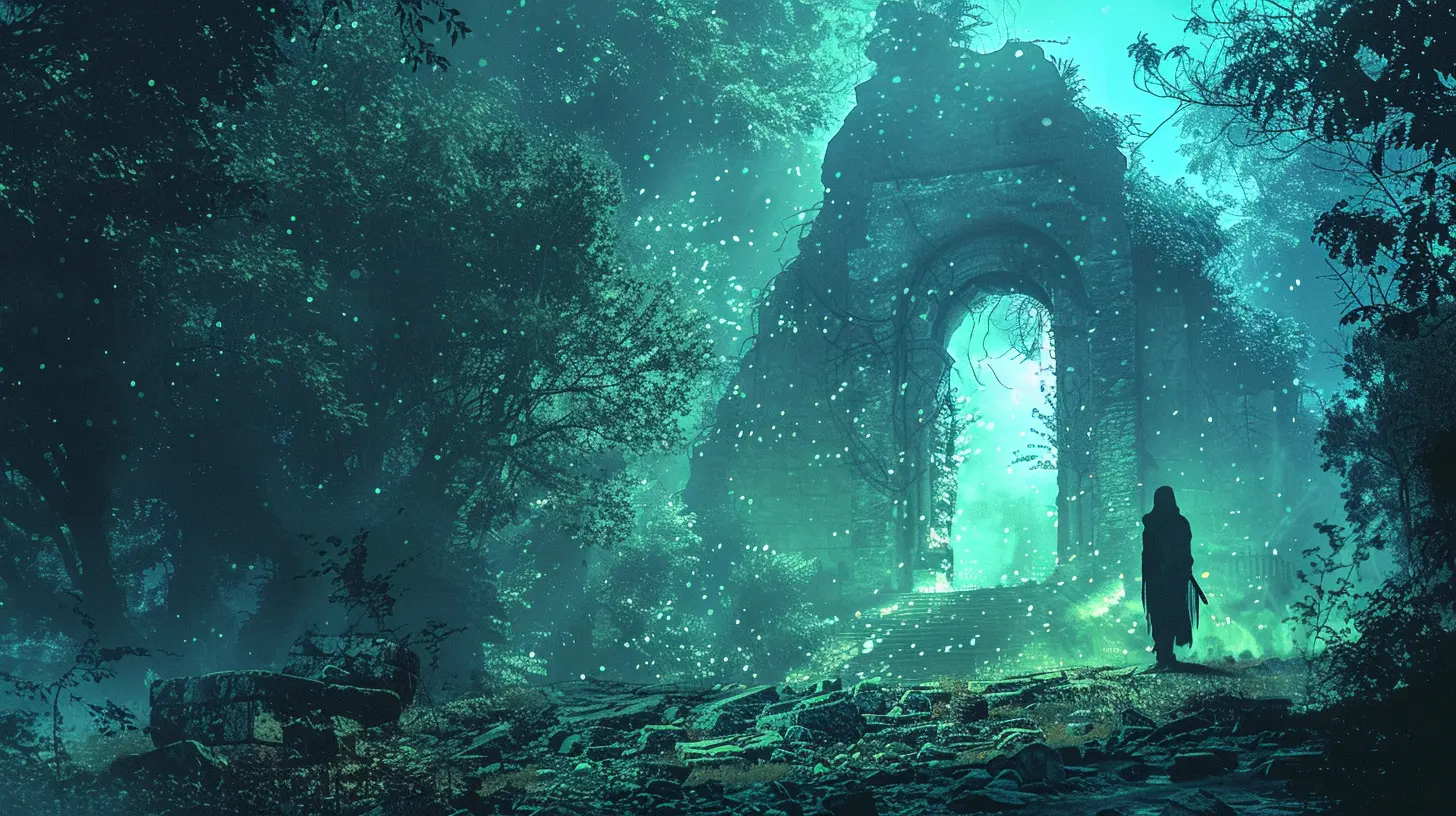
Atmosphere: Silence Sets the Mood
If music sets the tone, silence defines it.Isolation and Immersion
Open-world survival games often use silence to create a feeling of being truly alone. Think The Long Dark or Firewatch. There’s something deeply immersive about hiking through a snowy forest with nothing but the crunch of your boots in the snow.That isolation? It’s not an accident. It’s carefully crafted. The lack of ongoing background music or chatter from NPCs makes you feel alone—in a good, immersive kind of way.
Minimalism with Maximum Impact
Games like Limbo use near-total silence to create a haunting, surreal vibe. You're dropped into a shadowy world where sound is scarce, so the occasional noise—like a trap clicking or a creature stirring—feels intense. It's like hearing a pin drop in a cathedral.Silence as a Curveball: Breaking Player Expectations
Sometimes, silence hits hardest when you least expect it.Subverting the Norm
Imagine a game packed with constant combat and music (cough DOOM Eternal cough), and suddenly everything drops to silence. It’s jarring—but in a good way. That break in the rhythm grabs your attention. It's like a punchline in reverse—you’re listening for the beat to drop, but it never does.Those moments, when used sparingly, can be more memorable than the loudest explosions.
Cultural and Emotional Depth
Silence in games also reflects cultural storytelling and emotional nuance.Eastern Influence
Many Japanese games embrace silence far more than their Western counterparts. Titles like Ico and Okami use silence to underscore spiritual or emotional themes. There's a kind of respect for quiet moments in these games that feels meditative.Accessibility and Inclusivity
Silence also makes space for different kinds of players. Not everyone processes information the same way. Removing overwhelming audio can make a game more accessible to neurodivergent players, or those who prefer a more relaxed experience.Challenges of Using Silence in Game Design
Of course, designing with silence isn’t easy. It takes guts and precision.Risk of Boredom
Let’s be real—if you lean too hard into silence without a purpose, players might just think your game is unfinished or boring. The key? Intentionality. Silence has to serve a function—whether it’s to build tension, deliver emotion, or guide gameplay.Requires Strong Visuals and Design
Without music or dialogue to do the heavy lifting, everything else has to step up. Your level design, animations, and pacing have to be top-tier. If they’re not… silence just feels like a void.Games That Nailed the Use of Silence
Let’s give props where they’re due—some games have absolutely crushed it when it comes to using silence effectively.1. Journey
An emotional rollercoaster where silence allows players to focus on subtle cues and breathtaking visuals. The minimal use of sound makes every interaction feel sacred.2. Inside
This dark platformer builds tension through near-total silence. Combine that with brutal surprises and eerie environments, and you’ve got a game that keeps you on edge without raising its voice.3. Shadow of the Colossus
After every boss fight, there's just silence. No fanfare. No celebration. Just you and the aftermath. It's powerful stuff.4. Silent Hill 2
Ironically named, this horror classic uses silence brilliantly to keep players in a state of constant dread. When the ambient music fades, you know you're in trouble.5. Firewatch
Set in the quiet Wyoming wilderness, Firewatch uses silence to highlight emotional beats and deepen the connection between characters.Final Thoughts: Embracing the Quiet
Silence in game design isn't just a lack of noise—it's a loud choice. It tells players when to think, when to fear, when to feel. It shifts the player from passive consumer to active participant, drawing them deeper into the world and the moment.In a medium where louder often seems better—more explosions, more dialogue, more music—it's refreshing when a game dares to whisper instead of scream.
So next time you're playing and things go quiet, don't reach for the remote. Lean in. Listen closer. Because when silence is louder than sound, that’s when the game is speaking directly to you.
all images in this post were generated using AI tools
Category:
Game SoundtracksAuthor:
Audrey McGhee
Discussion
rate this article
1 comments
Iliana McKibben
Silence can be a powerful tool in game design. It creates tension, heightens emotion, and allows players to reflect on their choices. When used effectively, the absence of sound can resonate far deeper than a loud soundtrack ever could. Embrace the quiet.
July 12, 2026 at 5:06 PM