How Pay to Win Mechanics Influence Player Behavior
12 April 2026
In the vast, pixel-painted landscape of modern video games, one controversial mechanic has woven itself deep into the fabric—Pay to Win, often shortened to P2W. It’s a term that stirs up passionate debates, inspires memes, and splits communities right down the middle. But it also sparks an intriguing question: How Pay to Win mechanics influence player behavior?
Let’s peel back the layers of this digital onion and step into the minds of players navigating virtual worlds where real-world wallets can shift the tides of war.
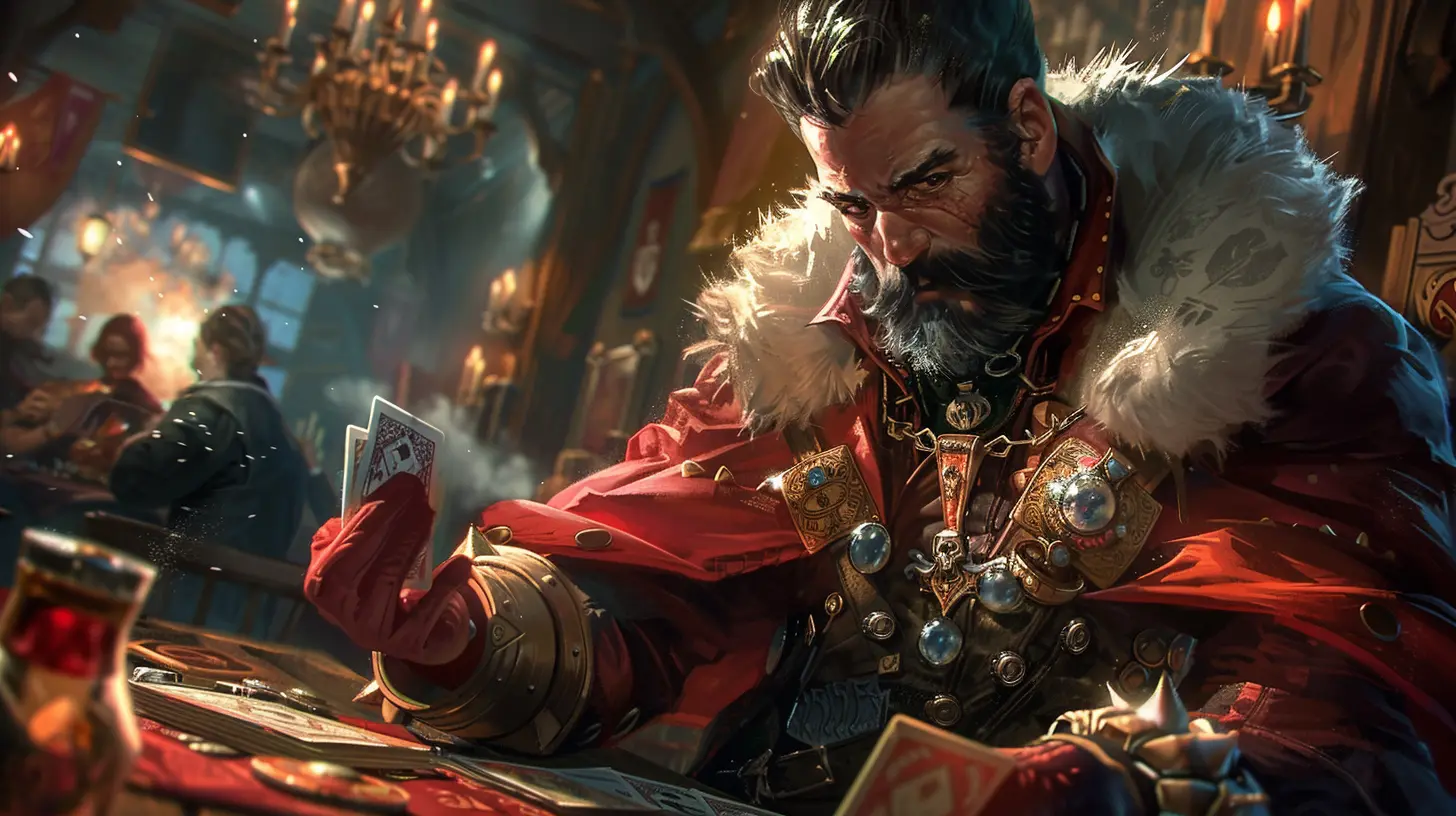
What Does "Pay to Win" Mean Anyway?
Before diving into the psychology and behaviors, let’s quickly define what we’re talking about.Pay to Win refers to games where spending real money leads to tangible advantages in gameplay—better gear, faster progress, stronger characters, or even guaranteed wins. It’s not just cosmetic fluff; it’s performance-enhancing... in the most literal sense.
Think of it like showing up to a go-kart track, and someone else bought a Ferrari with track privileges. Sure, you’re both racing, but are you really?
A Tale of Two Players: The Free and the Funded
To really understand the impact, picture this: Two players log into the same game.One grinds for hours, slaying mobs, completing quests, and saving up in-game currency. The other player? They buy a $50 premium bundle and skip most of the grind, instantly unlocking high-end gear.
Now, ask yourself: Who’s having more fun? Who’s more likely to keep playing? And perhaps more importantly, how does each player feel?
Let’s unpack those feelings.
The Allure of Quick Progress
There’s something intoxicating about fast rewards. When a game dangles power behind a paywall, it tickles that inner “I want it now” voice that lives rent-free in all of us.Dopamine Hits and Digital Shopping Sprees
Pay to Win taps into the same psychological levers as shopping sales or slot machines. It’s instant gratification on digital steroids. You pay, you gain, and boom—your brain lights up like a Christmas tree.But here’s the kicker: That glow is fleeting. And once the feeling fades, players often chase it again… and again.
It becomes a loop: Buy → Win → Boredom → Buy more.
Saving Time or Skipping the Game?
Many players justify P2W purchases by saying they’re just “saving time.” And hey, time is money, right?But guess what? When you skip the grind, you sometimes skip the heart of the game. It’s like fast-forwarding a movie and wondering why the story feels empty.
The Frustration of the Grind
Let’s flip the coin.You’re the free-to-play player. You work hard, play smart, and finally reach a milestone—only to watch someone else breeze past you with a few bucks.
How would you feel?
Burnout and Bitterness on the Battlefield
Games are supposed to be fun. But when effort doesn’t match rewards, frustration creeps in. And P2W can distort that balance.Suddenly, it’s not about skill or strategy—it’s about spending power. That can make even the best-designed games feel unfair. It’s like bringing a knife to a laser gun fight, over and over again.
The Exodus of the Fair-Minded
Over time, many competitive-minded players abandon P2W games altogether. They crave a level playing field—a space where victory is earned, not bought.This is how Pay to Win can poison player communities. It creates a rift where players start seeing each other not as allies or rivals—but as whales and peasants. Yikes.
The Rise of the “Whale”
In the world of P2W, one term you'll hear a lot is “Whale.” It refers to players who spend massive amounts of money—sometimes thousands of dollars—on in-game purchases.Why Do Whales Spend So Much?
It’s not always just about power. For whales, it often becomes a status symbol, almost like wearing designer clothes in a digital world. They want to stand out, dominate, and control the narrative—and they’re willing to pay for it.But this spending behavior affects the entire ecosystem of a game.
The Influence of the Elite
When whales dominate leaderboards, control guilds, or win every PvP match, they reshape the game’s meta. Other players either try to keep up (often by spending themselves) or check out completely.That’s how P2W mechanics nudge regular players toward one of two extremes: join the spenders, or stop playing.
The Evolution of Player Expectations
It’s not all doom and gloom, though. Player behavior constantly adapts. And the gaming community is a lot more aware than it used to be.The Rise of the Skeptical Gamer
Players today ask the hard questions before investing time in a game:- Is it fair?
- Is it truly free-to-play or just free-to-start?
- Will I have to pay to stay competitive?
This increased awareness has led to powerful backlash when developers push the P2W envelope too far. Just look at the infamous Battlefront II loot box scandal. EA had to backpedal fast after public outrage.
Transparent Monetization Wins Hearts
Games that offer fair, transparent systems (like cosmetic-only purchases or optional battle passes) usually earn more respect—and sometimes even more money—than their pay-to-win counterparts.Because when players feel respected, they’re more willing to support the game. It's kind of a beautiful irony, right?
How Game Design Encourages or Discourages P2W Behavior
Developers aren’t innocent bystanders here. The way games are designed hugely impacts how players behave.Incentivizing the Swipe
Some games practically shove the shop in your face. Timers, energy systems, overpowered items—these are all subtle nudges toward pulling out your credit card.It’s a psychological rabbit hole. These mechanics grind you down, and just when you're about to give up, a magical “limited time offer” appears to “help” you.
It’s slick. It's manipulative. And it works.
Giving Power Without Breaking the Game
Other games strike a better balance. They let paying players speed up boring parts (like crafting or travel time) but keep core gameplay skill-based. Think of it like paying for the car wash instead of washing by hand—it saves time but doesn’t make your car drive faster.Such systems preserve competition, and players respect that. They feel like they’re choosing, not being cornered.
Social Dynamics and the P2W Divide
One of the most overlooked aspects is how Pay to Win changes social interactions in games.Guild Tension and Virtual Class Wars
In multiplayer games, where cooperation is key, having a P2W player in your squad can be a double-edged sword. Sure, they carry the team—but they also might expect special treatment because they’ve “invested" more.It turns friendships into transactions, and guild drama becomes more about money than merit.
The Silent Resentment
Even in casual games, resentment brews quietly. Players notice when reward systems favor spenders. They might not say anything outright, but the mood shifts.Eventually, that quiet frustration turns into quitting. And nothing empties a game faster than a silent exodus.
Can Pay to Win Ever Be… Good?
It’s easy to dunk on P2W, but let’s play devil’s advocate for a second.Funding Free Experiences
Many free-to-play games wouldn’t exist without paying players. In some ways, whales subsidize the game for everyone else. That’s not nothing.And for some players—like those with limited time—spending money is a way to still enjoy the game they love, without the endless grind. That’s a valid approach.
It’s All About Balance
When done sparingly and ethically, Pay to Win mechanics can offer flexibility without ruining the experience. It’s a tightrope walk, though—lean too far either way, and someone falls off.Final Thoughts: The Game Behind the Game
At the end of the day, Pay to Win isn’t just a game mechanic—it’s a mirror. It reflects our values, our temptations, our tolerance for fairness, and our relationship with time vs. money.Yes, it can breed frustration. Yes, it can tip balance. But it also shows how much players care. If no one cared, we wouldn’t even be talking about it.
So how does Pay to Win influence player behavior?
It changes how we play, how we feel, who we trust, and even if we stay. It creates hierarchies in digital playgrounds and turns games into marketplaces.
And maybe, just maybe, it reminds us that in a world full of buttons to press... choice still matters the most.
all images in this post were generated using AI tools
Category:
Pay To Win GamesAuthor:

Audrey McGhee
Discussion
rate this article
3 comments
Ramona Garcia
Pay-to-win harms fairness and disrupts engagement.
April 25, 2026 at 5:12 PM
Audrey McGhee
I completely agree. Pay-to-win mechanics can undermine competition and diminish the overall enjoyment of the game for many players. Balancing fairness is key to maintaining a healthy gaming community.
Merida McNaughton
Great article! It's fascinating to see how pay-to-win mechanics shape our gaming experiences. Remember, the joy of gaming is about fun and connection, not just competition. Keep playing!
April 18, 2026 at 4:15 AM
Audrey McGhee
Thank you for your thoughtful comment! I completely agree—while pay-to-win mechanics can impact gameplay, the true essence of gaming lies in enjoyment and camaraderie. Happy gaming!
Maris McGehee
This article offers insightful analysis on pay-to-win mechanics and their profound effects on player behavior. By exploring motivations and frustrations, it sheds light on the ethical implications for developers and the gaming community. Understanding these dynamics is crucial for fostering a fair and enjoyable gaming environment. Great read!
April 15, 2026 at 4:37 PM
Audrey McGhee
Thank you for your thoughtful comment! I'm glad you found the analysis insightful and that it resonated with the importance of ethics in gaming. Your feedback is appreciated!