What Makes a Game Soundtrack Truly Timeless
28 May 2026
Let’s be honest for a second—there are moments in gaming when the music hits so hard that it gives you goosebumps. You pause, not because the action’s intense, but because the soundtrack just told your soul, “Hey, listen to this.” That, right there, is the magic of a timeless game soundtrack. But what exactly makes a game’s music stand the test of time?
We’re diving deep into that question today. If you’ve ever found yourself humming the Halo theme while doing dishes or tearing up the minute you hear Aerith’s Theme from Final Fantasy VII, you're already halfway to understanding why some soundtracks never really leave us.
The Emotional Connection: Music as a Storyteller
Let’s kick things off with the emotional side. A timeless soundtrack doesn’t just play in the background—it tells a story. It becomes the emotional glue that holds moments, characters, and scenes together.Ever notice how the right tune can make a boss fight 10 times more intense or make a dialogue scene feel like a major life moment? That’s no accident. Top-tier game composers like Nobuo Uematsu (Final Fantasy) and Koji Kondo (Legend of Zelda) are basically musical psychologists. They know when to swell the orchestra, drop the bass, or strip it all back to a lone piano note to make you feel something.
Take The Last of Us for example. Gustavo Santaolalla’s haunting guitar tracks don’t just accompany the story—they are part of it. Strip away the music and suddenly, scenes lose weight. The emotional punch weakens. A timeless soundtrack isn't just about hearing—it's about feeling.
Strong Musical Themes: The Catchiness Factor
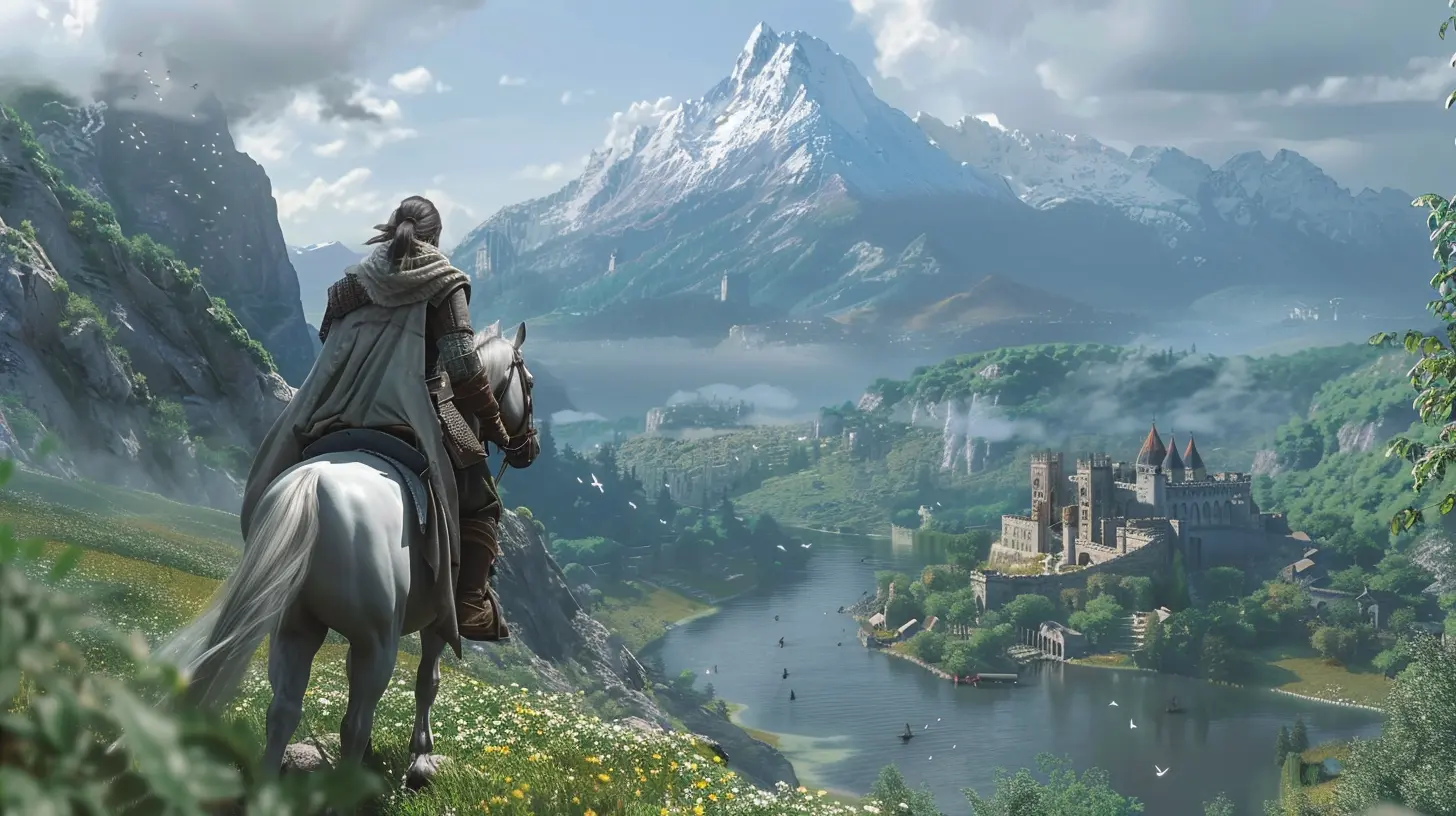
You know that one Super Mario Bros. tune you can hum even if you haven't played the game in years? Yeah, that's a strong musical theme at work. Catchiness is underrated when we talk about game music.Musical motifs stick with us. They're easy to recognize, easy to recall, and often evolve across a game—or even across an entire franchise. The key is in melodic hooks. Just like pop music has earworms, games use leitmotifs—short, recurring musical phrases linked to characters, places, or even feelings.
Think about how Skyrim’s “Dragonborn” theme pumps you up. You hear those Nordic chants and suddenly feel like going outside to slay a dragon—or at least take the garbage out like a warrior.
Environmental Harmony: When Music Complements Gameplay
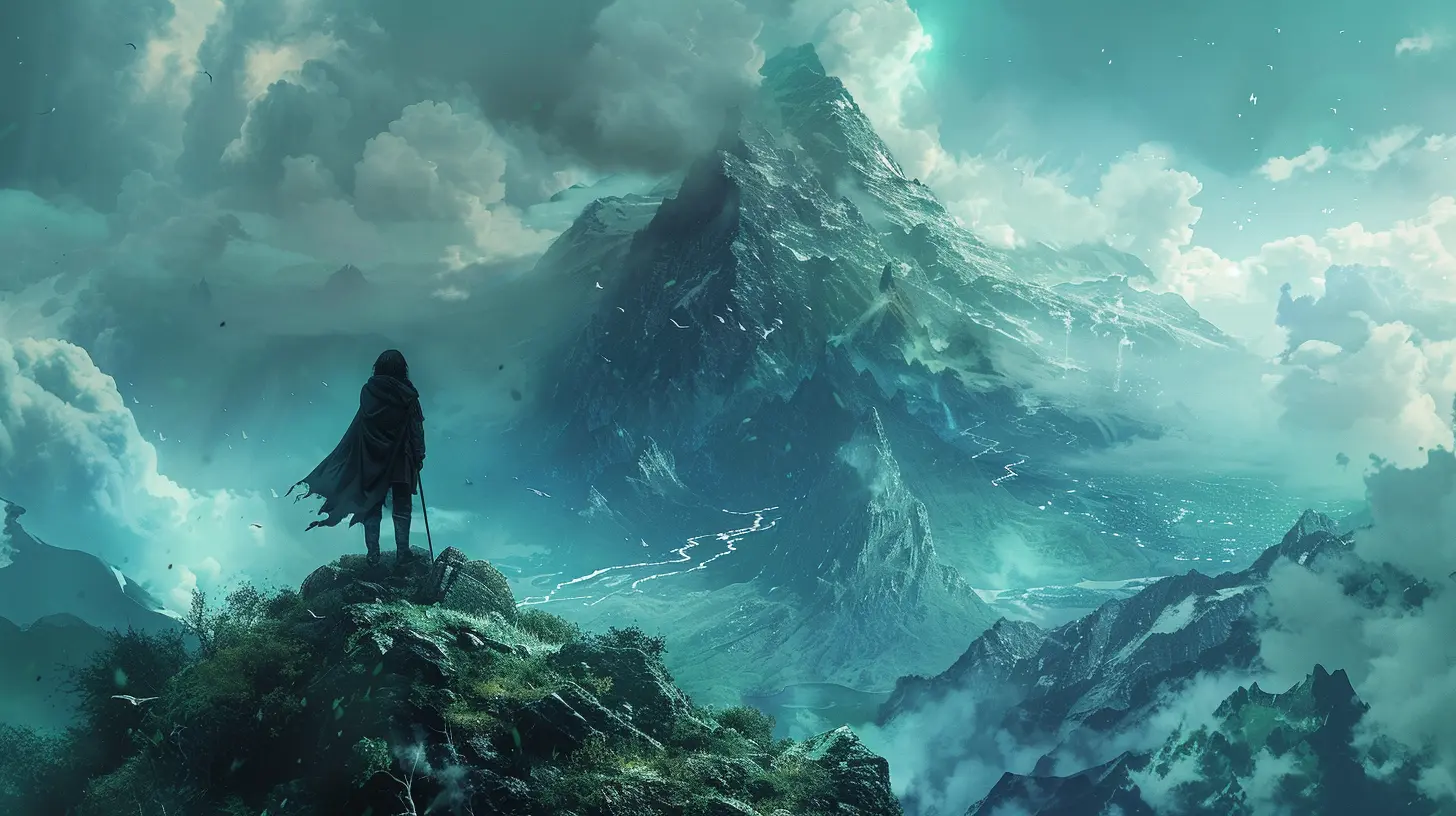
A timeless soundtrack understands the game’s vibe. It blends into the gameplay like cream in coffee.Some games go dynamic with it. Take Red Dead Redemption 2, where the music shifts with your actions—riding through a storm? Cue the mournful violin. Walking into a southern town? Get ready for that folk guitar. It’s damn near cinematic.
This concept is often called adaptive music, and it’s a game-changer (pun absolutely intended). The soundtrack doesn’t just support the game—it responds to it. That kind of immersion pulls players even deeper, making the music feel like an extension of their journey, not just backing noise.
Cultural Impact: When Music Transcends the Game
A timeless game soundtrack doesn’t just stay in the console—it breaks out into real life. Whether it's being played in concert halls by full orchestras or popping up in remix battles on YouTube, it begins to live a life outside of its original context.Look at the Undertale soundtrack by Toby Fox. What started as an indie project exploded into a cultural phenomenon, thanks largely to the music. Suddenly, everyone and their dog was remixing “Megalovania.” The song became a meme, a challenge, and a theme for ultimate showdowns—not just in the game, but across pop culture.
Timeless tracks often go viral beyond the gaming community. And when music is easily recognizable and emotionally charged, it embeds itself in our collective memory like a classic rock anthem.
Nostalgia: The Secret Sauce No One Talks About
Let’s be real—nostalgia hits like a freight train. It’s that warm, fuzzy feeling you get when you boot up an old console and hear the opening jingle of Pokemon Red/Blue. Suddenly, you're 10 years old again, battling it out with your starter Pokémon in the tall grass.The best soundtracks harness this raw power. They age gracefully, like fine wine or your grandma’s secret sauce. When a track is both musically brilliant and tied to key emotional or gameplay moments, it anchors itself deep into your memory.
This is why remastered soundtracks for classic games are a big deal. When done right, they don’t just update the audio—they reawaken emotions.
Innovation: Breaking the Musical Mold
A timeless soundtrack often brings something new to the table. It innovates, surprises, and redefines what game music can be. Innovation doesn’t mean going bananas with complexity—it means finding a sound that’s unexpected, bold, and invigorating.Remember Journey? Austin Wintory’s score took minimalism and turned it into a spiritual experience. It was so unique that it got nominated for a Grammy—something pretty much unheard of for game music at the time.
Great composers aren’t afraid to experiment. They mix genres, loop ambient textures, use unconventional instruments—anything to make their music stand out. That uniqueness helps cement the soundtrack’s place in gaming history.
Iconic Composers: The Unsung Heroes of Gaming
Let’s give credit where it’s due. Behind every goosebump-inducing track is a composer or team of musicians who poured their soul into it.Names like Jesper Kyd (Assassin’s Creed), Yoko Shimomura (Kingdom Hearts), and Mick Gordon (DOOM 2016) are legends for a reason. They treat each track like it’s the heartbeat of the game.
Sometimes, the composer’s personal style becomes as recognizable as the game itself. When you hear a Mick Gordon riff, you just know you're in for an adrenaline rush. When Yoko Shimomura starts a soft piano ballad, get ready for an emotional rollercoaster.
Versatility and Longevity: Playlists That Never Get Old
A truly timeless soundtrack has range. It works in the game, but also on your study playlist, your gym workout, or while you’re chilling with a book.Why? Because it’s musically rich and versatile. Whether it’s the tranquil sounds of Animal Crossing or the thumping battle themes from Persona 5, these tracks endure because they fit multiple moods.
Some people even use tracks from Final Fantasy to walk down the aisle (no, seriously). That’s the level of cultural relevance and musical quality we’re talking about here.
Fan Engagement and Community Love
Arguably one of the biggest markers of a timeless soundtrack is how fans interact with it. Covers, remixes, meme videos, lo-fi versions—all signs point to one thing: people care about the music.Fans breathe new life into these soundtracks year after year. Whether it’s an orchestral cover on YouTube or a jazz remix of the Chrono Trigger theme, the community keeps the music alive. That interaction gives the soundtrack a second life and spreads its influence even further.
The Celeste soundtrack by Lena Raine is a perfect example—people remix and replay it constantly, not just because it’s good, but because it resonates.
Timeless Tracks You’ve Gotta Hear
Not sure what timeless actually sounds like? Here’s a short list of game soundtracks that are basically immortals in the gaming music pantheon:- Chrono Trigger – Yasunori Mitsuda’s masterpiece still stuns decades later.
- The Legend of Zelda: Ocarina of Time – Koji Kondo created pure magic.
- Final Fantasy VII – Nobuo Uematsu at his most iconic.
- Halo 2 – Marty O'Donnell gave FPS games their symphonic edge.
- DOOM (2016) – Heavy metal meets demon-slaying perfection.
- Journey – Emotionally rich and award-winning.
- Persona 5 – Jazz fusion vibes that slap every single time.
- Undertale – Indie gold with cult-level following.
The Future of Game Music: What’s Next?
As gaming tech evolves, so too does the potential for soundtracks. We’re moving into interactive scoring, VR-based sound design, and even AI-assisted composing. The future? It’s wild—but exciting.That said, no matter how techy things get, the core principles won’t change. Emotion, creativity, and connection will always be at the heart of a timeless game soundtrack.
Final Thoughts
So, what makes a game soundtrack truly timeless? It's not just good music—it's great feeling. It's that perfect blend of melody, emotion, context, and cultural impact. It’s music that doesn’t just play—it lives.When a game’s music becomes part of your life, outside the screen and long after the credits roll—that’s timelessness. That’s magic. That’s what keeps us coming back, headphones on, heart full, ready to hit "New Game" once more.
all images in this post were generated using AI tools
Category:
Game SoundtracksAuthor:

Audrey McGhee
Discussion
rate this article
1 comments
Devin Miller
A timeless game soundtrack is like your favorite playlist on repeat-catchy tunes, epic moments, and a sprinkle of nostalgia that keeps you hitting replay!
June 13, 2026 at 3:00 AM
Audrey McGhee
Absolutely! A great game soundtrack captures emotions and memories, making us want to relive those moments over and over. It truly sticks with us.