Can Skill Ever Beat Money in Pay to Win Games?
24 April 2026
Pay-to-win games. Just hearing that phrase sends a chill down the spine of every gamer who’s ever been obliterated by some kid with deep pockets and a flashy credit card. Whether you're grinding in mobile games, MMOs, or free-to-play shooters, chances are you've come across a whale—someone who drops serious cash for top-tier gear and breezes through content you’ve spent hours or even days mastering.
But here's the million-dollar question: Can skill really beat money in pay-to-win games? Or is throwing cash at the screen the ultimate cheat code? Buckle up, because we're diving into this controversial topic—and trust me, it's not as black and white as you'd think.
What Are Pay-to-Win Games, Anyway?
Let’s get on the same page first. A Pay-to-Win (P2W) game is one where spending real-world money can give players a competitive edge over those who don’t. We're not just talking cosmetics—these purchases can include powerful gear, max-level characters, exclusive weapons, faster progress, and even gameplay advantages.Popular culprits? Think Clash of Clans, Genshin Impact, Raid: Shadow Legends, or even FIFA Ultimate Team. These games prey on our impulse to win, speed up progress, or show off. You can definitely play for free, but it often feels like you’re running a marathon while others are speeding past in Ferraris.
The Power of Money: What Does It Really Buy?
When someone swipes their card in a P2W game, they’re usually buying one or more of the following:- Time: Skip the grind. Instantly unlock resources, building upgrades, or characters.
- Gear/Stats: Acquire overpowered items or characters that give raw advantages.
- Access: Enter exclusive areas, raids, or game modes that are otherwise locked behind hours of gameplay.
Imagine you're playing a strategy game, carefully planning your base and troops. You've been grinding for weeks to unlock the next tech upgrade. Suddenly, a pay-to-win player drops into your bracket with maxed-out units and wipes you out in seconds. Frustrating, right?
But don’t lose hope yet—there’s more to the story.
The Case for Skill: It's Not All About the Wallet
While it’s true that money can buy power (at least in games), money doesn’t buy experience, game sense, or quick thinking. That's where skill enters the chat.Let’s break it down.
1. Game Knowledge Trumps Blind Power
You can buy a shiny sword, but if you don’t know how to swing it, it’s just dead weight. In competitive games, understanding game mechanics, character abilities, and strategy often plays a more crucial role than raw stats.Ever seen a low-level player take down someone far stronger just by outsmarting them? It’s not rare. Players who deeply understand the meta, mechanics, and nuances of a game can often outplay their wealthier rivals—at least to an extent.
2. Reaction Time and Decision-Making
Skill isn’t just about knowing what to do—it’s about doing it fast and under pressure. In real-time strategy games or shooters, quick reflexes and rapid decision-making can completely negate the advantage of expensive gear.Sure, someone might have a gold-plated sniper rifle, but if they can’t land a shot and you can headshot them in your sleep, who’s really winning?
3. Strategy > Wallet
Let’s take games like Clash Royale or Age of Empires. A well-executed strategy can crush brute force. It’s like chess—you can have the most expensive pieces on the board, but if you don’t know how to use them, the game’s already lost.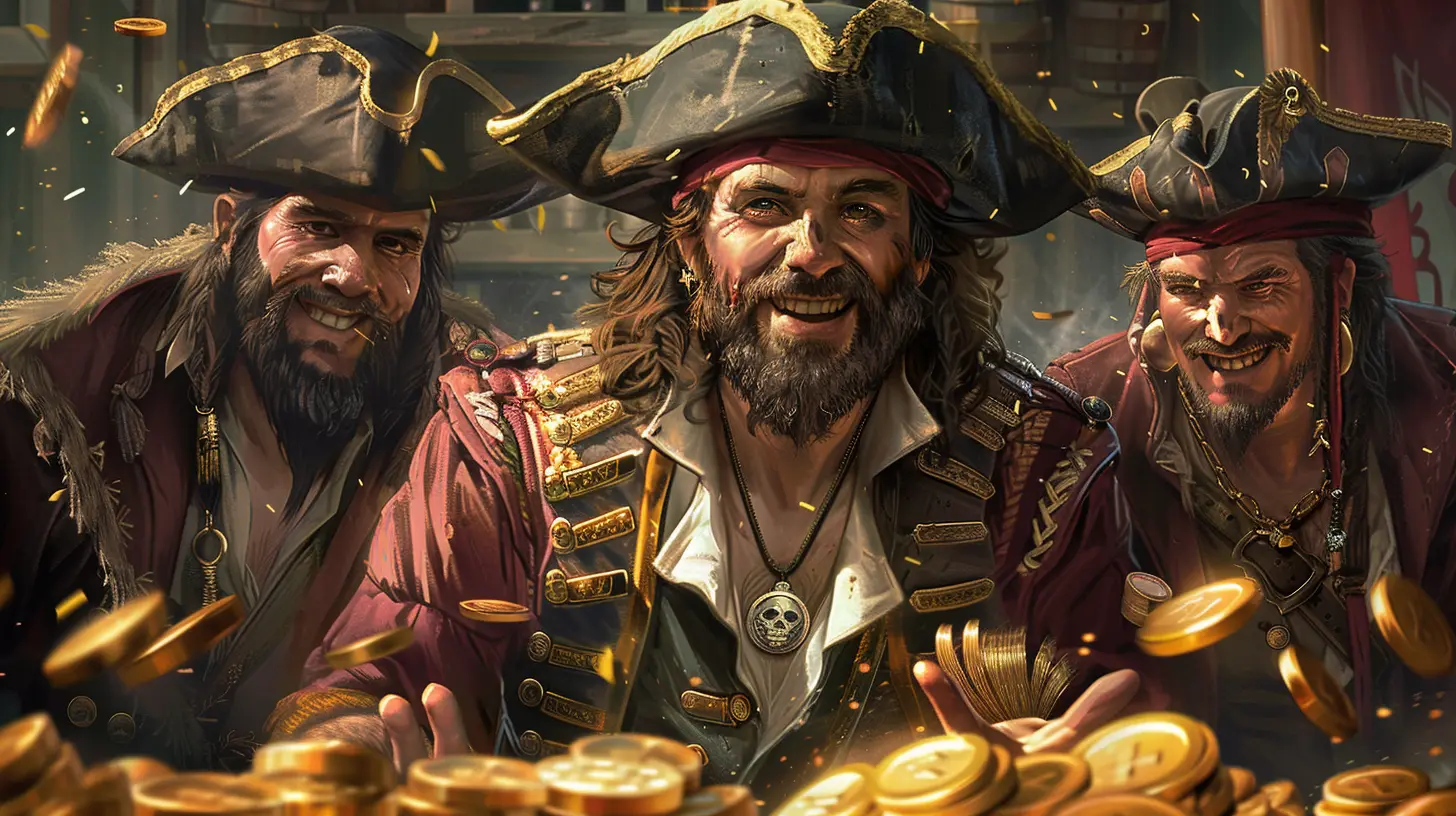
When Skill Can Beat Money
There are situations—sweet, satisfying moments—where players without deep wallets can absolutely dominate. Here's when skill can take the crown:1. Balanced Matchmaking
Some games implement matchmaking systems where players are paired with others of similar power levels or rankings. This can level the playing field and let skill shine through.2. Skill-Based Game Modes
Modes that remove gear advantages and focus on raw skill (like PvP arenas with standard gear) give skilled players a real shot to stand out. Think Call of Duty Warzone, where everyone starts fresh in every match.3. Meta Knowledge and Counter-Play
Knowing how to counter top-dollar builds can turn the tide. Every OP character has a weakness. If you’ve studied the meta and know your counters, you can dismantle expensive setups like a pro.When Money Obliterates Skill
Okay, we’ve seen how skill can beat money—but let’s be real, there are plenty of times when money just steamrolls over everyone.1. Massive Gear Disparity
In games where gear stats heavily influence performance—like Black Desert Online or Lineage 2: Revolution—no amount of dodging or clever play can save you from being one-shot by a pay-to-win titan.2. Power Walls
Some games straight-up lock content behind payments. You might need to spend money just to enter certain boss fights or unlock key dungeons. If free players can’t even access the battlefield, how can they win?3. Time-Gated Progression
Even skilled players get held back when games enforce time gates, stamina bars, or energy systems unless they pay. This creates an uneven playing field where skill is parked on the bench just because someone else bought more “play time.”Does Game Genre Matter?
Absolutely. The genre plays a big role in whether skill can overcome cash.?️ RPGs & MMOs
In most RPGs, especially ones heavy on stats and gear, pay-to-win elements are brutal. Gear gaps often mean the difference between life and death, no matter how good you are at dodging or combo-ing. But in some MMOs with PvE focus, teamwork and coordination can outshine spending.? FPS & Battle Royale Games
Skill shines a lot more here. If everyone starts with the same weapons (or finds them in-game), then it's about aim, map awareness, and reflexes—things money can’t buy. That’s why games like Apex Legends and Valorant are hailed for their fairness.♟️ Strategy Games
This genre is a mixed bag. Money can buy troops or faster bases, sure, but poor tactics often lead to disaster. A brilliant strategist can still find ways to flip the board.The Human Factor: Why People Still Play P2W Games
So if it’s this unfair, why do people still play pay-to-win games? The answer’s simple: fun is subjective.Some players don't care about competing. They just want to enjoy the story, the visuals, or the grind. Others accept the pay-to-win model because they’re time-poor and would rather pay than grind. And for a few, being the top dog—even if it's paid for—brings satisfaction.
But for the truly competitive folks? There’s always the quiet thrill of beating someone who clearly spent a fortune. It’s David vs. Goliath, and every win tastes sweeter knowing the odds were stacked against you.
Tips for Beating P2W Players Without Breaking the Bank
Want to compete without burning a hole in your wallet? Here are a few real-world tactics:- Master the Meta: Stay updated on what’s strong, what’s nerfed, and how to counter expensive units.
- Focus on Efficiency: Max out the value from your free resources. Know what to invest in and what to skip.
- Form Alliances: Teamwork is a wild card that money can’t always beat.
- Play Mind Games: Outsmarting your opponent doesn’t cost a dime.
- Optimize Builds: Know your strengths and minimize your weaknesses; not every stat needs maxing.
Final Thoughts: Is It a Fair Fight?
So, back to the big question: Can skill beat money in pay-to-win games?In many cases—yes, it can. But only if the game design allows room for skill to flourish. If a game is horribly unbalanced, even a chess grandmaster with a stick can’t beat a nuke.
However, if the devs put effort into fair matchmaking, balance patches, and skill-based modes, then skill can and often does triumph. It’s not about whether skill beats money every time—it’s about whether there's enough room for skill to matter.
As long as that window exists, skilled players will keep finding clever, gritty, satisfying ways to win—and that, my friends, is the real game.
all images in this post were generated using AI tools
Category:
Pay To Win GamesAuthor:

Audrey McGhee
Discussion
rate this article
2 comments
Delta McGillivray
Great question. True skill might not top the leaderboard, but it makes the victory and community infinitely more rewarding.
April 30, 2026 at 4:35 AM
Audrey McGhee
Absolutely. Skill brings a depth to the game that money can't buy. Victory feels richer when earned through effort and strategy.
Rhett McHugh
Skill shines brighter, always!
April 27, 2026 at 5:02 AM
Audrey McGhee
Absolutely, skill can often outshine money in the long run. It's all about strategy and practice.