The Role of Analytics and Stats in Esports Tournaments
29 June 2026
Esports has come a long way from being just a casual pastime enjoyed by a bunch of gaming enthusiasts. Today, it’s a global phenomenon, bringing millions of viewers and sky-high prize pools. With its rapid growth, the competitive scene has evolved—and so have the tools used to gain an edge. One of the biggest game-changers? Analytics and stats.
If you've ever watched a high-stakes esports tournament and wondered how some teams just always seem one step ahead, well, a lot of that comes down to the numbers behind the gameplay. Yep, we're talking deep stats, real-time data, and performance analytics that would make any sports scientist do a double take.
So, let’s break this all down—why do analytics and stats matter so much in esports tournaments, and how are they transforming the way teams train, compete, and win?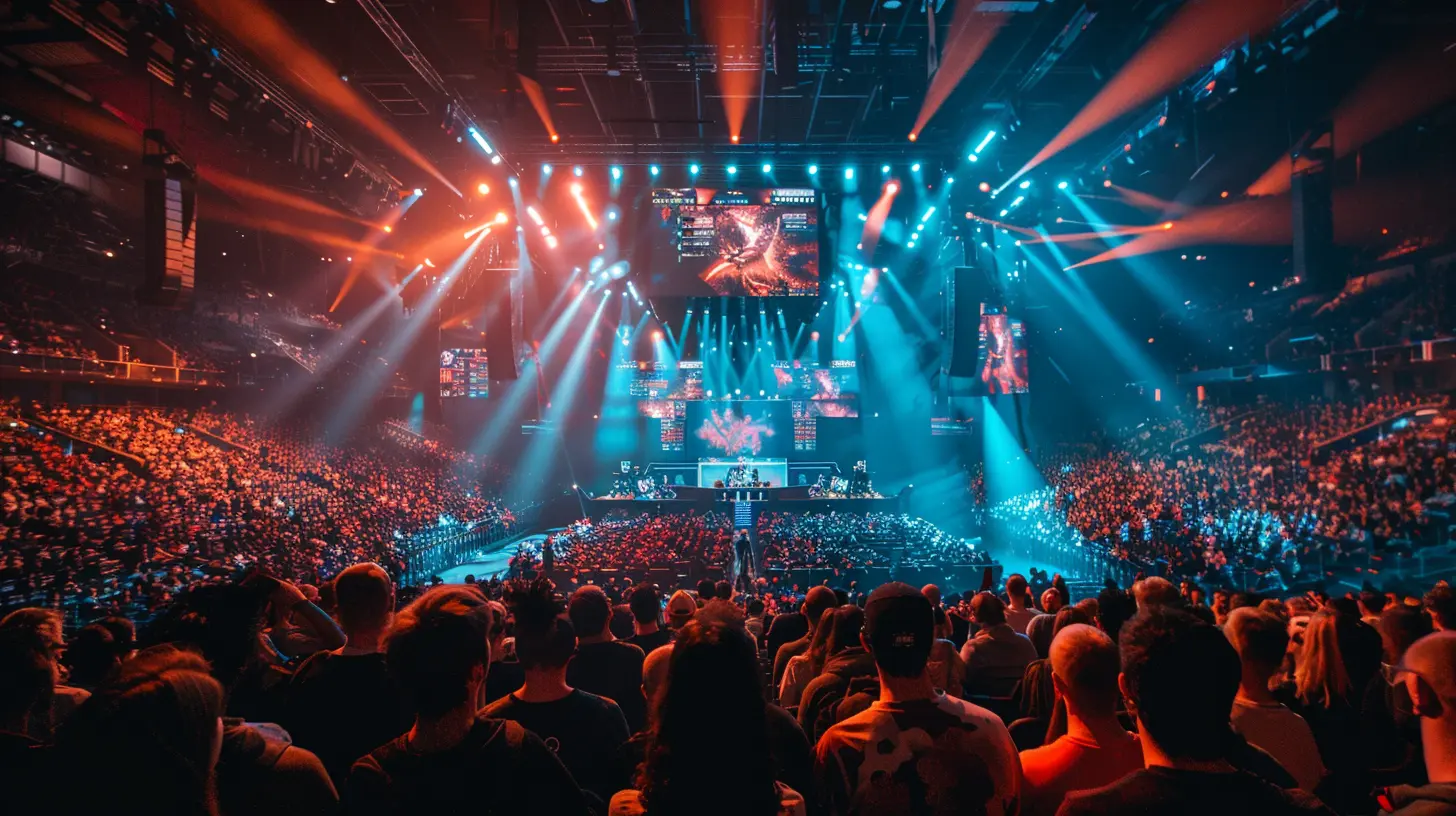
? Stats in Esports: Not Just Numbers on a Screen
At first glance, stats might seem like something only hardcore analysts should worry about. But in reality, they’re the foundation of competitive gaming success. In traditional sports like basketball or football, you’ve got stats for everything—points scored, assists, turnovers. Esports is no different.In games like League of Legends, CS:GO, Dota 2, Valorant, or Overwatch, everything you do gets recorded—shots fired, damage taken, objective control, and more. These numbers aren’t just for show. They tell a story. They show patterns. They highlight strengths and expose weaknesses.
Think of it like a coach watching game tape. Stats help players and teams understand what’s working and what’s not—and that kind of insight is pure gold in the world of esports.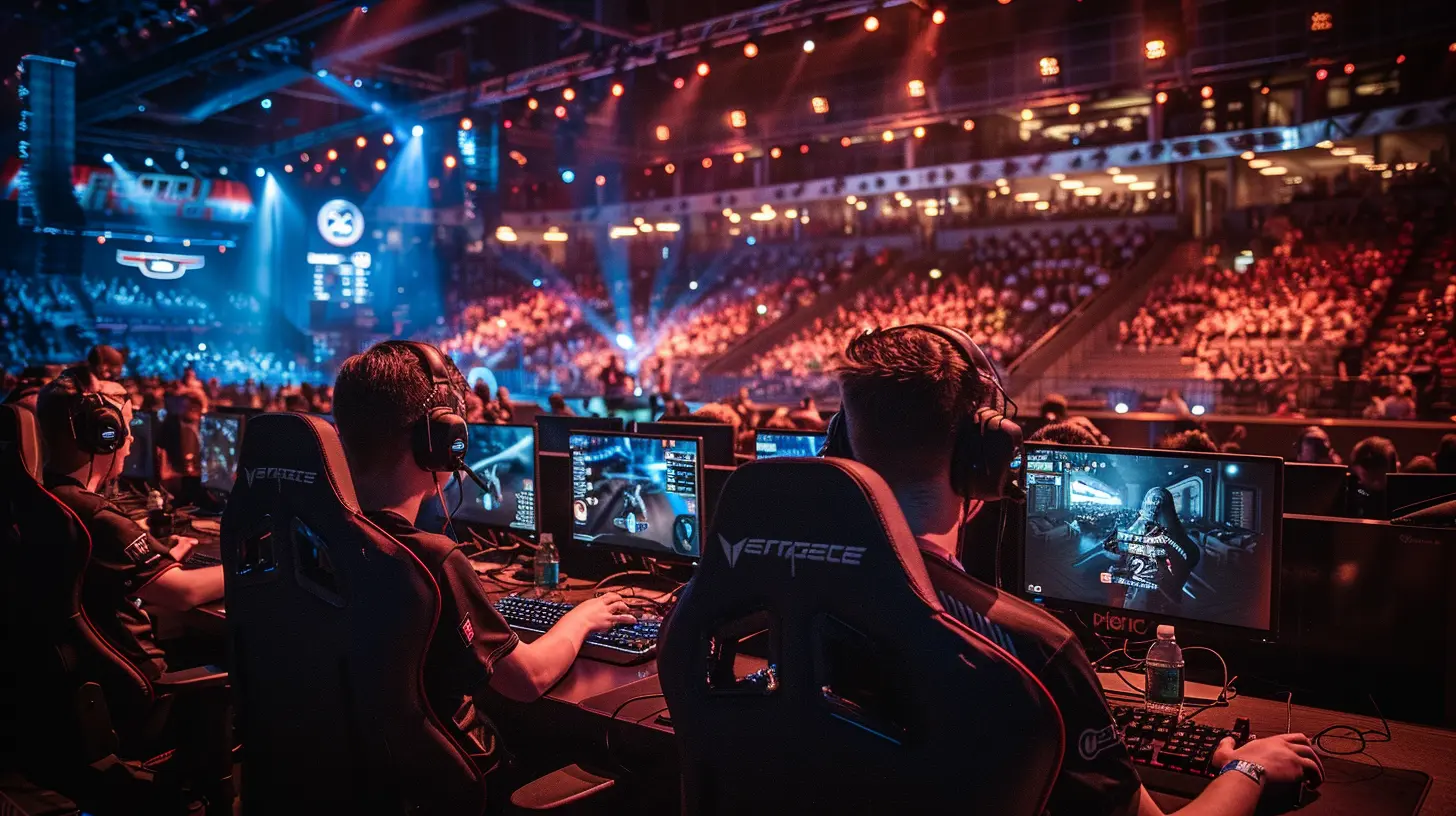
? The Backbone of Strategic Decisions
Remember the phrase “knowledge is power”? It couldn’t be more true in competitive gaming. Today’s top esports organizations don’t just rely on skill and instinct. They bring in data scientists, performance analysts, and software engineers to dive into the data.Here’s how analytics directly impact strategic decisions:
- Composition Picks: In games like League of Legends or Dota 2, analytics reveal which champions or heroes perform best under certain matchups or scenarios.
- Map Veto Strategies: In FPS games like CS:GO, teams often use historical map win rates and opponent tendencies to decide which maps to ban or prioritize.
- Time-to-Kill Ratios, Headshot Percentages, etc.: These micro-level stats help fine-tune gameplay on a player-by-player basis.
Without data, these decisions become shots in the dark. With analytics? They're calculated moves.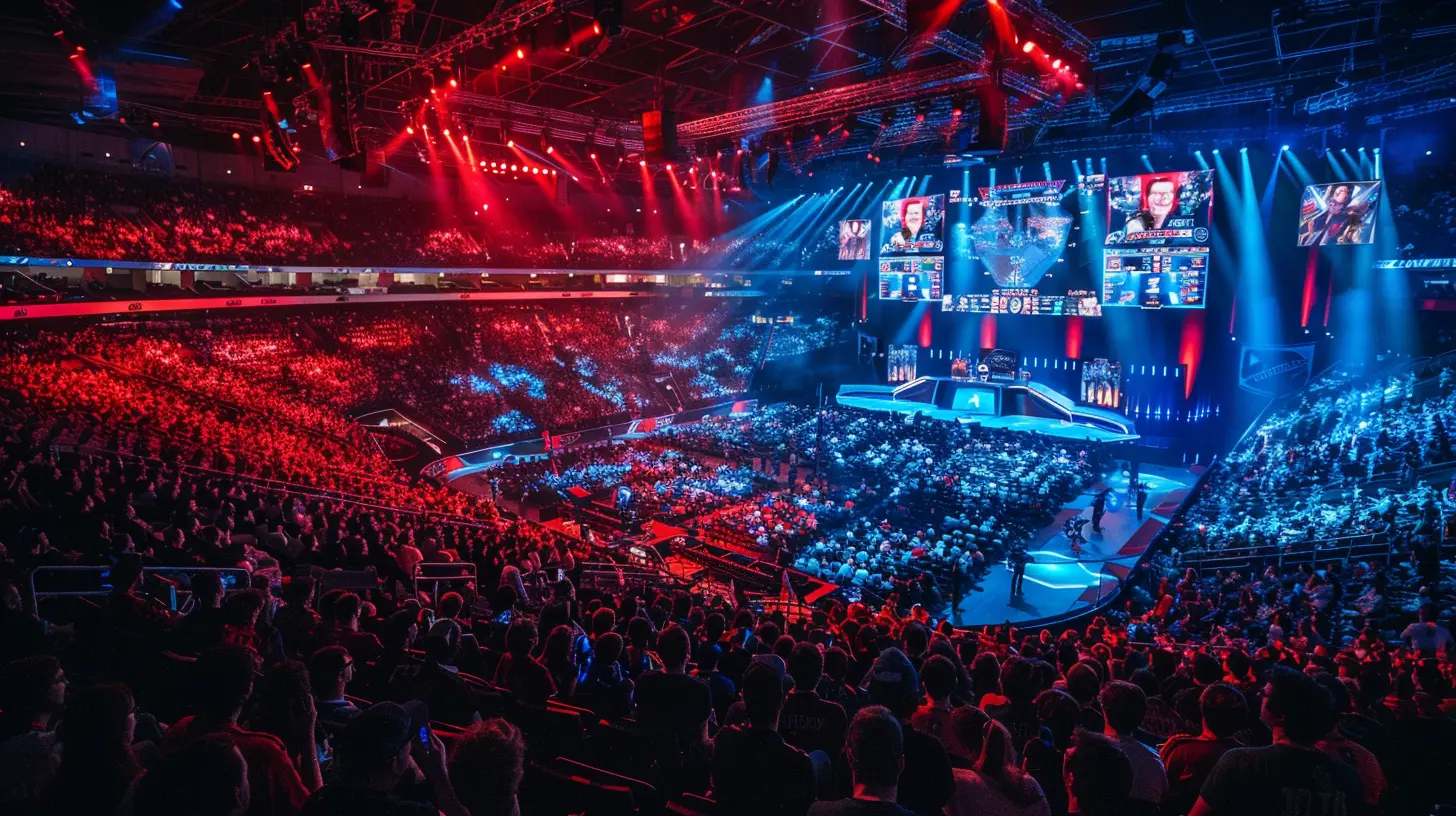
? Training with Purpose: Smarter Practice Sessions
Gone are the days when scrimming 10 hours a day with no direction was the norm. Top-tier esports teams use analytics to practice smarter, not just harder.By reviewing detailed match stats, teams can:
- Identify weak points, whether it’s poor objective control or lack of map awareness.
- Track consistency over time to see if a player’s performance is declining or peaking.
- Customize training routines based on exact problem areas.
Imagine being a player and seeing that your win rate drops significantly when playing aggressively on specific maps. That’s a cue to adjust your playstyle or work on decision-making in those contexts.
Analytics make this level of targeted practice possible—and lead to real, measurable improvement.
? Real-Time Analytics = On-the-Fly Adjustments
One of the most exciting parts of modern esports is the use of real-time data during tournaments. Analysts and coaching staff can monitor live metrics and make mid-game adjustments (when tournament rules allow).Let’s say your team is losing early skirmishes in League of Legends. Real-time stats may show your top laner has a 30% gold deficit compared to the enemy. With this knowledge, coaches can refocus strategy—maybe shift jungle pressure top or change team fight priorities.
In a way, it's like having a GPS while navigating a storm. You’re not just reacting—you’re adapting with insight.
? Fan Engagement: Making Watching Fun and Insightful
Esports isn’t just a competition—it’s a show. Viewership numbers are massive, and fans crave more than just flashy plays. They want to understand what’s happening.That’s where analytics come in.
Broadcasters now overlay real-time data during matches—things like damage dealt per round in Valorant, kill/death ratios, and economic advantage in CS:GO. This helps fans (especially newer ones) make sense of the chaos and appreciate the depth of the game.
Plus, it adds to storytelling. Seeing a “comeback potential” stat or a player hitting a career-high kill streak makes the narrative even juicier.
? The Tools Behind the Magic
You might be wondering––how are teams gathering and analyzing all this data?Well, there’s a growing market for esports analytics tools and platforms. Some of the popular ones include:
- Mobalytics: Primarily for League of Legends, it breaks down performance metrics like aggression, vision, and survivability.
- FACEIT & ESEA Stats: Common in CS:GO, these platforms track everything from headshot percentage to entry frag success.
- Overwolf: Offers overlays and tracking tools for many games, giving players instant feedback.
- Shadow.gg / Grid: Used by teams to generate heatmaps, graphs, and replays for FPS titles.
Many teams also build custom tools tailored to their needs. Some even use AI and machine learning to forecast opponent strategies. Yep—esports has gone full sci-fi.
? The Rise of Predictive Analytics in Competitive Play
Let’s level up the discussion a bit.While descriptive analytics tells us what happened, predictive analytics is all about what’s going to happen. This is where it gets really wild.
Using historical data, player tendencies, and opponent behavior, teams can simulate matchups to find the most favorable outcomes. It’s like predicting the weather—but for kill counts and objective control.
For example, a team might study an opponent’s past 10 games and notice that they always rotate to a specific spot on the map at the same time. Boom—you plan an ambush.
The end goal? Outthink your opponent before the game even begins.
?? The Human Side: Integrating Analytics Without Killing Creativity
Now, here's a valid concern: does too much reliance on numbers kill the human element? Does it take the soul out of the game?Not really.
Analytics aren’t meant to replace gut instinct or raw talent—they enhance it. Data doesn’t tell you how to flick headshots or make a clutch play under pressure. That’s still 100% human.
Think of analytics as a coach that hands you a playbook. What you do with it? That’s up to you.
The magic of esports comes from the blend of brain and brawn. Numbers inform decisions, but players bring them to life.
? The Future of Esports Analytics: What’s Next?
We’re just scratching the surface here. The future of stats and analytics in esports looks insanely promising.Here’s where things are heading:
- AI-Powered Coaching Bots: Imagine AI breakdowns of your games suggesting drills or strategies automatically.
- Wearable Tech for Player Biometrics: Tracking stress levels, reaction times, and other performance indicators.
- Cross-Game Aggregates: Analytics that help players transition skills between similar titles (say, Valorant to CS2).
- Audience Prediction Engines: Platforms that use stats to predict outcomes during matches and engage fans with live polls and betting.
So if you think esports analytics is just a niche… think again. It’s becoming the engine that drives the whole industry.
❤️ A Final Word: Numbers with Soul
At the end of the day, esports is about passion, competition, and community. Analytics and stats are tools, not crutches. They help teams train smarter, strategize better, and put on unforgettable shows for the fans.They also make you appreciate the small things—the perfect flash, the split-second rotation, the clutch decision that wins the map. When you realize just how much goes into each click and each callout, the beauty of esports hits that much harder.
So next time you’re watching a tournament or grinding your ranked games, take a moment to look at the numbers. Behind every stat, there’s a story. Behind every win, there’s a mountain of data that helped make it happen.
And that? That’s the magic of esports in the data age.
all images in this post were generated using AI tools
Category:
Gaming TournamentsAuthor:

Audrey McGhee
Discussion
rate this article
1 comments
Lysara McElhinney
Analytics in esports truly transforms strategy, revealing insights that can change outcomes.
June 29, 2026 at 4:00 AM
Audrey McGhee
Absolutely, analytics provide a competitive edge by uncovering trends and optimizing team strategies. It's a game changer.