The Evolution of Split-Screen Gaming
6 June 2026
Let’s rewind the clock for a second. Remember the days when you had to squish two or four of your buddies next to each other on the couch, all peeking at the same TV screen, to play your favorite multiplayer game? Ah, the glory days of split-screen gaming—before the internet turned online multiplayer into the norm.
Split-screen gaming has gone through one heck of a journey. From its humble beginnings in the early days of consoles to its near-extinction (and surprising resurgence), it’s a story packed with nostalgia, innovation, and a bit of tech drama. So, grab your controller—and maybe a snack—because we’re about to dive deep into the evolution of split-screen gaming.
What Is Split-Screen Gaming Anyway?
Before we go full retro-mode, let’s clear up what split-screen gaming actually is. It’s a multiplayer feature where one screen is divided into sections—usually halves or quarters—so multiple players can play at the same time on the same display.Pretty simple, right? But back in the day, this wasn’t just a feature—it was the heart and soul of social gaming. If you had a controller, a console, and a couch, you had a party.
The Birth of Split-Screen: Old School Roots
Let’s dial it back to the 1980s and 1990s—back then, gaming wasn’t about 4K resolution or broadband speeds. It was about plugging in your cartridge, blowing the dust out (classic ritual), and jumping into the action with your friends sitting right next to you.One of the earliest and most iconic examples? GoldenEye 007 on the Nintendo 64. Oh man, if you never argued over screen peeking in GoldenEye, did you even have a childhood?
The Magic of Couch Co-op
Games like Mario Kart 64, Halo: Combat Evolved, and Perfect Dark didn’t just offer multiplayer—they thrived on it. There was something special about elbowing your friend because they were using Oddjob again (you know who you are). It was this social, messy, hilarious energy that defined the early days of split-screen.
The Golden Age: PS2, Xbox, and GameCube Era
Ah yes, the early 2000s. Back when MTV still played music videos and you had to buy gaming magazines to get cheat codes.During this time, split-screen gaming hit its stride. Consoles like the PlayStation 2, original Xbox, and Nintendo GameCube were pumping out multiplayer titles by the dozen. TimeSplitters 2, Halo 2, Burnout 3: Takedown, and Super Smash Bros. Melee turned living rooms into battlegrounds.
And let’s not forget LAN parties—hooking up multiple consoles in one house, hauling CRT TVs around, and ordering way too much pizza. It was chaotic, it was sweaty, and it was perfect.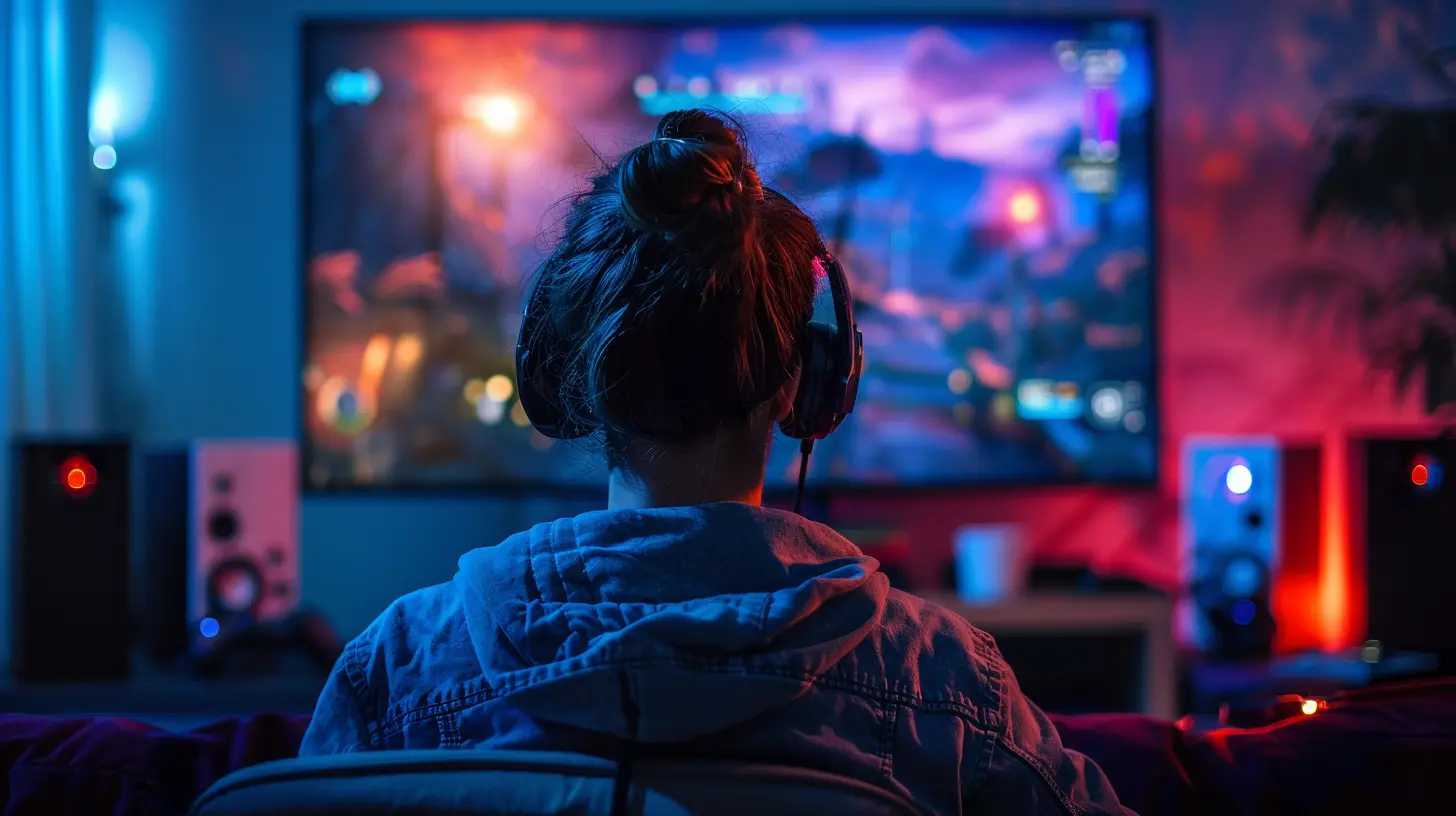
The Online Invasion: Start of the Decline
Now here’s where things start to shift.With the rise of broadband internet and online gaming platforms like Xbox Live and PlayStation Network in the mid-2000s, the industry began to tilt towards online multiplayer. Suddenly, you didn’t have to leave your house (or even wear pants, honestly) to play with your friends.
As convenient as online gaming was, it came at a cost—split-screen gaming started to fade into the background.
Why Split-Screen Took a Hit
Let’s be real: split-screen isn’t easy on developers. Designing a game to run smoothly while rendering multiple viewpoints on the same machine is a pain. It eats up processing power, can lower frame rates, and complicates gameplay design.From a technical standpoint, online multiplayer was easier to scale and more future-focused. Developers followed the money, players followed the trend, and slowly but surely, local co-op became a rarity.
The Nostalgia Factor: It Never Truly Died
But here’s the twist—gamers didn’t forget. In fact, there was always a group of us who kept asking, “Where’s the split-screen?” Even when online gaming exploded, fans kept the couch co-op spirit alive.Indie developers picked up on that. Games like Overcooked, TowerFall Ascension, and Cuphead leaned hard into local multiplayer. They proved that the split-screen experience wasn’t just alive—it was thriving in a different corner of the gaming world.
Indie Games Breathe New Life
These games turned your living room into a war zone (I’m looking at you, Overcooked, you beautiful monster). They reminded everyone how fun it is to scream at your friends in person rather than into a mic.Modern Day Split-Screen: Where Do We Stand?
Fast-forward to now, and we live in a hybrid world. Online multiplayer dominates, sure—but split-screen isn’t totally gone.Games like Minecraft, Call of Duty, Rocket League, and Borderlands still support local multiplayer, and some even let you play split-screen online. Bless their dev teams.
The Return of the Couch
What’s cool is that many modern gamers—especially younger ones—are discovering split-screen for the first time. Retro-inspired titles and family-friendly experiences on consoles like the Nintendo Switch are putting local co-op back on the map.And let’s be honest: nothing beats the vibe of playing on the same couch. Trash talk hits harder when it’s face-to-face.
Why Split-Screen Still Matters
You might be wondering, “Okay, but do we really need split-screen today?” Short answer: heck yes.Split-screen gaming offers something online simply can’t—physical presence. It builds memories. Whether it’s siblings bonding over Lego Star Wars or couples teaming up in It Takes Two, there’s emotional value in playing together IRL.
The Power of Proximity
Think of it like this: texting is convenient, but it doesn’t compare to laughing with someone face-to-face. Same vibe with split-screen. Multiplayer may have gone global, but the most meaningful battles still happen in your living room.What’s Next for Split-Screen Gaming?
Honestly? Things are looking up.As hardware becomes more powerful, it’s getting easier for developers to include split-screen without sacrificing performance. Plus, with retro gaming and physical social interaction making a comeback, split-screen is riding the wave.
More developers are experimenting with hybrid systems—games that support split-screen, online, and even cross-platform play all at once. It’s like having your cake and eating it too.
VR and Split-Screen?
Here’s a wild thought—could VR and local multiplayer merge? Some VR games are testing "asymmetrical local multiplayer," where one player uses the headset and others play on the TV. It’s not split-screen in the classic sense, but it’s an evolution of local cooperative play.The future might not look exactly like the past, but the spirit of split-screen gaming is still alive and kicking.
Final Thoughts: Is Split-Screen Gaming Making a Comeback?
Split-screen gaming isn’t dead—it’s just evolving. Like vinyl records or Polaroid cameras, it has a nostalgic charm that refuses to go out of style. Sure, it’s not everywhere, and it probably never will be again, but it’s found its niche.And honestly? That’s a good thing.
As gamers, we don’t have to choose between online convenience and local magic. We can have both. So, next time a game offers split-screen? Hand your friend a controller. Scoot over on the couch. And get ready for some old-school fun with a new-school twist.
Because in the end, gaming is better when shared—and nothing says shared like shouting "You screen-looked!" at your best friend across the room.
all images in this post were generated using AI tools
Category:
Local Multiplayer GamesAuthor:

Audrey McGhee
Discussion
rate this article
1 comments
Kira Shaffer
Split-screen gaming brought friends together, making every match a memorable adventure. Keep playing!
June 7, 2026 at 5:09 PM
Audrey McGhee
Absolutely! There's something special about sharing those moments side by side. Those memories last a lifetime.