The Emotional Weight of Soundtracks in Story-Driven Games
3 January 2026
Have you ever found yourself sitting in front of your screen, gripping your controller, and suddenly realizing you’re crying? Not because the game you're playing is hard (though, hey, we’ve all been there), but because the music hit you right in the feels? That’s the power of a well-composed soundtrack in story-driven games. These melodies aren’t just background noise—they’re the unsung heroes shaping how we perceive every twist, turn, and heartbreak in the narrative.
Great soundtracks don’t just play alongside the story; they become an inseparable part of it. So, let’s dive into why music tugs at our heartstrings in gaming and how it makes story-driven titles unforgettable.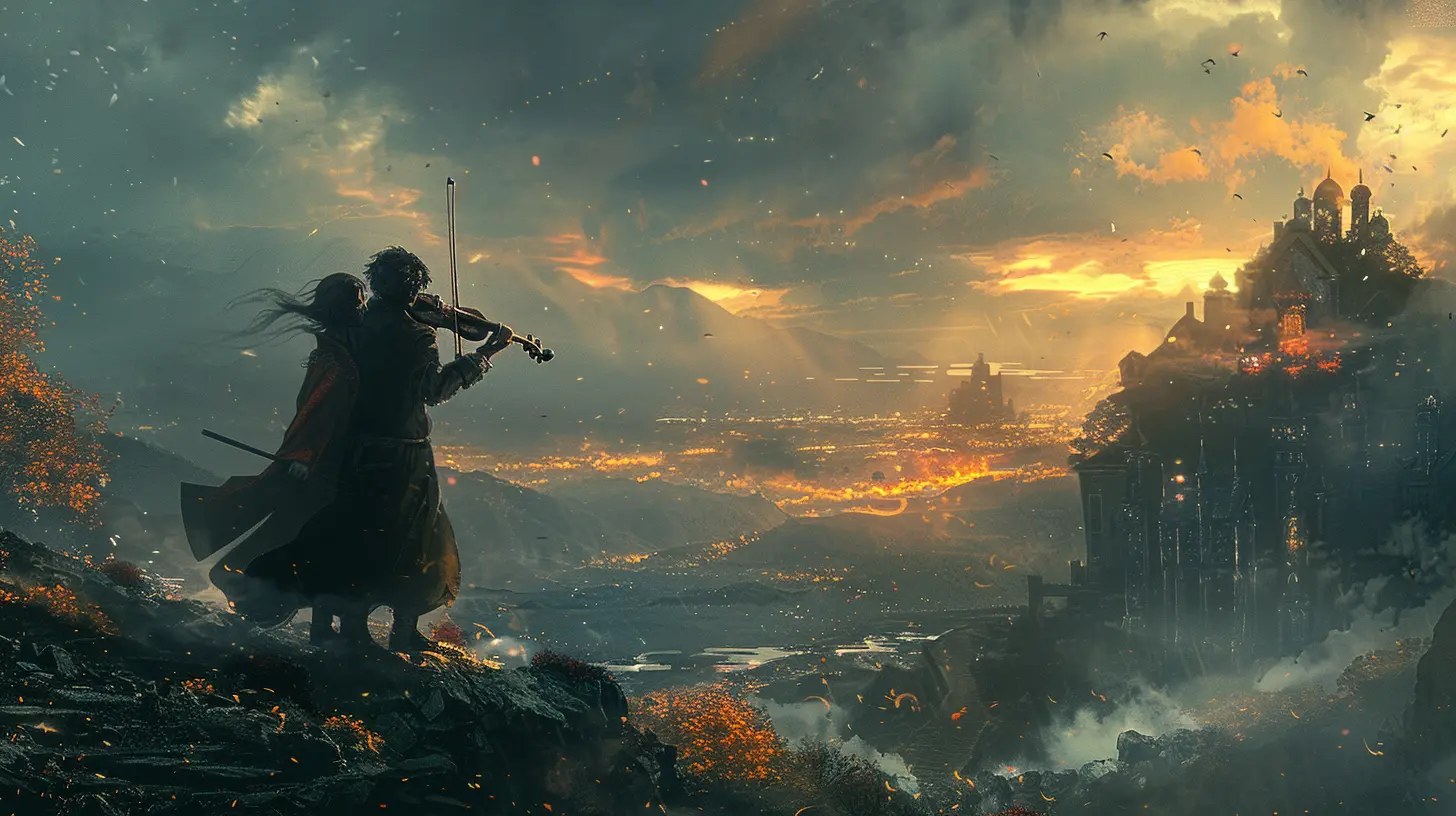
The Role of Soundtracks in Gaming: More Than Just Background Noise
Let’s be real: could you imagine some of your favorite gaming moments without their accompanying music? Imagine roaming the wide-open plains of The Witcher 3 without that haunting Slavic-inspired tune, or walking through The Last of Us' desolate, post-apocalyptic world without Gustavo Santaolalla's guitar guiding your emotions. It wouldn’t feel the same, would it?Soundtracks in story-driven games act as an invisible narrator. They tell us what the characters can’t always say. They amplify tension when things are about to fall apart and offer comfort when the world feels bleak. Ever notice how a powerful melody can make even the quietest scene gut-wrenching?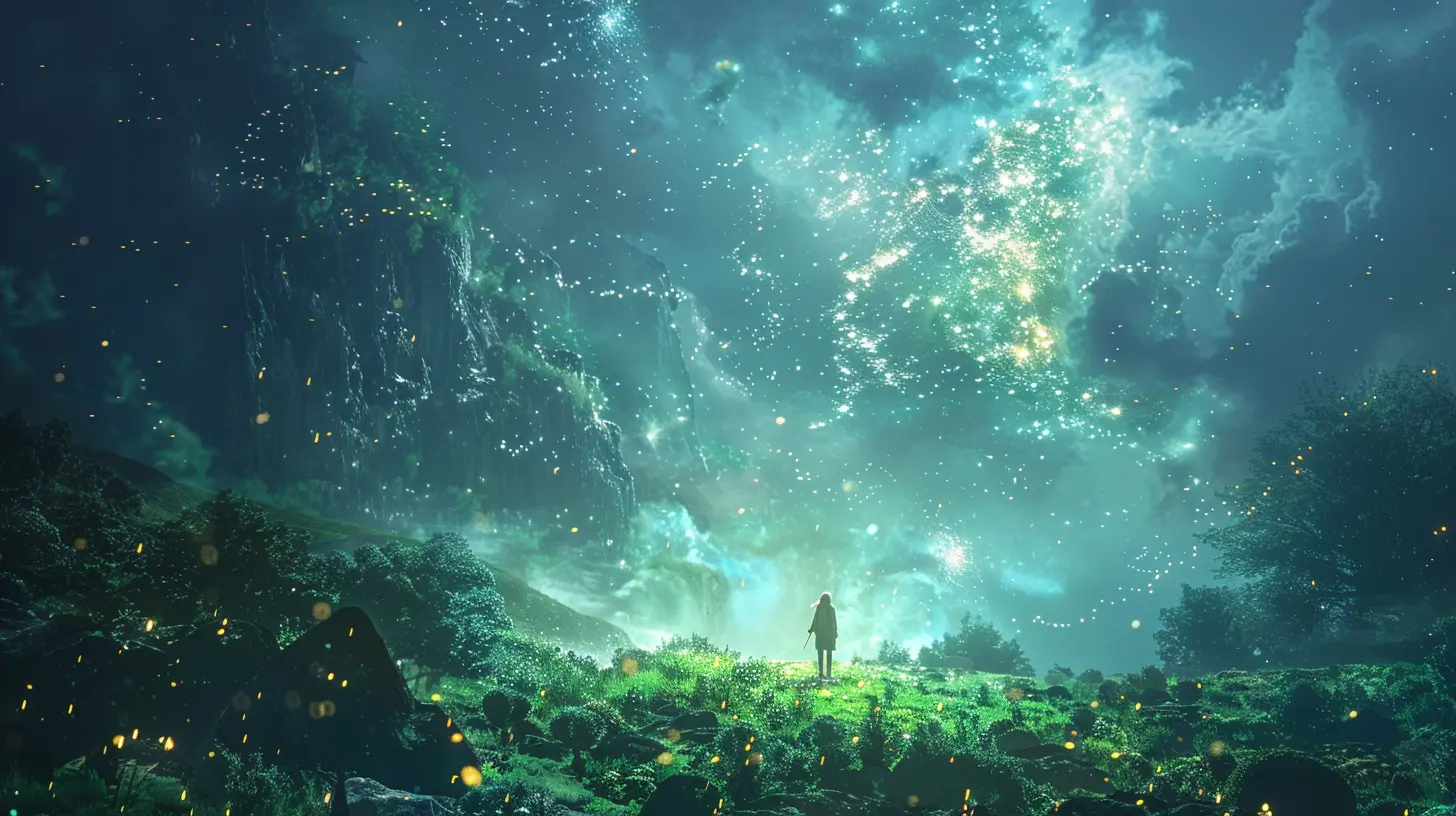
Why Music and Emotion Are Such a Perfect Match
Humans are emotional creatures, and one thing that triggers our emotions almost instantly is music. It bypasses all logic and speaks directly to our hearts. A sad song? Cue the tears. A triumphant one? We’re suddenly inspired. In games, composers take that raw emotional power and channel it into storytelling.Games like Life is Strange prove how much this connection matters. Suppose Max and Chloe’s story unfolded in silence or with generic tunes. Would it have been as impactful? Probably not. But throw in tracks like “Spanish Sahara” by Foals or “To All of You” by Syd Matters, and suddenly, you’re living their struggles, hopes, and heartbreaks with them.
Music has an incredible way of anchoring key moments in our memory. Think about it—when you hear a certain track from a game years later, it instantly teleports you back to that pivotal scene, doesn’t it? That’s not just coincidence. That’s by design.
Setting the Tone: How Music Drives the Narrative
Soundtracks do more than just sound pretty—they actively guide the storytelling process. Picture this: you’re playing a mystery game, and the music shifts to eerie, subtle tones. You know something’s up even before the characters do. Or maybe you’re in a cinematic battle scene, and the orchestral score swells, pushing you to the edge of your seat. Music has a way of tuning us into what’s happening before we even realize it.Take Red Dead Redemption 2 as an example. The music in this game adapts to Arthur Morgan’s journey, reflecting his triumphs, regrets, and eventual fate. A specific moment comes to mind: when “Unshaken” plays during Arthur’s ride back to camp. It’s haunting, raw, and absolutely gut-wrenching. That song alone encapsulates Arthur’s internal struggle, far better than words ever could.
Tailored to the World: Immersive Soundscapes
A great game soundtrack doesn’t just stick out—it blends seamlessly into the world the developers worked so hard to create. And yet, it still manages to grab your attention at the right moments. It’s a balancing act, for sure, but when done right, it’s pure magic.Games like Hollow Knight and Journey are masterclasses in immersive soundscapes. In Hollow Knight, Christopher Larkin’s orchestral score mirrors the eerie, melancholic beauty of the ruined kingdom of Hallownest. On the other hand, Austin Wintory’s minimalist soundtrack in Journey feels like the music becomes an extension of your character’s unheard voice. Each note enhances the experience, pulling you deeper into the game's universe.
Emotional Highs and Lows: The Soundtrack as a Rollercoaster
You know those games that leave you emotionally drained by the end? Soundtracks are often the culprits. They guide players through an emotional rollercoaster—lifting you with triumphant melodies when the hero succeeds and crushing your soul with sorrowful tunes when they fall.Take Final Fantasy VII (the original or the remake, your pick) as an example. Nobuo Uematsu’s compositions elevate every story beat. When Aerith’s theme plays during that infamous scene, it’s not just a song—it’s a dagger straight to the heart. It makes the loss feel real, transforming a moment of silence into something unforgettable.
And who could forget Undertale? The way Toby Fox’s tracks shift depending on your choices is nothing short of genius. Did you play the pacifist route? Then you’ll hear heartwarming themes like “His Theme.” But go down the genocidal path, and the anxiety-laden “Megalovania” will haunt your every move. The music changes because your choices changed. How cool is that?
The Science of Soundtracks: How They Manipulate Emotions
Want to know a secret? It’s not random chance that music connects us with the story—it’s actually science. Certain chords and tempos evoke specific emotions in humans. For example, slow, minor-key tracks tend to make us sad, while fast, major-key tracks feel uplifting.Game composers know this all too well. They carefully craft pieces that align with a scene’s mood, effectively telling our brains how to feel before we fully process the situation. It’s sneaky, sure, but aren’t you glad they do it?
Why Soundtracks Are Here to Stay in Story-Driven Games
As technology evolves, so does gaming, but the importance of soundtracks remains constant. In fact, they’re becoming even more integral as games get more immersive. With advancements like adaptive soundtracks (music that changes dynamically based on your actions), composers are pushing the boundaries of how sound can enhance storytelling.The God of War (2018) reboot is a prime example of what modern soundtracks can achieve. Bear McCreary’s score not only reflects the Norse mythology backdrop but also the deeply personal story between Kratos and Atreus. You hear their bond in the lullabies, their struggles in the battle themes, and their growth in the triumphant tracks. It’s a perfect marriage of character and sound.
How These Soundtracks Stick With Us
When credits roll on a story-driven game, the music doesn’t just vanish, does it? Nope. It sticks with us, living rent-free in our heads for years. How many of you have heard a game track and been flooded with nostalgia? It’s like hearing the soundtrack to a defining chapter of your life.That’s the beauty of it. These soundtracks go on to live beyond the games they’re a part of. They find their way onto playlists, into coffee shop speakers, and into our hearts long after we’ve put the controller down.
Let’s Appreciate the Unsung Heroes
Story-driven games wouldn’t be the same without their soundtracks. They elevate the narrative, pull at our emotions, and immerse us into their worlds. So the next time you play a game and feel your chest tighten or your heart soar, pause for a second. Take a deep breath, and let the music sink in. Someone worked tirelessly to create that moment for you.And hey, maybe give that soundtrack a listen after the credits roll. Who knows? You might discover something new to love. After all, just like the stories they accompany, these melodies deserve to be celebrated.
all images in this post were generated using AI tools
Category:
Original SoundtracksAuthor:

Audrey McGhee
Discussion
rate this article
3 comments
Carina Ellison
This article beautifully captures how soundtracks elevate the emotional depth of story-driven games. Music not only enhances the narrative but also deepens player connections to characters and events, creating unforgettable gaming experiences. Excellent insights!
March 14, 2026 at 4:09 PM
Audrey McGhee
Thank you for your thoughtful comment! I'm glad you found the insights on the impact of soundtracks on emotional connections in games resonant.
Starling McLoughlin
How do soundtracks shape emotions?
January 14, 2026 at 5:27 PM
Audrey McGhee
Soundtracks enhance storytelling by intensifying emotions, guiding player reactions, and creating memorable moments. The right music can transform a scene, making joy feel more uplifting or sadness more poignant.
Sable Barlow
The article brilliantly highlights how soundtracks elevate emotional storytelling in games, transcending mere background music. By intertwining melodies with narratives, composers enhance player connections, making pivotal moments resonate deeply. This exploration into audio’s impact on emotional engagement is a testament to gaming's artistic evolution.
January 6, 2026 at 6:11 PM
Audrey McGhee
Thank you for your thoughtful insights! I'm glad you found the exploration of soundtracks' emotional impact resonant. They truly are vital in enhancing our storytelling experience in games.