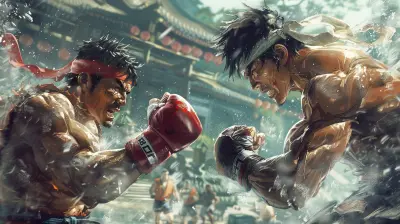
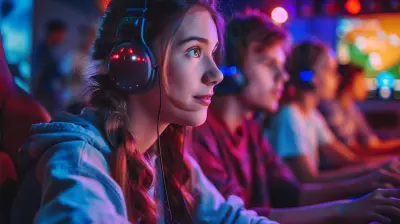
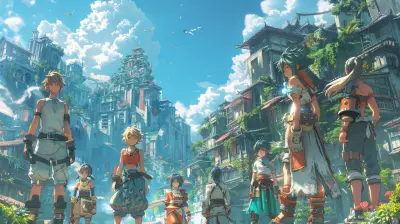
The Rise of College and High School Esports Tournaments
12 February 2026
Once upon a time, video games were just a hobby—something you’d sneak in after homework or grind through all weekend with your buddies. Fast forward to today, and esports aren’t just a pastime anymore. They’re legit competitions with cheering fans, scholarship money, and full-blown tournaments. And guess what? High schools and colleges are jumping in, headfirst.
That’s right—esports have left your bedroom and entered classrooms and campus arenas. Whether you’re a student, a parent, or just someone who loves the idea of gaming leveling up to the big leagues, this movement is something to watch.
Let’s break down how college and high school esports tournaments are turning heads and changing the game—literally.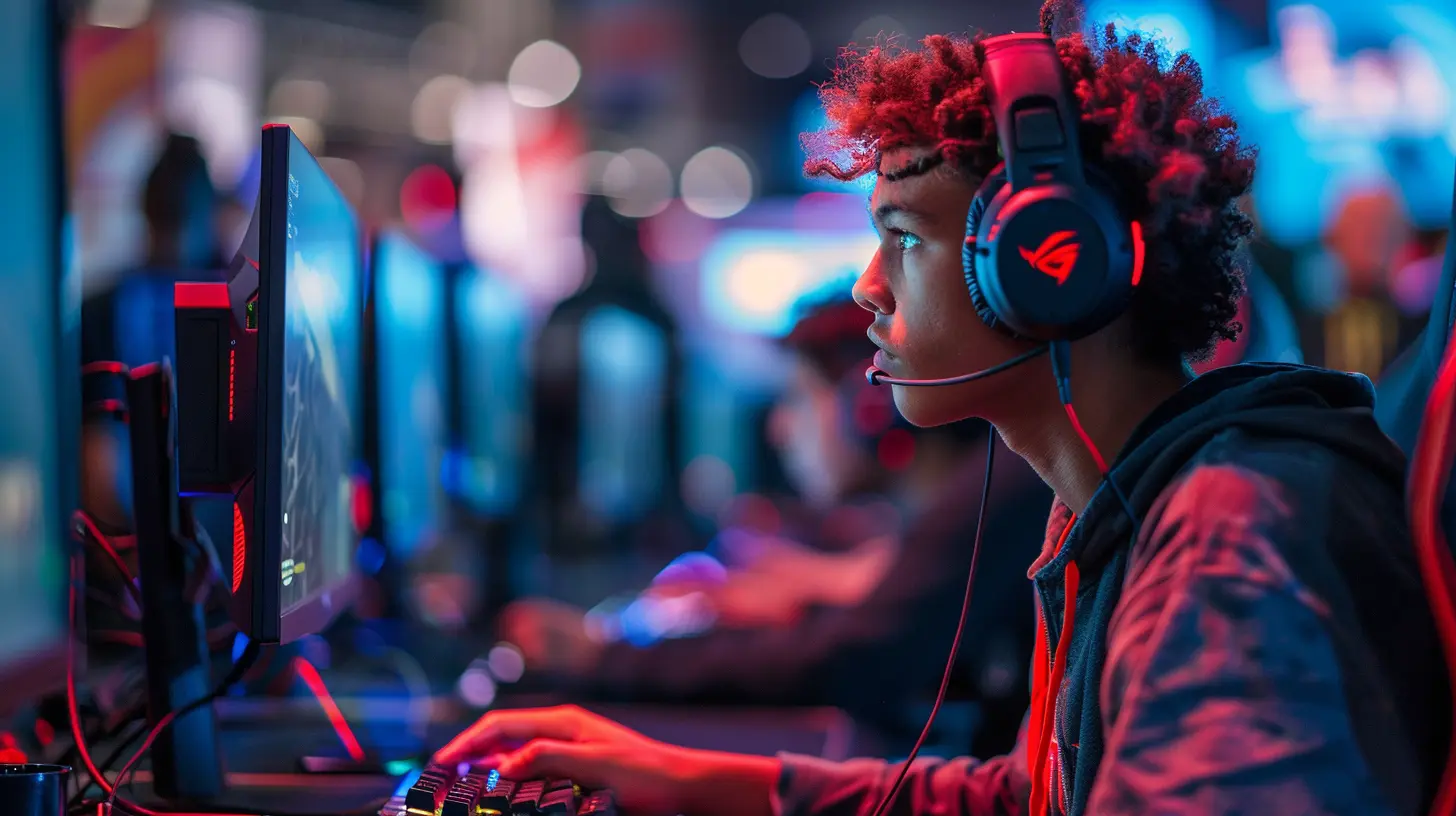
Gaming: From Couch to Campus
You might remember when being called a "gamer" wasn’t the coolest label in the school hallway. But that’s ancient history now. Esports have surged in popularity, and they’re being taken as seriously as traditional varsity sports.More and more schools are seeing the value in building esports programs. Why? Because gaming isn’t just about playing—it’s about strategy, teamwork, communication, and quick thinking. All the stuff employers and educators love.
And with big tournaments, national rankings, and even pathways to pro gaming careers, esports are now woven into the very fabric of student life.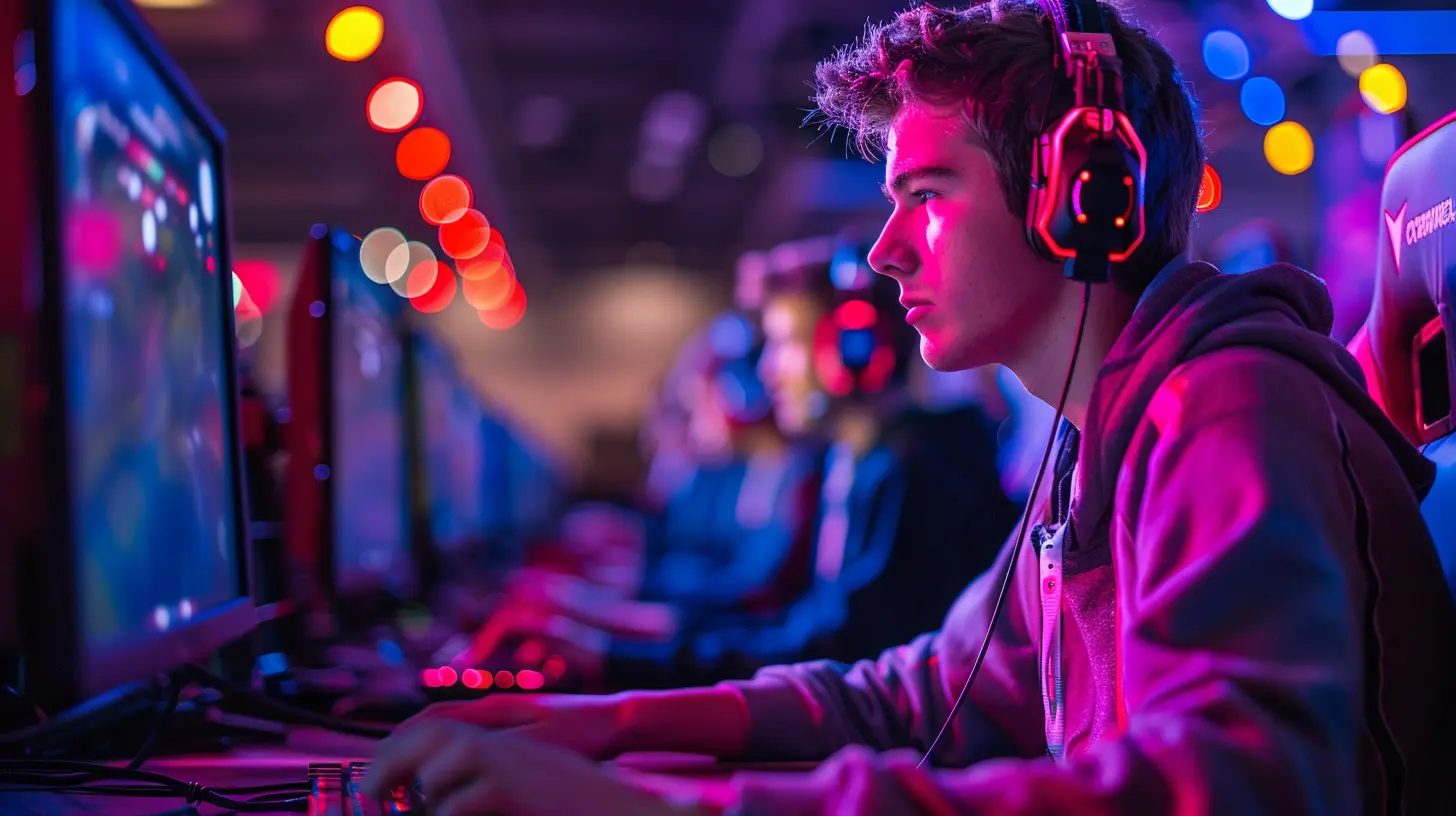
What’s Fueling This Esports Explosion?
Let’s keep it real—this didn’t just happen overnight. The rise of high school and college esports tournaments is the result of several factors syncing up perfectly. Here's what's really driving the hype:1. The Mainstreaming of Gaming Culture
Gaming used to be niche. Now? Everybody’s doing it. From Fortnite dances at school talent shows to Twitch streamers becoming household names, gaming is just part of life now. Schools quickly realized that tapping into this culture could boost student engagement like crazy.2. Scholarships and Career Opportunities
Parents used to say, “You’ll never make money playing video games.” Plot twist—they were wrong. Colleges are now dishing out actual scholarships to talented players. And esports careers go beyond playing—there’s shoutcasting (think sports commentary), coaching, social media, media production, and more.Suddenly, gaming looks a lot more like a career path and a lot less like a waste of time.
3. Accessibility and Inclusivity
Unlike some traditional sports, esports don’t require you to be 6'5", super muscular, or able to run a 5-minute mile. All you need is a PC (or console), a strong internet connection, and killer reflexes.Esports create opportunities for all kinds of students—introverts, tech-lovers, students with disabilities, and those who may not usually gravitate toward athletics.
4. Technology is Everywhere
Schools are investing in tech like never before. Gaming labs are popping up on campuses, complete with high-performance rigs, gaming chairs, and even professional coaching. Combine that with platforms like Discord and tournament organizers like PlayVS, and the infrastructure is set.No more LAN parties in your friend’s basement. We’re talking full-on arenas and pro-level setups.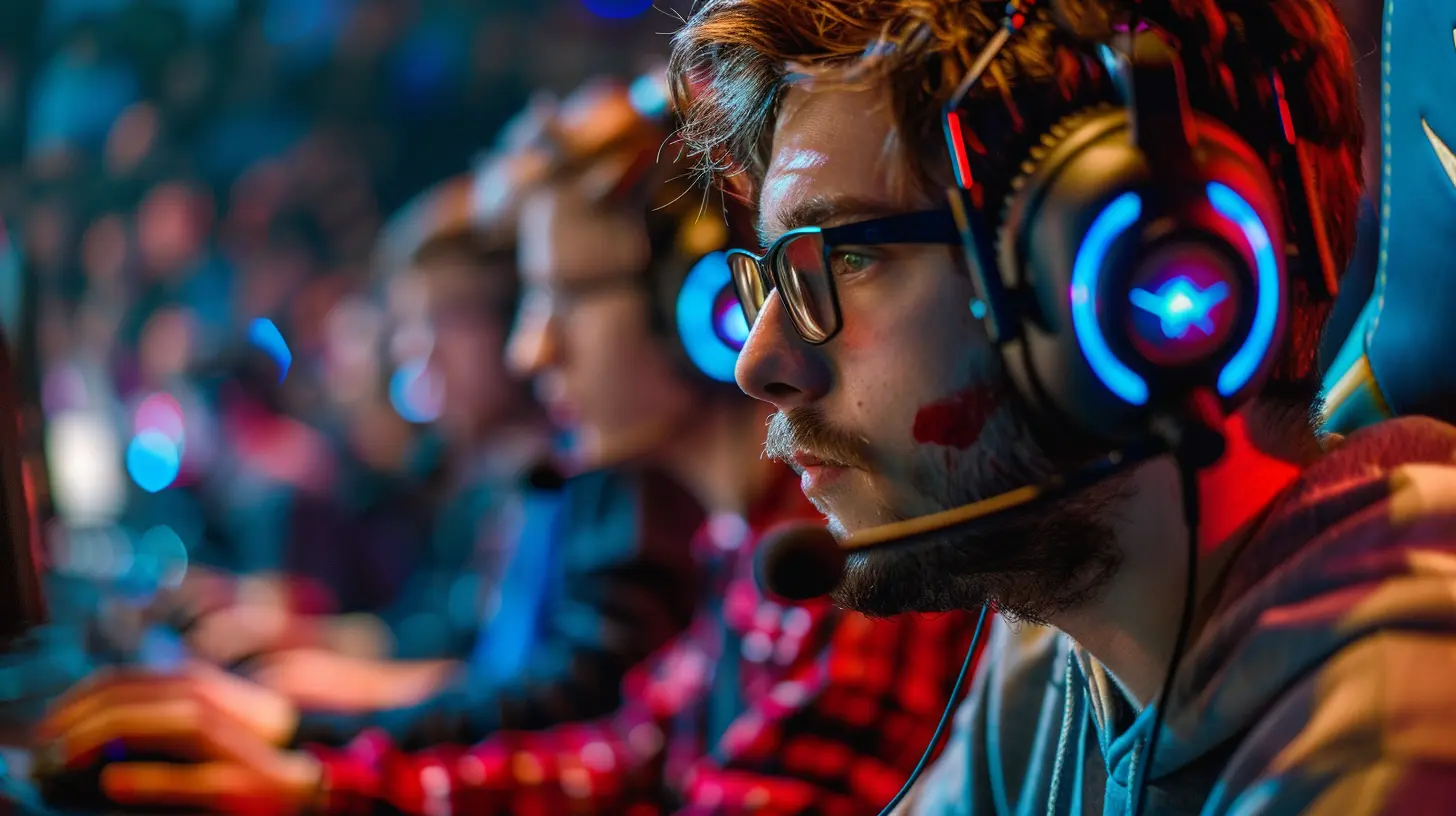
How High School Esports Tournaments Are Changing the Game
High school esports are booming—and for good reason.School Spirit in a Whole New Lane
You’ve heard of Friday night football games. But what about Friday night Overwatch tournaments? Schools are getting hyped about their esports teams, complete with jerseys, team names, and fans. It’s a new way to foster school pride.Catching Talent Early
High school esports programs give students a chance to hone their skills early. Coaches can scout emerging stars and help them build strategies, communication, and teamwork. And just like traditional sports, students can get noticed by college recruiters.A Positive Community
Gaming can bring students together like magic. Esports teams often become tight-knit crews, drawing in students who might not have joined any other school club. It’s a win-win—students find their “tribe,” and schools keep students engaged.
The College Esports Scene: Level Unlocked
Colleges aren’t just participating—they’re leading the charge. From varsity esports programs to full scholarships, universities are investing real money into their squads.Varsity Status and Scholarships
Over 200 colleges now offer varsity esports programs, with scholarships ranging from a few hundred bucks to full rides. These aren't just gaming clubs—they're actual, coach-led teams competing at the national level.That’s like getting a scholarship for playing League of Legends. Wild, right?
Professional Coaching and Training
Collegiate teams train seriously. We’re talking scheduled practices, strategy meetings, and game analysis. Coaches deconstruct matches, offer feedback, and help players sharpen their skills. It’s basically a bootcamp—but for headshots, not pushups.The Collegiate Tournaments Ecosystem
Tournaments like the Collegiate Rocket League (CRL), CSL, and NACE Starleague offer students a chance to compete on big stages. Some events are even streamed on Twitch or broadcast on ESPN.This isn’t just playing games—this is building a brand, competing nationwide, and maybe even going pro.
How Schools Are Making It Happen
The rise of esports didn’t just magically unfold—schools had to make moves. Here's how they're supporting the scene:Creating Esports Labs
Many schools now feature dedicated esports labs with high-end equipment. These labs aren’t just for gaming—they’re tech hubs for STEM education, streaming, and content creation.Hiring Coaches and Directors
Schools are hiring full-time esports coaches who manage teams, plan practices, and support players' academic performance. Think of them as the mentors guiding the next generation of esports legends.Partnering With Platforms
From PlayVS to the High School Esports League (HSEL), there are tons of competition platforms helping schools organize games, track stats, and connect with other schools.These platforms make it easier than ever to create structured, safe, and competitive environments for student gamers.
The Social Impact: More Than Just Games
Let’s zoom out for a second. Esports tournaments aren't just about winning and trophies—they’re shaping culture, friendships, and even mental health.Building Soft Skills
Being on an esports team teaches more than just map awareness and perfect aim. Students also learn leadership, communication, conflict resolution, and time management. You know—the stuff life actually requires.Inclusivity and Diversity
Esports attract a diverse crowd. Girls, non-binary students, students with disabilities—everyone has a seat at the table. This kind of inclusive space is priceless, especially in an educational setting.Mental Health Benefits
Games can be a safe haven—an escape, a way to connect, and even therapy. Esports teams often create supportive circles where students feel seen, appreciated, and understood.The Road Ahead: What's Next for Student Esports?
Okay, so we get it—esports are blowing up in schools. But what’s next?More Investment
We’re going to see even more scholarships, school support, and maybe even national rankings for high schools. Expect to see esports championships treated like NCAA March Madness.Career-Focused Curriculums
Some colleges are launching esports majors. That’s right—you can now study esports marketing, coaching, journalism, or game development all under official academic programs.Connecting Esports with Education
Esports aren't pulling students away from academics—they’re enhancing it. Esports programs often integrate lessons on coding, media production, business, and communication. It’s the ultimate form of gamified learning.Tips for Students Getting into Esports
Thinking about joining (or starting) your school’s esports team? Here's some real talk to help you out:- Start small: Join your school's club or form one if it doesn't exist. Even a few friends who love competing can grow into a solid squad.
- Pick your game: Whether it’s Valorant, Smash Bros., or Rocket League, master one game. Don’t try to play everything at once.
- Stay sharp: Practice regularly and study your gameplay. Watch the pros, learn from their strategies, and climb that rank ladder.
- Be coachable: Coaches love players who listen, improve, and support their team.
- Keep grades up: Esports players are student-athletes. Classes come first. Many programs require a GPA minimum, so don’t drop the ball on academics.
TL;DR – Esports Aren’t Just Playtime Anymore
The rise of college and high school esports tournaments is more than just a trend—it’s a revolution. Esports are transforming how we look at education, athletics, and careers. For students, it’s a chance to shine in a digital arena and learn life skills along the way.So the next time someone says, “Stop playing video games and do something productive,” you can proudly say, “I am.
all images in this post were generated using AI tools
Category:
Gaming TournamentsAuthor:

Audrey McGhee
Discussion
rate this article
3 comments
Indigo Baxter
Who knew trading sleep for gaming skills would become a legitimate career path? Finally, my years of yelling at the screen during finals could pay off! Pass the Mountain Dew!
April 8, 2026 at 4:13 PM
Audrey McGhee
It's amazing how passion for gaming can turn into a career! Cheers to all the late-night gamers making it big in esports!
Ingrid McKee
Isn’t it fascinating how college and high school esports tournaments are reshaping competitive gaming? I'm curious about the impact on student engagement and career opportunities—could this be the future of sports?
February 19, 2026 at 4:38 AM
Audrey McGhee
Absolutely! College and high school esports tournaments are indeed transforming competitive gaming, enhancing student engagement and creating new career pathways in the gaming industry. This could very well be the future of sports.
Nyari McInerney
Great article! It's exciting to see how college and high school esports tournaments are thriving. This growth not only showcases talent but also builds community and fosters teamwork among students.
February 17, 2026 at 5:33 AM
Audrey McGhee
Thank you! I'm glad you enjoyed it. The growth of esports truly is a fantastic way to bring students together and highlight their skills!