Terrifying Fan Theories That Change How We See Bioshock
25 June 2026
If you've ever wandered through the halls of Rapture or soared into the skies of Columbia, you already know the Bioshock series is more than just a shooter. It's eerie, philosophical, and jaw-droppingly complex. But here’s the kicker—what if some of the wildest fan theories out there actually make the story even scarier? Buckle up, because we’re about to dive into the dark rabbit hole of Bioshock fan theories that will leave you questioning everything you thought you knew.
Welcome to the Mind-Bending World of Bioshock
Bioshock isn’t your average video game. It’s not just about blasting splicers or picking which superpower to spam. It’s a narrative masterpiece layered with political commentary, ethical dilemmas, and just enough horror to make you sleep with the lights on.But fans, being the brilliant (and slightly obsessed) people they are, have put together theories that peel back an even darker layer of the story. These terrifying takes don't just add flavor—they can totally rewrite how we see the entire Bioshock universe.
Ready? Let’s blow your mind.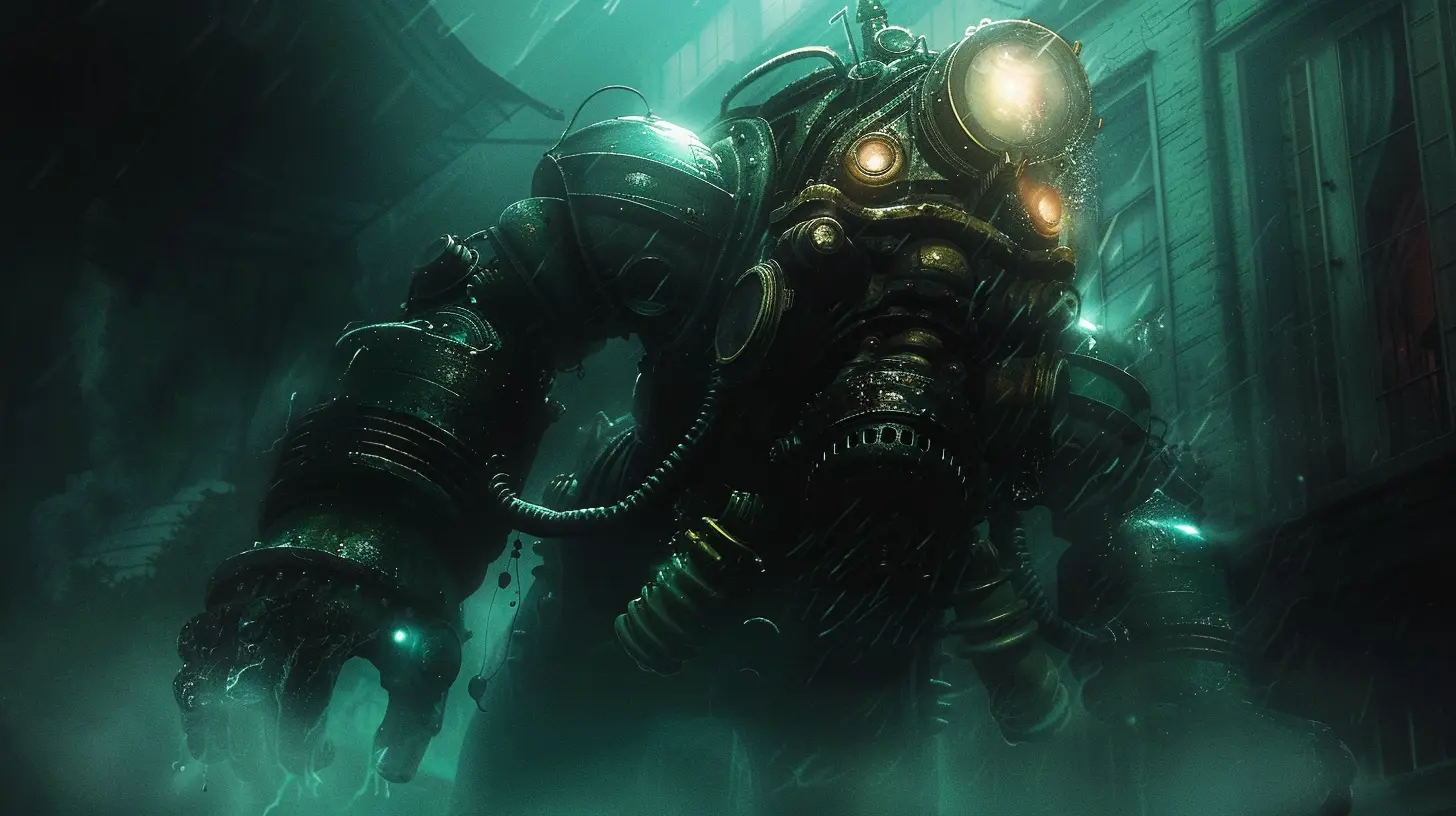
1. Jack Was a Monster All Along (Yeah, That Jack)
Let’s rewind to the original Bioshock—the iconic underwater dystopia of Rapture. You’re Jack, the so-called protagonist dropped into a crumbling city gone mad. You fight your way through chaos… but ever thought about why Jack’s so good at killing?Well, here’s a creepy theory: Jack wasn’t a hero. He was biologically engineered to be a perfect killing machine.
Remember how he obeys commands like “Would you kindly?” That wasn’t just a plot twist; it was a major red flag. Some fans believe Jack didn't become violent because he had to survive—he was designed that way from the start. Born and bred (literally) to take orders and execute them blindly. Morally-void, emotionally detached, and efficient. A true monster in a man’s skin.
Think about it. What if the real horror was never Rapture—it was the guy we were controlling all along?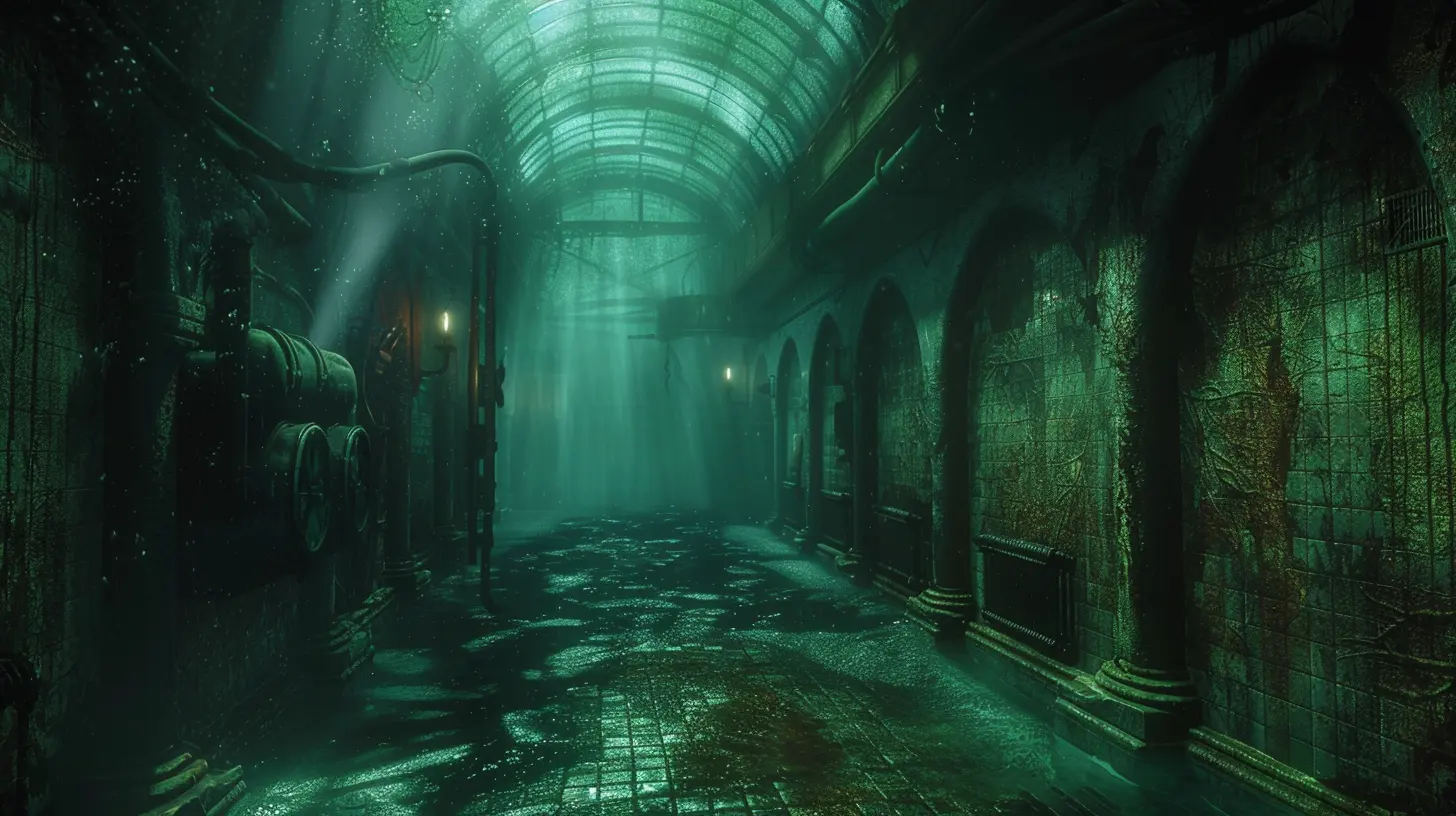
2. Booker and Jack Are the Same Person… Kinda
Okay, this one’s a doozy.Fans have noticed eerie similarities between Jack (from Bioshock 1) and Booker (from Infinite). They’ve got the same initials. Both are soldiers with shady pasts. Both end up as unwilling pawns in systems they don’t understand. Coincidence? Probably not.
Some theorists think they’re alternate versions of one another across the multiverse. Like, literally the same soul jumping between timelines, doomed to repeat the same tragic mistakes over and over again.
I know—it sounds like a stretch. But with Bioshock Infinite’s multiverse themes, it oddly makes sense. Infinite already told us, “There's always a man, a lighthouse, a city.” What if Jack and Booker are just different echoes of the same man, shaped by different choices and outcomes?
If that’s true, then the entire Bioshock series isn’t multiple stories—it’s one endless cycle of redemption and damnation.
Chills.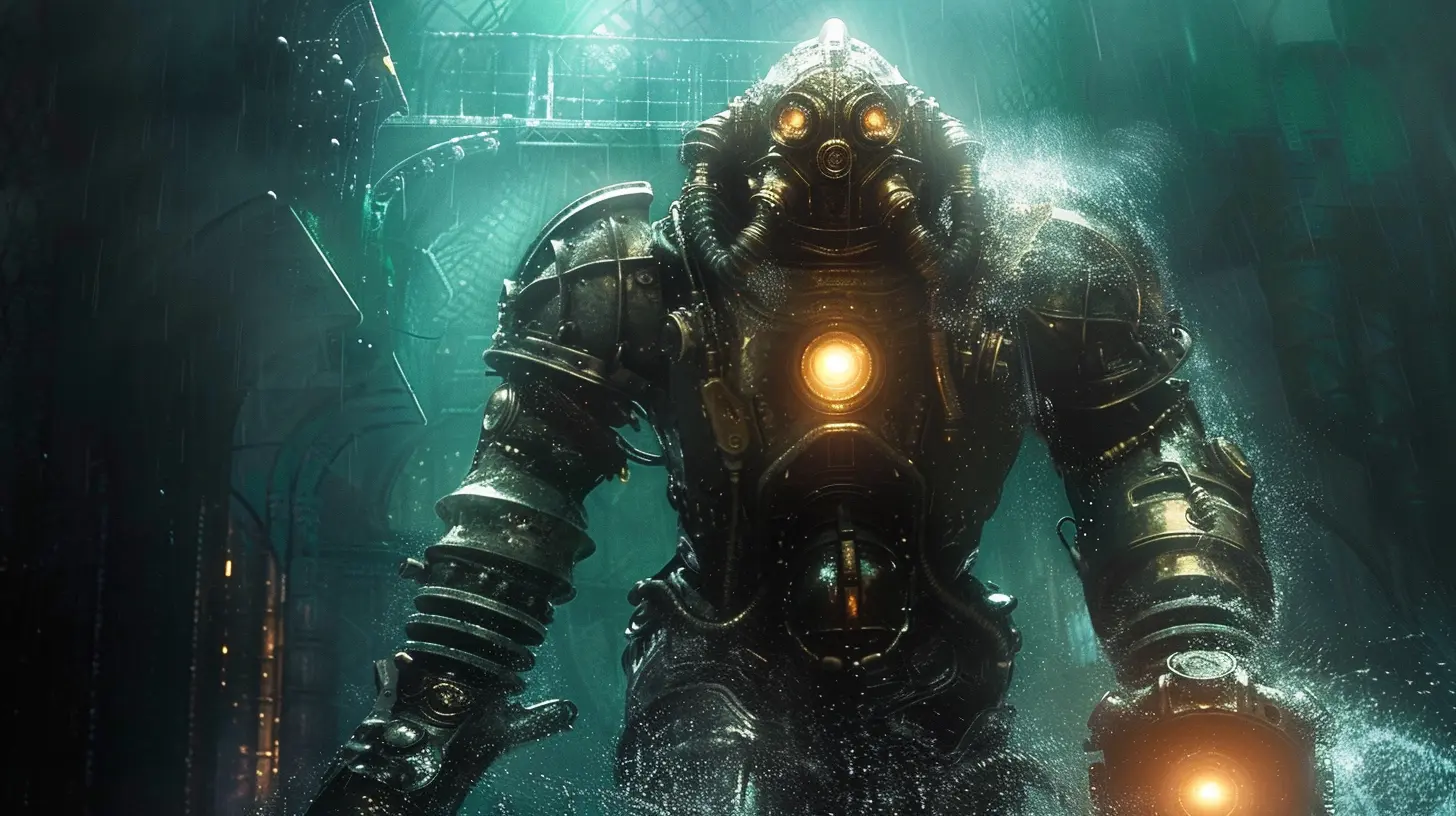
3. The Lutece Twins Are Godlike Beings
In Bioshock Infinite, the Lutece twins are quirky, clever, and kind of unsettling. They pop in and out of reality like it’s nothing and drop mind-bending riddles as if they’re handing out candy.Here’s the wild theory: they’re not human at all.
Some fans believe the Luteces evolved into higher-dimensional beings after their quantum experiments. Basically, they’ve transcended time and space, becoming godlike entities observing all timelines. They’re not stuck in one universe like us—they walk across realities like you’d change Netflix shows.
And the scariest part? They’re not just watching. They’re influencing.
What if Rapture, Columbia, and everything that went wrong—was all engineered or at least nudged by the twins in their cosmic chess game? That’s not just spooky—it’s straight-up existential horror.
4. The Little Sisters Remember … Everything
Little Sisters are tragic enough as is—those eerie-eyes, the haunting voices, that chilling repetition of “Mr. Bubbles.” But here's a fan theory that takes their horror to the next level.What if the Little Sisters retain full awareness of who they were before they were turned into ADAM-harvesting vessels?
Some fans believe that deep inside them, their original selves are screaming—trapped in a shell, forced to carry out the same grim tasks day after day. They giggle and skip through corpse-strewn corridors, not because they don’t see the horror, but because they’re mentally broken by it.
Even worse, when Jack rescues or harvests them? They remember that too.
If true, it adds a gut-wrenching layer to every decision you made in Bioshock. Were you really saving them—or just giving them a new kind of prison?
5. Rapture Is Columbia’s Future (Or Vice Versa)
We’ve been told Columbia came before Rapture, with Infinite acting as a prequel. But this theory flips that on its head.What if Rapture is actually Columbia’s future?
Hear me out—both cities were born from extreme ideologies. Columbia, floating in nationalism and religion, eventually collapses. Rapture, submerged in objectivism and science, also collapses. None of these cities survive, because they’re all built on impossible ideals.
Some fans think that after Columbia’s fall, a new movement rose from its ashes—one that believed in rejecting both religion and government control completely. Enter Andrew Ryan and the birth of Rapture.
Suddenly, Rapture isn’t the beginning of Bioshock—it’s the end result of Columbia’s failure. A terrifying cautionary tale of humanity’s never-ending cycle of utopia gone wrong.
6. The Player Is the True Villain
Here’s one that’ll mess with your head: what if the player—you—are the real villain?Think about it. You go into Rapture and Columbia, doing whatever you want. You kill, you steal, you use powers that mess with people's minds. You even choose who lives and dies. But you justify it because it’s just a game, right?
Some fans suggest that the Bioshock series is a meta-commentary on gaming itself. The “Would you kindly” twist wasn’t just part of the plot—it was a critique of how players blindly follow instructions in video games.
So essentially, the game is looking you in the eye and telling you: “You’re just like Jack. Just like Booker. Following orders. Killing without question. You are the monster.”
It’s a terrifying thought. One that makes you think twice the next time you click “New Game.”
7. Andrew Ryan Knew Everything All Along
Andrew Ryan is one of the most intriguing villains (or anti-heroes?) in video game history. But what if this guy wasn’t just a visionary—what if he was aware of the multiverse and everything that would happen?Some theories suggest that Ryan didn’t just build Rapture as a haven for objectivism. He built it because he knew it was all going to fail—every time, in every reality.
Think about that iconic scene—where he hands you the golf club and tells you to kill him. What if that wasn’t resignation? What if it was defiance against the inevitable cycle?
“Would you kindly?” wasn’t just a command reveal. It was Ryan’s final act of rebellion against a universe where he had no control. Now that’s dark.
8. Songbird Is a Twisted Big Daddy
Remember Songbird from Infinite? The mechanical beast with a tragic loyalty to Elizabeth?What if Songbird isn’t some unique creation—but a parallel to the Big Daddies from Rapture?
Their bond with their respective girls (Elizabeth and the Little Sisters), their intimidating presence, even their terrifying roars—yeah, see the resemblance?
Some fans believe Songbird is Columbia’s version of a Big Daddy, built with the same design philosophy, maybe even from the same technology. That means both cities weren’t just ideologically connected—they were technologically tied too.
Which makes you wonder: how many other parallels are hiding between these two worlds?
Why These Theories Matter
It’s easy to dismiss fan theories as random Reddit ramblings. But sometimes, they enhance the experience in a way the developers may have never imagined—or maybe subtly intended.What makes Bioshock so brilliant is its openness to interpretation. It’s not just about good vs. evil. It’s a canvas for exploring free will, morality, and whether we even have control over our choices. These terrifying fan theories tap into those themes and amplify them, showing us that the scariest monsters aren’t just splicers or founders. Sometimes, they’re us.
Final Thoughts
So, are these theories true? Who knows. But does that really matter?What matters is that Bioshock continues to haunt us—not just with jump scares or creepy music—but with questions we can’t shake. And that’s the mark of a truly great game.
Whether you’re a diehard fan or just someone who appreciates a good mind-bender, these terrifying fan theories shift the spotlight. They show us that sometimes, the scariest horrors aren’t on the screen—they’re in the spaces between the lines.
Would you kindly never look at Bioshock the same way again?
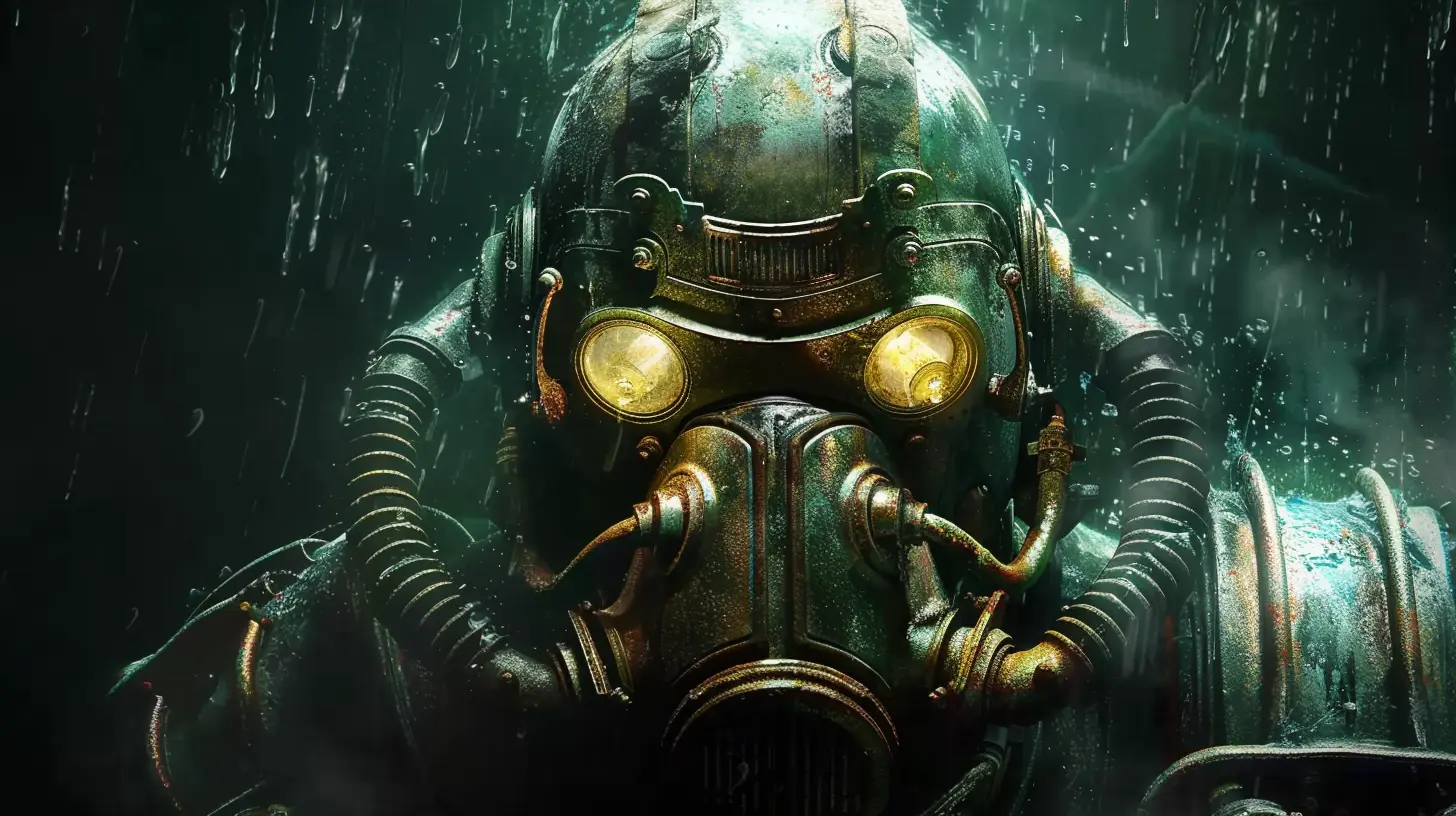
all images in this post were generated using AI tools
Category:
Fan TheoriesAuthor:
Audrey McGhee
Discussion
rate this article
1 comments
Zora O'Brien
These theories really shift perspectives!
June 25, 2026 at 5:17 AM
Audrey McGhee
I'm glad you found them thought-provoking! It's amazing how a new lens can change everything.