Fan Theory: Every Resident Evil Game Happens in a Single Night
21 May 2026
Let’s be honest—Resident Evil has been throwing us for a loop for decades. Zombies, bioweapons, creepy mansions, and corporate conspiracies are just the beginning. But here’s a wild fan theory that’s been making the rounds online: What if every Resident Evil game actually takes place during a single night?
Yeah, I know—on the surface, it sounds downright ridiculous. After all, some games have dozens of cutscenes, hours of gameplay, and globe-trotting sequences. But when you dig into the details and timelines, you might just start thinking, “Wait a minute...could this actually make sense?”
Strap in, grab your green herb, and let’s dive into one of the most bonkers (but strangely compelling) fan theories out there.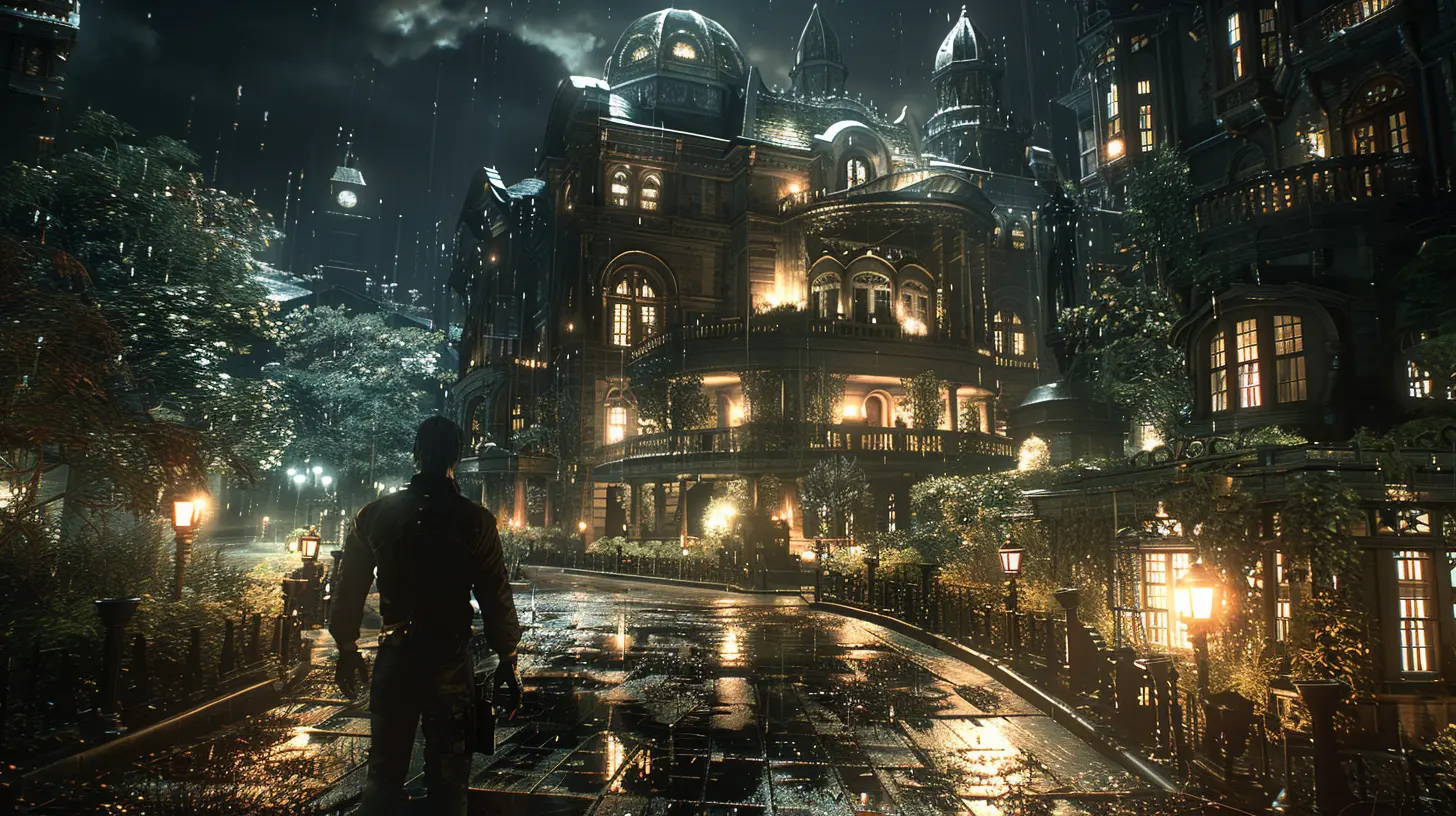
Wait, All in One Night? How’s That Even Possible?
Before we even start, let’s address the elephant in the room. One night? Seriously?Yes, seriously. The idea isn’t that all the games happen on the same calendar night, but that each game’s main events—from the first zombie groan to the final explosion—take place over the course of a single chaotic evening.
You know—that classic survival horror vibe where everything goes from bad to end-of-the-world in just a few hours.
So what’s fueling this theory? Let’s crack it open.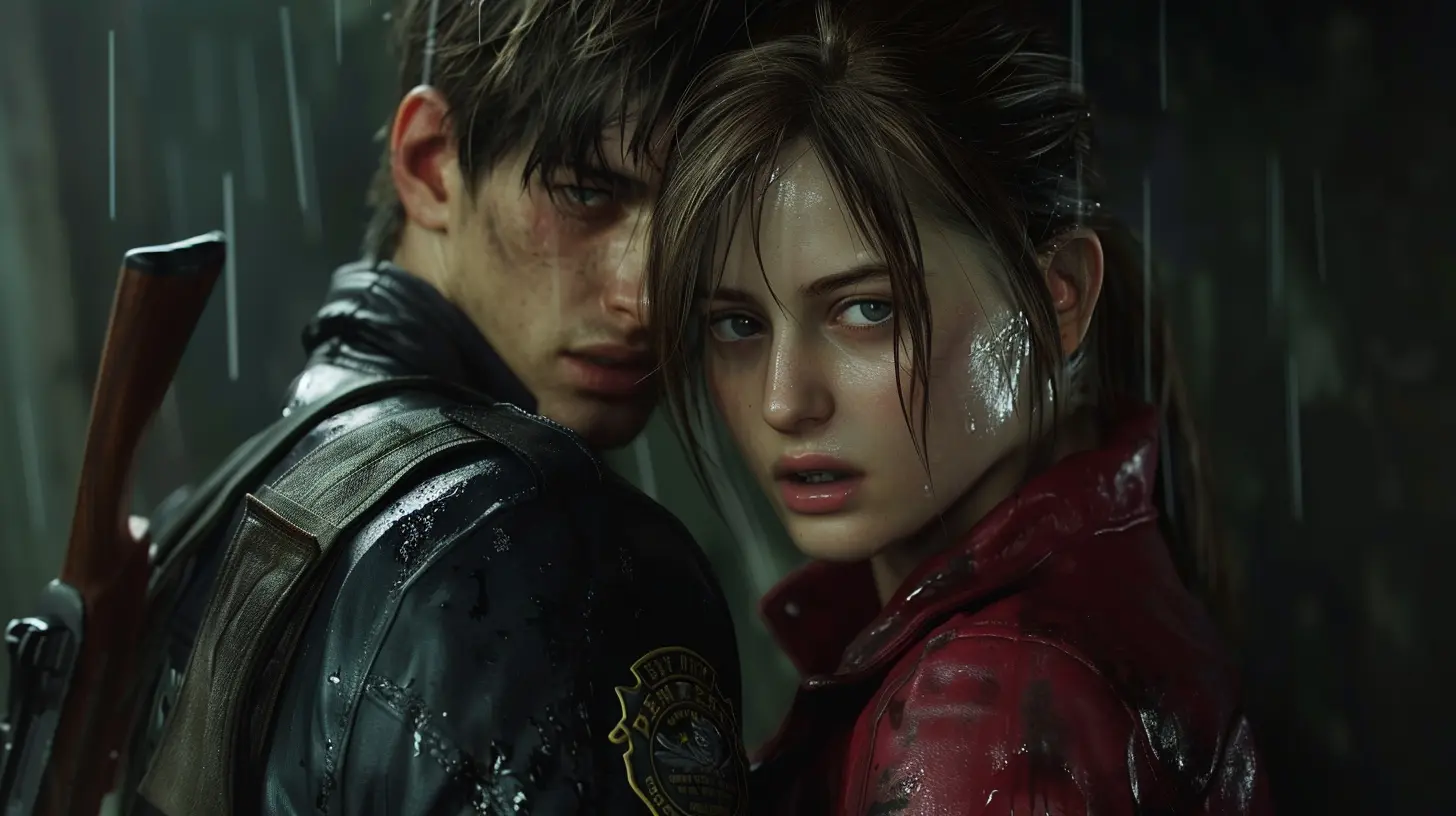
The Origins: Resident Evil’s OG Night of Terror
Let’s rewind to 1996’s original Resident Evil. You’re stuck in the Spencer Mansion. It’s dark (obviously), stormy (classic), and full of zombie dogs, crows, and bioweapons. There’s no sunrise. The climax happens just before dawn, and boom—escape.Just like that, the whole nightmare unfolds over one long, gruesome night.
And Resident Evil 2? Same deal. Leon and Claire arrive in Raccoon City at night, chaos ensues, and by the end, they somehow survive the apocalypse before the sun ever comes up.
Sound familiar? That “everything going to hell between dusk and dawn” structure seems to be a motif. Maybe it’s just coincidence—or maybe it’s a breadcrumb Capcom keeps leaving behind.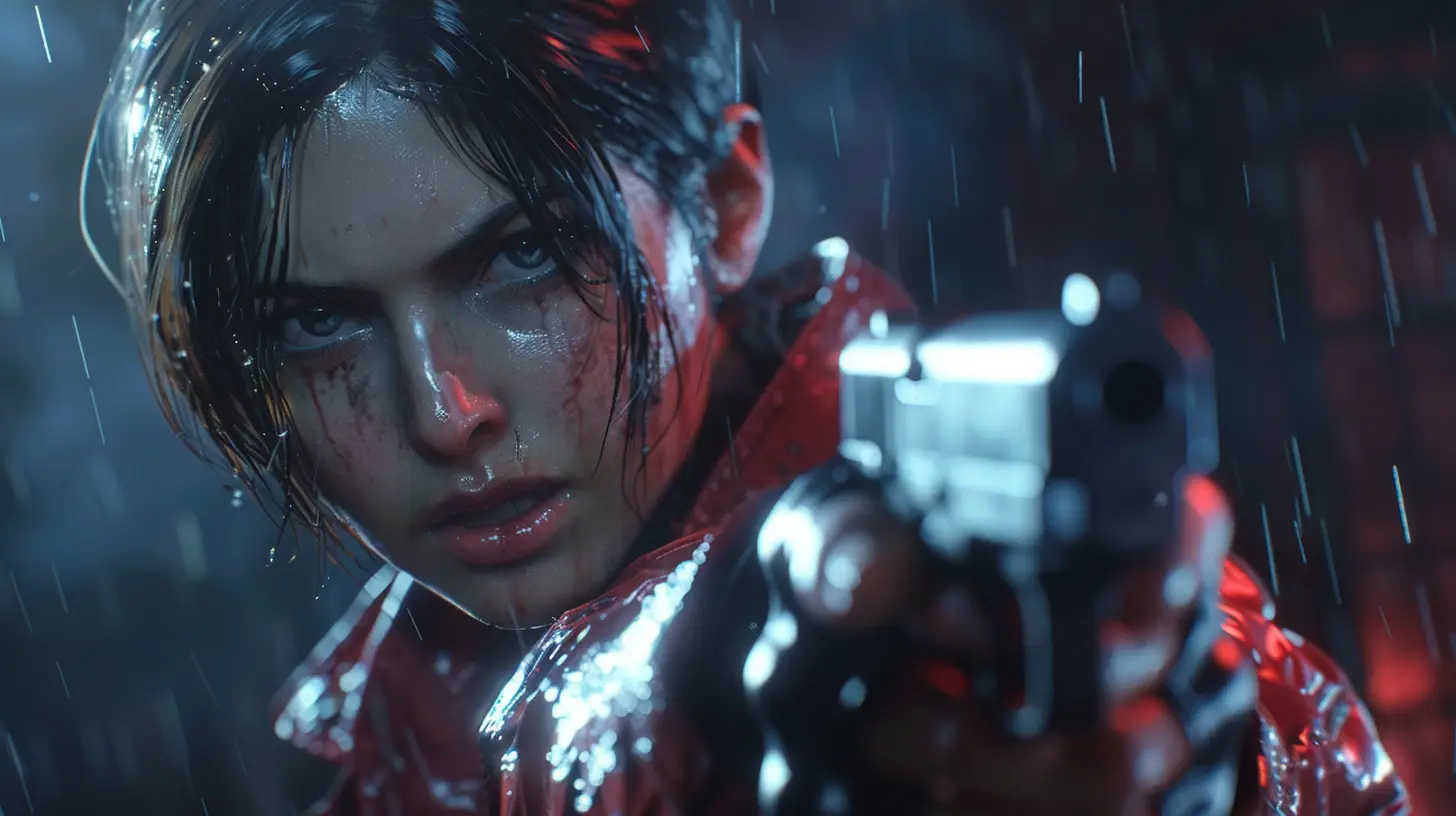
Resident Evil 3: Time Bender or Time Blender?
Now Resident Evil 3 is where things get juicy. It technically overlaps with RE2, which throws a wrench into fans trying to piece together a logical timeline. Jill Valentine is dodging Nemesis while Leon and Claire are dealing with the police station nightmare.Different characters. Same city. Same time.
It’s like RE3 is the B-side of the longest night ever recorded. Capcom even confirmed both games’ events take place within the same 24-hour span. So guess what? That’s three main games, all compressed into a single-night format.
Coincidence? Or pattern?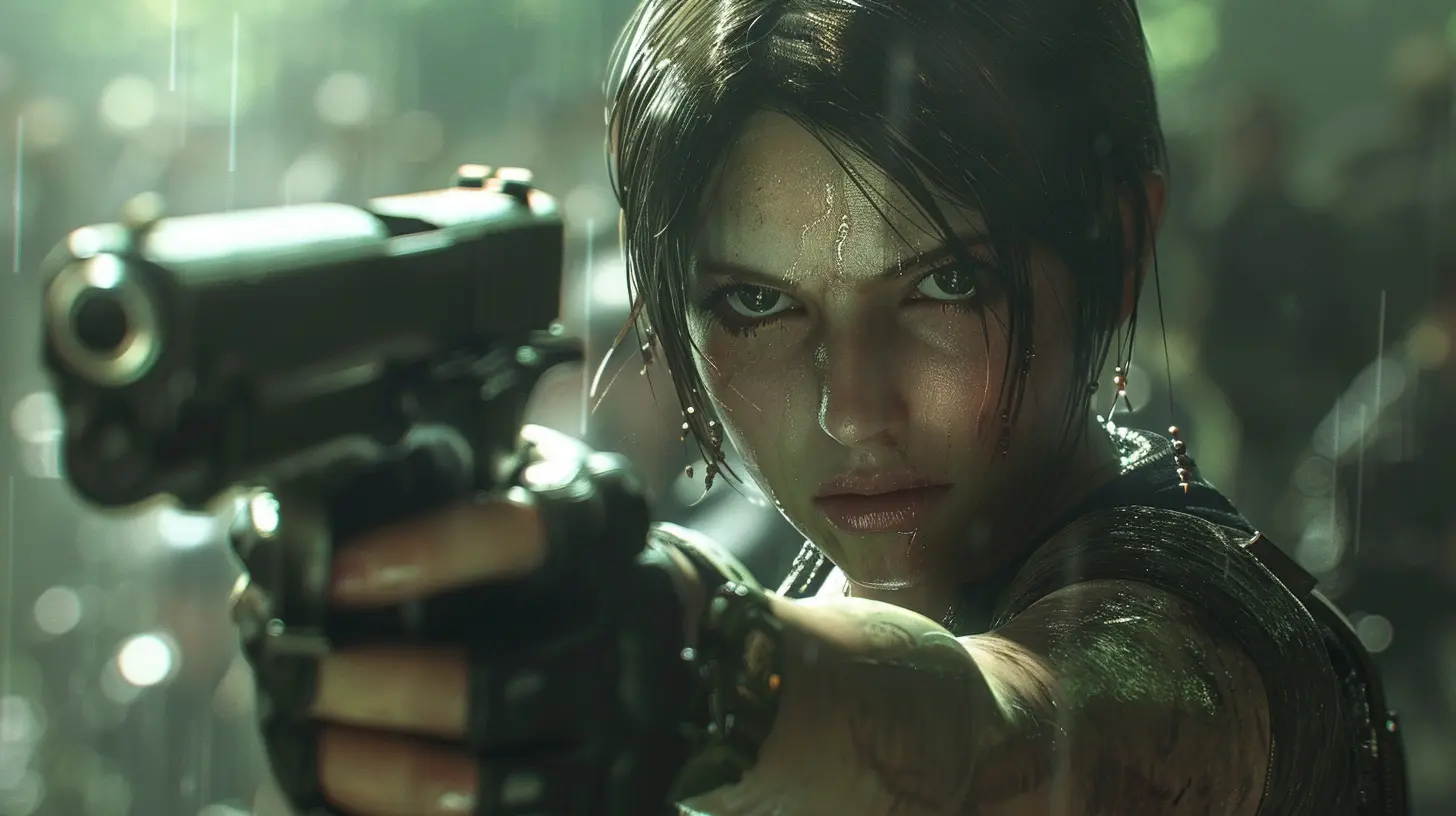
Resident Evil 4 and the “No Sleep Leon” Theory
Alright, now things go off the rails—Resident Evil 4 style.Leon Kennedy, now rocking the Secret Service look, gets sent to a remote Spanish village to rescue the President’s daughter. Over the course of the game, he squashes cultists, takes down a literal castle, and kills a mutant Napoleon. The game feels like it spans several days, right?
But here’s where it gets interesting.
There are very few clear indicators of time passing. No long sleeps. No sunrises. Just boom-boom-boom—action after action with no breathing room. The fan theory suggests this all happens in one mad, sleep-deprived night. Leon, running on pure adrenaline and one-liners.
Yeah, it’s absurd. But somehow, it kind of tracks.
Resident Evil 7 and 8: A Nightmarish Double Feature
Let’s fast forward to Ethan Winters’ misadventures.In Resident Evil 7, Ethan drives through the bayou to find his missing wife. He enters a derelict house and is instantly thrown into a Saw-meets-Texas-Chainsaw-Massacre horror show. Again, it’s night. Again, there’s no daylight. And just like Jill and Leon before him, Ethan fights to survive until—guess what?—rescue shows up at dawn.
Now jump to Resident Evil Village (RE8). Ethan’s back at it, this time in a snowy Transylvanian-style village. The game starts at night. Ends at dawn. He literally takes on a vampire queen, a mechanical monstrosity, and more—all without ever catching a nap or seeing the sun hang high in the sky.
It’s like Capcom’s giving us a wink and a nod with this pattern.
But What About Code: Veronica and RE5?
Okay, things get a bit messy here.Resident Evil Code: Veronica and RE5 seem to break the “one night” rule. Claire travels to a prison on an island, then to Antarctica. Chris later follows. That’s gotta take days, right?
And RE5? Chris and Sheva fight in Africa, under a scorching sun—hard to argue that’s all during one night, unless Africa suddenly became Alaska.
Here’s where fans get creative.
Some argue that the key events—the bioweapon battles, the boss fights, the actual “Resident Evil” moments—still unfold in one action-packed night per character. The travel time? Just fluff. Don’t focus on the downtime. Focus on what’s relevant.
It’s a stretch for sure, but isn’t that the beauty of fan theories?
Thematic Consistency: Darkness Brings the Evil
Take a step back. What’s the core vibe of Resident Evil?Dread. Isolation. Fear of the unknown.
And all those emotions hit hardest at night. The darkness isn’t just for jump scares—it’s metaphorical. Each Resident Evil game throws its characters into a literal and figurative darkness. The night represents chaos, and daylight offers resolution.
If every game’s climax arrives right as dawn breaks, then maybe the “night” represents the entire arc of evil they must survive.
Think of it like this: Night is the infection. Day is the cure.
The Real Reason: Game Design and Horror Tropes
Okay, time to ground this theory a little.Even if this ‘single night’ concept isn’t canon, there’s a very practical reason behind it. Horror works best at night. From movies to books to games, darkness is the ultimate horror tool.
When you set a story in one night, it creates a tight, tense structure. No wasted moments. No boring filler. Just nonstop intensity—which is exactly what Resident Evil thrives on.
Is it realistic? Not at all.
But is it effective? Absolutely.
It's like setting a rollercoaster ride at midnight. You know stuff’s about to get wild, and you don’t need daylight ruining the atmosphere.
So...Is the Theory Actually True?
Let’s be honest. This theory is more vibe than fact.The timelines in Resident Evil are all over the place. Some games canonically take days or weeks. Others are intentionally ambiguous. Capcom probably didn’t sit down and say, “Hey, let’s make every game happen during one night.”
But as a thematic headcanon? It kind of slaps.
The idea adds a poetic rhythm to the series. One long night per crisis. One long battle between light and dark. And survivors emerging from the shadows, just as the sun rises.
Sounds badass, right?
Final Thoughts: Let’s Embrace the Madness
Whether you buy into the theory or chuckle at the idea, you’ve got to admit—it makes Resident Evil even more fun.Thinking about Leon sprinting through a zombie-ridden city, getting no sleep, then rescuing the president’s daughter without blinking? That’s meme-worthy gold.
And Jill, Claire, Ethan, and Chris—each of them facing world-ending horror and living to see another sunrise?
It’s poetic. It’s absurd. It’s Resident Evil.
So the next time you boot up one of the games and the sun never rises…just remember: maybe you’re still stuck in the same night. And maybe the real evil here—is sleep deprivation.
all images in this post were generated using AI tools
Category:
Fan TheoriesAuthor:
Audrey McGhee
Discussion
rate this article
2 comments
Kara Ramos
What if all the chaos of Resident Evil unfolds in just one night? Imagine the secrets hidden in every corner and the connections between characters. A gripping theory worth exploring...
July 10, 2026 at 5:12 PM
Audrey McGhee
That would definitely add an intense layer to the story. The idea of secrets everywhere and tense character interactions would create a gripping experience. Exploring those connections could reveal a lot about the series.
Pierce Beck
This theory is intriguing, but the timelines often contradict each other.
May 27, 2026 at 4:14 AM
Audrey McGhee
I get what you're saying. The timelines can be tricky, but that's part of what makes the theory fun to explore. Thanks for sharing your thoughts!