Pay to Win Versus Time Investment Models
28 June 2026
Gaming has transformed big time, hasn't it? From pixelated arcades to sprawling online universes, games now come with their own economies, communities, and controversy-packed systems. One of the hottest debates still frying tempers in forums and subreddits is the classic: Pay to Win Versus Time Investment Models.
So, what makes players rage-quit over this issue? It all boils down to how progression works in a game. Are your skills and time the real ticket to victory, or is your credit card the ultimate cheat code?
Stick around, because we're diving deep into this juicy topic — from how both models work, why they matter, and how they shake up our favorite gaming experiences.
What Does "Pay to Win" Really Mean?
Let’s kick things off with the infamous “Pay to Win” (P2W). Most gamers hear that phrase and immediately roll their eyes or groan — and for good reason. In P2W models, players who spend real-world money get access to superior gear, stats, or advantages that directly impact competition.Imagine this: you're grinding for weeks, perfecting your build, mastering your strategy — and then someone with a shiny credit card zooms past you in every leaderboard because they bought all the upgrades. Frustrating, right?
Some typical P2W practices include:
- Purchasing exclusive, overpowered items.
- Unlocking characters or abilities without the grind.
- Skipping long upgrade times with real money.
It’s like showing up to a marathon where half the runners paid to drive halfway and still get a medal. Not cool.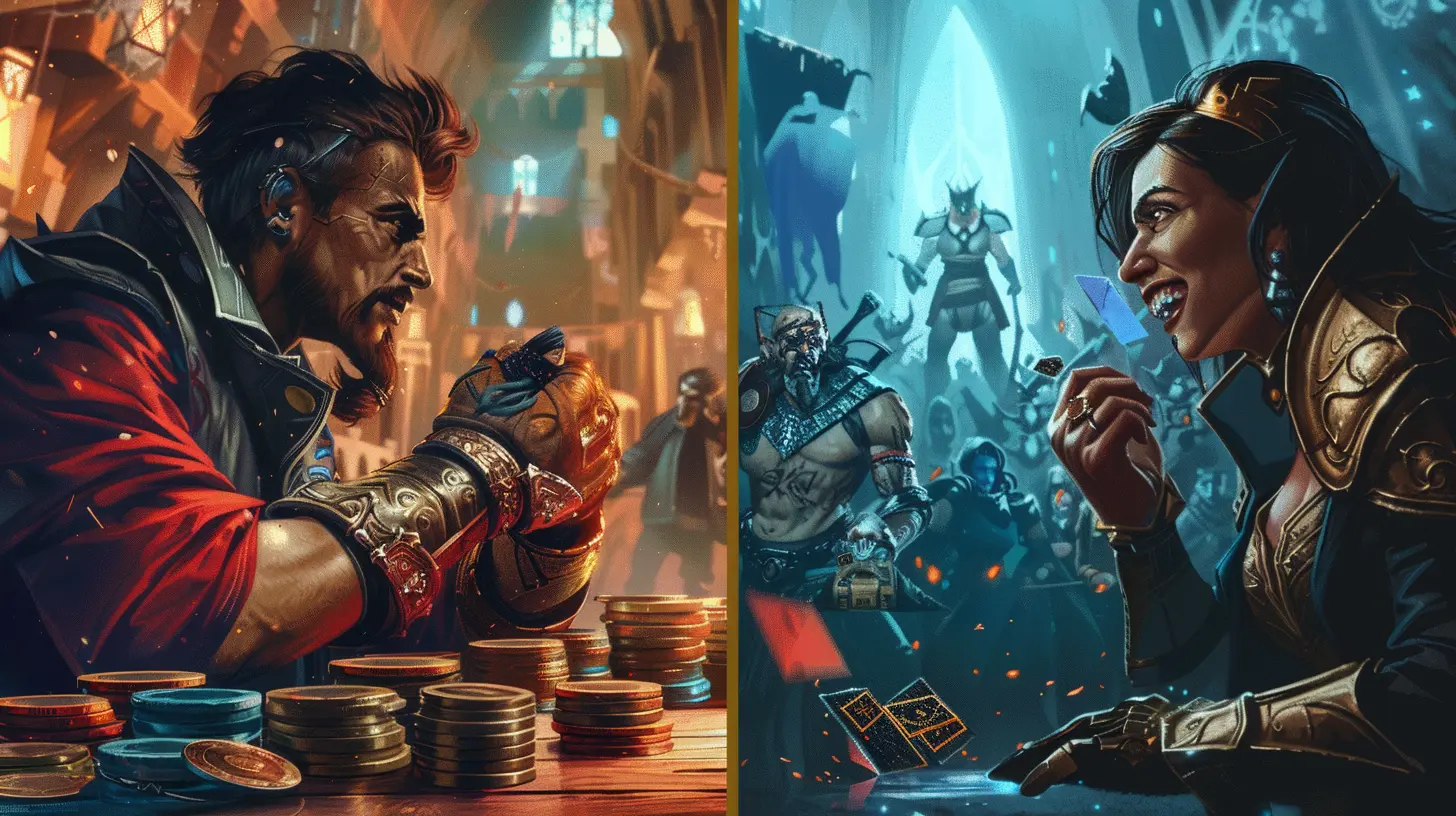
Understanding the Time Investment Model
On the flip side, we’ve got the Time Investment Model, which basically rewards you for... well, playing the actual game. Crazy concept, right? The more time you spend learning, leveling up, and exploring, the stronger your character becomes.This model recognizes your effort — whether it’s farming for materials, battling bosses, or completing quests. You earn your stripes, and that victory feels sweet because you know you worked for it.
A few games that reflect this philosophy:
- Titles with massive skill trees and progression (like The Witcher 3 or Skyrim).
- MMORPGs that require hours of dedication.
- Competitive games based more on skill than spending (think Rocket League or CS:GO).
This model can feel more “fair” to players, especially those who can’t or won’t shell out cash to stay competitive.
Why Players Clash Over These Models
Let’s be real: not everyone plays for the same reasons. Some want casual fun, others thrive on competition, and then there are completionists who will max out every stat available.Here’s where the beef starts.
Pay to Win games appeal to those who want quick results. Maybe they don’t have the time to spend 60 hours grinding an item. Maybe they just want to have fun without the chore of unlocking every single thing.
But for others? P2W kills the spirit of competition. If you can buy your way to the top, where’s the challenge?
It’s a bit like playing Monopoly with someone who brings their own money and buys extra hotels before the game starts — kinda defeats the purpose, doesn’t it?
The Gray Area: When Lines Get Blurry
Not every game is clearly P2W or Time Investment. Some straddle the line — think of games with “optional” microtransactions. You could technically grind for that sword, but it’ll take 40 hours. Or, you could pay $4.99 and get it now.This gray area is dangerous because it creates pressure. Even if a game isn’t strictly P2W, players may start feeling like they have to spend to keep up — especially in multiplayer titles.
Let’s call this the “Pay for Convenience” model.
It’s sneaky. It doesn’t scream "unfair dominance," but it still nudges you toward opening your wallet. In these cases, free-to-play becomes more like "free-to-try, pay-to-compete."
Why Developers Love Pay to Win (Hint: It’s $$$)
Here’s the hard truth — P2W makes money. A lot of it.Free-to-play games rake in billions through microtransactions. When players pay for power-ups, cosmetics, or boosts, developers cash in. It’s an easy business model to understand. Low barrier to entry = large player base. Add tempting items = increased revenue streams.
Think of mobile games — Clash of Clans, RAID: Shadow Legends, or even Genshin Impact (though that one’s more of a gacha system). Each is free to download but thrives on micro-purchases.
Companies aren’t evil for doing this; they’re running a business. But from a player’s point of view, it can sometimes feel like your enjoyment hangs on your willingness to spend.
Time Investment: Glorious or Grueling?
Let’s not pretend the Time Investment route is always sunshine and epic loot. Sometimes it’s just... work.Games that rely heavily on time-based progression can suffer from:
- Repetitive grinding loops.
- Huge time sinks with little payoff.
- Long wait times for real progression.
Ever farmed thousands of materials just to improve a weapon by 2%? Yeah, we’ve all been there.
That said, the satisfaction of earning something — truly earning it — hits different. Remember the first time you beat a raid boss or unlocked a legendary skin after hours of gameplay? Instant dopamine.
But not everyone has the time to commit dozens of hours a week. That’s where P2W starts to look tempting — even to the most dedicated players.
Competitive Gaming and the P2W Problem
Here’s where the battle intensifies — competitive games.Imagine investing dozens of hours into a ranked shooter or a strategy game only to get steamrolled by someone who bought high-tier weapons or buffs. It kills the spirit of fair play.
In esports especially, P2W dynamics can cripple legitimacy. No viewer wants to watch a tournament where wins are based on who spent the most money. Balance becomes a mess, and player trust tanks.
Games like Fortnite avoid this by making all paid content purely cosmetic. It’s a smart move — players can spend money without gaining a combat advantage. Everyone gets to play on a level field.
Hybrid Models: Can They Work?
So what’s the solution? Is there a middle ground?Actually, yes. Some games balance both models surprisingly well by:
- Offering cosmetic-only monetization.
- Letting players unlock premium content through gameplay or payment.
- Limiting paid advantages to non-competitive areas.
Take Path of Exile as an example. You can pay for convenience (extra inventory space, visual effects), but the core gameplay remains untouched. It respects both time and money without compromising fairness.
Another example? Warframe. You can grind for everything in the game, but if you’re short on time, you can spend real money to speed things up. The key difference? Neither route gives you an unfair advantage.
The Player's Perspective: Which One Feels Better?
Here’s something worth thinking about: which model actually respects you more as a player?Pay to Win?
- Feels like a shortcut.
- Offers instant gratification.
- Can alienate non-spending players.
Time Investment?
- Feels earned and rewarding.
- May become tedious over time.
- Requires serious commitment.
The sweet spot? Games that mix both without compromising balance or fun. Players should feel rewarded for their time, but not punished for not spending. And if they do spend, it shouldn’t ruin the experience for others.
What Should Players Support?
If you're wondering where to put your time (and possibly money), here’s a little checklist to think about:- Does the game reward skill or spending?
- Are paid items balanced or overpowered?
- Can you achieve the same things without spending?
- Are microtransactions cosmetic or competitive?
Support games that value your time. Vote with your wallet. Developers pay attention to what players are investing in, and community feedback actually shapes future monetization strategies.
Final Thoughts: Choose Your Grind (or Spend) Wisely
Both Pay to Win and Time Investment models have their place in the gaming world. One isn’t inherently better than the other — it really comes down to how they’re implemented and what type of player you are.If you're in it for the challenge and satisfaction, nothing beats earning your way to epic wins. But if you're short on time and the game plays fair with its monetization, there's no shame in loosening the purse strings a bit.
The real problem? When games go too far — when spending becomes mandatory instead of optional, or when grinding crosses into soul-draining territory.
As always, the best games are the ones that bring players together, reward skill and effort, and keep things fair for everyone, regardless of their bank balance.
Game on!
all images in this post were generated using AI tools
Category:
Pay To Win GamesAuthor:

Audrey McGhee
Discussion
rate this article
1 comments
Micah McGrath
Both models have their merits, but balance is crucial for fairness and enjoyment.
June 29, 2026 at 3:19 PM
Audrey McGhee
I appreciate your insight. Finding that balance is key to creating a fair experience for all players.