Are the Stalkers in The Last of Us Sentient?
21 April 2026
If there’s one thing that sticks with you after playing The Last of Us, it’s the haunting image of the Infected. They’re grotesque, unsettling, and brutally relentless. Among them is a particularly creepy variant that often gets overshadowed by the infamous Clickers and Bloaters — the Stalkers. These guys are sneaky, terrifyingly fast, and absolutely unpredictable.
But here’s a question that gets under the skin of every The Last of Us fan at some point: Are the Stalkers in The Last of Us sentient? Do they know what they're doing? Is there a flicker of humanity somewhere in their disfigured minds?
This question isn’t just a casual thought — it taps into the broader philosophy and psychological horror that The Last of Us thrives on.
So, buckle up. We're diving deep into the fungal, freaky world of Stalkers to see if there's something more intelligent lurking behind those twitchy movements and lurking shadows.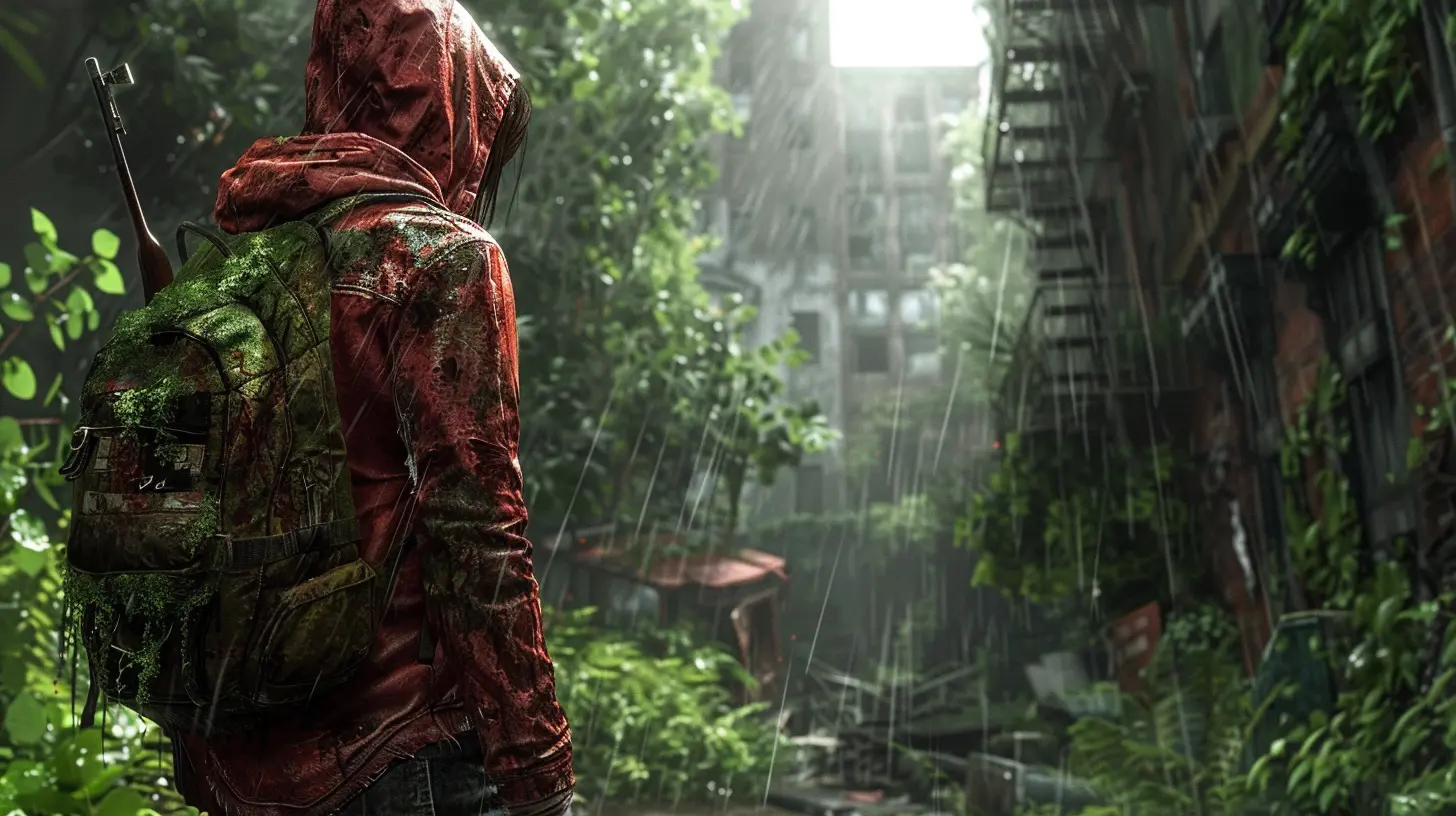
What Are Stalkers in The Last of Us, Anyway?
Before we break down their potential for sentience, let’s get the basics right.Stalkers are one of the four main stages of Cordyceps brain infection (CBI). They appear after the Runner stage and before morphing into a Clicker. It’s like the awkward teenage phase of the infected — they’ve lost a decent chunk of their humanity but haven’t fully turned into echolocating monsters just yet.
What sets Stalkers apart?
- They hide before they attack – unlike Runners who charge you, Stalkers wait.
- They peek from behind cover – yes, really.
- They're faster and sneakier – imagine being hunted by something that doesn’t just mindlessly chase but plans.
Creepy, right?
Now, that behavior — peeking, ambushing, planning — is what raises the very question we’re here for. Is that instinct… or is it intelligence?
What Does It Mean to Be Sentient?
Let’s not get too deep into the philosophical weeds, but we need a working definition of sentience.In simple terms, sentience means the capacity to feel, perceive, or experience subjectively. If you’re sentient, you’re not just reacting to your environment — you're aware of it. You make choices based on experiences, not just biological triggers.
Now ask yourself this:
- Are the Stalkers reacting like insects?
- Or are they responding like something that’s aware?
That’s the million-dollar question.
The Behavioral Clues: Are They Just Smarter Monsters?
You know what makes Stalkers creepy? It's not just the design (which is nightmare fuel, let's be real). It's the behavior.Here’s what makes many players (and even developers) raise an eyebrow:
1. They Peek Around Corners
Think about that for a second. That’s not something purely instinctual. That’s a tactical move. Something that’s trying to avoid detection isn’t just “mindlessly infected.” It’s trying to outwit you.It’s like when you try to scare someone and they peek through a window before opening the door — that’s not raw aggression, that’s calculated.
2. They Set Up Ambushes
Some Stalkers don’t come charging at you. They wait. They hide in shadowy corners. They stay deathly still until you’re close.Isn’t that eerily human-like? Predators do it in the wild, sure. But predators like lions or wolves are well-evolved creatures. In The Last of Us, though, these are supposed to be... mushrooms taking over brains?
That’s not just fungus doing its thing — that feels like strategy.
3. They Retreat When Injured
This one’s wild. Stalkers don’t always fight to the death. Sometimes they actually back off. That’s self-preservation — one of the first signs of awareness.Why would a brainless creature try to avoid pain or death if it doesn’t care about dying? Maybe there’s still some remaining instinct to survive?
Or maybe — just maybe — there’s a flicker of something deeper.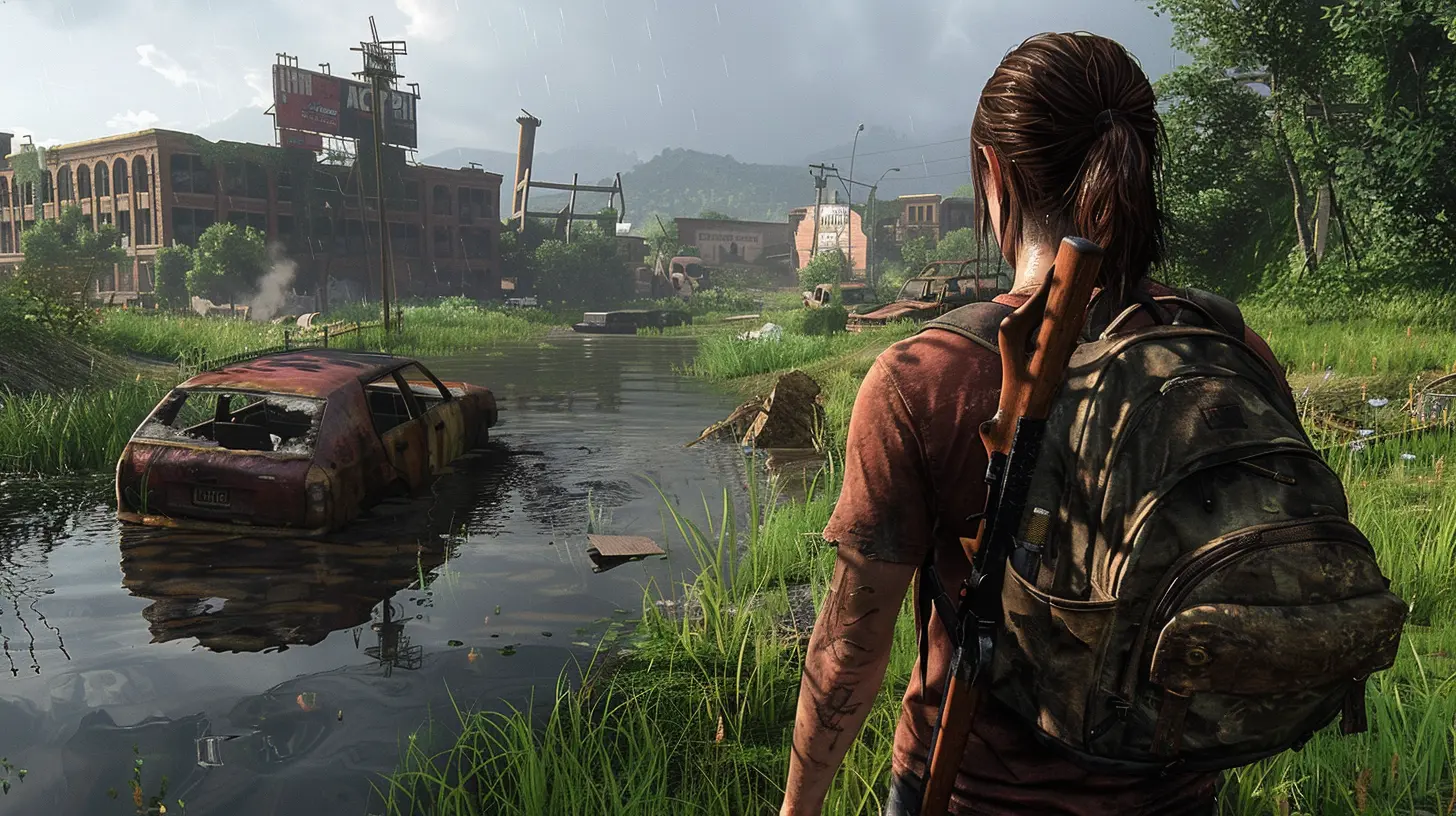
The Science Behind the Cordyceps Infection
Let’s jump into some science fiction meets nature documentary vibes for a sec.The Cordyceps fungus in the game is based on a real-life parasite found in ants. It invades the host body, hijacks their nervous system, and forces them to act in ways that spread the infection.
But real-world Cordyceps isn’t intelligent. It’s just absurdly effective.
Remember, in the game, the fungus mutates and evolves to infect humans. That version spreads throughout the brain, reorganizing it, and strengthens certain survival behaviors.
But the big question is:
Could it be unlocking older, deeper parts of the human brain?
Is it possible that the infected, especially Stalkers, are accessing primal instincts or even mimicking the behavior of the host they once were?Imagine if parts of the original personality flicker through — like muscle memory for paranoia, fear, or even a hunting instinct.
That leads us to the next theory.
Residual Memories: Are Stalkers Haunted By Who They Were?
One of the darkest and most tragic concepts lurking under the surface of The Last of Us is the idea that the infected may retain some parts of who they used to be.What if those creepy glances around corners aren’t just hunting… but confusion?
Like when you walk into a room and forget why you’re there — maybe Stalkers are stuck in a loop of old behaviors, driven by pain and fear.
Remember Nora’s fate in The Last of Us Part II?
It’s heavily implied that infection doesn’t just erase your memories overnight. It’s a slow burn. That slow takeover might explain the sentient-like behavior of Stalkers. They're halfway gone, but not completely. They're trapped in their heads.Imagine being conscious but unable to control your body — and your body is now being puppeteered by a killer parasite. That’s pure psychological horror.
Developer Hints and Lore Drops
You don’t have to dig too deep to find that the Naughty Dog team intentionally blurred the lines between man and monster.Art books, behind-the-scenes interviews, and environmental storytelling show a clear intention:
> "We wanted the Stalkers to feel like they were watching you... like they were almost still in there." – Concept Artist Interview, The Last of Us Behind-The-Scenes
Subtle, but extremely telling.
Stalkers are designed not just to scare players, but to make them uncomfortable. It’s exactly this uncanny, almost-human behavior that makes them such effective horror elements.
They’re not screaming zombies. They’re quietly lurking… remembering.
So, Are They Really Sentient?
Let’s break it down with some final thoughts.Arguments For Sentience:
- Peeking and hiding implies strategy.- Ambushes suggest higher-order thinking.
- Retreating points to fear or survival instinct.
- Possible emotional residue or confusion from past life.
Arguments Against Sentience:
- Could be extremely advanced instinctual behavior.- Fungal networks might be coordinating them like drones.
- Sentient-like behavior doesn't mean actual self-awareness.
It’s totally possible that what looks like intelligence is just an incredibly well-designed biological response. Like how spiders create intricate webs but aren't sitting there judging your fashion choices.
But at the same time… if you’ve ever sat in a dimly lit room playing The Last of Us and saw a Stalker slowly back away while hissing — you’ve probably felt that pang of doubt:
> “Are they still in there?”
And honestly, maybe that’s the beauty of it. The horror doesn’t come from what we know, but from what we can’t know. And The Last of Us nails that ambiguity better than almost any other game.
Final Verdict: Sentient or Not?
Honestly? It’s a Schrödinger’s Stalker kind of situation.They might be sentient. They might not. Or maybe they’re somewhere in-between — trapped in an evolutionary nightmare with echoes of memory and instinct dancing around the same decaying brain.
And honestly, that’s what makes them so terrifying.
Because when you’re aiming your flashlight into a dark hallway and something darts just out of view, it’s not just a monster hunting you.
It might be a person who remembers being human, trying not to be found.
all images in this post were generated using AI tools
Category:
Fan TheoriesAuthor:

Audrey McGhee
Discussion
rate this article
2 comments
Uri McWilliams
Interesting perspective! Exploring the Stalkers' behavior adds depth to the narrative. Their potential sentience raises intriguing questions about survival and humanity.
April 24, 2026 at 5:06 AM
Audrey McGhee
Thanks for your thoughts! The Stalkers' behavior really does challenge our notions of humanity and survival, doesn't it? I'm glad you found it interesting!
Yasmine Rios
Great article! The idea of Stalkers being sentient really adds depth to the game's horror—so intriguing!
April 23, 2026 at 3:26 AM
Audrey McGhee
Thanks for your thoughts! I'm glad you found the idea of sentient Stalkers intriguing. It definitely adds a chilling layer to the game's horror.