How Game Updates Can Shake Up the Tournament Scene
6 January 2026
Game updates — they’re like the plot twist no one saw coming. You’re grinding for months, mastering your favorite character, learning every nuance of a map, or perfecting your aim, and then... boom. A new patch drops, and everything changes.
For casual players, these changes can be exciting. But for competitive gamers, especially those knee-deep in a tournament prep, a major update can feel like the rug’s been pulled out from under them. In this article, we’ll dig into how game updates affect competitive tournaments, shake up pro metas, and even influence careers. Buckle up.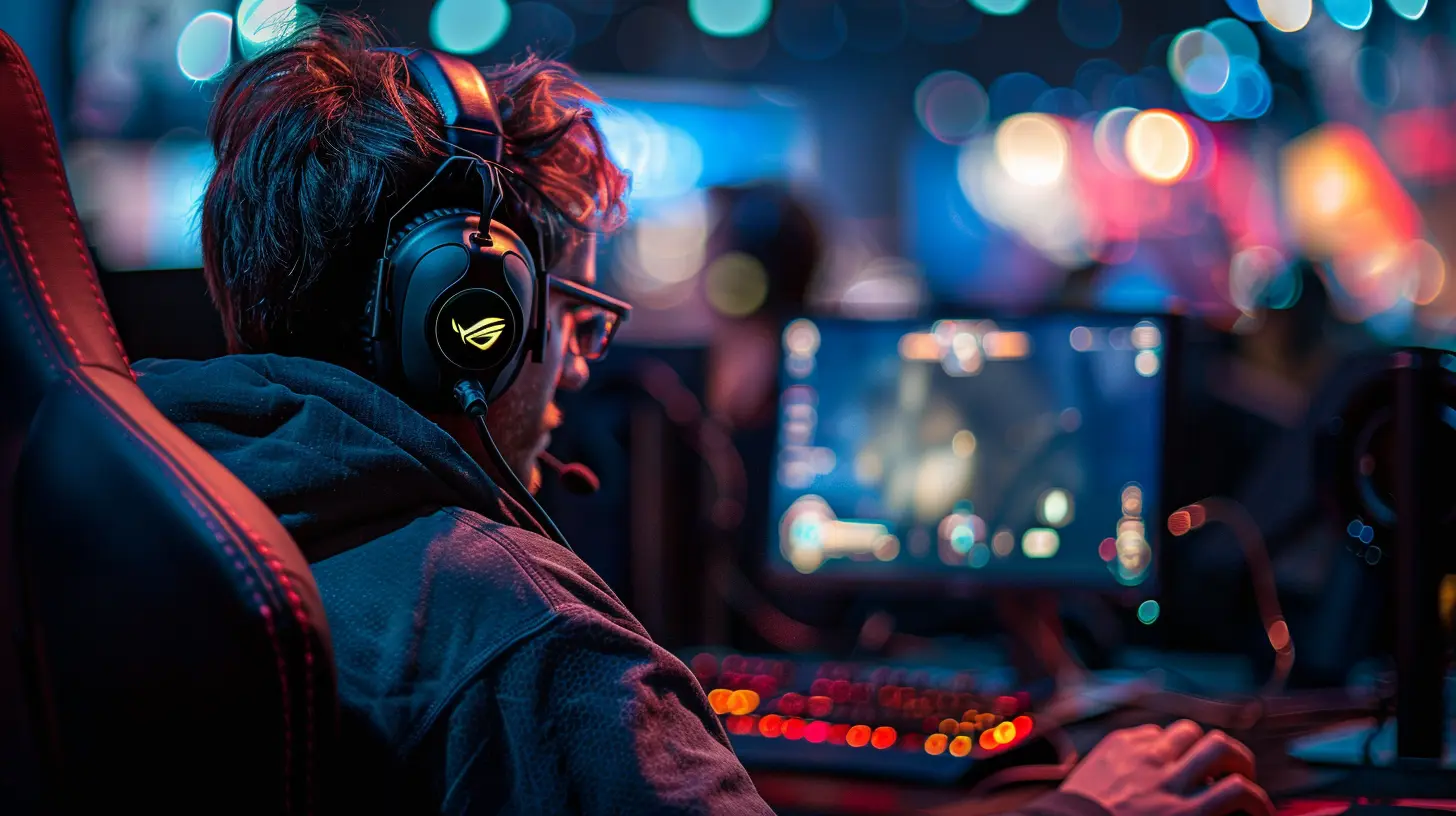
The Nature of Game Updates
Before we dive into the chaos they cause, let’s quickly break down what a game update actually is. Game developers release regular patches to:- Fix bugs and glitches
- Balance gameplay (nerf OP stuff, buff underpowered mechanics)
- Introduce new content (maps, characters, weapons)
- Improve system performance
These changes help keep a game fresh and fair. But when you’re competing for millions in prize money at a tournament, a "minor" tweak can tilt the scales big time.
Timing Is Everything
Let’s say there's a major esports tournament coming up next week. Teams have been preparing for months under a specific patch. Two days before the event, a new update drops — suddenly, the weapon they’ve been relying on is nerfed into the ground. Guess what? They’re scrambling.Timing really matters. Some devs avoid updating games right before tournaments, while others drop patches regardless of the competitive schedule.
Real-World Example: Valorant
Valorant has seen several patches go live just days before big tournaments like VCT Masters. Changes in agent abilities or weapon costs have thrown entire team comps into disarray — and forced players to adapt on the fly.
Meta Mayhem
"Meta" is short for "most effective tactics available." It's the established strategy or combo that players use because it’s currently the strongest.When a game update hits, the meta can shift overnight. A character nobody touched before becomes the new god-tier pick. A once-dominant strategy becomes completely obsolete.
Domino Effect on Pro Play
Here's the kicker — when the meta changes:- Players need to learn new strategies fast.
- Coaches have to rework their team composition.
- Scrims (practice matches) become a frenzy of trial and error.
- Analysts scramble to predict what will be strong in the new patch.
It’s like showing up to your final exam and finding out the syllabus was switched — two days ago.
Balancing: A Blessing and a Curse
Balance changes are often behind the biggest upsets in competitive scenes. Developers try to level the playing field, but sometimes it ends up creating more imbalance than before.The Fortnite Dilemma
Fortnite is notorious for introducing major changes right before competitive events — like altering building mechanics or adding powerful items. Some players adapt quickly and dominate. Others, not so much. Entire tournaments have been thrown off by last-minute additions, leading to accusations that Epic isn’t considering the competitive scene enough.Adapt or Die: The Pro Player’s Mindset
Pro players who survive in a constantly updating game are the ones with adaptability in their DNA.Think of it like surfing. The waves (patches) keep coming. You can't control them. You either learn to ride them, or you wipe out.
Training Under Pressure
When a new patch hits mid-season, players often have just days (sometimes hours) to adjust. It’s not just about learning new characters or builds — it's about building muscle memory, reworking team synergy, and staying calm under pressure.There’s a psychological battle that comes with it too: frustration, self-doubt, burnout. Handling all that while staying at the top of your game? Not easy.
Viewer Experience: Excitement vs Confusion
Players aren’t the only ones affected — audiences feel the shift too.What Viewers Love
New updates often add unpredictability. You see underdog teams rise with clever strategies. Surprising picks make matches spicy. The crowd loves innovation.What Viewers Hate
On the flip side, updates can make following the tournament messy. If your favorite player spent weeks mastering a hero who just got nerfed, watching them struggle can be frustrating. Hardcore fans might understand the changes, but newer viewers? Not so much.Too much change too fast can alienate audiences.
Devs and the Competitive Scene: Best Practices
Game developers walk a fine line between keeping their games balanced and not wrecking the competitive scene.Communication Is Key
The most respected dev teams are the ones who communicate clearly with players and event organizers. They give heads-up about major changes, work with tournament organizers, and sometimes freeze patches during events to keep things consistent.Riot Games has done this with League of Legends — locking in a specific patch version for entire tournaments so that everyone’s on the same page.
Test Servers and Community Feedback
Involving the community through Public Test Realms (PTR) or early access programs gives pros time to prepare. It also helps devs catch potential game-breaking issues before they go live.Some games, like Overwatch, have found success with this method — but only when they actively incorporate feedback.
The Financial Stakes Behind Updates
Let’s not forget — competitive gaming is no longer just for bragging rights. There are big bucks on the line. Team sponsors, betting platforms, and event organizers all have skin in the game.Unexpected Consequences
- A team expected to win might underperform due to the new update.- Sponsors could lose visibility if their team bombs out early.
- Tournament organizers might get criticized for allowing a messy, unbalanced meta.
It’s not just digital drama — it can mess with real-world money.
Should Updates Be Banned Before Tournaments?
That’s a hot debate. Some say yes. Others say no. Here’s what both camps believe:Why They Should Be Delayed
- Players need time to adjust- Keeps the competition fair
- Maintains viewer clarity
Why They Should Stay
- Keeps things fresh and exciting- Tests adaptability, a key skill
- Prevents stagnation in the meta
There’s no one-size-fits-all answer. It really depends on the nature of the game and how often updates usually roll out.
The Secret Winners: Analysts and Content Creators
Game updates may give players headaches, but for analysts, casters, and creators? It’s go-time.Tons of content floods in:
- Patch breakdowns
- Meta predictions
- Top 5 strongest builds
- Reaction videos
If you’re a content creator riding the update wave, it’s like hitting the jackpot. Every balance patch is an opportunity to educate — and entertain — your audience.
Conclusion: Chaos Breeds Creativity
Yeah, game updates can be brutal. They flip strategies, nerf fan-favorites, create panic, and sometimes ruin tournament dreams. But here’s the thing: they also spark innovation.They separate the good from the great. They push pros to think on their feet. And they keep the competitive scene alive and unpredictable. Love them or hate them, updates are part of the grind.
So the next time your favorite game drops a last-minute patch before a big tournament, remember: it’s all part of the chaos that makes esports so electric.
all images in this post were generated using AI tools
Category:
Gaming TournamentsAuthor:

Audrey McGhee
Discussion
rate this article
3 comments
Velvet Walker
This article beautifully captures the dynamic nature of competitive gaming. Game updates can truly transform the landscape, fostering innovation and excitement in tournaments. It’s thrilling to see how developers respond to player feedback, ultimately enriching the experience for both competitors and fans alike. Excited for what’s next!
March 24, 2026 at 5:27 AM
Audrey McGhee
Thanks for your thoughts! It's great to hear your excitement about the impact of updates on competitive gaming. The evolving landscape really does keep things fresh for everyone.
Adria McVicar
Game updates aren’t just patches; they’re seismic shifts that redefine competitive landscapes. Embrace the chaos! The best players adapt and thrive, proving that true skill shines brightest in the face of change. Update or get left behind!
January 15, 2026 at 6:08 PM
Audrey McGhee
Absolutely! Game updates bring fresh dynamics that challenge players to adapt, showcasing their true skill in an ever-evolving competitive environment. Embracing change is key to thriving in tournaments.
Jocelyn McLoughlin
Great insights! Game updates truly can transform the tournament landscape, keeping the competition fresh and exciting.
January 9, 2026 at 4:49 PM
Audrey McGhee
Thank you! I'm glad you found the insights valuable. Game updates really do play a crucial role in enhancing the tournament experience!