Breaking Down the Most Infamous Pay to Win Games
20 January 2026
Let’s face it—there’s nothing worse than grinding for hours in a game, only to be steamrolled by someone who threw a hundred bucks into power-ups. If you've ever screamed internally (or out loud) because a player with a golden rocket launcher you’ve never seen before blew you to bits, you know exactly what I’m talking about.
We're diving into the murky world of pay-to-win (P2W) games. Those titles that lure you in with fun gameplay, then quietly push your patience (and wallet) to the brink in exchange for power or progress.
But we're not here to just rant—we’re here to break it down. Let’s look at what makes a game pay-to-win, why it drives players bonkers, and which titles are infamously known for it. Buckle up, because this is going to be a ride full of facts, frustrations, and maybe a few guilty pleasures.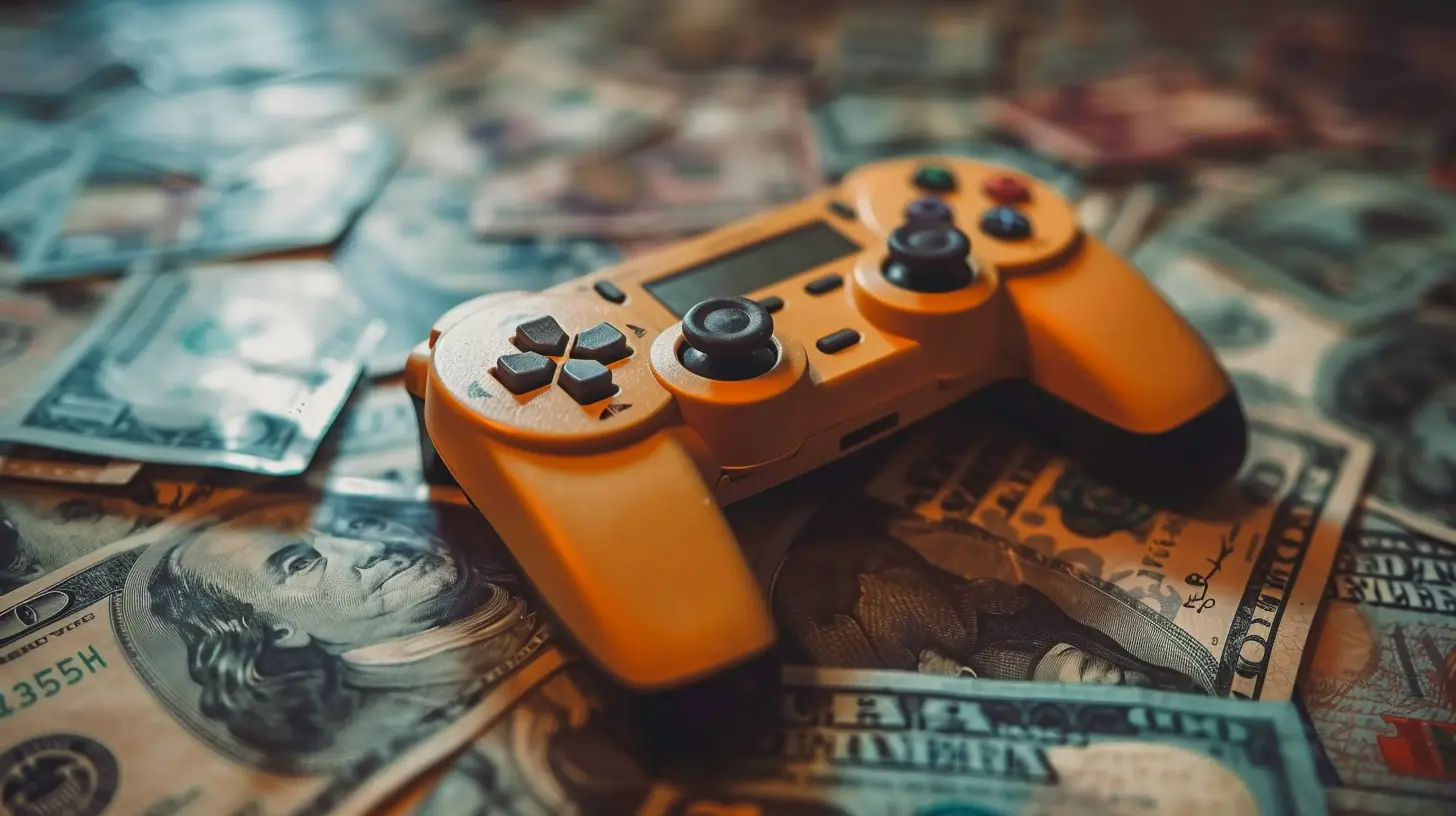
What Does "Pay to Win" Even Mean?
Before we throw shade, let’s make sure we’re on the same page. A game is pay-to-win when players can pay real-world money to gain an advantage—often a significant one—that gives them a leg up over others who are playing without opening their wallets.We're not talking about cosmetic skins or cool mounts here. Nope. Think enhanced stats, overpowered weapons, faster progression, exclusive characters—things that actually tip the scales.
Now don’t get me wrong, game developers need to make money (this isn’t a charity). But when spending replaces skill, that’s where things go south.
Why Pay to Win Games Stir Up So Much Hate
Imagine training for a marathon and someone shows up with a Segway. That’s what pay-to-win often feels like.The biggest issues players have with P2W games include:
- Unfair advantage: Free-to-play users just can’t compete.
- Ruined progression: What's the point of grinding when someone else can leapfrog past with their credit card?
- Broken balance: PvP becomes a joke when cash talks louder than skill.
- Pressure to spend: Some games gently (okay, not so gently) nudge you to cough up cash just to keep up.
The emotional toll? Real. The frustration? Palpable. The damage to the gaming community? Sometimes irreversible.
The Most Infamous Pay to Win Games (Brace Yourself)
Time to spill the digital tea. These games have become poster children for pay-to-win mechanics—some more notorious than others. We're naming names. Let’s go!1. Star Wars Battlefront II (2017 Launch)
Ah, the game that sparked a Reddit civil war. When EA launched Battlefront II, players quickly realized they’d need to grind 40 hours to unlock a single hero like Darth Vader… or pay real money.The backlash was nuclear. The infamous EA response on Reddit became the most downvoted comment in Reddit history. Ouch.
Sure, EA eventually reworked the system due to the outrage—but that launch left a stain that no lightsaber could clean.
2. Clash of Clans
Now don't come at me Clash fans—I know it’s iconic. But let’s be real for a sec: this game pioneered the "wait or pay" model.Want to upgrade your Town Hall? That’s 4 days. Want it now? Fork over some gems. Want to dominate a war? Hope you've been hoarding—or buying—resources.
It’s a slow burn of P2W. The core mechanics are great, but at higher levels, not paying basically means you're cannon fodder for players with deep pockets.
3. FIFA Ultimate Team (All the FIFAs)
Every year, a new FIFA drops. And every year, EA seems to double down on monetization like it’s the Super Bowl.FIFA Ultimate Team (FUT) is EA's cash cow—players pay for card packs, hoping to pull high-ranked players. The odds? About as generous as a vending machine that eats your dollar.
If you want the best team, you either grind endlessly or spend hundreds (sometimes thousands!). It’s not even subtle anymore—FUT is textbook P2W.
4. Mobile Legends: Bang Bang
This popular MOBA might look like a League of Legends lite, but don’t be fooled. Mobile Legends is infamous for selling battle power, skins that boost stats, and gear that gives buyers a massive edge.You could outplay someone, only to lose because they hit harder and regenerate faster—all thanks to their wallet.
That’s not strategy. That’s capitalism dressed up in cool cosmetics.
5. Game of War: Fire Age
Remember those Kate Upton ads way back? "Come play with me," she said. But what she should've said was "Come pay with me."Game of War is a masterclass in pay-to-win design. New players are crushed unless they spend early, and veteran players often spend thousands to stay competitive in kingdoms that reset constantly.
It’s not a game. It’s a money pit disguised as a medieval war simulation.
6. Dungeon Keeper (Mobile Version)
The mobile relaunch of this classic strategy game was... well, a betrayal.Want to dig out a tile? Wait 24 hours. Or… pay. Basically, every interaction was monetized to the point where it stopped being a game and became a glorified ATM.
Gamers and critics alike tore it apart. EA again. Are we surprised?
How Pay to Win Damages Game Communities
Let’s get real: pay-to-win doesn’t just annoy people—it divides them. It creates two classes of players:- Whales: The big spenders who dominate.
- Minnows or Freemium players: The ones grinding, struggling, and often quitting in frustration.
This dynamic shrinks communities over time—especially in competitive games. It’s demoralizing to give it your all and lose to someone who had better credit scores, not better gameplay.
Over time, passionate players leave, gameplay stagnates, and the game becomes a ghost town of spenders playing against each other.
Are Developers To Blame?
Here’s where it gets tricky. Game development isn’t cheap. Servers cost money. Artists, devs, writers—they all need to eat. And free-to-play games bring in the majority of revenue through in-app purchases.But when monetization becomes predatory, that’s when trust breaks down. Players don’t mind supporting great games—they mind feeling exploited.
It’s all about balance. Games like Fortnite or Apex Legends make bank selling cosmetics, not combat power. That’s a healthy, sustainable model. Sell me that banana suit, not a +20 rifle.
Can Pay to Win Ever Be Done Right?
Weirdly enough… maybe?Some games manage to include monetization without ruining the experience. Strategy games like Rise of Kingdoms are technically P2W, but still offer a lot for free players. If the matchmaking is smart and progression is fair, it's possible to enjoy the game without spending.
It’s all about transparency and optional advantage rather than forced power-ups. If paying feels like speeding up—not skipping—then it’s less predatory and more convenience.
What Can You Do As a Player?
Alright, let’s turn the tables. You’re not powerless—you can vote with your wallet, your download button, and your reviews.Here’s how to fight back:
- Support games with fair monetization
- Leave honest reviews pointing out P2W tactics
- Join or upvote community discussions that highlight exploitative systems
- Recommend well-balanced games to friends instead of hyped P2W ones
- Set personal limits on gaming purchases—don’t chase the dopamine
At the end of the day, developers need players more than players need games. If enough of us demand better, the industry will listen.
Final Thoughts: Pay to Win Isn’t Just Annoying—It's a Design Choice
Pay to win isn’t an accident. It’s designed. And while it's tempting to blame "whales" or cash-rich players, the real blame lies with systems that reward spending over skill.But don't lose hope—the tide is shifting. More gamers are waking up, demanding fairer models, and supporting devs who do things right.
So next time you’re about to spend $10 on a sword that slices through PvP like butter, ask yourself: do I want to play a game… or buy a shortcut?
Choose wisely—and keep slaying (fairly).
all images in this post were generated using AI tools
Category:
Pay To Win GamesAuthor:

Audrey McGhee
Discussion
rate this article
3 comments
Siena Cruz
Pay-to-win games: where the rich get stronger and the rest of us get played. It's like watching a toddler with a shiny toy—cute, but we all know who's really winning this game. #NoThanks
March 30, 2026 at 2:50 AM
Audrey McGhee
I completely understand your frustration. Pay-to-win mechanics can create an uneven playing field, making it tough for those who prefer to invest time over money. Thanks for sharing your thoughts!
Selah Burton
This article incisively dissects the controversies surrounding pay-to-win games, highlighting their impact on player experience and community dynamics. By examining infamous examples, it underscores the delicate balance developers must strike between monetization and maintaining fair competition in gaming.
January 23, 2026 at 4:54 AM
Audrey McGhee
Thank you for your insightful feedback! I'm glad the article resonated with you and effectively highlighted the complexities of pay-to-win games.
Sophie Murphy
It's crucial to recognize the frustration many gamers feel towards pay-to-win mechanics. These practices can overshadow the passion and creativity of gaming. Sharing our experiences can foster a supportive community advocating for fairness and enjoyment in the gaming world.
January 20, 2026 at 4:25 AM
Audrey McGhee
Absolutely, highlighting these concerns is essential for promoting fairness and preserving the joy of gaming. Your voice matters in this community!