How Different Genres of Games Use Music Uniquely
7 June 2026
Let’s be real—video games wouldn’t be half as immersive without music. Imagine playing a horror game in complete silence or charging into a final boss fight with no soundtrack pumping you up. Feels empty, right? Music is the invisible thread that ties together gameplay, emotion, and story. But here’s the kicker—not every genre uses music the same way.
Different types of games lean on music for different reasons. Some use it to pump up your adrenaline, others to sink you into a moody atmosphere. So grab your headphones and let’s dive into how different genres of games use music uniquely—and why it makes a massive difference to your gaming experience.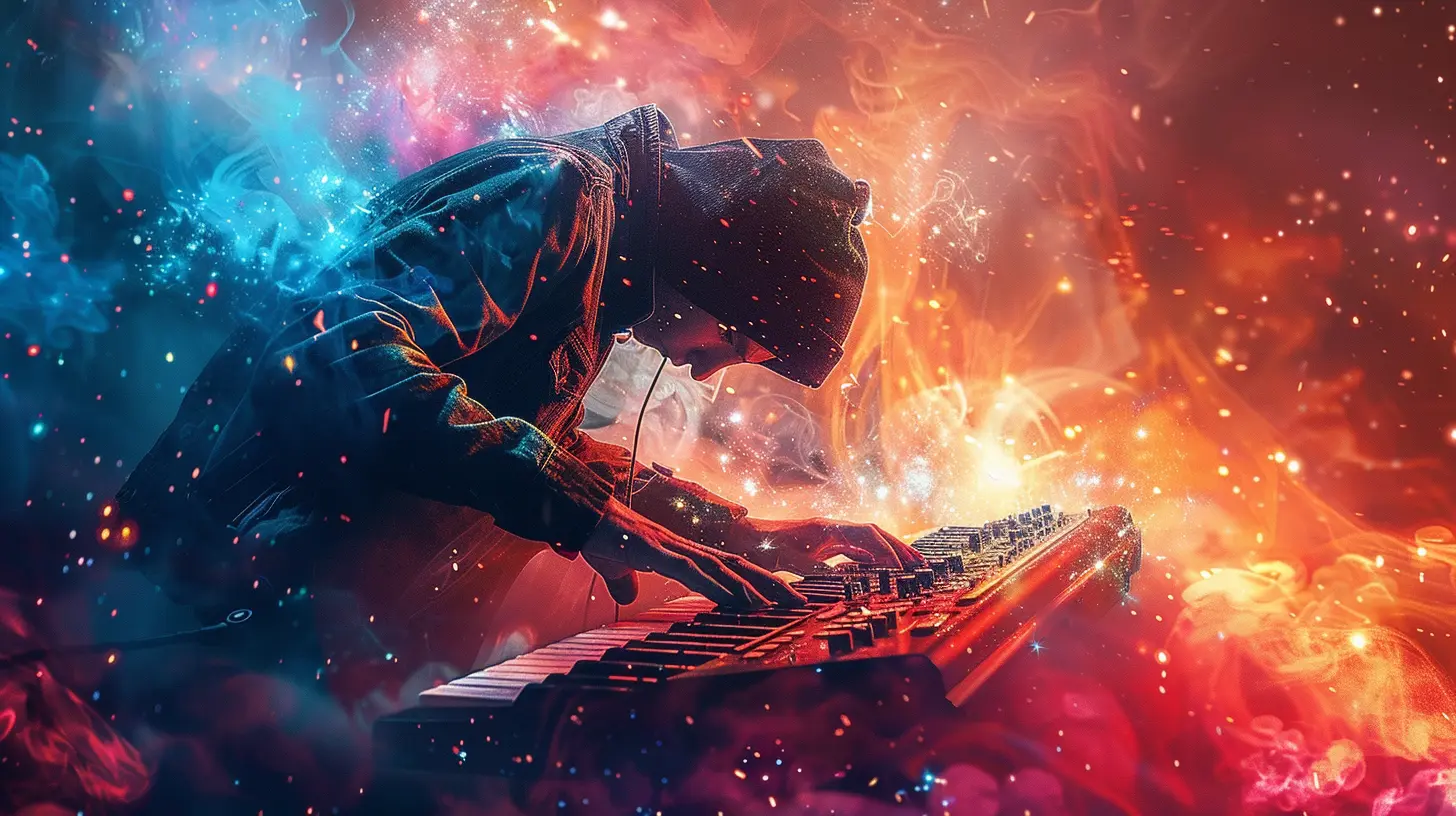
Why Music Matters in Games (More Than You Think)
Before we break it down by genre, let’s talk about why music in games is such a big deal. Think about your favorite gaming moment. Chances are, the music was just as memorable as the gameplay itself. Music sets the tone. It tells your brain how to feel—whether you're supposed to be scared, excited, relaxed, or sad.In games, music is also reactive. It changes based on what you're doing. That's something movies can't do—no offense, Hollywood. A change in tempo can signal danger. A soft piano might tell you you’re safe. It’s dynamic storytelling at its best.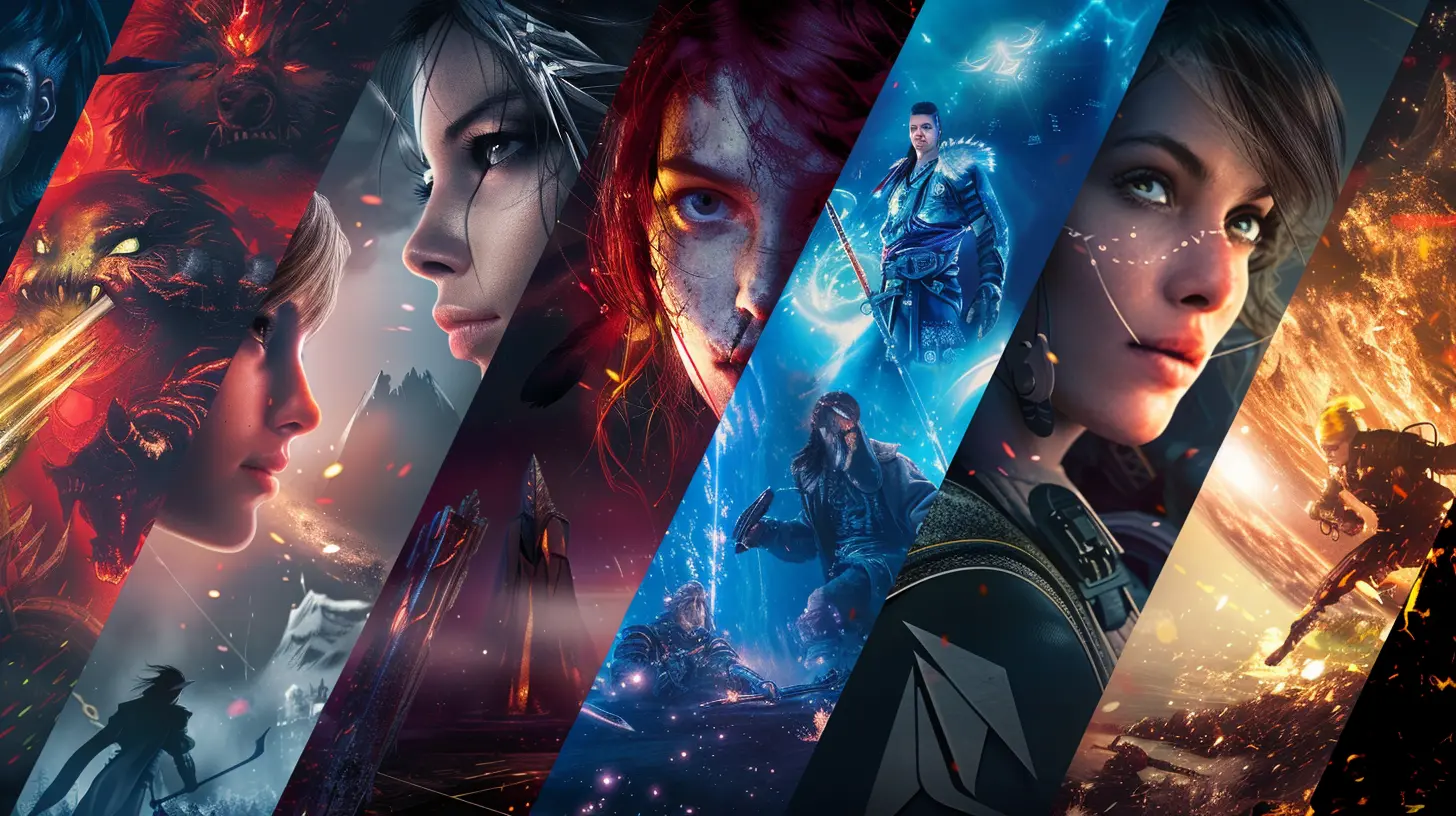
Action/Adventure Games: Fuel for the Fire
Action and adventure games love to use music as a motivator. Whether you're wall-jumping in a Metroidvania or swinging across buildings in an open-world city, the music tells you one thing: keep going.How it works:
- Layered tracks: These games often switch between exploration music and combat music. The transition is smooth and emotionally connecting. Think of games like The Legend of Zelda: Breath of the Wild, where gentle piano melodies suddenly shift into suspenseful strings when enemies show up.- Epic orchestration: Action/adventure games love to go big. Full orchestras, tribal drums, sweeping choirs—they throw it all in to give you goosebumps.
- Boss fight buildup: Ever noticed how the music changes before a big boss battle? That’s not a coincidence. It’s mood control in sonic form.
Music in this genre is about movement, motivation, and momentum.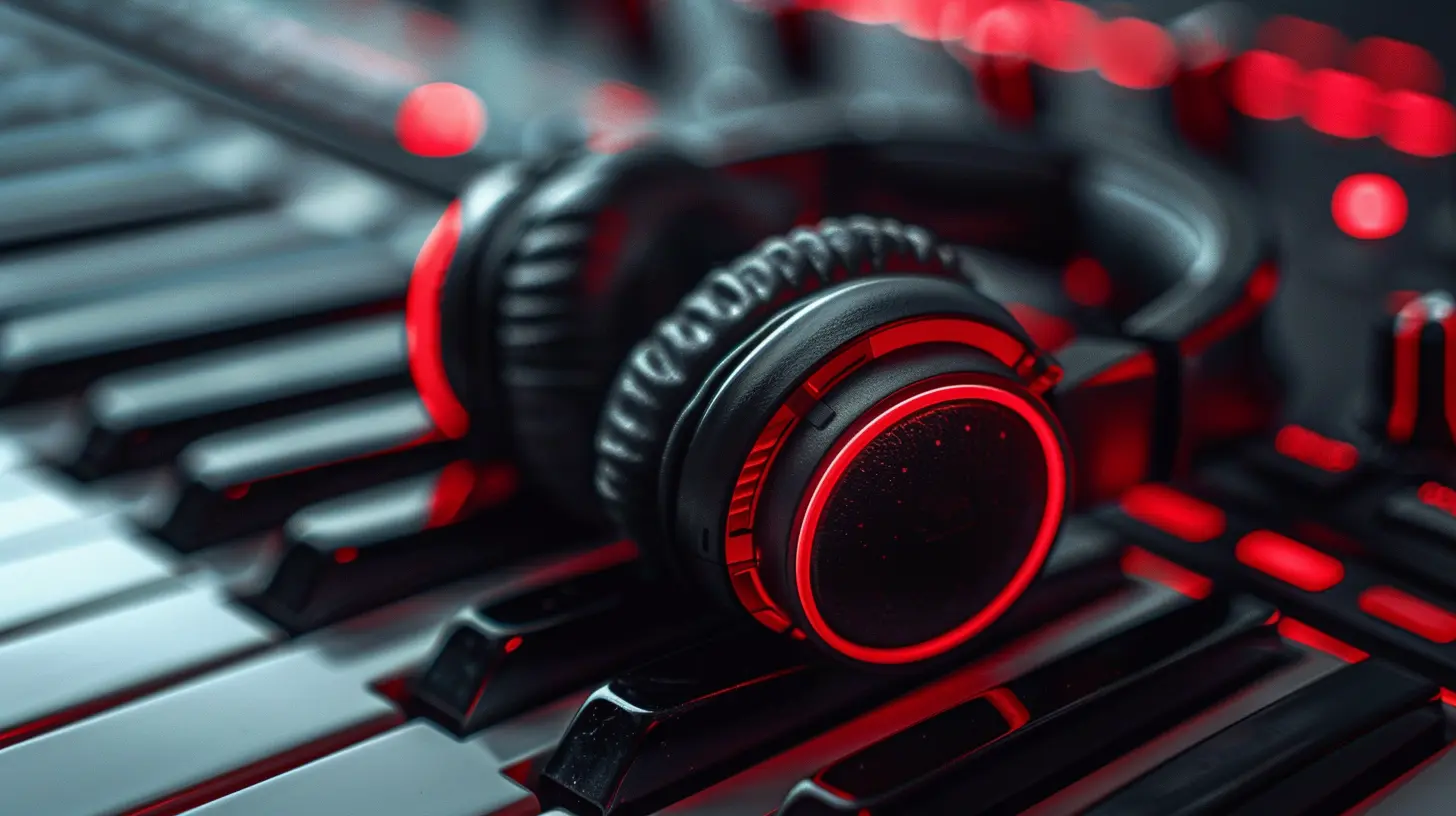
Horror Games: Soundtracks of Your Nightmares
You haven’t known fear until you’ve played a horror game with headphones on. Music in horror games isn’t just background—it’s the main character.Here's how horror games mess with you:
- Minimal melodies: In horror, less is more. You’ll often hear bare, creepy tones, dissonant strings, or ambient noise that builds tension without being obvious.- Sudden silence: Silence is a weapon. When it suddenly gets quiet, you know something’s about to go down. That anticipation is half the scare.
- Jump scare stingers: High-pitched shrieks or distorted notes accompany visual scares, maximizing the adrenaline rush.
Take Silent Hill, for instance. Its soundtrack is not traditionally "musical," but it’s haunting. It crawls under your skin.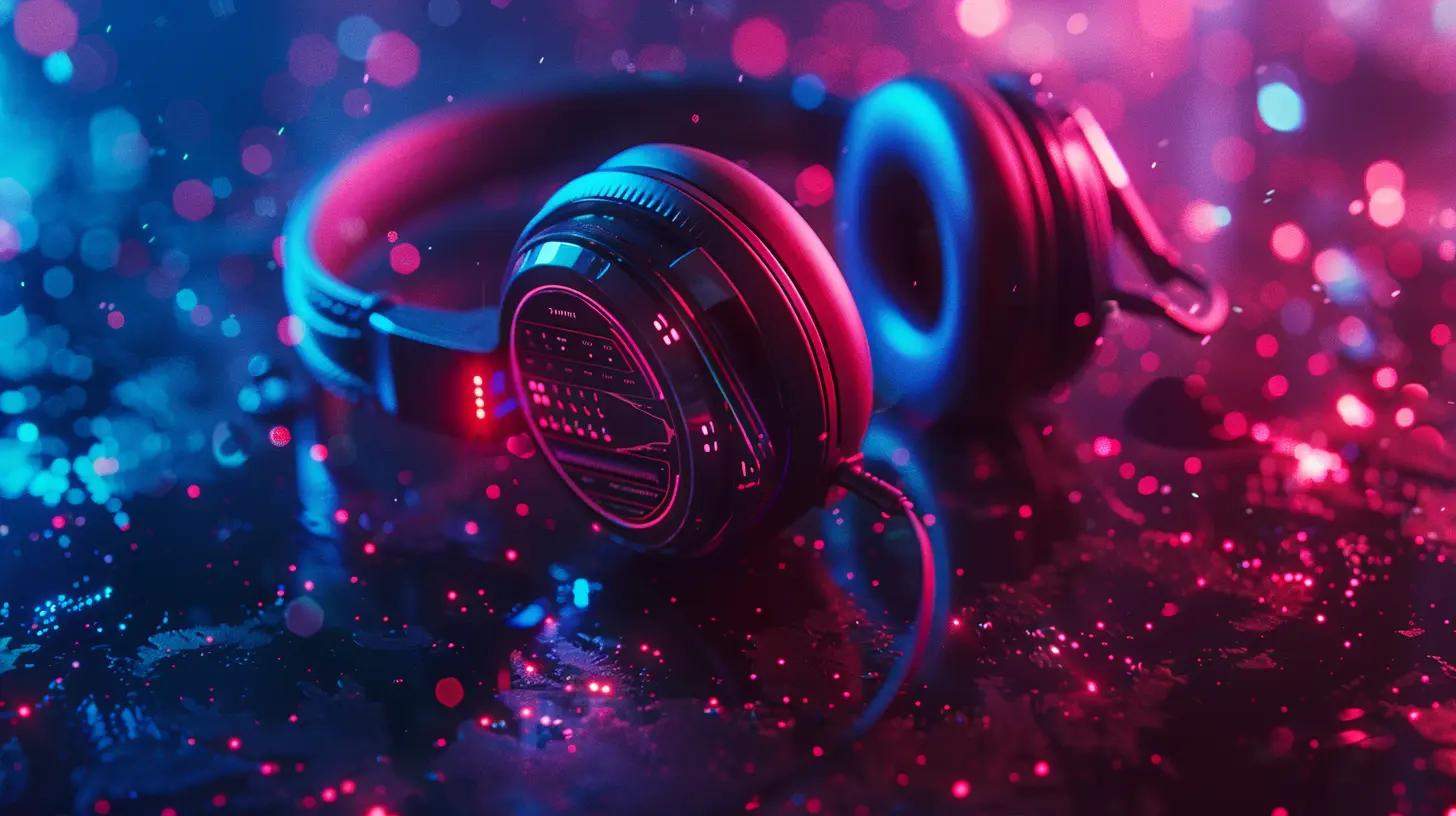
RPGs: Emotional Storytelling with a Side of Nostalgia
Role-playing games (RPGs) are all about narrative, and their music is no exception. It’s emotional, thematic, and often tightly connected to the characters and the world itself.What makes RPG music unique:
- Character themes: Each main character might have their own musical motif. These themes evolve as the character grows, giving you emotional callbacks throughout the game.- World-building: Each region or town often has its own musical identity. You can know exactly where you are in the game just by what you hear.
- Long-form storytelling: RPGs are lengthy, and the music helps you stay emotionally invested over dozens of hours. It’s subtle, yet powerful.
Final Fantasy and The Elder Scrolls are perfect examples. The music in these games is so iconic, fans can hum the theme songs decades later. If that’s not good music design, I don’t know what is.
Platformers: Rhythm Meets Reflex
With platformers, timing is everything. One wrong jump and you’re toast. So, what better way to guide your movement than with catchy, rhythmic music?Key features:
- Bouncy beats: Platformers love upbeat, looping tracks that keep you energized. They’re not just there for fun—they actually help your brain sync up to the game.- Level-based variety: Each level usually brings its own tune, keeping things fresh and exciting.
- Narrative-free emotion: Since most platformers don’t go deep on story, music carries a lot of the emotional weight.
Think about Super Mario Bros. or Celeste. Their soundtracks are legendary for a reason—they stick, and they push you forward.
Racing Games: The Need for Speed and Sound
When you’re going 200 mph, you don’t have time to be fiddling with your Spotify playlist. Luckily, racing games have you covered with music that’s made for motion.The musical vibe:
- Adrenaline playlists: High-tempo music (EDM, rock, hip-hop) ramps up that feeling of speed and danger.- Dynamic shifts: Some racing games change the music based on your position in the race. In first place? Calm and confident. Fall to last? Things get intense.
- Custom soundtracks: Games like Need for Speed even let you create your own playlists, letting players personalize their racing vibe.
Racing music is all about energy. It’s like musical NOS for your brain.
Puzzle Games: Chill Vibes and Zen Beats
Puzzle games don’t need to raise your heart rate—they want you to think, and think calmly. That’s why their music is usually gentle, ambient, and non-distracting.The chill factor:
- Loop-friendly: You might spend 20 minutes on one level, so the music needs to loop without feeling repetitive.- Lo-fi and ambient tracks: This genre leans into calming sounds—soft synths, piano, nature noises—that help you focus.
- Background role: The music almost melts into the background. It's soothing rather than commanding.
Games like Tetris Effect and Monument Valley are basically meditative experiences, and their music reflects that. It’s like wrapping yourself in a warm audio blanket.
Fighting Games: Hype Music, Fast Beats, Fierce Energy
Fighting games are intense by nature. Two players, one screen, and a time limit. Every sound matters, and the music? It’s there to fuel your killer instinct.Fighting game music highlights:
- Stage-specific beats: Each arena usually has its own theme, matching the culture or personality of the character.- High-energy tempo: The music is fast and aggressive, just like the gameplay.
- Old-school chiptune to modern EDM: Fighting games mix old and new styles, creating an eclectic, adrenaline-fueled sound palette.
Whether it’s Street Fighter or Tekken, music sets the rhythm of the fight—literally.
Simulation Games: Subtlety, Variety, and Emotion
Sim games range from city builders to life simulators (looking at you, The Sims), and their music tends to favor subtlety over flash.Here's what they do differently:
- Ambient sounds: Sim games often blend music with natural soundscapes like rain, birds, and city noise.- Mood-based changes: Music shifts based on the time of day, player mood, or environmental conditions.
- Non-intrusive: The music’s job here is to support—not overwhelm—prolonged play sessions.
Games like Animal Crossing nail this balance perfectly. The music doesn’t demand your attention—it just makes everything feel better as you terraform your perfect island getaway.
Indie Games: Innovation and Identity Through Sound
Indie devs often take big risks—and their soundtracks follow suit. If there's one place where music really gets experimental, it's in indie games.Why indie music stands out:
- Unique soundscapes: With fewer rules and more creative freedom, indie games often use unconventional instruments or structures.- Music drives the game: In some indies, music isn’t just background—it’s central to gameplay. Take Crypt of the NecroDancer, a roguelike where every move is tied to the beat.
- Deep emotional hits: Indie games often tackle emotional or artistic themes, and the music adds layers of meaning.
From Journey to Hollow Knight, these games prove that you don’t need a big budget to make music that resonates.
Final Thoughts: Music is the Unsung Hero of Gaming
So, what’s the takeaway here? Music isn’t just decoration in games—it’s essential. It tells you what to feel, when to act, and what kind of world you’re walking into. Different genres use music in totally different ways because they have different goals.Action games pump you up. Horror games scare the pants off you. RPGs tug at your heartstrings. And puzzle games let you chill out. That variety is what makes gaming such a rich, immersive experience.
Next time you boot up your favorite game, pay attention to the soundtrack. You might be surprised at how much it’s doing behind the scenes.
all images in this post were generated using AI tools
Category:
Game SoundtracksAuthor:
Audrey McGhee
Discussion
rate this article
1 comments
Lydia Whitaker
Great article! It's fascinating to see how different game genres use music to enhance experiences. The examples really highlight the creativity in game design. Keep it up!
June 17, 2026 at 2:44 PM
Audrey McGhee
Thanks for your feedback! I'm glad you enjoyed the examples and found the connection between music and game design interesting.