Inside the Minds of Sound Designers in the Gaming Industry
1 February 2026
Have you ever played a game and felt completely immersed without really understanding why? Sure, the graphics are stunning, the gameplay is smooth, and the story keeps you hooked. But there's something else... something you hear rather than see. That, my friend, is the magic of sound design.
Let’s dive deep—like, Mariana Trench deep—into the minds of the unsung heroes behind your favorite gaming moments: sound designers. These audio wizards craft the sounds that make games feel real, thrilling, and emotionally rich. From the chirp of digital birds in the distance to the gut-punch explosion near your character’s feet, every sound tells a story.
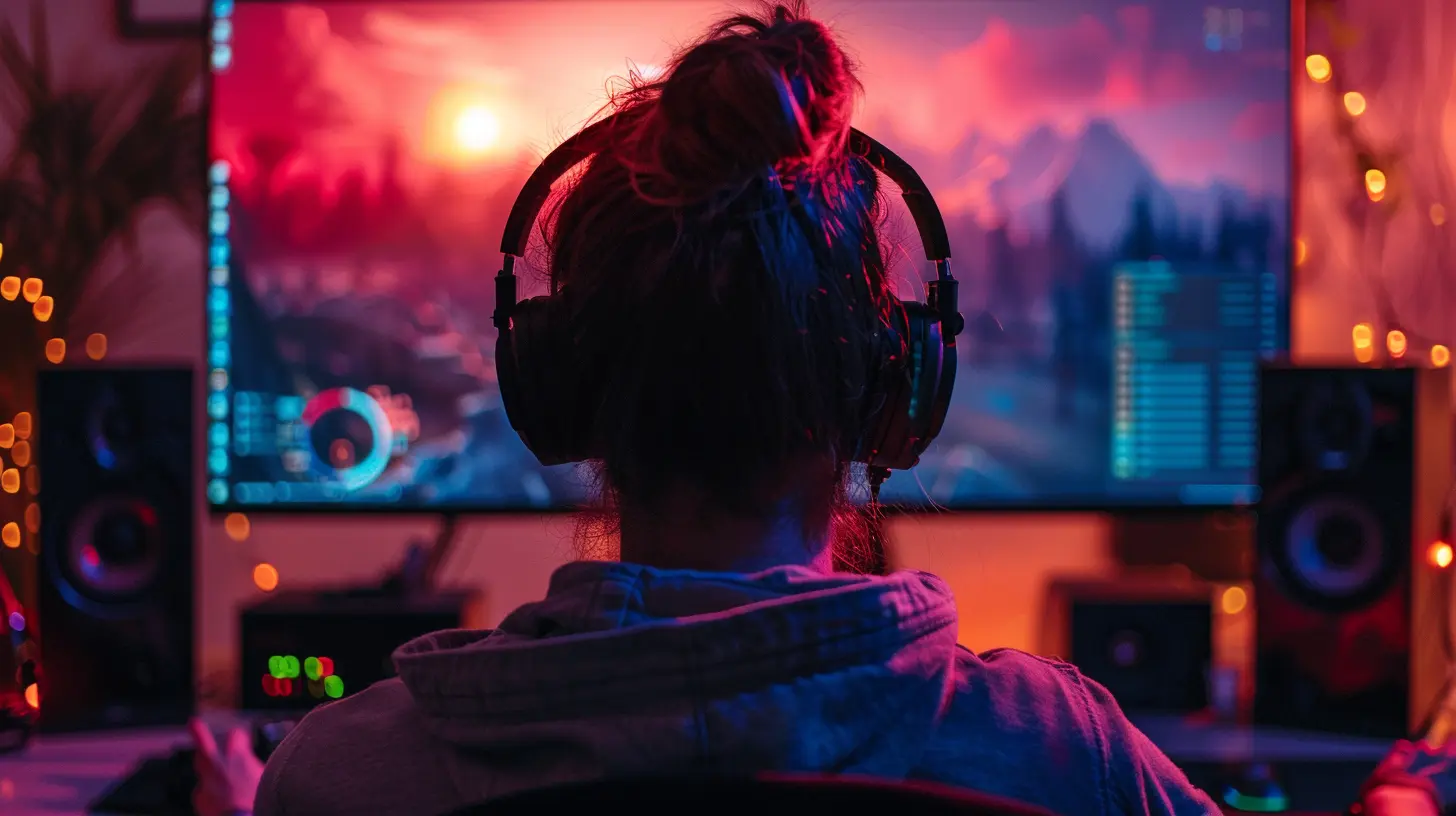
What Exactly Does a Sound Designer Do?
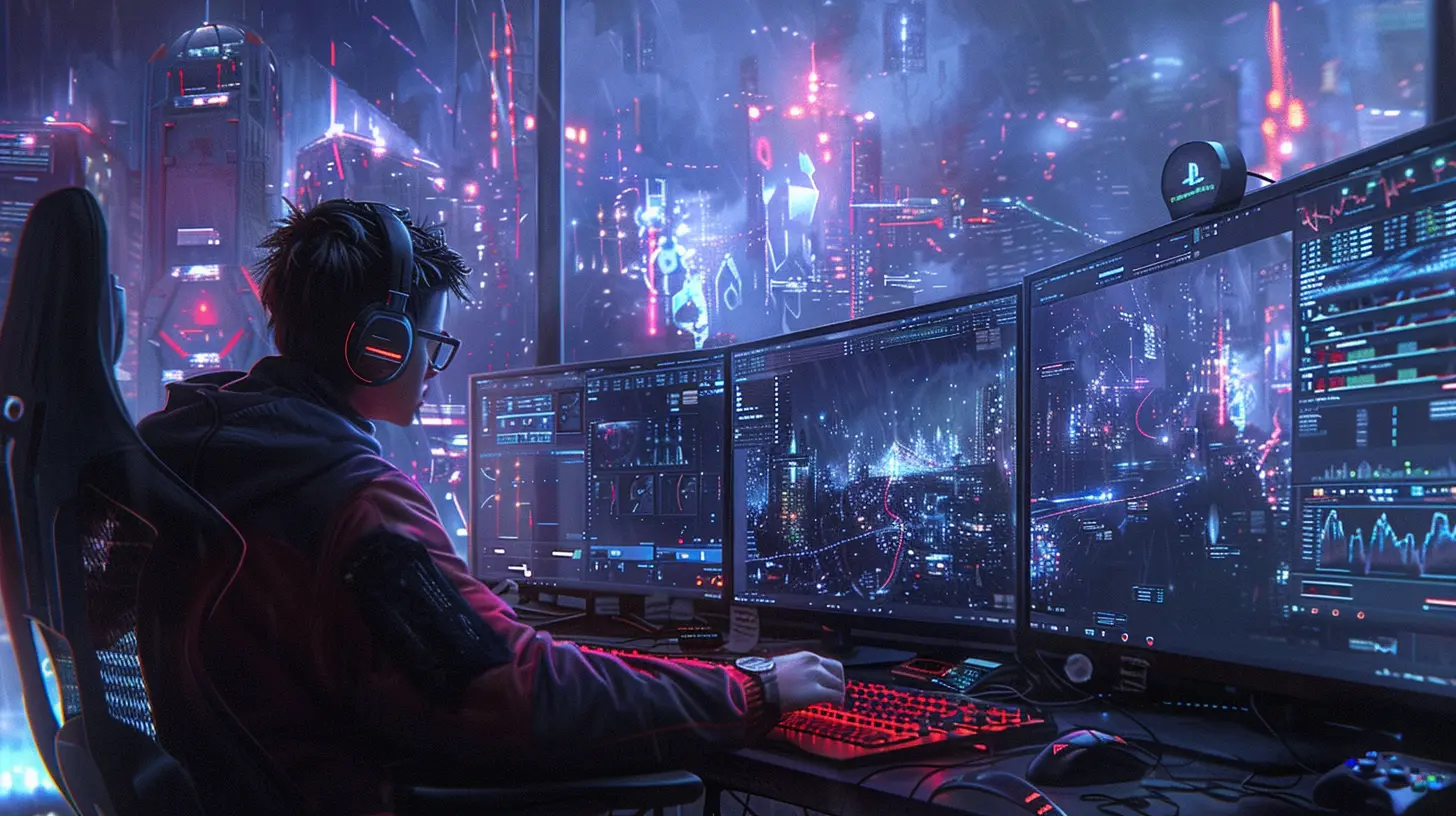
Think of sound designers as the DJs of the game development world—only instead of mixing tracks for a club, they’re creating entire sonic worlds.Sound designers are responsible for:
- Recording or sourcing sound effects (foley artists, anyone?)
- Editing and layering sounds to match in-game actions
- Designing ambient soundscapes to set the tone
- Working closely with game devs, composers, and tech teams
- Syncing audio with game events using middleware tools like FMOD or Wwise
In short, they’re the ones behind the unforgettable roar of a dragon, the comforting buzz of a futuristic spaceship, or the unnerving creak of floorboards in a horror game.
The Art (and Science) Behind Sound Design
Creating great game sounds isn’t just a matter of pressing “record” and calling it a day. It’s a delicious blend of creativity, technical skill, and a whole lot of attention to detail.Picture this: you're designing the sound for a fantasy sword. You could record an actual sword clash—but wait, how about layering it with a thunder clap and a metallic screech to give it that magical oomph? That’s the kind of thinking sound designers do every day. It’s not just about realism—it’s about feeling.
Hear It, Feel It, Believe It
Sound designers cleverly manipulate sounds to trigger emotions. Think about the low rumble right before a boss enters the arena. Your heart races, your palms get sweaty, and all of that—before anything even happens visually.They also use psychoacoustics—that’s a fancy word for how we perceive sound. Whether it’s panning a sound from left to right to simulate movement, or using higher pitches to build tension, these tricks are straight out of Sound Design 101.
Tools of the Trade
Get ready to nerd out a little—because sound designers have a toolbox that would make Batman jealous.- DAWs (Digital Audio Workstations): Think Pro Tools, Ableton, Reaper, or Logic Pro. This is where the magic begins.
- Game Audio Middleware: FMOD and Wwise are the real MVPs when it comes to connecting sound with game events.
- Field Recording Gear: From high-end microphones to portable recorders, capturing real-world sounds adds that authentic touch.
- Plugins & Effects: Reverbs, delays, pitch shifters—these help shape raw sounds into something cinematic.
But honestly? One of the most powerful tools is imagination. Sometimes, the perfect monster growl is actually a slowed-down purring cat mixed with a car engine. No joke.
Collaboration is Key
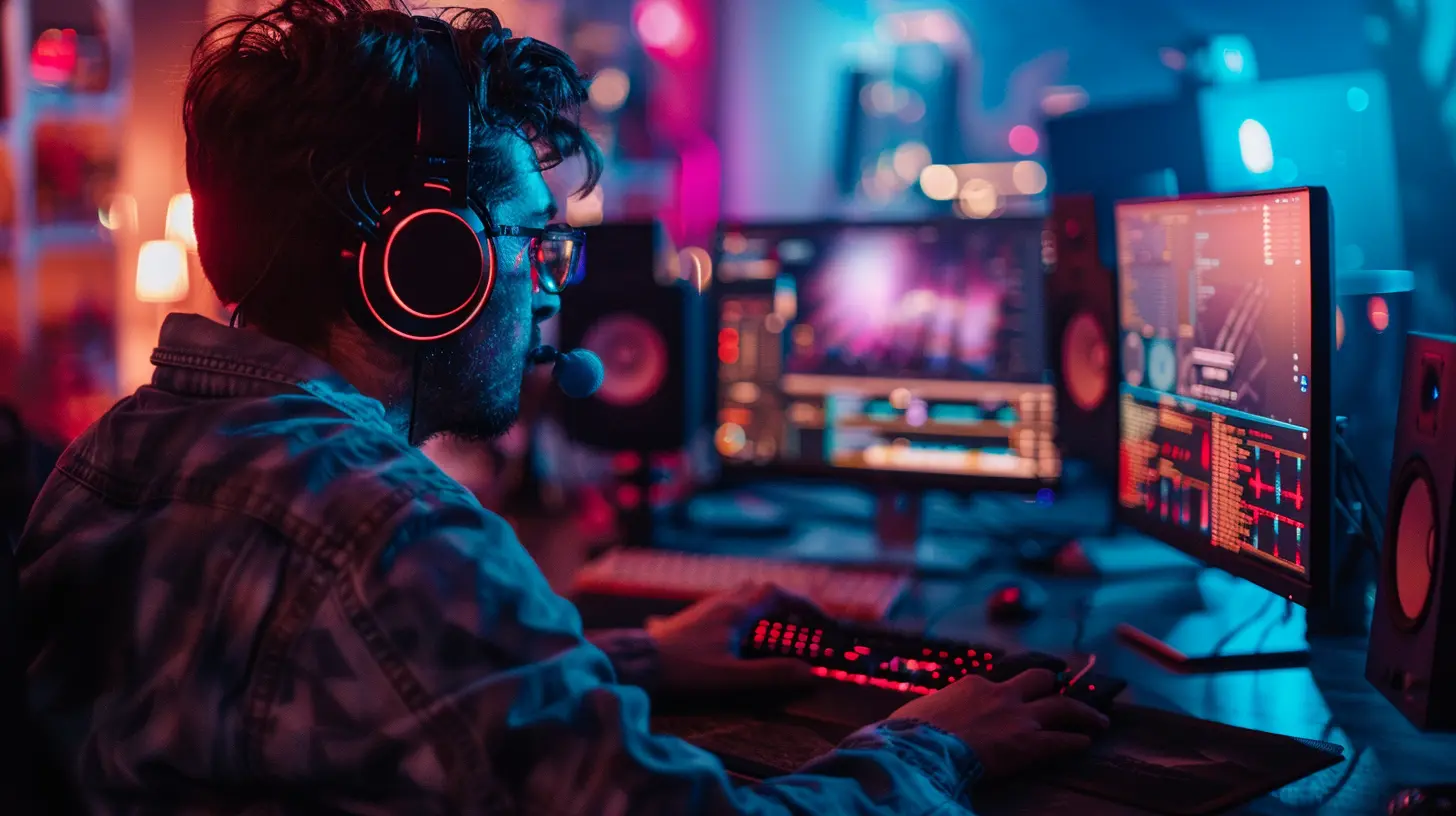
Sound designers rarely work alone. They’re part of a larger symphony (pun intended) that includes game designers, programmers, animators, and composers.They sit at the crossroads between creative storytelling and technical implementation. Timing is everything. They have to ensure that when your character walks on gravel, it doesn’t sound like wading through water—and that it plays at the right moment, every single time.
They’re also constantly communicating with game devs to understand the game mechanics. Is the player sneaking or sprinting? Did the explosion just happen behind a wall, or in plain sight? Every detail affects the sound choices.
Challenges That Test Their Mettle
Let’s be real: sound designing in games is rewarding, but not a walk in the park.Here are a few of the biggest challenges they face:
- Balancing creativity with restrictions: Limited memory space, CPU load, and platform-specific constraints often mean cutting and compressing sounds without losing quality.
- Consistency across gameplay: A single game can have thousands of sound cues. Making sure they all blend seamlessly is a Herculean task.
- Player unpredictability: Unlike movies, games are interactive. Sound designers have to prepare for every possible player choice.
- Tight deadlines: Like the rest of the game team, they’re often working against the clock to meet release dates.
But hey, pressure makes diamonds—and sound designers sure shine under it.
The Evolution of Game Audio
Remember the simple beeps of Pong or the 8-bit charm of Mario’s jump? Fast forward to today, and we’ve got Dolby Atmos, 3D spatial audio, and dynamic music that responds to your gameplay. Mind-blowing, right?Sound design has grown massively. As stories in games get deeper and worlds get bigger, sound designers have stepped up to the plate and delivered audio experiences that rival Hollywood blockbusters.
We're talking:
- Procedural audio: Sounds generated in real-time based on physics and gameplay elements.
- Adaptive audio: Music and ambiance that change based on player choices or game states.
- VR and AR audio: Sound now plays a critical role in immersive experiences, helping guide players through virtual worlds.
Case in Point: Iconic Sound Design Moments
Let’s geek out for a sec.- The Clickers in The Last of Us – That bone-chilling sound was created using a combination of human vocalizations and manipulated animal sounds. It screams danger, quite literally.
- Call of Duty’s Gunfire – Recorded with real weapons and crafted to feel punchy and real, these sounds make combat feel visceral.
- Journey’s soundscape – The music and SFX blend seamlessly to evoke pure emotion without a single word spoken.
These aren’t just sounds—they’re characters in their own right.
A Day in the Life of a Sound Designer
So what does a typical day look like? Well, there isn't really a “typical” day. But here’s a rough sketch:- Morning: Check emails and coordinate with the dev team about the latest build.
- Midday: Dive into the DAW, editing kicks, footsteps, and ambience.
- Afternoon: Test sounds in-game, adjust based on feedback, and troubleshoot bugs.
- Evening: Maybe go on an impromptu field recording session—because apparently, you need the sound of snow crunching just right.
Yep, it’s part technical, part artistic, and a whole lot of listening (and tweaking).
Sound Design as a Career Path
Interested in becoming a sound designer? You don’t need to be a musical genius, but a good ear, creativity, and a love for both storytelling and tech definitely help.Start by:
- Learning audio software and sound design basics
- Recording your own sounds and building a library
- Modding existing games to practice implementing audio
- Building a portfolio with short game demos or animations
Also, networking with folks in the industry (through platforms like Twitter or Discord communities) can open up real opportunities.
Final Thoughts: The Power of Sound
Games are nothing without sound. Seriously. Mute your favorite game for five minutes and see how it feels. Weird, right?Sound designers are the invisible artists whose work goes unnoticed when done well—but makes all the difference in the world. They build worlds you only hear but never forget. It’s high time they got their moment in the spotlight.
So next time you're creeping through a haunted house in a game, and you hear that creaky stair or distant whisper—tip your hat to the sound designer. They’re the reason you’re gripping your controller a little tighter.
all images in this post were generated using AI tools
Category:
Game SoundtracksAuthor:
Audrey McGhee
Discussion
rate this article
3 comments
Cassian Romero
Sound designers: the wizards behind our favorite game noises! Who knew crafting epic battles involved more than just yelling 'BOOM!'?
April 5, 2026 at 4:11 AM
Audrey McGhee
Absolutely! Sound designers truly weave magic into every scene, transforming simple noises into unforgettable experiences. Their work is essential to the game's atmosphere.
Amalia Simon
Fascinating insights into sound design's crucial role in gaming; these creators shape our immersive experiences beautifully!
February 6, 2026 at 3:40 PM
Audrey McGhee
Thank you! I'm glad you found the insights valuable—sound design truly enhances the gaming experience!
Zareth McRae
Sound designers are the unsung heroes of gaming, crafting immersive experiences that elevate gameplay beyond visuals. Their creativity shapes emotional landscapes, leaving indelible marks on our journeys. It’s time we recognize their genius—without sound, games would just be hollow shells of potential.
February 5, 2026 at 6:07 AM
Audrey McGhee
Absolutely! Sound designers play a crucial role in enhancing gameplay and emotional depth. Their creativity truly transforms gaming experiences, making them unforgettable. It's essential to celebrate their contributions!