Creating Atmosphere: Horror Games and Their Eerie Scores
17 April 2026
Ever played a horror game in the dead of night, headphones on, lights off, and felt like something was breathing down your neck? That spine-tingling feeling—the one that makes you glance over your shoulder or hesitate before opening the next digital door—yeah, that’s no accident.
It’s not just the jump scares or grotesque monsters that mess with our heads. Nope. It's the audio. Specifically, the soundtrack. The eerie scores behind horror games are the unsung heroes of fear. They whisper, creep, and sometimes scream their way into our subconscious, turning what could be a casual play session into a psychological test of nerves.
Let’s dive deep into how these haunting compositions create atmosphere and elevate horror games from simply scary to absolutely unforgettable.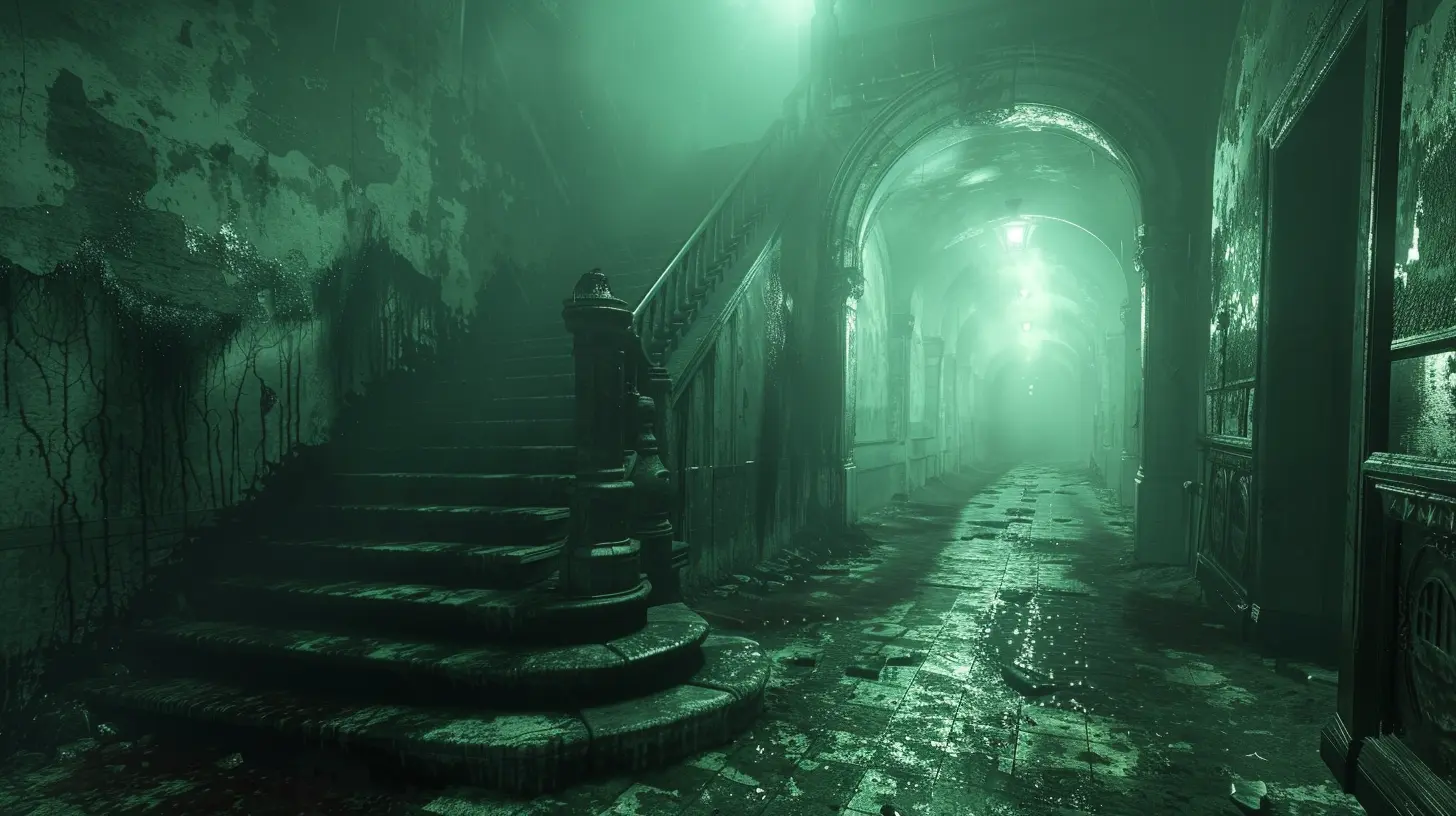
The Power of Sound: Why Music Matters in Horror Games
Before we get into the thick of suspenseful soundscapes, let’s talk basics. Why does music matter so much in horror games?Well, think about watching a horror scene on mute. Kinda takes the edge off, right? Now imagine that same scene with a slow, droning hum steadily rising in volume—or how about eerie lullaby-like notes plinking in the background? Chills, right?
What Makes Horror Scores So Effective?
It’s a combination of things: tempo, pitch, volume, and timing. But what really sets horror game music apart is its ability to manipulate emotion. It builds tension, releases it (just a little), and then builds it all over again. It’s a psychological game within the game.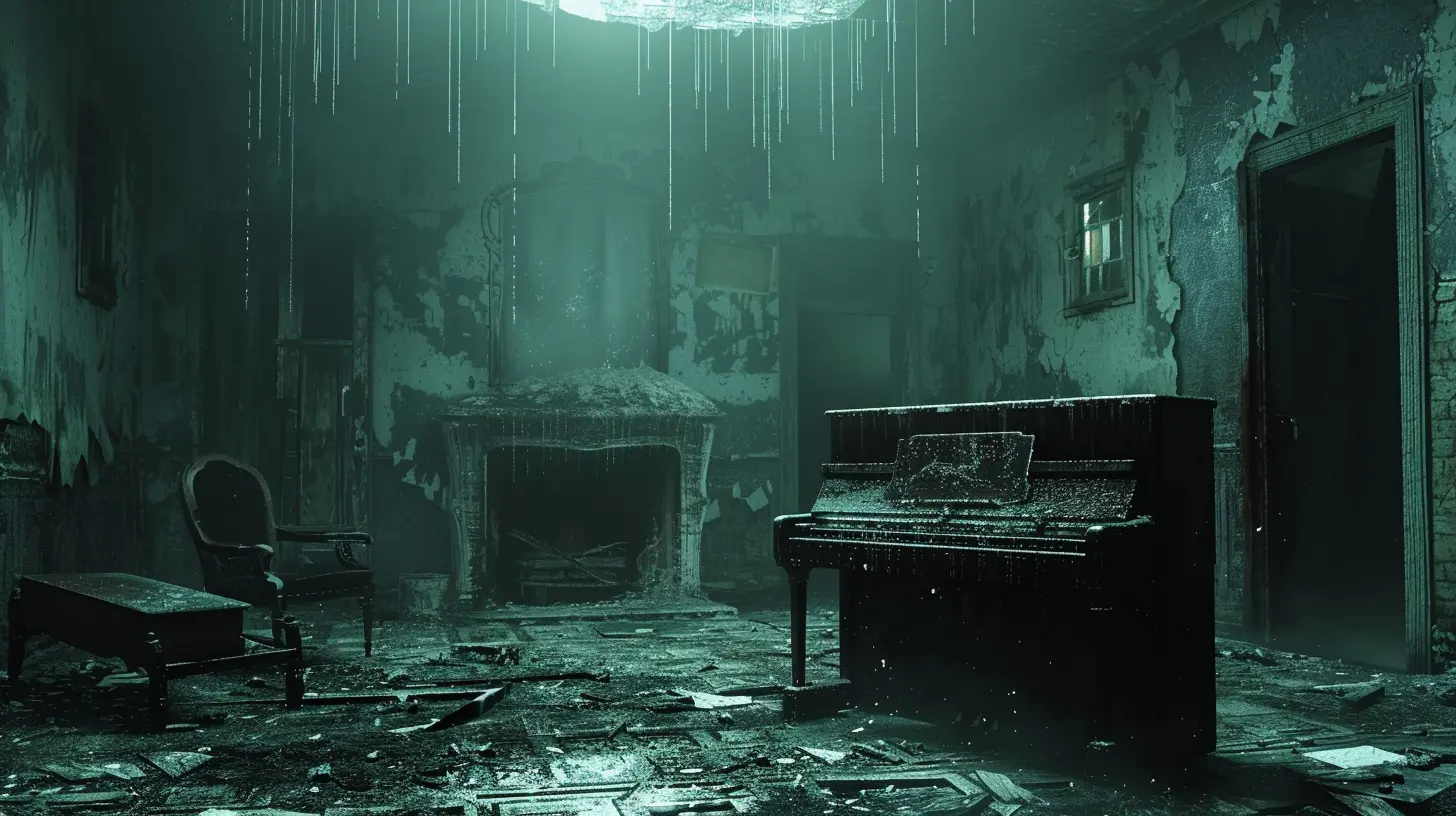
Eerie Soundtracks: The Silent Stars Behind Your Nightmares
Video game composers are the shadowy puppet-masters of terror. They know when silence is scarier than noise and how a single, sustained screech can make your heart skip.Let’s take a look at some standout examples that prove just how much the score shapes the horror experience.
1. Silent Hill – Akira Yamaoka’s Sound of Despair
You can't talk about horror game music without mentioning Silent Hill. Akira Yamaoka didn’t just make music—he created a living, breathing madness.His use of industrial clangs, static, and melancholic piano pieces created an atmosphere that felt both emotionally heavy and physically suffocating. The music didn’t just accompany the visuals; it was the horror.
Ever noticed how you feel anxious even when nothing is happening on screen in Silent Hill? That’s the score doing its sinister job.
2. Resident Evil Series – Tension You Can Hear
The Resident Evil franchise is no stranger to masterfully crafted soundscapes. From creaking floorboards to subtle piano keys, Capcom has always known how to let the environment speak through audio.In particular, the save room themes are strangely comforting—a brief oasis from the madness. But that contrast just adds to the tension. It’s like finding a moment of peace in a storm, knowing it can’t last.
3. Dead Space – The Orchestration of Panic
Dead Space’s soundtrack is like a creature in itself—lurking, growling, and springing to life when you least expect it. Composer Jason Graves built a score that doesn’t just accompany horror—it attacks you.Sharp violins mimic alien screeches, while ambient drones keep you teetering on the edge of your seat. The music almost seems to watch you, waiting for your guard to drop.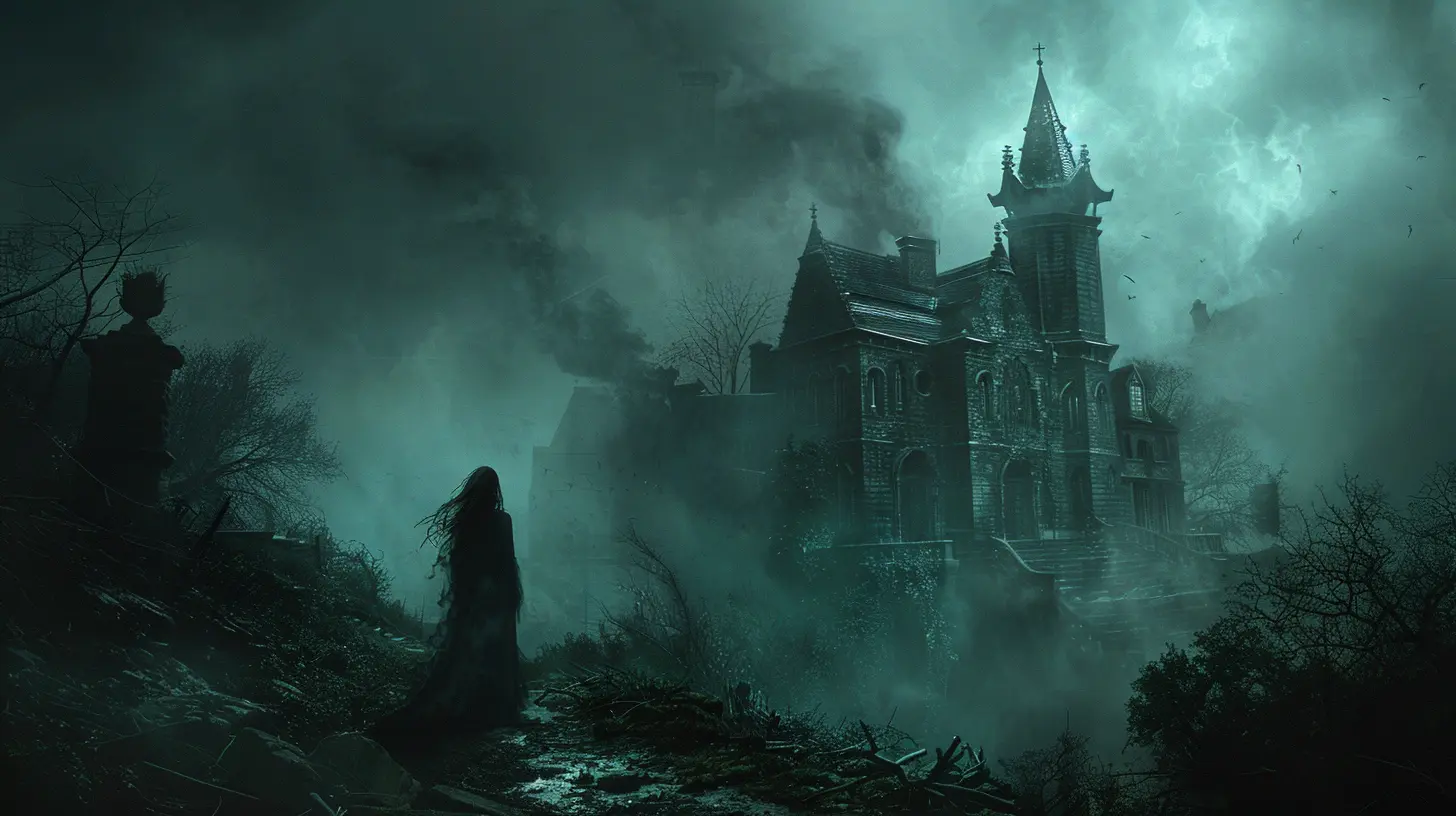
The Science Behind The Scare: How Horror Scores Mess With Your Head
Let’s get nerdy for a sec. What’s actually happening in your brain when that chilling soundtrack kicks in?Audio Cues Trigger Primal Fears
Our brains are wired to react to certain types of sound. High-pitched screeches, low rumbles, irregular tempos—these mimic the sounds of predators or environmental dangers from our evolution-driven past.In horror games, these cues are weaponized.
Sudden key changes? Your brain interprets those as something "wrong" or "off." Dissonant chords? Same deal. It's all about creating unease.
Less Is More: The Power of Silence
Sometimes, the scariest part of a horror game is when the music stops.Silence isn’t just the absence of sound—it’s a setup. In horror, silence is the icy breath before the scream. It creates anticipation, and our imaginations do the rest. A horror game with a well-timed pause in music gives players just enough room to think something is about to happen… even if nothing does.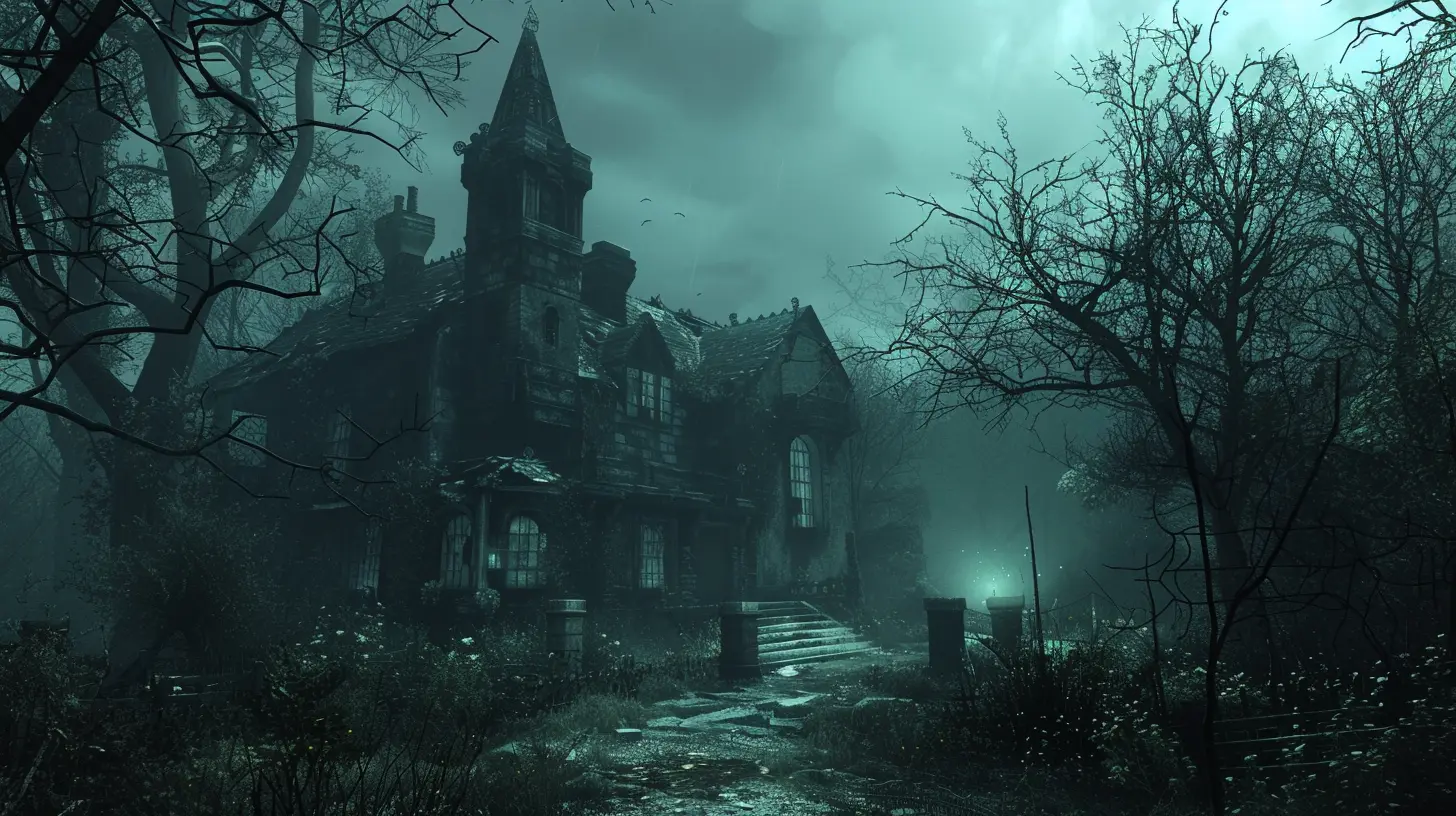
Dynamic Soundscapes: Reactive Music in Horror Games
What if the game could hear you? What if the music changed depending on what you do?Many modern horror games are adaptive, shifting musical elements based on player behavior. Walk into a new room? The tempo subtly changes. Get spotted by a monster? Cue the violins.
This real-time feedback connects the player to the game world in a terrifyingly intimate way. The music responds to your fear—and feeds it.
Indie Horror Games: Small Studios, Big Sound
Don’t sleep on indie horror games. While they may not have massive budgets, many boast some of the most creative and chilling music in gaming.Take Lone Survivor or Darkwood. These games use lo-fi aesthetics and minimalist scores to their advantage. By crafting claustrophobic soundscapes, they keep players in a constant state of dread.
It’s about using what you have—and letting the silences scream louder than the instruments.
Virtual Reality and 3D Audio: Horror Scores in the Future
Now let’s look forward. With VR gaming and 3D audio tech, horror scores are reaching new levels of immersion.Imagine feeling like something actually whispered in your ear. Or hearing a faint humming behind you, only to turn and find… nothing. This is no longer the future—it’s very much here.
Games like Resident Evil Village VR or Phasmophobia take full advantage of spatial audio, wrapping players in a 360-degree cocoon of terror.
You’re not just listening anymore—you’re inside the score.
Creating Your Own Horror Game Score – A Brief Guide
So maybe you’re a budding game dev or a composer looking to dabble in darkness. Where do you start?Here are a few quick tips:
1. Study the Greats
Listen to horror game OSTs (original soundtracks). Compare when music is used—and just as importantly—when it isn’t.2. Keep It Unpredictable
Avoid traditional structure. Let dissonance, irregular tempo, and sudden changes work their magic. Horror is not about harmony—it’s about chaos.3. Layer Sounds Like a Creepy Cake
Use layers of ambient sounds: whispers, static, wind, creaks. Stack them slowly, raise or lower the volume subtly. Let players feel like they’re being surrounded.4. Use Silence Intentionally
Don’t fear silence. In horror, silence is a tool. Use it to build anticipation and keep players second-guessing every move.Why We Love Being Afraid (Thanks to Music)
Here’s the weird thing—despite all the dread, we love horror games. And much of that is thanks to the audio. The eerie scores cradle us in fear but also guide us through it.When done right, a horror game soundtrack doesn’t just soundtrack our fear—it amplifies it. It binds us to the story, the setting, and the moment. And when the game is over? Those creepy melodies stick with us, sometimes longer than the images ever could.
Final Thoughts: Horror Scores Are the Heartbeat of Fear
In horror games, the music is not just background noise—it's a character, a story element, and a tool all rolled into one. From the distorted lullabies of Silent Hill to the screeching strings of Dead Space, these eerie scores give fear its voice.Without them, horror games would lose their soul.
So next time you boot up a terrifying title, slap on those headphones and really listen. The true horror might not be what you see—but what you hear.
all images in this post were generated using AI tools
Category:
Game SoundtracksAuthor:
Audrey McGhee
Discussion
rate this article
2 comments
Calyx Alexander
Horror games thrive on immersive scores; without them, the fear would dissipate. Sound is everything!
April 17, 2026 at 4:59 PM
Audrey McGhee
Absolutely. A haunting score can elevate tension and pull players deeper into the experience, making every moment more intense. Sound truly shapes the horror.
Joel McManus
What a fascinating exploration of sound! I'm curious how specific musical elements shape our fear response in horror games. Do you think certain instruments evoke more terror than others? Would love to hear your thoughts!
April 17, 2026 at 3:43 AM
Audrey McGhee
Thanks for your comment! Certain instruments, like strings and dissonant tones, definitely heighten tension. Their eerie qualities can trigger deeper emotional responses, making moments more intense. It's all about how those sounds are woven into the game's atmosphere.