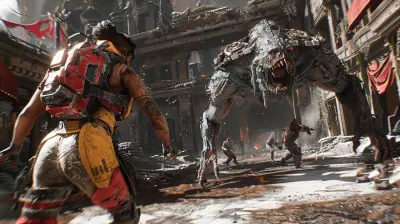
Comparing Solo vs. Team-Based Tournament Play
25 May 2026
Gaming tournaments have exploded in popularity over the past decade. Whether it’s a grassroots LAN event or a million-dollar esports competition, players all over the globe are fighting for glory. But when it comes down to the heat of the competition, one question always pops up: is it better to go solo or join a team?
Let’s break down what it really feels like to step into an esports tournament—alone or with a squad. Both paths lead to epic moments, but each comes with its own set of thrills, challenges, and rewards.
What’s the Deal With Tournament Play?
Tournaments are like the Olympics of the gaming world. It's where players test their skills, push their limits, and chase after victories that matter. Some games are built for solo players—think 1v1 duels in Starcraft or Street Fighter. Others are team-centric, like League of Legends, CS:GO, or Valorant.But here's the kicker—many games support both modes. So how do you choose the right one for you?
Let’s talk about what makes solo and team-based tournament play so different (and similar), and what you need to consider before entering the arena.
Solo Tournament Play: The Lone Wolf Journey
There’s something undeniably thrilling about going solo. You’re the hero of your own story. No teammates to lean on. No one else to blame when things go south. Just you, your skills, and the opponent in front of you.✅ Pros of Going Solo
1. Full Control
When you're on your own, every choice you make matters. You pick the strategy. You react in real-time. You don’t have to rely on someone else’s calls or reactions.It’s kind of like driving a race car by yourself. You're behind the wheel, making split-second decisions. Feels empowering, right?
2. Skill-Based Recognition
If you dominate a solo tournament, everyone knows it was all you. You earned that win. No debates. No “the team carried.” Just pure respect for your talent and grind.3. Flexible Practice Schedules
Solo play is convenient. You don’t need to sync up with teammates across time zones. Want to practice at 3 am in your pajamas? Go for it.❌ Cons of Going Solo
1. The Pressure Is Real
All eyes are on you. Every mistake, every misstep—it's all yours to own. This level of pressure can get intense, especially in high-stakes tournaments.2. Burnout Hits Harder
Without a team to cheer you on or share the load, it’s easy to get mentally and emotionally drained. Motivation can dip fast when you’re doing everything alone.3. Limited Strategies
In solo formats, gameplay tends to be more straightforward. You can only pull off so many advanced tactics without allies. That limits creative play and deep strategy.
Team-Based Tournament Play: The Power of the Squad
Now let’s talk about team play—where coordination, chemistry, and communication come into play. This is where friendships are tested, strategies are sharpened, and unforgettable moments are forged.Team tournaments are the heart of many popular esports titles because they bring out the best in collaborative competition.
✅ Pros of Playing as a Team
1. Shared Responsibility
Let’s face it—having teammates to share the pressure with is a blessing. When things go wrong, you're not alone. And when things go right? You celebrate together.2. Strategy Depth
Team games offer a whole new level of complexity. With roles, rotations, and tactics, there's a beautiful chess match happening behind the chaos.3. Emotional Support
Teammates aren’t just strategic partners—they’re your emotional buffer. They hyped you up when you're down and help you reset after a bad round.Remember those sports movies where the underdog team comes together and nails the game-winning play? That feeling? It’s real in esports too.
❌ Cons of Team-Based Play
1. Communication Issues
If your team isn’t talking clearly or if someone’s mic is cutting out—good luck. Miscommunication can cost you matches, even championships.2. Personality Clashes
Not everyone vibes. A team full of talented players can still fall apart if egos clash or people can't work together.3. Scheduling Chaos
Five people with five different schedules trying to find a two-hour practice window? It can feel like herding cats.
Skill Expression: Solo vs. Team-Based Tournaments
Let’s get into the nitty-gritty: where can you really show off your skills?In solo play, your mechanical skill, game sense, and decision-making are all under the spotlight. You’re constantly adapting, thinking ahead, and trying to outplay your opponent.
But in team games, your skill expression includes communication, teamwork, and specific role mastery. Being the best support or a shot-calling in-game leader is a form of art by itself.
So the real question is—what kind of skills do you want to be known for?
Pressure and Mental Game
Mental toughness is possibly one of the most underrated aspects of competitive gaming.In solo play, you're dealing with direct and personal pressure. One misclick? It could cost you the game. The mental strain is heavy, but the discipline you develop is insane.
In team play, the pressure is spread thinner, but it can also come from multiple sources. You might feel like you’re letting your team down or have to deal with tension within the group. You’re not just managing your own emotions—you’re syncing with others.
Which kind of pressure are you better at handling?
Longevity and Burnout
Burnout is real in competitive gaming. Practicing daily, competing regularly, reviewing mistakes... it adds up.Solo players are more prone to burnout because they're doing everything on their own. They grind harder and often longer, with no team to share tasks or boost morale.
Team players often enjoy longer competitive careers because they have social support, shared workloads, and a more dynamic experience overall. The game stays fresh when you're constantly evolving strategies with others.
Prize Pools and Opportunities
When it comes to money and exposure, both sides have big opportunities.Solo tournaments often have fast-paced brackets with big payouts for the best players. You stand out more, but the competition is fierce.
Team tournaments typically offer larger prize pools overall, especially in big esports titles. But the payout gets split, and your role might not always be in the spotlight unless you're the star player.
So, solo gives you a bigger personal piece of a smaller pie, while team play offers a smaller piece of a much bigger pie.
Community and Personal Growth
Here’s something people don’t talk about enough—community and growth.In solo play, you grow in personal discipline, self-awareness, and raw skill. But you miss out on the shared experiences that come with being part of a team.
In team-based play, you grow not just as a player but as a communicator, a leader, and a teammate. These are life skills that pay off way beyond the screen.
If you're someone who thrives in community, loves challenges, and values deeper relationships, team play will feel like home.
Which One Should You Choose?
So, solo or team-based tournament play? Honestly, there’s no one-size-fits-all answer.Ask yourself:
- Do I enjoy complete independence, or do I love working with others?
- Am I comfortable with pressure and being in the spotlight?
- Do I want quicker results, or am I in it for the long haul?
- What games do I love, and how are their tournaments structured?
Try both! There’s no rule that says you have to stick with one forever. Some of the best esports players have done both, and each style taught them something new.
Tips for Success in Both Formats
Whether you're rolling solo or teaming up, here are some core tips to keep you sharp:For Solo Players:
- Study your gameplay—watch your replays, spot your mistakes.- Focus on stamina and mental clarity. Take breaks.
- Set realistic goals (ranking, placements, personal improvement).
For Team Players:
- Build trust with your teammates. Off-screen chemistry matters.- Communicate often, and be open to feedback.
- Don’t blame—problem-solve together.
The Final Word
At the end of the day, tournament play—solo or team—is one heck of an experience. It tests you, teaches you, and transforms you. Whether you're the lone wolf out to conquer the bracket or part of a tactical strike-force with your crew, there’s a kind of magic in competitive gaming you just can’t find anywhere else.So suit up, pick your format, and dive in. Victory’s waiting—and it doesn’t care if you’re alone or rolling deep with the squad.
all images in this post were generated using AI tools
Category:
Gaming TournamentsAuthor:

Audrey McGhee
Discussion
rate this article
1 comments
Cody McGlynn
Solo play demands personal skill and adaptability, offering a unique challenge. In contrast, team-based tournaments emphasize cooperation and strategy, showcasing different dynamics that can significantly affect outcomes and player experiences.
May 25, 2026 at 2:56 PM
Audrey McGhee
You make a great point. Solo play does test individual skills, while team tournaments highlight the importance of collaboration and strategy. Both offer valuable experiences, just in different ways.