Are the Colossi in Shadow of the Colossus Protectors, Not Monsters?
5 July 2026
Have you ever stood in awe before one of the Colossi in Shadow of the Colossus and felt a strange tug at your heart? Not fear, exactly… but maybe something else? It’s easy to brand them as monsters. They’re huge, they tower over you, and yes — the game has you hunt them down. But what if we’ve been looking at them all wrong? What if the Colossi aren’t monsters at all… but protectors? Sacred guardians rather than terrifying beasts?
Let’s dive into the shadowy world of this cult-classic game and peel back the layers behind these towering enigmas.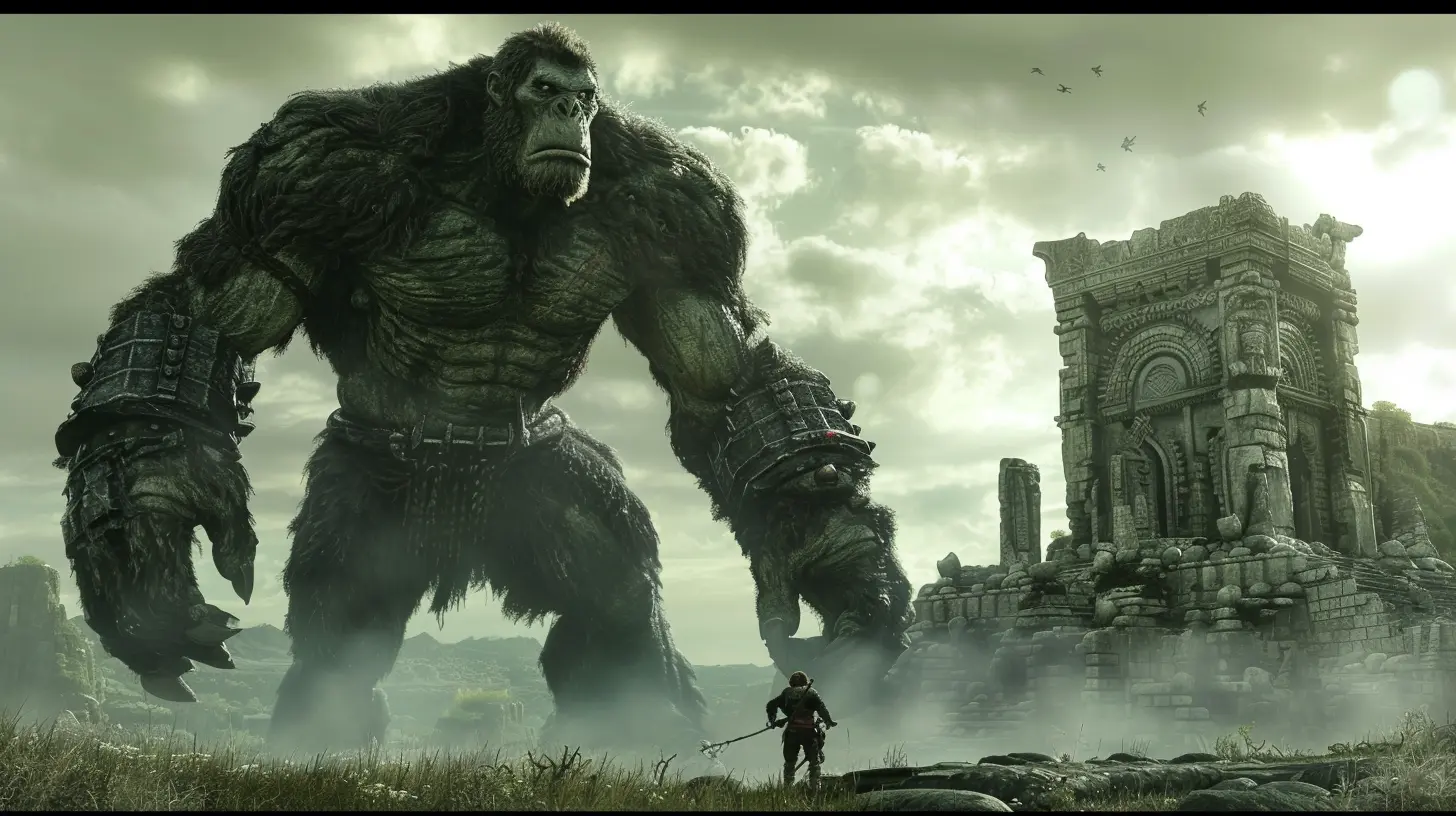
The Setup: A Tragic Quest
Before we dive into the nature of the Colossi, let’s talk a bit about Shadow of the Colossus itself. The game doesn’t hold your hand. You're a young man named Wander, who enters a mysterious, forbidden land with one goal in mind — to bring a girl named Mono back to life.To do that, he makes a deal. A shady one, with a mysterious entity called Dormin. The cost? Sixteen Colossi must fall by Wander’s hand. And from there, the game begins.
But the moment you see your first Colossus — a massive, slow-moving creature that doesn’t even seem to notice you — something feels… off. It’s not evil. It’s not aggressive unless provoked. It just… exists.
So the question pops up — are these Colossi evil monsters? Or something more noble?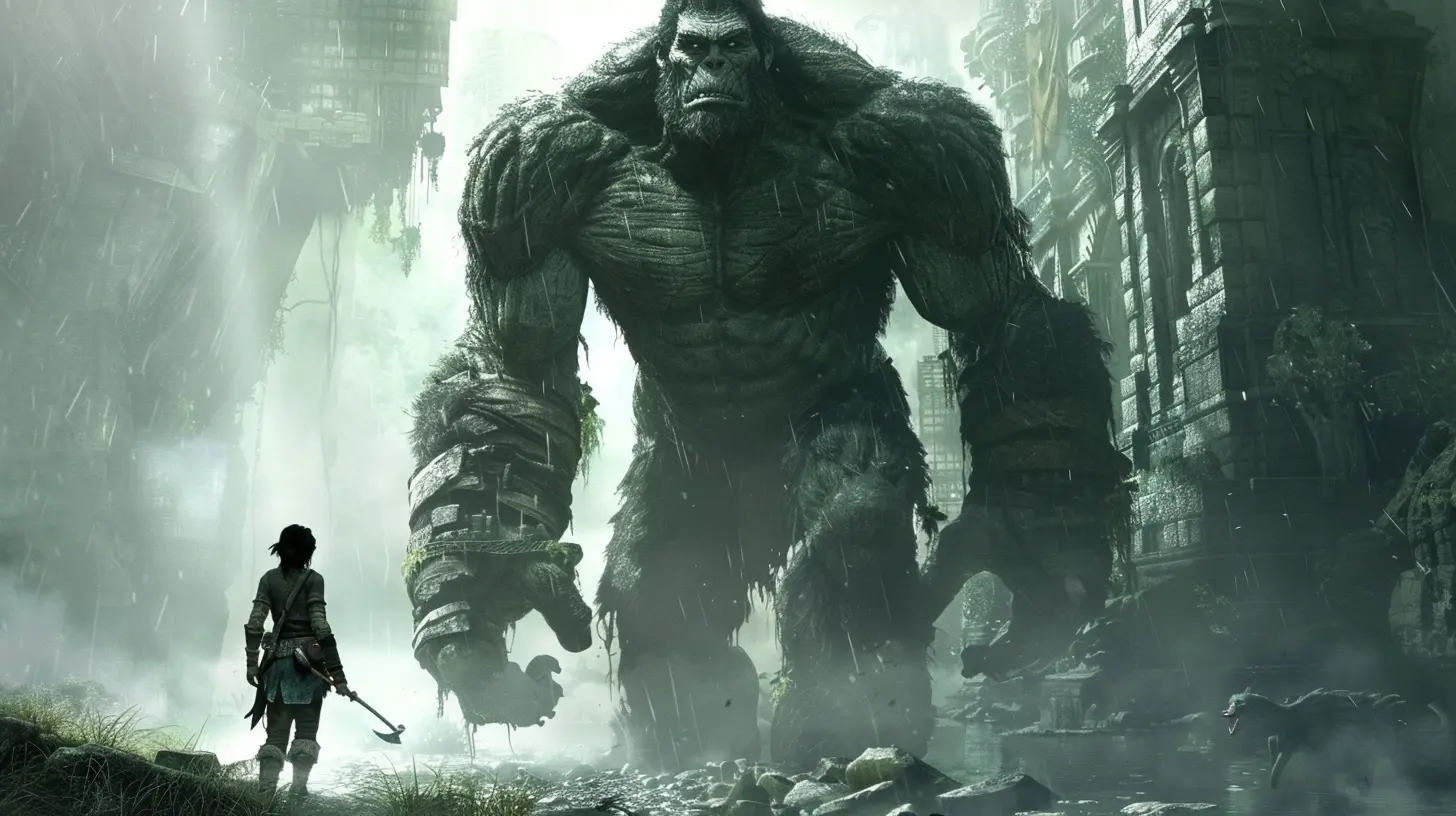
What Makes a Monster?
Let’s take a step back and really ask ourselves: what defines a monster?Is it size? Violence? Appearance? Or is it intention?
Monsters are usually beings that kill, corrupt, or destroy for selfish reasons. Think dragons torching villages or demons stealing souls. But the Colossi? They don’t go out of their way to hurt anybody. They’re not destroying the land. They’re not chasing after Wander. Most of them even ignore you until you attack.
So really — who’s the real monster here?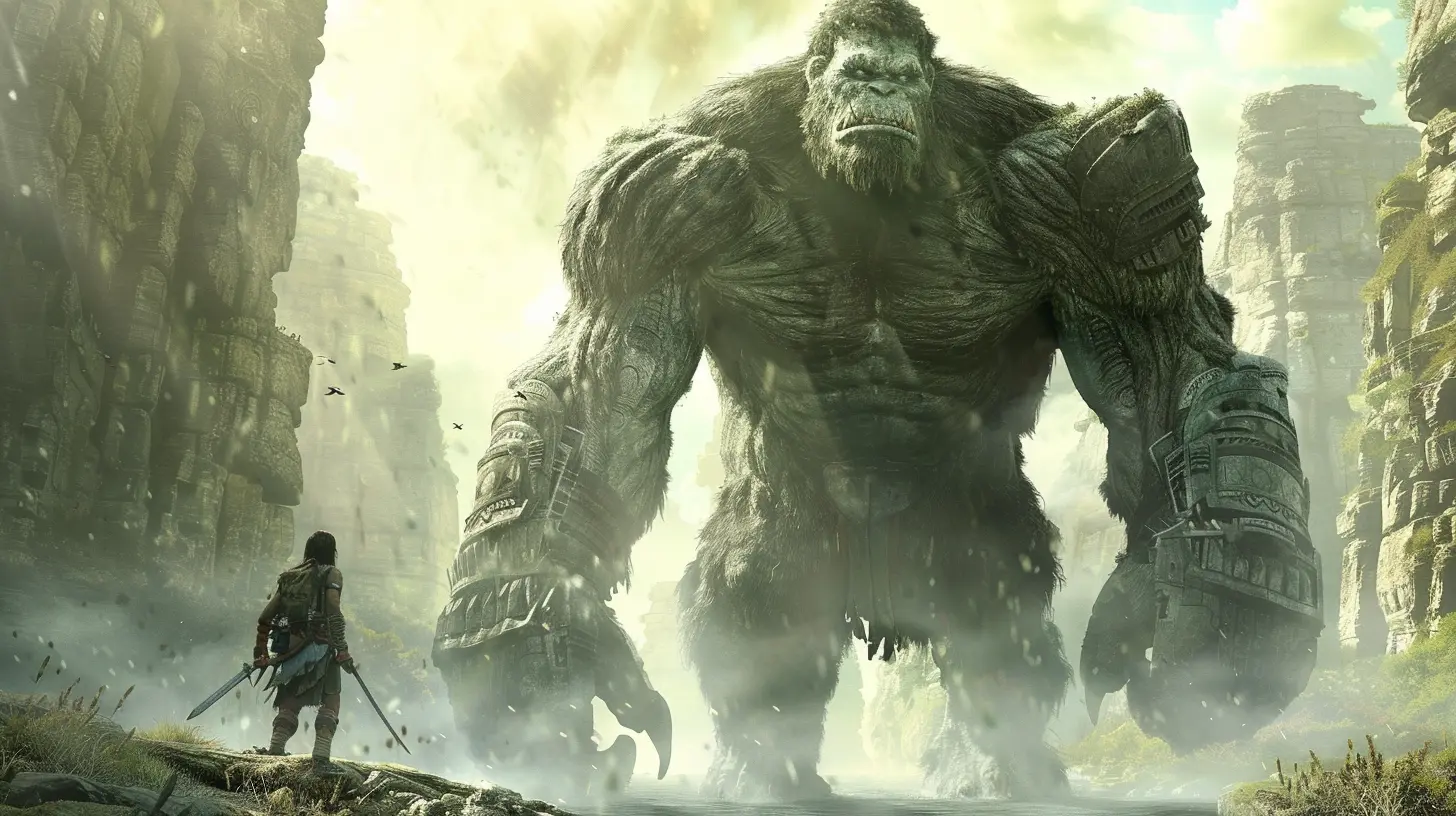
How the Colossi Behave: Gentle Giants
One of the clearest signs that the Colossi aren’t your typical monsters is how they act. Let’s break it down:- Passivity: The majority of the Colossi won’t even notice you until you’ve disturbed them. They’re not aggressive by default.
- Territorial Defense: The ones that do fight back only do so when you intrude upon their space. Imagine if a stranger hammered their way through your front door — wouldn’t you try to defend yourself?
- Natural Movement: Some Colossi blend into their environments. One burrows underground like a giant mole, another soars like a majestic bird over a lake. Their designs suggest harmony with nature, not opposition to it.
They don’t seem like creatures of destruction. They act like they're part of the landscape… almost sacred.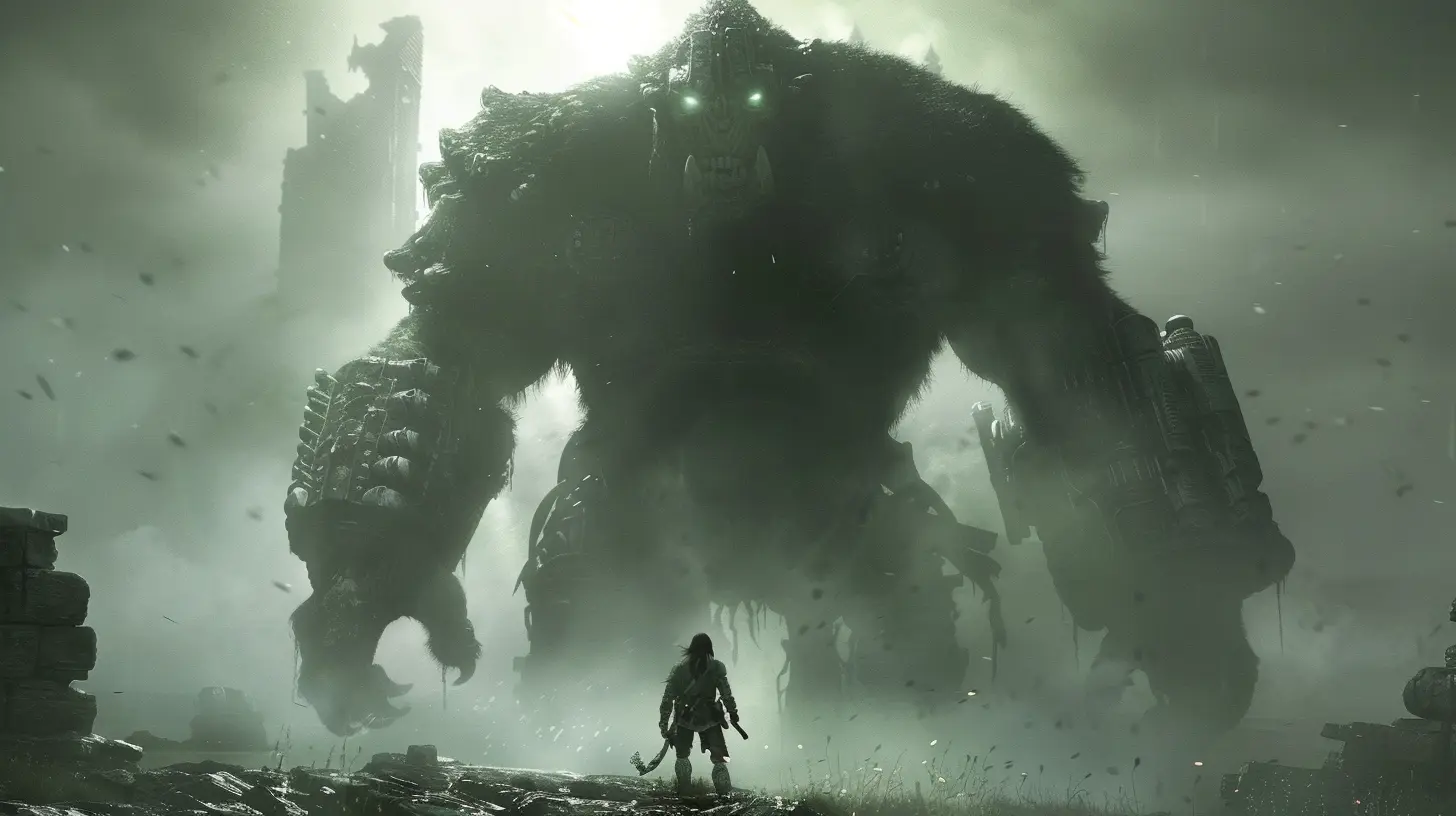
Dormin: The Puppet Master?
Now here’s where things get really interesting.Dormin is the voice in your head, the one who promises to bring Mono back if you slay all sixteen Colossi. But Dormin himself was once a powerful entity that was sealed away — and guess what? His essence was split across those very same Colossi.
So, could the Colossi be more like vessels — prison cells — holding pieces of Dormin apart?
If that’s the case, then their existence serves a much greater purpose: keeping the world safe from Dormin’s potential return. That sounds an awful lot like being protectors, doesn’t it?
And what does that make Wander, who’s being used as a pawn to unleash Dormin piece by piece? Kind of puts things in a different light, huh?
The Shrines and Their Locations Tell a Story
Ever notice how each Colossus is hidden away in isolated places? Towering deserts, sunken ruins, hidden forests — like they were never meant to be found. That’s not random. That’s intentional.The ancient people of this forbidden land didn’t just seal Dormin’s power and walk away. They placed the Colossi in remote, sacred locations — and built structures around them that look like temples or altars.
You don’t build shrines for monsters. You build them for guardians.
This silent storytelling is one of the things Shadow of the Colossus does best. It never spells things out for you — but it gives you all the clues you need if you’re paying attention.
The Tragic Beauty of Each Encounter
Think about how you feel during each Colossus battle. It’s not just adrenaline. There’s a weird emotional weight to these fights. The music swells, starting off majestic before growing more intense. And when you finally deal the killing blow?Silence.
A slow-motion fall.
A haunting melody.
It feels like mourning, not victory. Like you’ve done something wrong, even though you "won." That’s not how it usually goes in games. You're not supposed to feel bad after defeating the “bad guy”… unless they weren’t the bad guy at all.
The Visual Design: Less Beast, More Divine
If you've noticed the Colossi’s design, you're probably already onto something. These aren’t just big animals. They're works of art — part stone, part fur, part ancient statue. Some even resemble towers or ruins that have come to life.They look like they’ve been sculpted by time — forgotten gods, or mythical defenders built by ancient hands to serve a purpose.
That divine, almost regal appearance stands in stark contrast to typical monsters who are often twisted, grotesque, or corrupted. The Colossi feel ancient and purposeful. Not evil. Not chaotic.
A Game About Consequences
Still not convinced?Let’s look at what happens to Wander as the game progresses.
As each Colossus falls, Wander physically changes. His skin pales. He begins to look sickly. Shadows swirl around him after each battle. The more he "succeeds," the more he deteriorates.
Why?
Because he’s not doing the right thing. Not morally, anyway.
The game is subtly punishing him — and you, the player — for killing beings that maybe shouldn’t be killed. That twist hits hard. And it doesn’t come with a big flashy cutscene or a “bad guy” monologue. It’s shown through gameplay, emotion, and silence.
That’s powerful storytelling.
The Bigger Message: Are All Enemies Really Evil?
When you zoom out, Shadow of the Colossus seems to ask something even deeper: Do we always know who the real enemy is?It’s easy to label something a monster when it looks scary or challenges us. But sometimes, reality is more complicated. The Colossi are immense and powerful, sure — but also majestic, sorrowful, and isolated.
They weren’t hurting anyone. They were just… existing. Guarding something sacred. Protecting the balance.
Meanwhile, Wander, driven by love (or obsession?), is breaking that balance. Not maliciously, but blind to the consequences.
It makes you think, right?
Final Thoughts: Guardians in the Shadows
So, are the Colossi in Shadow of the Colossus protectors, not monsters?Honestly, it sure feels that way. Every detail — their behavior, their setting, their design, and the devastating effects of their death — points away from them being traditional enemies. Instead, they come across as noble beings, holding the world’s chaotic forces in check, until someone — you — comes to undo all of it.
It’s a powerful twist on the usual hero story. A game that starts with hope but ends in reflection. And the Colossi? They might just be the silent heroes of it all.
So next time you climb onto one of these mighty creatures, take a second. Look around. Listen to the music. Feel the enormity of what you're doing.
You’re not slaying a beast.
You’re ending a guardian’s watch.
all images in this post were generated using AI tools
Category:
Fan TheoriesAuthor:

Audrey McGhee
Discussion
rate this article
1 comments
Ariana Lozano
Colossi are misunderstood guardians, not monsters.
July 9, 2026 at 3:14 AM
Audrey McGhee
I agree. The colossi embody a complex form of guardianship, reflecting both beauty and tragedy in their existence.