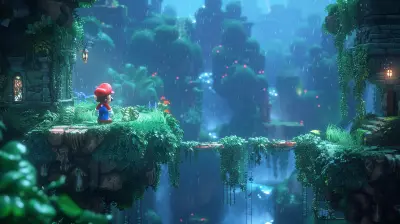
Are Subscription Models Better Than Pay to Win?
9 December 2025
In the ever-evolving world of gaming, one debate that refuses to die is the age-old question: Are subscription models better than pay to win? Whether you’re a casual gamer or someone who eats XP for breakfast, it's hard to ignore this conversation. Both models have their loyal followers and harsh critics—but which one truly benefits gamers the most?
Let’s break it down and talk about the pros, the cons, and everything in between.
What Is a Subscription Model in Gaming?
First things first, what exactly are we talking about here? A subscription model means you pay a recurring fee—monthly or yearly—to access a game or a library of games. Think Xbox Game Pass, PlayStation Plus, or MMORPGs like World of Warcraft. You pay, you play. Simple.It’s a lot like subscribing to Netflix but instead of binge-watching TV shows, you're grinding dungeons or exploring open worlds.
What Does “Pay to Win” Mean?
Now, pay to win, commonly abbreviated as P2W, is a bit of a dirty phrase in the gaming community. It refers to games where you can pay money to get ahead. This could mean better gear, faster levelling, or stronger characters—all without putting in the time other players do.Imagine entering a race, but half the runners paid to start halfway down the track. Yeah, it's kinda like that.
Why Subscription Models Are Gaining Popularity
Subscription models have been on the rise for a reason. They offer a ton of value, especially for gamers who love variety and don’t want to commit to one title forever.1. Cost-Effective Gaming
Let’s be real—buying games individually gets expensive fast. A subscription like Xbox Game Pass gives you access to hundreds of games for the price of one AAA title per year. That’s incredible value, especially if you hop from game to game.2. Encourages Fair Play
Arguably the biggest win for subscription models is fairness. Everyone’s on an even playing field. You're not getting stomped in PvP matches because someone spent $200 on power-ups. Instead, success is usually tied to skill and time invested.3. Access to Premium Titles
Many subscription services offer access to premium or even day-one release games. That means you can try highly-anticipated games without spending $70 upfront. If you don’t like it? No harm, no foul—you move on to the next one.
The Perks of Pay to Win (Yes, Some Exist)
Okay, so pay to win gets a lot of hate—and mostly for good reason—but let’s play devil’s advocate for a minute. Not everyone who plays games has the luxury of time.1. Time Is Money
Some gamers have full-time jobs, families, and responsibilities. For them, spending a bit of cash to avoid grinding for hours might be worth it. It’s not always about skipping the challenge; sometimes it’s about saving time.2. Free-to-Play Entry
A lot of pay to win models are hidden inside free-to-play games. This lowers the entry barrier. You download and play without spending a dime—at least initially. If you like the game, you might drop a few bucks to enhance your experience.In a way, the pay to win model allows developers to make money while still giving players a taste for free.
But Let's Be Honest: Pay to Win Has Some Major Downsides
We need to address the elephant in the room—pay to win ruins a lot of games. It creates inequality and can turn an otherwise great experience into a frustrating mess.1. Skill Becomes Irrelevant
When someone can buy their way to victory, it diminishes the importance of learning the game. Competitive balance gets tossed out the window. As a result, skilled players who don’t pay get overshadowed, even if they’re better.2. Paywalls Can Kill Progression
You know those mobile games that start off fun but soon hit a wall unless you pay up? That’s the problematic side of pay to win. It often disguises itself as free-to-play but subtly nudges you toward opening your wallet.Sure, you can grind for hours—or you could just drop $10 for instant progress. It’s tempting, and that’s the point.
3. It Breeds Toxicity
Nothing sours an online community like pay to win mechanics. Players get annoyed, frustrated, and eventually quit. That toxicity spreads like wildfire across forums and Reddit threads. A game's reputation can nosedive overnight.Subscription Models Aren’t Perfect Either
Let’s not pretend that subscriptions are flawless. Anything that sounds too good to be true usually has a catch.1. You Don't Own the Games
When you stop paying, you lose access. That game you’ve been playing for months? Gone. It’s kind of like leasing a car—you never truly own it.2. Monthly Costs Add Up
If you subscribe to multiple services—Xbox Game Pass, PlayStation Plus, Nintendo Switch Online, EA Play—it starts to hurt your wallet. One or two subscriptions are fine, but five? That’s a cable bill.3. Game Rotations
Just like Netflix, game libraries can change. Your favorite title might get removed without warning. It’s annoying, especially if you're halfway through the story.Comparing the Two: Side-by-Side
Let’s line them up side by side to really see the picture.| Feature | Subscription Model | Pay to Win |
|-----------------------------|----------------------------|-----------------------------|
| Upfront Cost | Monthly/Yearly Fee | Free (initially) |
| Game Ownership | No | Yes (in some cases) |
| Fairness | Even playing field | Skill often overshadowed |
| Community Health | Positive | Can become toxic |
| Long-Term Costs | Predictable | Can spiral quickly |
| Game Variety | High (in bundles) | Limited (usually one game) |
| Entry Barrier | Low | Very low |
Which One’s Better for Developers?
We always talk about what’s good for the players, but what about the devs?Subscription models can offer developers stable, recurring revenue while also pushing them to create high-quality, replayable content. The better the game, the longer you’ll stay subscribed.
Pay to win can generate quick cash, especially from “whales”—a term used for players who spend a TON of money. But it’s risky. If the community turns against you, your game is toast.
What Do Gamers Really Want?
At the end of the day, most gamers crave a balanced, enjoyable experience. They want to feel rewarded for the time they spend and respected by the developers. Subscription models, while not perfect, come closer to striking that balance.Pay to win mechanics often get in the way of fun. They break immersion. They shift the goalpost from “get better” to “spend more.” For many players, that’s a dealbreaker.
The Verdict: Are Subscription Models Better Than Pay to Win?
So, are subscription models better than pay to win? In most cases—absolutely, yes.They support skill-based progress, encourage exploration, and foster healthier communities. Sure, they have their drawbacks, but when it comes to creating a level playing field and delivering genuine value, subscription models take the crown.
Pay to win might appeal to a select few, but it often sacrifices the soul of gaming in the process.
Final Thoughts
Gaming is about more than just graphics and mechanics—it’s about experience. It’s the joy of a hard-earned victory, the thrill of competing with friends, and the satisfaction of growing your skills. Subscription models amplify those feelings, while pay to win models often dilute them.So if you’re looking for a way to game smarter, fairer, and more affordably, subscription-based gaming might just be your best bet.
And hey, if you're still on the fence, maybe try both. Just keep an eye on your wallet—and your in-game leaderboard.
all images in this post were generated using AI tools
Category:
Pay To Win GamesAuthor:

Audrey McGhee
Discussion
rate this article
3 comments
Runeveil Strickland
While subscription models offer sustainable revenue and equitable access, they can also lead to content gating. In contrast, pay-to-win systems often alienate players and undermine gameplay integrity. A balanced approach prioritizing fair competition and value for all players is essential.
February 28, 2026 at 3:47 PM
Audrey McGhee
Thank you for your insightful comment! I agree that finding a balance between sustainable revenue and fair access is crucial for enhancing player experience while maintaining gameplay integrity.
Grace Reed
Interesting perspective! I wonder how player satisfaction varies between subscription models and pay-to-win schemes. Could balance be the real key?
December 15, 2025 at 4:04 PM
Audrey McGhee
Thank you! Balance is indeed crucial; a fair experience can enhance player satisfaction regardless of the monetization model.
Lilith Nelson
While subscription models offer ongoing value and access to a range of content, pay-to-win mechanics can undermine fairness and player enjoyment. Ultimately, the best approach balances revenue generation with a rewarding player experience.
December 9, 2025 at 5:24 AM
Audrey McGhee
Thank you for your insights! Striking that balance is indeed crucial for both sustaining revenue and ensuring a fair, enjoyable experience for players.