Why Tournament Rule Sets Matter More Than You Think
25 December 2025
Let’s be honest for a second — when we watch competitive gaming, most of us care about who wins, the jaw-dropping plays, and the heart-pounding moments. Rarely do we stop and think, “Hmm, I wonder what rule set they’re using?” But here’s the kicker: tournament rule sets are way more important than you probably realize. In fact, they could be the reason why your favorite game is balanced, fair, and even fun to watch.
So, whether you're a casual gamer, a budding tournament organizer, or just someone who loves esports, buckle up. We're about to break down why these rule sets matter — and why ignoring them could be a serious mistake.
What Are Tournament Rule Sets Anyway?
First things first — what the heck is a tournament rule set?A tournament rule set is a set of agreed-upon rules that define how a competitive game is played during tournaments. Think of it as the blueprint or the “terms of engagement.” These rules cover everything from:
- What maps or stages are legal
- Which characters, weapons, or abilities are allowed
- Gameplay time limits
- Tie-breaker conditions
- Hardware and input restrictions
Now, imagine trying to play Monopoly without deciding in advance if you can build hotels without owning all the properties. Chaos, right? The same applies to competitive games.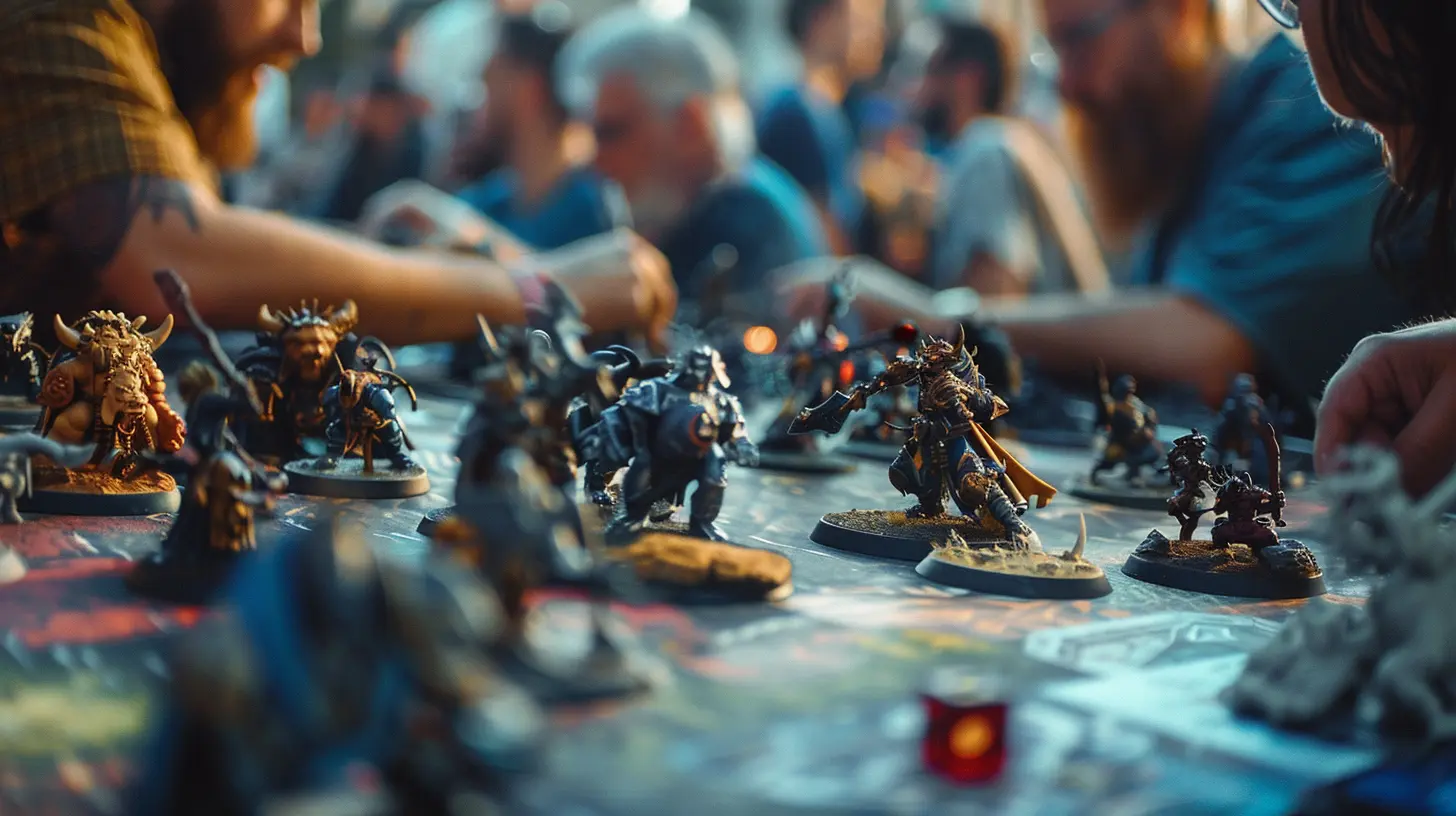
Why Rule Sets Aren’t Just Formalities
At first glance, these rules might seem like boring logistics. But they’re actually the foundation of fair competition. Without a defined rule set, you're not playing a tournament — you're just goofing around with no structure.Let’s break down why tournament rule sets truly matter.
1. Ensuring Fairness and Balance
Fairness is the name of the game. Rule sets exist to level the playing field. Not all characters in a fighting game are created equal. Some are super OP (overpowered), while others… well, they’re pretty much just for memes.By banning certain characters, weapons, or strategies, organizers make sure players are competing based on skill — not who picks the most broken combo.
🎮 _Example:_ In Super Smash Bros. Melee, certain stages like "Great Bay" or "Hyrule Temple" are banned in competitive play because their size and gimmicks ruin balance. Without banning them, we’d get matches that resemble hide-and-seek more than fighting.
2. Encouraging Competitive Integrity
Ever heard the phrase “win at all costs”? In tournaments, that mindset can get ugly fast.Without a solid rule set, players might exploit bugs, glitches, or unintended mechanics to gain an edge. That’s not clever — that’s cheating in disguise. A good rule set prevents this kind of behavior and keeps the focus on outplaying your opponent with skill and strategy.
🔥 _Pro Tip:_ Watch any high-level speedrun or fighting game, and you’ll see strict enforcement of rules against things like macros, exploits, or turbo controllers. That’s not being strict — that’s protecting the spirit of competition.
3. Preserving the Viewer Experience
Let’s not forget the people watching! Fans don't want to stare at a 90-minute chess match disguised as a Fortnite build battle. A well-crafted rule set ensures matches are fast-paced, exciting, and viewer-friendly.🤔 Ever wonder why time limits exist in FPS or fighting game tournaments? It’s so matches don’t drag on forever. No one wants to sit through 10 minutes of players circling each other waiting to land the first punch.
By curating things like map pools, weapon options, and even game modes, organizers enhance the entertainment factor. Because yes — esports are still a show.
4. Unifying Global Standards
Esports is a global thing now. You’ve got players in Korea, viewers in the U.S., and sponsors in Europe — all dialed into the same game. A standardized rule set makes that possible.Can you imagine if every region used a slightly different format for tournaments? Players would have to re-learn game plans every time they flew to a different country. That’s a logistical nightmare and unfair for global competition.
👨💻 _Think about it this way:_ If the FIFA World Cup let each country bring their own version of soccer rules, we’d have teams using 12 players, square balls, or goalposts the size of a closet. Madness!
5. Helping Developers Identify Game Flaws
Tournament rules also double as feedback. When a certain character, item, or mechanic gets banned repeatedly, developers take notice. It’s like a red flag waving in their face saying, “This needs to be fixed.”In this way, rule sets are kind of like QA testers at a million-dollar event. They point out what’s broken, what’s borderline, and what’s working perfectly. That feedback loop is crucial for long-term game health.
🛠️ _Case in point:_ Games like Dota 2 and League of Legends constantly adjust their balance based on how tournaments pan out. That’s not a coincidence — it’s a strategic response.
6. Reducing Controversy and Drama
Let’s be real — when rules are unclear, drama follows. And when money’s on the line, misunderstandings can explode into full-blown controversies.A well-written rule set prevents miscommunication. It spells out what’s allowed and what’s not. That way, if something shady happens, there’s a document to refer to for a clean resolution.
💬 Imagine getting disqualified for something you didn’t know was against the rules. That’s heartbreaking — and completely avoidable.
7. Encouraging Player Preparation and Strategy
Rule sets aren’t just for organizers — they’re tools for players, too. When athletes know what’s allowed, they can train for it.A stable rule set gives players the space to develop deep strategies, counter-picks, and game plans. Constantly changing rules, on the other hand? That just leads to chaos. Players need consistency to reach their peak.
📚 _Think of it like studying for a test. If the teacher changes the syllabus every week, how do you even prepare?_
8. Building Community Trust and Credibility
In the end, tournaments are also about credibility. No one wants to show up to an event run by amateurs with inconsistent rules. That's how scenes die — fast.A transparent, well-known rule set builds trust in the community. It signals that the organizers know what they’re doing. More importantly, it attracts sponsors, fans, and long-term support.
🌍 _Fun Fact:_ Many grassroots tournaments eventually grow so large that developers adopt their house rules as the standard. That’s community power at its finest.
Rule Sets Across Genres: Not a One-Size-Fits-All
Different games need different rules. What works for a fighting game might make no sense in a battle royale. Let’s break down how rule sets vary depending on genre:🎮 Fighting Games
- Legal stages- Stock count and time limits
- Character bans (rare but possible)
- Input device restrictions
🔫 First-Person Shooters (FPS)
- Map rotations- Weapon limitations
- Respawn timers
- Friendly fire on/off
👑 MOBA Games
- Draft order- Ban phases
- Coaching timeouts
- Reconnect rules
🪂 Battle Royales
- Drop zones allowed/forbidden- Weapon rare spawns
- Kill scoring vs. placement scoring
- Time-of-day settings
Each genre has its quirks, and rule sets adapt accordingly. The key takeaway? The structure must match the game’s core mechanics.
Why Gamers Should Pay More Attention
If you’re just watching or competing without understanding the rules, you’re missing half the picture. Rule sets shape the game. They decide who has an edge, what strategies are viable, and even what kind of moments become legendary.So next time there’s a tournament, take a peek at the rules. You might find out why your favorite player didn’t pick their main character or why a certain weapon never shows up.
📷 _It's like watching a movie but skipping the part where they explain the plot — you’ll still enjoy it, but you won’t understand the why behind everything._
Final Thoughts: Rule Sets Are the Unsung Heroes
Tournaments aren’t just about hype and skill — they’re about structure. And rule sets are the backbone of that structure. They keep things fair, exciting, and competitive. Without them, high-level play would collapse into chaos, and the magic of esports would fizzle away.So yeah — they matter. A lot more than you think.
What You Can Do Next
- If you're a player: Learn the rules inside out. Use them to your advantage and build your strategy around them.- If you're a spectator: Take a minute to check the rule book. It'll give you a deeper appreciation of the gameplay.
- If you're an organizer: Respect your community. Build rule sets that encourage fairness, balance, and fun.
In the world of competitive gaming, rule sets aren’t just rules — they’re the soul of the game. Don't sleep on them.
all images in this post were generated using AI tools
Category:
Gaming TournamentsAuthor:

Audrey McGhee
Discussion
rate this article
3 comments
Samuel Daniels
Oh sure, because who needs fun in gaming when we can obsess over every tiny rule? Let’s just turn the excitement of tournaments into a riveting legal seminar!
March 15, 2026 at 5:09 AM
Audrey McGhee
Rules ensure fairness and structure, which are essential for competitive integrity in tournaments. Without them, the excitement could easily turn chaotic.
Hattie Mahoney
Ah, yes, because nothing screams excitement like a 200-page rulebook! Who needs actual gameplay when you can debate the finer points of penalty kicks for hours? Truly the stuff of legends!
December 26, 2025 at 3:50 AM
Audrey McGhee
I appreciate your humor! While detailed rules may seem tedious, they ensure fair play and enhance the competitive experience for everyone involved.
Zora Sharpe
This article brilliantly highlights the often-overlooked impact of tournament rule sets on player experience. It's essential to recognize how these guidelines shape fairness and competition. Understanding their nuances not only enriches our gaming experience but also fosters respect among players. Thank you for shedding light on this!
December 25, 2025 at 5:35 AM
Audrey McGhee
Thank you for your thoughtful comment! I'm glad you found the article highlights important aspects of tournament rule sets and their impact on player experience.