Why Pay to Win Games Continue to Dominate the Market
13 June 2026
Welcome, fellow gamer! Let’s dive deep into a controversial yet unavoidable facet of the gaming world: pay-to-win (P2W) games. You’ve probably faced it before — the player who drops into a match swinging gold-plated weapons, decked out in top-tier gear, and wipes the floor with everyone. No skill-gap magic, just a well-funded wallet. Infuriating? Maybe. But here’s the kicker: these games aren’t going anywhere. In fact, they’re thriving.
Let’s break down why pay-to-win games continue to dominate the market like a boss on steroids.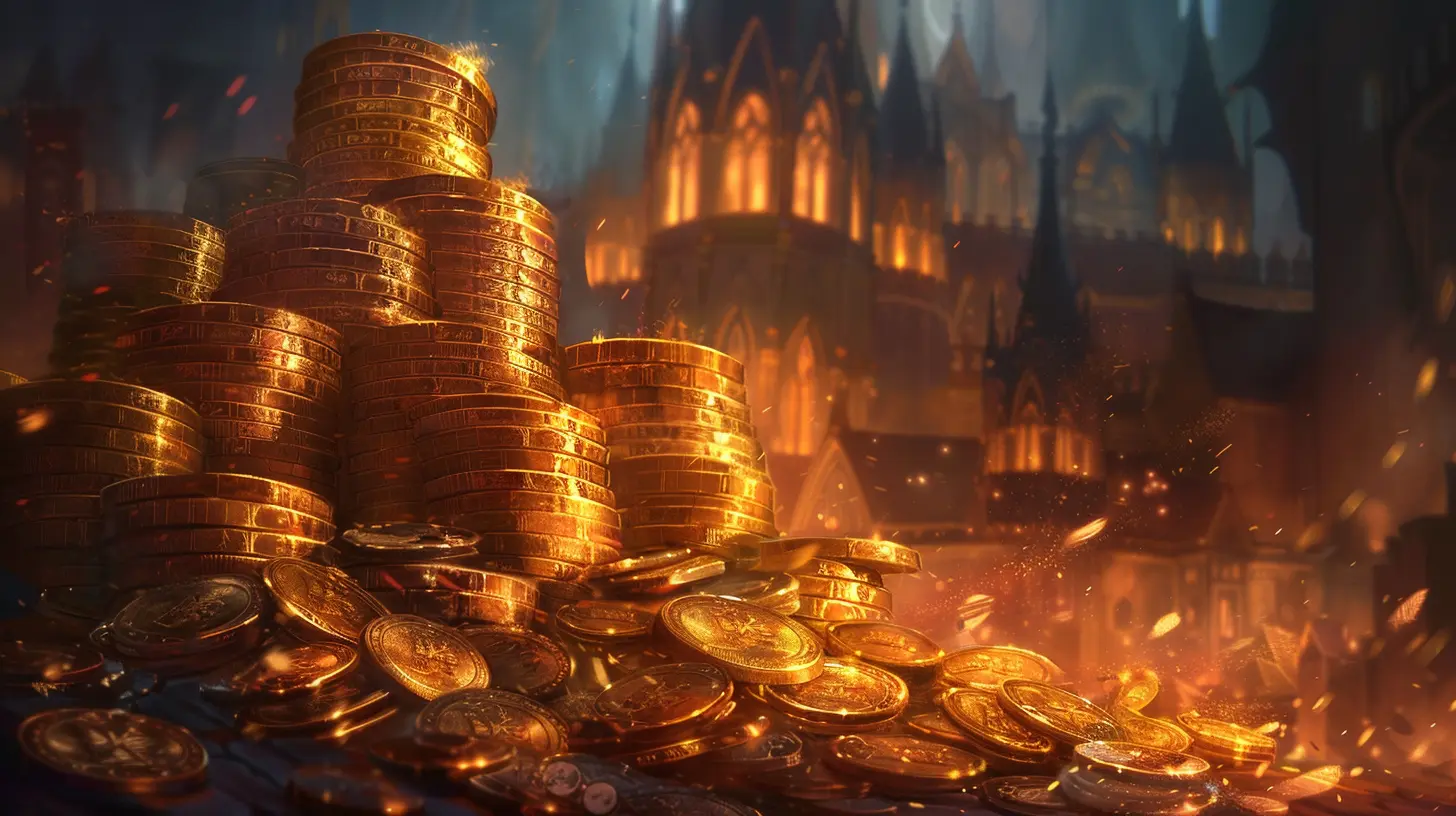
? The Hook: What “Pay-to-Win” Really Means
Before we go full throttle, let’s define what we’re talking about. A pay-to-win game is one where spending real-world money gives players a clear in-game advantage. That might mean better gear, stronger characters, faster leveling, or premium resources that basically let you steamroll your way through content.In theory, anyone can reach the top. In practice? The credit card warriors often get there first.
? Why Money Talks Louder Than Skill
Here’s the truth bomb: in gaming, as in life, money talks. Developers aren’t running a charity — they’re building a product, and more often than not, P2W mechanics are their golden goose.When a game allows players to spend money to speed up progress or become more powerful, those players are more likely to keep playing — and keep paying. It’s a dopamine hit, a power trip, a shortcut past the grind. And as long as the game’s fun enough to keep the rest of the player base engaged, it works.
? The Business Behind the Madness
Let's take off the headset and look at the numbers for a sec.1. Microtransactions Make Mega Profits
Games like Clash of Clans, Raid: Shadow Legends, and even FIFA's Ultimate Team rake in billions — yes, billions — of dollars every year from in-game purchases. Many of these aren't just cosmetic; they give real in-game advantages. And guess what? People are buying.It’s like letting you skip the line at a rollercoaster. Sure, waiting is free, but if you can afford it, why not ride right now?
2. Whales Keep the Ship Afloat
In the gaming world, whales are those players who spend hundreds or even thousands of dollars on a single game. They’re rare, but they’re powerful. A small percentage of big spenders can fund the entire game’s development and operation costs.And game designers know this — so they build systems that cater to those wallets.
? The Psychology of Power and Progress
Let’s not underestimate how addictive progress can be. P2W games tap right into psychological cravings — FOMO, achievement, status.1. Faster Progress, Bigger Ego Boost
Imagine you’re grinding through a MMORPG, slowly leveling up, earning your gear piece by piece. Then someone whizzes by you in glimmering armor, having paid their way to greatness. You feel left behind — obsolete.Now, imagine you had the money to catch up, or even surpass them. Tempting, right?
2. Instant Gratification Culture
We live in the era of one-click deliveries and binge-watching. Why should gaming be different? Many players today don’t want to grind for weeks. They want results. Now.P2W games serve that market perfectly. Swipe, unlock, dominate.
? Social Pressure Fuels the Fire
Let’s be honest — nobody wants to be the weakest link. In team-based games like mobile RPGs, shooters, or even gacha games, you’re often judged by your gear, your level, or your win-rate. And sometimes, paying is the only way to keep up with your friends or clan.Imagine your whole squad is flexing mythic-level gear while you're stuck wearing rags. That pressure hits hard.
? Mobile's Role in the Rise of P2W
Mobile gaming is where P2W really popped off. Why?1. Lower Barrier to Entry: Mobile users don’t need a $2,000 gaming PC. Just a phone.
2. Casual Audience: The average mobile gamer isn’t a hardcore purist. They’re more likely to spend a few bucks to level up or crush a level.
3. Always On: Games are literally in your pocket. That constant accessibility encourages bite-sized play sessions — and bite-sized spending.
? The Loop: Spend > Win > Feel Good > Spend Again
It’s a loop tighter than a pro gamer’s reflexes.1. You pay to get stronger.
2. You win more.
3. You enjoy that power.
4. You want more of it.
5. You pay again.
It's emotional. It's rewarding. And it keeps players coming back. Like a never-ending boss battle… with your bank account.
? Game Design: Built to Make You Pay
Modern P2W games aren’t sloppy cash grabs — they’re carefully engineered systems with psychological hooks at every turn.Think:
- ? Daily login rewards (but better if you pay)
- ⌛ Waiting timers (removable with currency)
- ? Limited-time offers
- ? Loot boxes (hello, dopamine)
- ? Paid battle passes with exclusive rewards
Every mechanic subtly nudges you towards opening your wallet — and it works frighteningly well.
? But Isn’t It Unfair?
Here’s where the debate gets spicy.P2W games often spark outrage in the community. “You didn’t earn that weapon!”, “Skill should matter more than money!”, “This ruins the balance!”
And you know what? Those complaints are totally valid. In competitive settings, P2W can destroy the integrity of the game. When victories are bought, not earned, it’s demoralizing for players who grind day and night — only to get stomped by someone with a fat stack of in-game currency.
Yet, people keep playing. Why?
❤️ People Love the Games Anyway
Despite the hate, many P2W games are genuinely fun. Engaging mechanics, beautiful art, addictive gameplay loops — they draw you in.It’s kind of like a restaurant with great food and terrible service. You complain… but you keep coming back for that one dish you can’t get anywhere else.
⏳ The Time vs. Money Dilemma
Let’s look at it another way.A lot of what we call "pay-to-win" is really just pay-to-save-time. Not everyone has 40 hours a week to grind a game. Paying $10 might mean skipping that awful dungeon you’ve cleared 20 times already.
Is that really such a crime?
Some view spending money as cheating. Others see it as just paying for convenience. Like choosing between walking five miles or hopping into an Uber. Different strokes, right?
? Free-to-Play Isn’t Free to Build
Here’s a fact most players overlook: games are expensive to make.Servers, art, music, coding, updates, community management — they all cost real money. If a game is free to download and play, the developers have to recoup those costs somehow.
P2W mechanics allow them to:
- Keep the lights on
- Offer consistent updates
- Avoid paywalls for casual players
Without monetization — often aggressive monetization — a lot of these games wouldn’t even exist.
? P2W vs. Skill-Based: Can They Co-Exist?
Yes, it's possible. Some devs pull it off with balance and finesse.Take games that separate paid players from free ones in matchmaking, or those with modes where bought gear doesn’t apply.
Others limit what money can buy — you might get faster progress, but you still need skill to win.
When done right, even P2W games can feel fair-ish. It’s a delicate dance between monetization and merit. But few games nail the choreography.
? Why the Hate Isn’t Stopping the Wave
People rant on Reddit. YouTubers drop spicy rants. Forums rage. But the industry? Still dropping P2W titles like loot from a level-100 boss.Here’s why:
- ? P2W games earn more than traditional games.
- ? They’re designed for the modern player’s lifestyle.
- ? There’s always a fresh wave of casual players who don’t mind paying.
- ? Investors love reliable revenue streams.
The noise? It’s loud. But so is the cash register.
? Cultural Acceptance Around the World
It’s not just the West where P2W is a juggernaut. In regions like Southeast Asia, the Middle East, and Latin America, paying to progress is often seen as normal — even expected.In some cultures, spending money on a game isn’t seen as cheating. It’s seen as supporting the creators or asserting status.
So while some gamers cry foul, others swipe cards with pride.
? The Future of Pay-to-Win
So, where are we headed?It’s clear that P2W isn’t dying anytime soon. In fact, with Web3 games introducing play-to-earn (P2E) and blockchain tech, things are getting more complex.
We might start seeing hybrids — games that blend cosmetic-heavy monetization with optional power-ups. Others may choose battle passes, subscriptions, or real-money economies.
But unless the market demands a shift — and puts their money where their mouth is — P2W will remain king of the hill.
?️ Final Thoughts: Love It or Hate It, P2W Is Here to Stay
Here’s the deal: we can grumble, argue, or boycott. But as long as players keep paying to win, developers will keep making games that let them.Pay-to-win mechanics aren’t just a blip. They’re a reflection of modern gaming culture — impatient, competitive, and wallet-ready.
So whether you’re a grinder, a spender, or somewhere in between, just remember one thing:
In the world of P2W games, it's not always the best player who wins. Sometimes, it’s just the best-funded one.
And that, my friend, is the price of the new gaming throne.
all images in this post were generated using AI tools
Category:
Pay To Win GamesAuthor:

Audrey McGhee
Discussion
rate this article
1 comments
Julianne Heath
Pay to win games thrive because they offer instant gratification and reward spending. Players often seek advantages in competitive situations, making these models attractive. The blend of accessibility and power dynamics keeps many engaged, despite persistent criticism.
June 21, 2026 at 2:46 AM
Audrey McGhee
You make a good point. The allure of immediate rewards really does draw players in, despite the drawbacks. It's a tough cycle that keeps many invested.