Why Nostalgia Makes Retro Game Music So Powerful
17 June 2026
Retro game music hits different, doesn’t it? You hear a simple chiptune melody, and instantly, you’re whisked back to your childhood living room—sitting cross-legged on the carpet, controller in hand, completely lost in a pixelated world. Maybe it’s the opening theme from Super Mario Bros. or a battle tune from Final Fantasy, but the moment that song plays, it’s like stepping into a time machine.
There’s something truly magical about retro game music. It’s not just about catchy tunes or old-school beats. It's about emotion, memory, and the deep-rooted connection between sound and experience.
Let’s break it down—why does retro game music tug so hard at our heartstrings?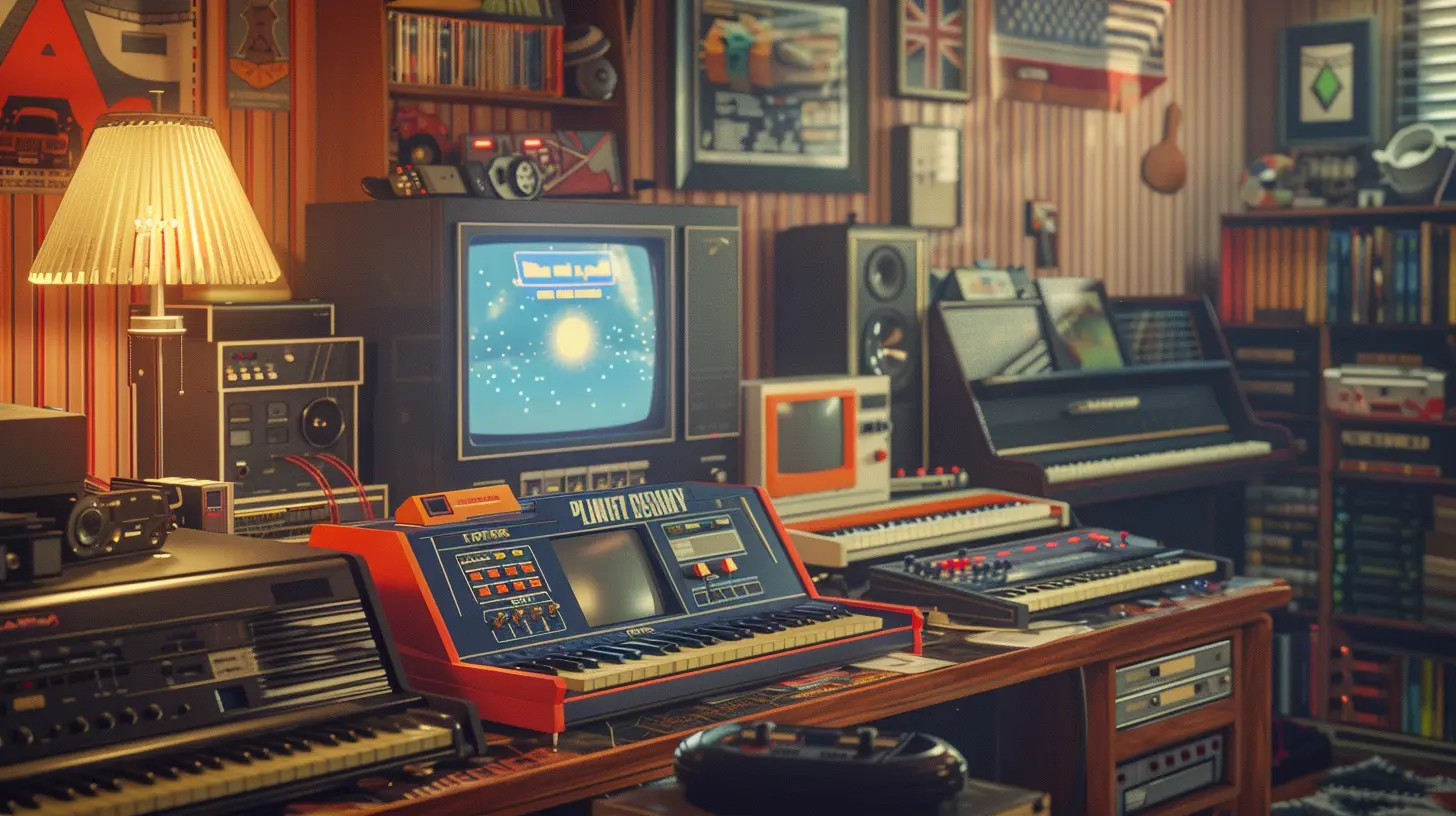
The Soundtrack of Our Childhoods
Chances are, if you grew up in the ’80s or ’90s, video games were a huge part of your life. Back then, things were simpler. You didn’t need high-end graphics or massive 3D worlds to have fun. You just needed a controller, a bit of imagination, and a killer soundtrack.Games like The Legend of Zelda, Mega Man, and Sonic the Hedgehog are packed with iconic tunes. And because we played these games over and over, those melodies got permanently etched into our brains. These weren’t just songs—they were the background music to our formative years.
Whenever we hear those tunes today, all those childhood memories come rushing back. It’s comfort food for the ears.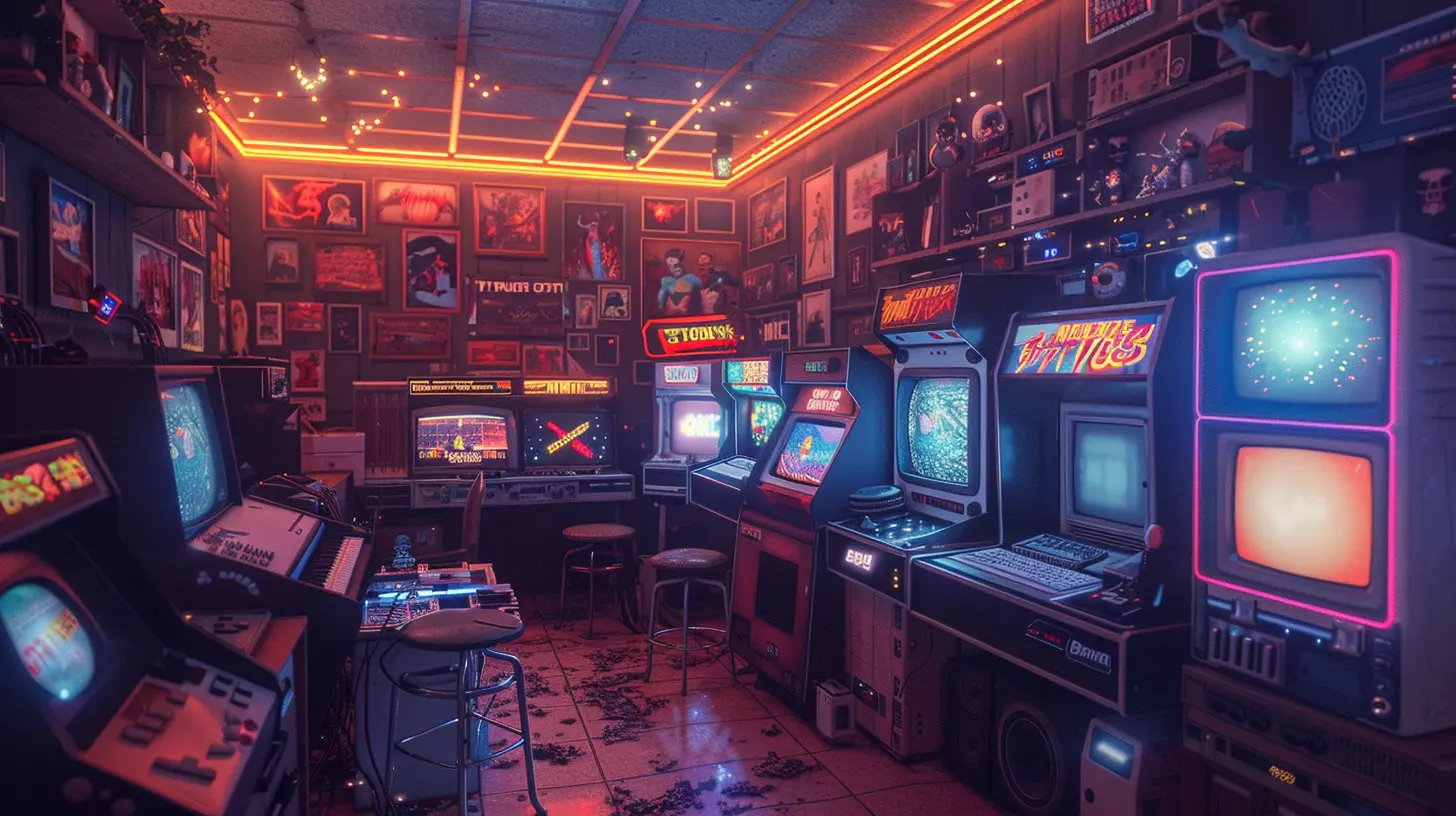
The Brain on Nostalgia: What’s Actually Happening?
Okay, let’s get just a little science-y here (don’t worry, it’s fun).Music and memory are deeply connected in the brain. When we listen to music, it activates areas related to emotion and memory, like the amygdala and hippocampus. When that music is linked to a specific time in our lives—say, when we were playing Pokémon Red after school—those brain areas light up like a Christmas tree.
In fact, nostalgia acts like a little brain rewinder. It helps us relive the emotions we felt during those earlier times. That’s why hearing the Tetris theme can hit you like a wave of childhood joy (or frustration, depending on how well you played).
Retro game music isn't just something we remember—it’s something we feel. It’s emotional time travel.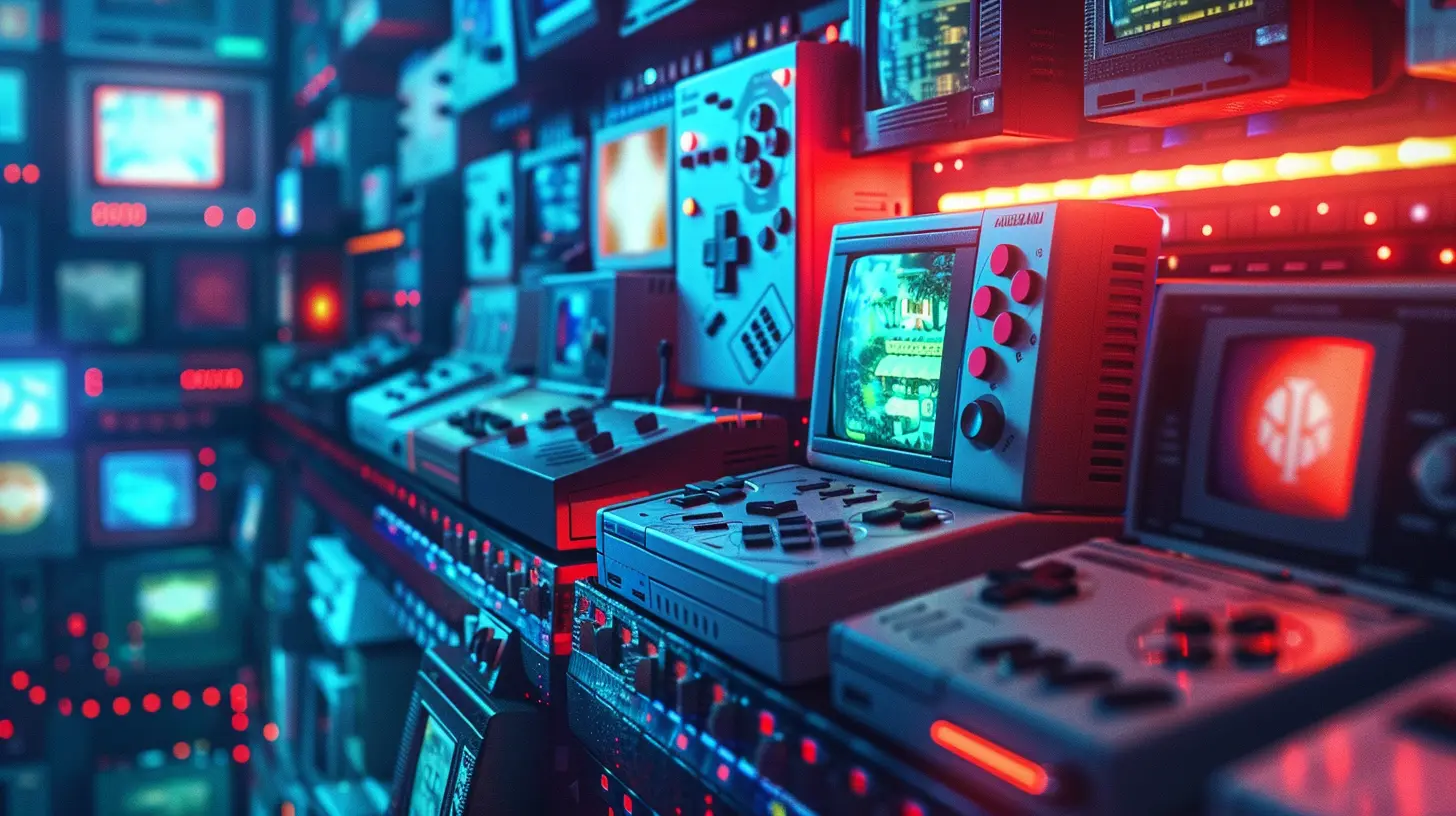
Limitations That Sparked Creativity
Here’s something cool: retro game music was born out of strict hardware limitations. Early consoles like the NES or Game Boy could only produce a few sounds at a time. Composers had to get really creative with what little they had.But guess what? Those limitations are exactly what made the music memorable.
Think about it. When you only have three or four sound channels, every note counts. Composers had to rely on catchy loops, strong melodies, and rhythmic patterns that stuck in your head like glue. It’s kind of like how poetry gets more creative with strict rules—retro game music thrived inside its own technical boundaries.
So while modern games can have orchestras and epic cinematic scores, there’s still something uniquely powerful about the simplicity and raw charm of those 8-bit and 16-bit tunes.
Emotional Anchors in Pixel Worlds
Think back to the moment you first beat Bowser or discovered a secret area in Metroid. That adrenaline rush? That sense of accomplishment? The music playing during those moments acted like an emotional anchor.Over time, our brains associate those melodies with our personal victories, surprises, and struggles in the game. So when we hear the same tune years later, it’s like all those feelings come flying back at once.
Music in retro games wasn’t just background noise—it was part of the game’s soul.
Simplicity That Stuck
There’s a reason the Mario theme is recognizable to pretty much everyone, gamer or not. It’s simple, catchy, and joyful. And that’s not by accident.Retro game composers had to write music that looped endlessly but never got annoying. That’s a tough ask! But in doing so, they stumbled upon something special—musical hooks that were short, sweet, and impossible to forget.
These weren’t just jingles. These were earworms with heart.
The Role of Repetition: Familiarity Breeds Fondness
Let’s face it—older games were hard. You probably played the first few levels of Contra or Castlevania like a hundred times. And with that came tons of exposure to the same music over and over again.You’d think that hearing the same track repeatedly would drive us mad. But something else happened: we bonded with those tunes. Through repetition and challenge, we developed familiarity and fondness.
It's like hearing your favorite song on a loop—it doesn’t get old if it means something to you.
Shared Cultural Memory Among Gamers
Retro game music isn’t just personal—it’s communal.Go to any gaming expo or retro convention and you’ll hear the same thing: someone humming the Green Hill Zone theme or breaking into the Chrono Trigger intro. These melodies are part of our collective gamer identity.
They instantly connect us with others who grew up during the same era. It’s like having a secret handshake that only fellow gamers understand. One note from Castlevania, and suddenly you’re best friends with the person next to you.
That shared nostalgia? It’s powerful stuff.
Retro Game Music’s Comeback: Remixes, Covers, and Lo-Fi Vibes
Have you noticed how retro game music has made a huge comeback?You’ll find remixes all over YouTube and Spotify. There are lo-fi versions of Zelda tracks, heavy metal covers of Mega Man level songs, orchestral renditions of Final Fantasy VI, and even jazz takes on Kirby themes.
Why? Because that music still resonates. Artists want to reinterpret and honor the melodies that shaped their childhoods. It’s a way of keeping the magic alive—modernizing the nostalgia, so to speak.
And it shows just how timeless those tunes really are.
Indie Games Keeping the Vibe Alive
What’s even cooler? Some modern indie games are purposely channeling that retro sound. Titles like Shovel Knight, Undertale, and Celeste borrow heavily from 8-bit and 16-bit eras—both in gameplay and music.These games may be new, but their music is built to tap into that nostalgic vibe. The composers know exactly which buttons to push—pun intended.
The result? A perfect blend of past and present that feels both fresh and familiar.
It’s Not Just Music—It’s a Feeling
At the end of the day, retro game music is more than just old-school soundtracks. It’s about emotion. It’s about memory. It’s about reliving the moments that shaped who we are today—those Saturday mornings, those epic wins, those controller-throwing losses.It’s like hearing a song from your high school days—it brings you back. Not just to a place, but to a feeling.
And that feeling? That’s what makes retro game music so incredibly powerful.
Final Thoughts
So yeah, nostalgia is a major force behind the emotional punch of retro game music. But it’s also about creativity, emotional timing, communal memory, and the sheer staying power of a good melody.These tunes are more than background noise. They’re the heartbeats of our gaming past.
Next time you fire up an old console or hear a remix of your favorite childhood game theme, close your eyes. Let it take you back. Feel that magic again.
Because in those beeps and boops lies a treasure trove of memories worth holding onto.
all images in this post were generated using AI tools
Category:
Game SoundtracksAuthor:

Audrey McGhee
Discussion
rate this article
1 comments
Amira Cain
Ah, retro game music... it's like an old friend who knows all your secrets and still makes you smile. One note, and I'm transported back to pixelated adventures and snack-fueled all-nighters. Can I get a soundtrack for life?
June 17, 2026 at 3:27 AM
Audrey McGhee
Absolutely! Retro game music taps into those cherished memories, turning every note into a time machine that brings back all the joy of our gaming days. A true soundtrack for life!