When Pay to Win Becomes Pay to Play
17 August 2026
Let’s talk about something that’s been gnawing at the hearts of gamers all over the world: the dark evolution of “Pay to Win” into “Pay to Play.” Yikes! If you’ve been around the gaming scene long enough, you’ve probably noticed how microtransactions and monetization strategies have changed the playing field — literally.
But here’s the kicker: this isn’t just about optional spending anymore. It’s a growing shift where throwing money at a game isn't just a choice — it’s practically a requirement just to stay in the game.
Grab your favorite energy drink, and let’s dive deep into this weird, wallet-thirsty gaming phenomenon that’s changing everything we love (and hate) about modern gaming.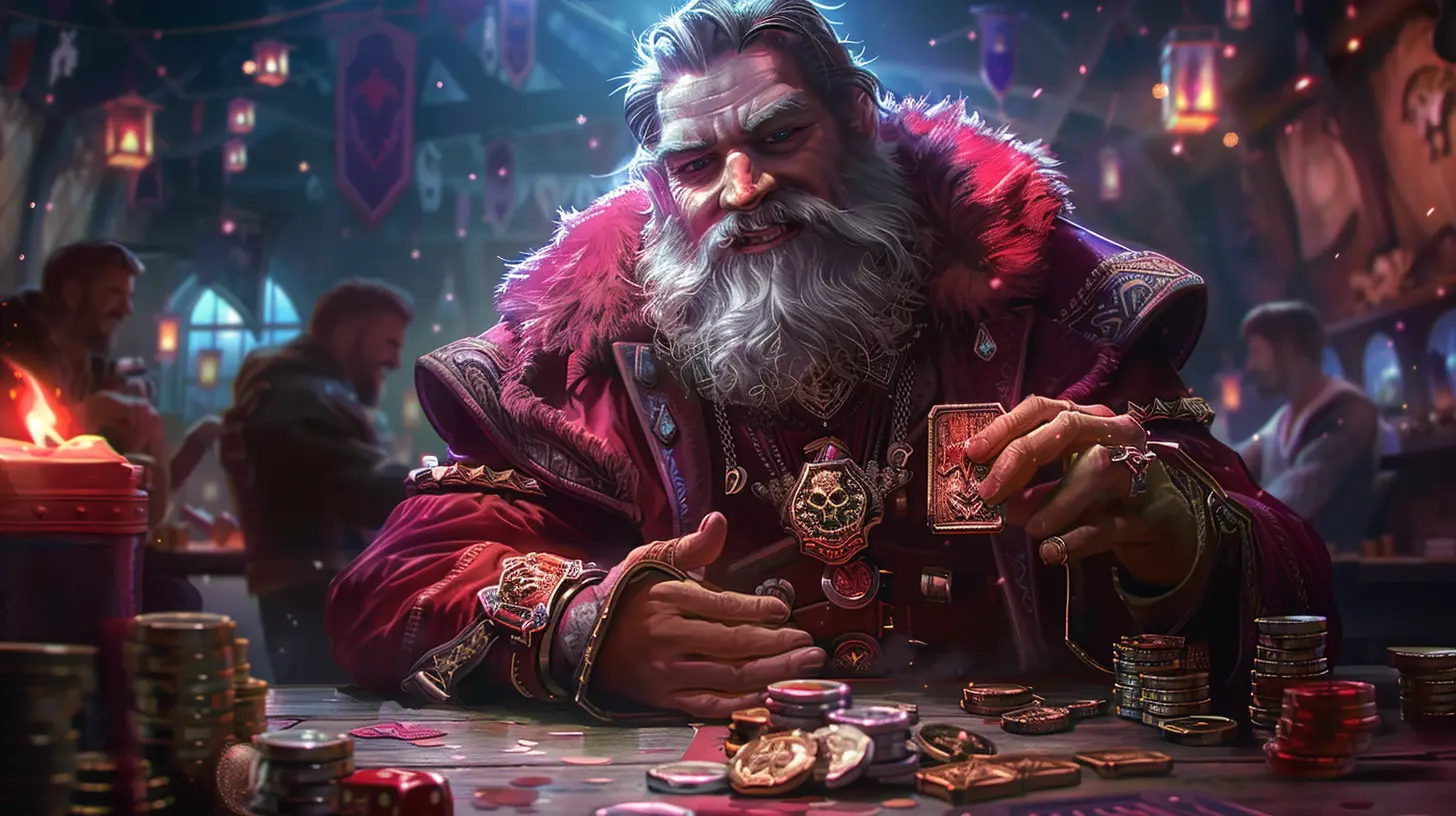
The Good Old Days: Skill Over Swipe
Remember when games used to reward skill, strategy, and persistence? Winning wasn’t about how deep your pockets were; it was about how well you could dodge in “Dark Souls,” aim in “Counter-Strike,” or outsmart an opponent in “StarCraft.” Those were the glory days — tough but fair.Back then, the only currency that mattered was _time_. You paid once for the game and then booted it up anytime you wanted. Simple. You earned what you achieved. You measured progress in hours and effort, not in shiny paid loot crates or exclusive gear packs.
But the gaming landscape? Oh, it’s changed. A lot.
Pay to Win: The First Red Flag ?
The term “Pay to Win” (P2W) started popping up more often as mobile and free-to-play games exploded. At this point, the games were still technically “free,” but they offered tempting advantages to those who splashed some cash.Think:
- Powerful weapons that aren't available through grinding
- Boosters that heavily increase performance
- Characters or units with better stats
- Reduced cooldowns or energy limits
The playing field? Totally tilted in favor of anyone willing to pay. And gamers were understandably furious. Forums, Reddit threads, and YouTube rants lit up with complaints, calling for fairer systems and better balance.
Yet, the model thrived.
Why? Because many players _did_ pay. Enough to keep developers rolling in dollars, even if a huge chunk of the community tossed the game aside out of sheer frustration.
So What Is “Pay to Play”?
If Pay to Win was the warning sign, Pay to Play is the full-blown wildfire.Here’s the harsh truth: now it’s not just about an unfair advantage — it’s about access. Some games make it nearly impossible to _play_ at all unless you spend money. That’s when it stops being a game and starts feeling more like a subscription service or, worse, a toll booth.
Want to finish a campaign? Pay up.
Want more than 10 minutes of gameplay without energy restrictions? Swipe your card.
Want to unlock essential features? Time to open your wallet.
In this paywall-heavy environment, money doesn’t just grant a leg up… it opens the door. It’s not “optional enhancement” anymore — it’s “mandatory entry.”
The Psychology Behind the Paywall Trap
What makes this model work? It’s all about psychology, baby.Game developers tap into:
- FOMO (Fear of Missing Out): Limited-time offers and exclusive events pressure you to spend now or lose out forever.
- Instant Gratification: Why grind when you can _buy_ your way to the good stuff?
- Sunken Cost Fallacy: Already spent $20? May as well spend $5 more to “get your money’s worth,” right?
- Time Gating: Energy systems limit play time unless you pay. It’s like renting a car by the minute.
It’s sneaky, and it’s smart. But also... kinda gross?
Games are being engineered more like slot machines than skill-based adventures. That’s not just frustrating — it’s dangerous, especially for younger players who don’t understand the economics of digital spending.
The Most Infamous Offenders ?
Let’s call them out, shall we? Some names have become synonymous with aggressive monetization.1. FIFA Ultimate Team (EA Sports)
You'd think you could just play soccer. Nope! Want a good team without spending hundreds of hours grinding? Better be ready to drop real cash on packs with unpredictable drops.2. Diablo Immortal
This one _really_ stirred the pot. A pay-to-win microtransaction mess wrapped in a beloved franchise. Reports showed that maxing out your character could cost over $100,000. That’s not a typo.3. Mobile Gacha Games
Games like “Genshin Impact,” “Raid: Shadow Legends,” and countless others rely heavily on randomized loot draws. You could get lucky... or you could spiral down a rabbit hole of impulse buying that leaves your digital wallet crying.When “Free to Play” Becomes “Free to Wait”
Another frustrating evolution? Energy systems and time gates. Here’s how it works:- You get a limited number of actions per session.
- Once the energy or stamina is gone, you either wait... or pay.
This isn’t just throttling your fun — it’s inflating your urge to pay. It’s like being handed a pizza and told you can only eat one slice every hour… unless you pay $2 to unlock the next bite. Come on!
The Effect on Gaming Culture
So what happens when games become financial battlegrounds?- New Players Get Discouraged: Why start a new game when everyone ahead of you paid their way to supremacy?
- E-sports Suffer: Competitive scenes lose integrity if deep pockets trump actual talent.
- Friendships Strain: Multiplayer games often pressure groups to all “keep up” by spending. If someone can’t afford to, they’re left behind.
- Content Gets Fragmented: Developers might hide entire story arcs, quests, or characters behind paid content. Players who don’t pay? They miss out on the “real” game.
Let’s be real — games are supposed to be fun, not financial stress simulators!
Are Developers To Blame?
Alright, we’ve dunked on developers a bit — and for good reason. But let’s zoom out.Game development is expensive. Like, millions-of-dollars expensive. Studios are hunting for sustainable monetization models because that upfront $60 purchase doesn’t stretch as far as it used to.
So they monetize more — and often, way too much.
There’s also pressure from publishers and shareholders who expect regular revenue months or even years after launch. So what happens? Games get chopped up, delayed, or filled with microtransactions to keep the money flowing.
It’s a business decision, but when profit outweighs player experience, the soul of gaming suffers.
Is There Hope?
Absolutely. The gaming community has more power than it thinks.1. Call Out Bad Practices
Gamers have pushed back before — and won. Remember when “Battlefront II” removed its pay-to-win system after massive backlash? You’ve got a voice. Use it.2. Support Ethical Developers
Games like “Hades,” “Elden Ring,” and “Celeste” offer complete, rewarding experiences without hand-in-your-pocket schemes. Show them some love (and your money).3. Vote With Your Wallet
If a game is cash-grabby, don’t feed it. Simple as that. Every dollar you spend tells developers what kind of game you want to see more of.4. Promote Transparency
We need clearer communication about what’s paywalled, what’s optional, and what you're actually buying. Surprise mechanics? Nah. Just say it: it’s a loot box.It’s Time to Reclaim the Game
At the end of the day, we, the players, define the future of gaming. We can demand better. We can rally around the games and developers doing it right. And we can keep speaking out when the fun is replaced by a price tag.Because games should be challenging, exciting, and immersive — not a never-ending checkout form.
So next time you’re tempted by a shiny “limited-time” offer, think about what you're really paying for. Is it worth it? Or is it yet another step away from the joy of pure, unfiltered gaming?
Let’s push back before “gameplay” becomes another word for “bill payment.
all images in this post were generated using AI tools
Category:
Pay To Win GamesAuthor:

Audrey McGhee