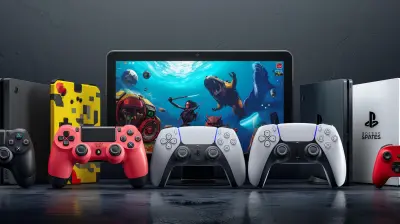
What Makes a Great Local Multiplayer Experience
26 July 2026
Remember those golden afternoons spent yelling at your best friend over a split-screen Mario Kart race or huddling around a single TV, elbows bumping, everyone trying to win at Super Smash Bros? That magic – that electric, laugh-out-loud, high-fiving madness – is the heart of a great local multiplayer experience.
In today’s world, where online gaming dominates, it’s easy to forget how powerful and joyful local multiplayer can be. But trust me – nothing beats the thrill of sharing the same space, reading your opponent’s expressions, and feeling the tension rise when you're fighting for that last point.
So, what exactly makes for a great local multiplayer experience? Let’s dig into it.
? The Human Element: Face-to-Face Fun
There’s something irreplaceable about being in the same room as your fellow players. Local multiplayer isn't just about who wins or loses. It's about the banter, the trash talk, the spontaneous laughter when things go sideways, and those unforgettable “remember that game night” stories.Why does this matter? Because gaming, at its core, is about connection – and that connection is stronger when we’re sitting shoulder to shoulder, sharing the same screen and snacks.
Games that lean into this human connection – like Overcooked, TowerFall Ascension, or even Jackbox Party Packs – create moments that online gaming just can’t replicate. You’re not just playing; you’re experiencing.
? Simple to Learn, Tough to Master
Ever tried explaining a complex game to a non-gamer cousin during game night? Yeah, not fun. That’s why one of the golden rules of local multiplayer is accessibility. The best games are the ones anyone can pick up and play within five minutes.But here’s the kicker – they also need to have depth. You don’t want people to get bored after two rounds. So, you need that sweet spot: easy enough for newcomers, but with enough layers for experienced players to dig into.
Think about Rocket League. It’s basically soccer with rocket-powered cars. Anyone can jump in and have a blast, but mastering aerial shots or perfect defense? That takes serious time and skill. That’s what keeps people coming back.
?️ Control Comfort & Minimal Setup
You know what kills the mood faster than a rage quit? Spending 30 minutes figuring out how to connect four controllers. A great local multiplayer game should have seamless setup and intuitive controls.Plug in and play. That’s the dream.
Also, comfort matters. If the game uses overly complex button combinations, or you need to strain your hands in weird ways, that’ll frustrate players quickly.
This is where couch co-op classics like Nintendo Switch Sports or Gang Beasts shine. They keep it simple – no convoluted mechanics, just pure, unfiltered fun. They're optimized for group play and they respect your time and fingers.
? Balanced Competition
Let’s be real – if one player keeps dominating the game every round, it’s not long before the vibe sours. Great local multiplayer games have some form of balance, allowing everyone a shot at glory.This doesn’t mean dumbing things down. It means things like:
- Catch-up mechanics (e.g., blue shells in Mario Kart)
- Randomized power-ups or items
- Stateless rounds that reset everyone to equal footing
- Dynamic AI or rule changes that keep the tension alive
- Modes that allow new players to contribute without dragging down the team
It’s much more fun when the outcome isn’t a forgone conclusion. Those nail-biter finishes and underdog victories? That’s gaming magic.
? Hilariously Chaotic Moments
Let’s talk about the chaos factor. Some of the most unforgettable local multiplayer moments come from absolute mayhem. Whether it's someone accidentally blowing up their team in Lovers in a Dangerous Spacetime or your friend taking you out with a stray banana peel in Mario Kart, chaos builds shared laughter.Controlled chaos is gold. The kind that leads to unexpected twists, second chances, or complete reversals of fortune. Games designed with unpredictable elements fuel fun, even if you're losing. They keep everyone engaged – nobody leaves disappointed.
? Strong Co-op Mechanics
Not everyone's in it for competition. Some players crave collaboration. Local multiplayer games that encourage, or even require, teamwork can turn a chill night into a legend.Games like It Takes Two, Moving Out, or Keep Talking and Nobody Explodes thrive on communication, cooperation, and hilarious screwups. They bring players together in a different way than versus games do – and often, they’re the ones that create the strongest bonds.
Here, the focus is on shared accomplishments – overcoming challenges together. These types of games tap into something deeper: mutual trust, adaptability, and a shared sense of progression. That’s rare – and powerful.
? Variety Keeps It Fresh
Let’s face it: even the best game gets stale if you’re only playing one mode or map. A great multiplayer title has lots of content to mix things up – different characters, game modes, levels, or mini-games.This variety keeps players on their toes and gives everyone a chance to find their favorite way to play. It also makes repeat sessions more fun because there's always something new to try.
Think Super Smash Bros. with its massive character roster and stages, or WarioWare with its unpredictable, rapid-fire microgames. You never know what's coming next, and that anticipation is half the fun.
??? Inclusive Design
Let’s talk accessibility again – but this time, from a broader lens. A great local multiplayer experience needs to welcome players of all ages, backgrounds, and skill levels.That means:
- Visuals that are clear and not overstimulating
- Subtitles and colorblind options
- Adjustable difficulty levels
- Gameplay that doesn’t demand lightning-fast reflexes all the time
You shouldn’t need to be a pro to enjoy the action. Games like Among Us or Pummel Party get this right – they’re bright, silly, and fun for literally anyone, whether you’re 8 or 80.
? Strategy vs. Reflex
Some players live for twitch reflexes. Others prefer outsmarting their friends. The best local multiplayer games offer both – fast-paced action for those who love adrenaline and strategic layers for those who love planning.This doesn’t mean the game needs chess-level complexity. But giving players tools to approach challenges differently adds replay value and keeps everyone engaged.
For example, Bomberman lets you go wild dropping bombs like crazy – or you can set traps, lure enemies, and use clever movement. That balance is chef’s kiss.
? Short Rounds, Big Rewards
Here’s the thing about local play: attention spans are shorter when friends are over, drinks are being poured, and snacks are within arm's reach. Games that offer quick, satisfying sessions fit perfectly into this environment.Short rounds mean it doesn’t feel like a big deal to lose – because the next game’s just around the corner. It also means more people get to play if you’re swapping controllers.
Best part? This makes for amazing party games. Look at Nidhogg, Duck Game, or SpeedRunners – each bout lasts just minutes, but they deliver maximum hype in minimum time.
?️ Communication: The Secret Sauce
Whether it’s screaming out “NOOOO!” as your buddy snatches victory from you or coordinating timing in a co-op puzzle, talking is half the fun in local multiplayer.That’s why the best games often demand communication – or mischievously mess with it. Games like Keep Talking and Nobody Explodes center the entire experience around vocal interaction. Even when communication breaks down, that's part of the hilarity.
So if you want to build friendship and rivalries, go for games that get people talking – laughing, yelling, cheering, or groaning. That’s where memories are made.
? Memorable Moments That Stick
Finally, what truly sets apart a great local multiplayer game? It leaves you with stories.It's not just about the gameplay. It's about those bizarre moments when someone wins by a complete fluke, or the unlikely team pulls off an epic comeback. It's about shared memories created in real-time, with real people.
You’ll remember the game – but more importantly, you’ll remember who you played with, what happened, and how it made you feel.
And that’s the true magic of local multiplayer.
Some All-Time Favorite Local Multiplayer Titles
Need some ideas for your next game night? Here's a list of tried-and-true local multiplayer games that consistently deliver the goods:- ? Tony Hawk’s Pro Skater 1+2 — Trick battles, nostalgia, and endless grinds.
- ? Overcooked! 2 — Equal parts chaos and coordination.
- ? Super Smash Bros. Ultimate — A playground of epic battles.
- ? Duck Game — Fast, frenzied fun with lots of quacking.
- ? Rocket League — Soccer, but with flying cars.
- ? Mario Party Series — Mini-games galore and pure randomness.
- ? Castle Crashers — Hilarious co-op brawler with colorful charm.
- ? Bomberman — Explosive strategy and laughs.
- ? Puyo Puyo Tetris — Puzzle perfection in multiplayer form.
Final Thoughts
Local multiplayer might not always have the bells and whistles of online gaming, but it’s got something even better – that real, unfiltered, totally human magic. It creates connection, joy, and stories you’ll tell over and over again.So, the next time you have friends over, skip the solo campaign. Fire up something you can all play together, on the same couch, sharing laughs and snacks. Because in the end, that’s what gaming is all about: having fun together.
Now grab that second controller and bring on the mayhem!
all images in this post were generated using AI tools
Category:
Local Multiplayer GamesAuthor:

Audrey McGhee