What Makes a Game Truly Pay to Win?
11 February 2026
Gaming has evolved like wildfire over the years. What used to be a simple exchange of skill and fun has now become a complex battleground where wallets sometimes speak louder than actual gameplay. We’ve all heard the term “Pay to Win.” It gets tossed around in forums, reviews, and heated arguments on Reddit threads like digital confetti. But what actually makes a game "Pay to Win"? Is it just about spending money? Or is there more lurking beneath the surface?
Let’s break it all down and figure out when a game tips the scale from fair competition into the murky depths of pay-to-win territory.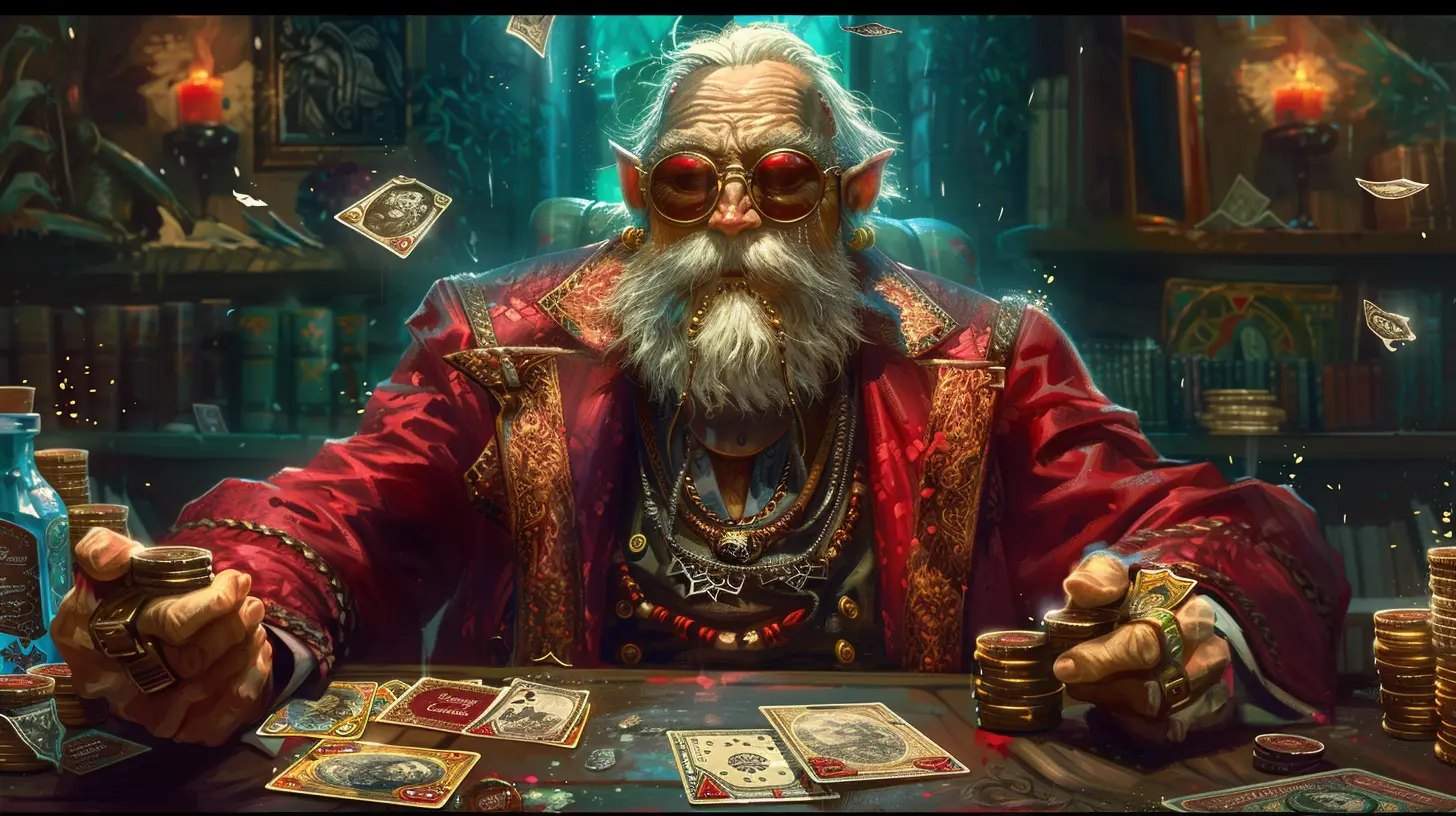
What Does “Pay to Win” Even Mean?
Let’s start simple. “Pay to Win” or “P2W” describes a game where players can gain significant competitive advantages over others by spending real money.Keyword here? Significant. We're not talking about a cool hat or a dazzling skin. We’re talking about game-changing gear, high-performance characters, or anything that nudges someone ahead just because they swiped a credit card.
But wait—how do we draw the line between convenience and unfair advantage?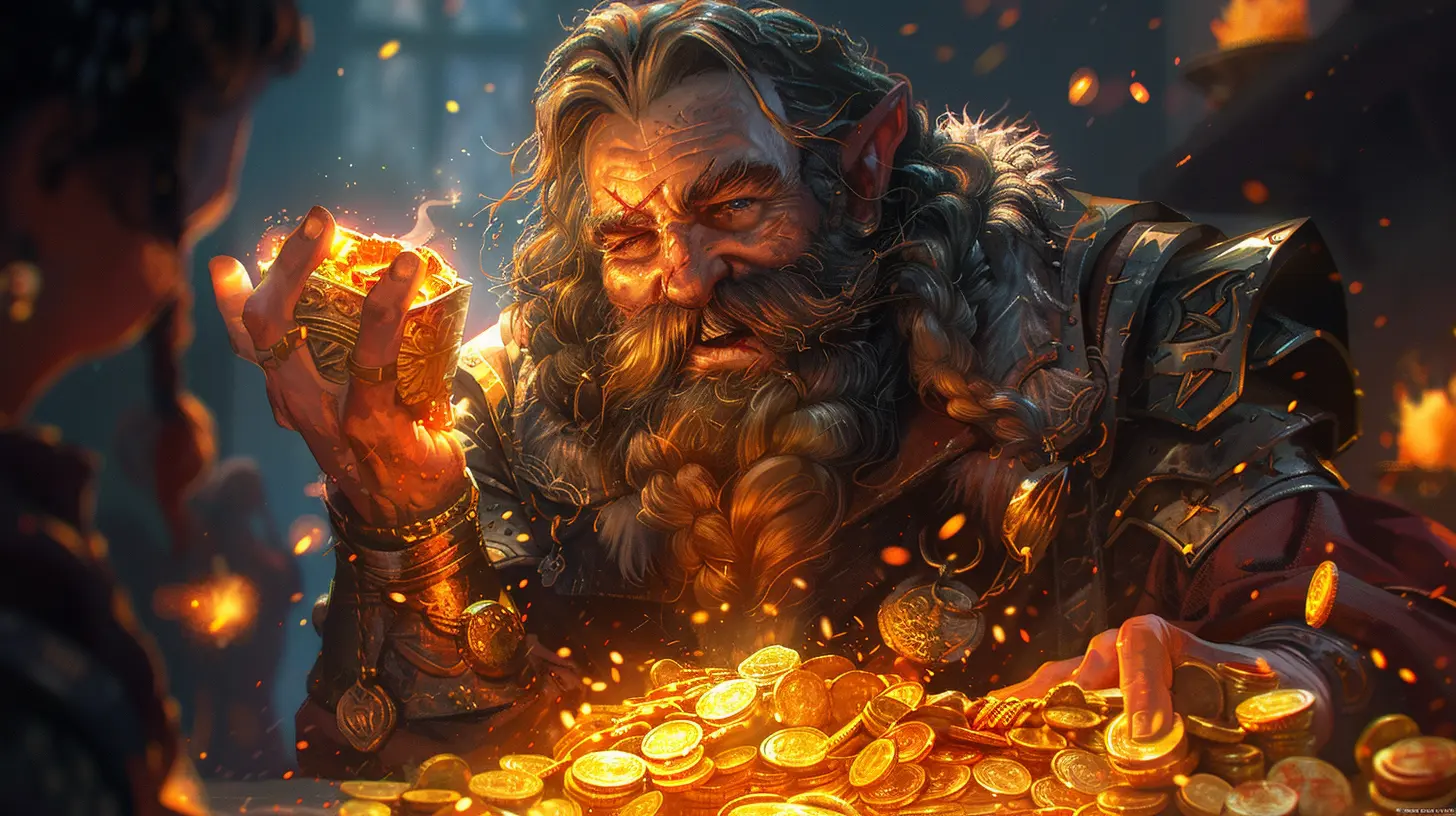
The Thin Line Between Pay for Fun and Pay to Win
Imagine two players. Both started at the same time. One grinds daily, battles it out, and slowly climbs the ranks. The other drops a hundred bucks and instantly unlocks top-tier weapons, faster leveling, rare characters—basically jumping the entire learning curve. Fair? Not really.Some games offer shortcuts that improve quality of life—inventory expansions, cosmetics, or faster XP gains. That’s more like “Pay for Convenience” or “Pay for Fun.” It doesn’t break the balance.
But the moment your money buys power, boosts stats, or grants exclusive high-end gear that others can’t realistically earn through normal play? Boom. P2W alarm blares.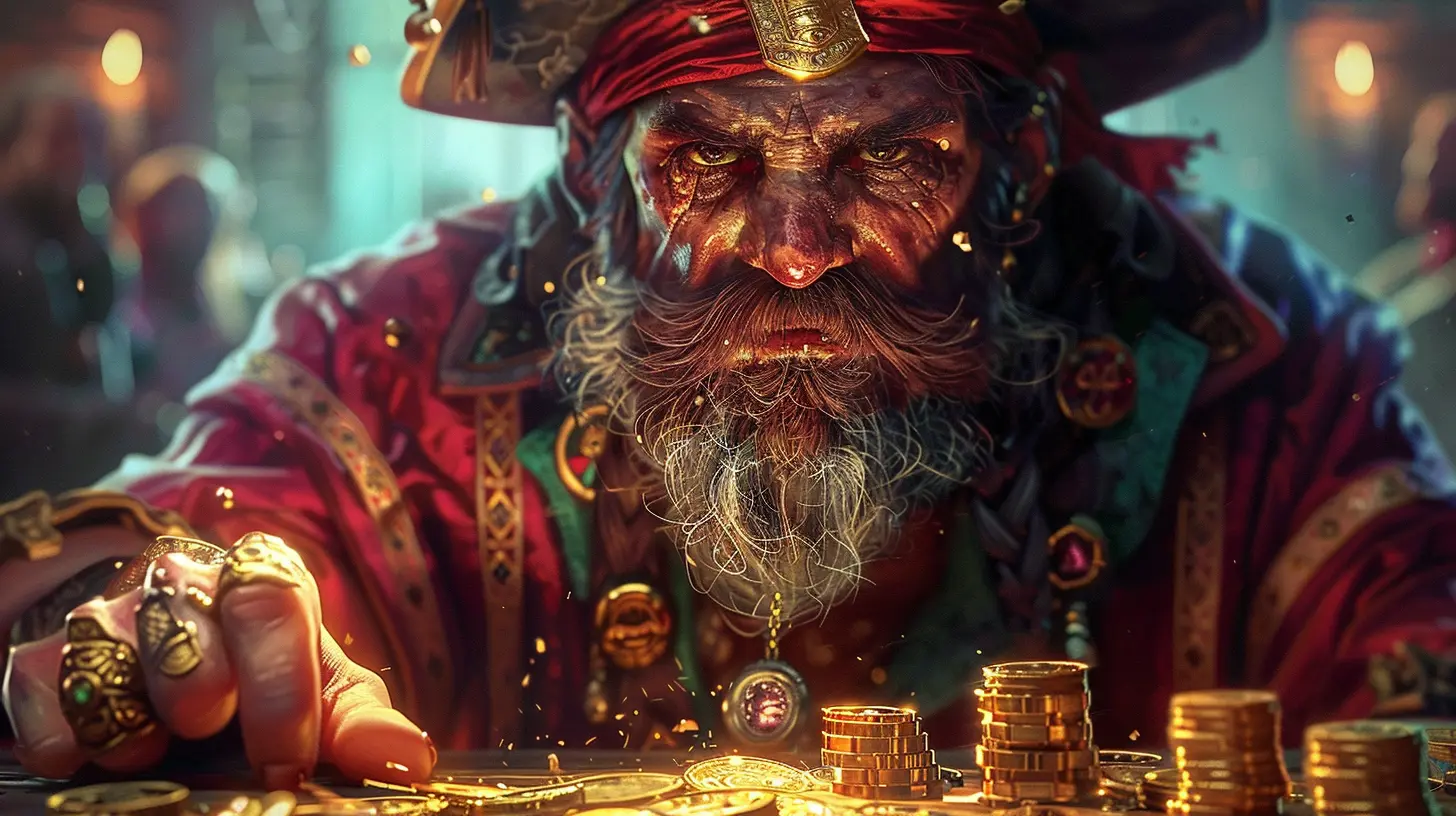
Key Signs That a Game Is Truly Pay to Win
Let’s dig into the juicy bits. Here are some telltale signs that scream "You better pull out that credit card if you want to compete."1. Power Locked Behind Paywalls
This is the big one. In true P2W games, the strongest characters, weapons, or upgrades are not only better—they’re usually ONLY available through paid loot boxes or premium currency.You can see it in action RPGs or mobile gacha games that dangle god-tier characters like a carrot on a stick. Can free players get them? Technically, yes. Realistically? Unlikely, unless they grind endlessly or get insanely lucky.
2. No Skill-Based Matchmaking
Here’s where it gets nasty: a high-paying player can smash through lower-level players without mercy. Fair competition goes out the window.If a game lacks skill-based matchmaking or tiers where players of similar performance face each other, paid advantages turn into bulldozers on the battlefield.
3. Gear Upgrades That Only Get Better With Cash
Some games allow players to upgrade items using in-game currency OR premium materials—guess which one works faster and better?Cash-only enhancements create a gap that effort alone can’t bridge. You can farm all day, but someone who paid will still outdamage, outlast, and outshine you.
4. Time-Gated Progress Without Payment Options
In P2W games, time is often used as a barrier. Need to upgrade your HQ? Wait 72 hours—or pay to finish instantly.When you multiply these restrictions, progression becomes a crawl for free players and a breeze for paying ones. That’s not just convenience—that’s buying dominance.
5. Paywalls in PvP
This one hurts the most. PvE (Player vs Environment) can absorb some pay-to-win elements because you're only competing against the game. But in PvP (Player vs Player), it's a death sentence.If a player with premium gear enters a PvP arena and smokes every other player not because they’re better, but because they’ve paid more—it’s a certified P2W stamp.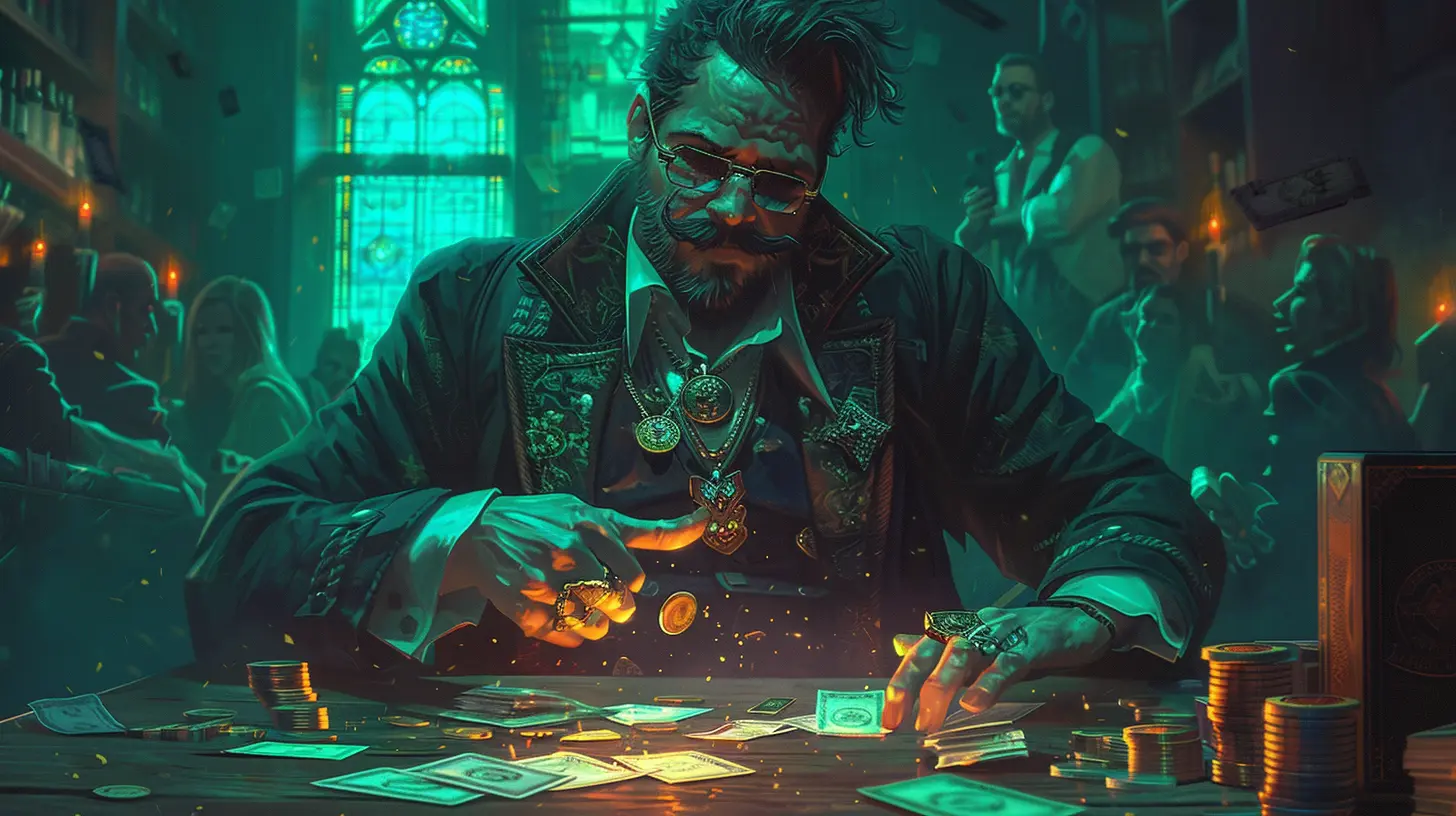
How Pay-to-Win Hurts the Gaming Community
Alright, time for some real talk. Pay-to-win doesn't just make things unfair—it damages the soul of gaming.• It Kills Fair Competition
In a perfect world, games reward skill, strategy, and time invested. But when money tilts the compass, victory feels hollow. You didn’t earn it—you bought it.• It Frustrates and Alienates Players
Imagine fighting tooth and nail to win, only to get one-shot by someone who logged in for the first time and whipped out their credit card. That kind of demoralization pushes people away fast.Free players feel like second-class citizens, and gradually, even the paying players lose interest because... where’s the challenge?
• It Destroys Game Longevity
In the short term, developers might rake in cash. Long term? The player base fractures. Good players leave. New players don’t stick around. The game becomes a ghost town with a few whales (high-spending players) floating around like big fish in a tiny pond.Why Developers Still Go the P2W Route
You might be wondering—why would developers want to create games like this?Simple: Money.
Creating games isn’t cheap. Especially mobile and online multiplayer games. A pay-to-win model can be incredibly profitable in the short term. A small percentage of players (the aforementioned whales) cover the costs for thousands of free players.
But it’s a risky game. Developers walk a tightrope between making money and staying ethical.
Not All Microtransactions Are Evil
Let’s not throw the baby out with the bathwater. Spending money in games isn’t always bad. There’s a big difference between monetization done right and pay-to-win mechanics.You can support developers by buying:
- Skins
- Battle passes
- Expansions
- Cosmetics
- Optional time savers
These purchases don’t unbalance the game or ruin the experience for others. They just add flair, convenience, or more content.
Famous Examples of Pay-to-Win Games
Let’s call out a few names that have danced the P2W dance (and sometimes stumbled hard).1. Clash of Clans
An iconic mobile hit with a classic P2W setup: upgrade your base faster, build stronger armies, and raid others more effectively—all by spending money.2. Star Wars Battlefront II (Launch Version)
The poster child of P2W backlash. At launch, it locked iconic characters like Darth Vader behind absurd amounts of grinding—unless you paid real money. The outrage was so fiery that the devs had to backpedal and make major changes.3. Raid: Shadow Legends
Flashy? Yes. All over your YouTube ads? Definitely. But at its core—it’s a gacha-style game where the top-tier champions are heavily skewed toward payers.Can a Game Be Competitive Without Being Pay to Win?
Absolutely.Great games offer monetization without breaking balance. They reward skill, not spending. Look at titles like:
- Apex Legends
- Fortnite
- League of Legends (mostly)
- Dota 2
These games make money, but they’re built on fairness. Everything you need to win is available through gameplay. Spend if you want to look cooler, not hit harder.
How to Enjoy Games Without Falling Into the P2W Trap
Here's a pro tip—just because a game allows spending doesn’t mean you need to. Follow these strategies:✅ Research Before Committing
Check reviews, forums, and gameplay mechanics. If everyone’s screaming about P2W mechanics—maybe sit that one out.✅ Set a Budget
If you decide to spend money, set a hard cap. Treat it like a coffee budget: optional, enjoyable, but not essential.✅ Focus on Fun, Not Winning
Gaming is meant to be fun. If a game’s pushing you toward constant spending just to keep up, ask yourself—is this REALLY enjoyable? Or is it digital peer pressure?✅ Support Ethical Developers
When you find a fair game, support it. Buy a skin. Grab a battle pass. Show the devs that skill-based, balanced, non-P2W games can thrive.The Bottom Line: Is P2W Always the Enemy?
Not really. It depends on how it’s implemented.A game becomes truly pay-to-win when spending money gives players a clear, often exclusive advantage in competitive settings. It destroys fairness, frustrates fans, and hurts the community in the long run.
But if spending stays cosmetic or convenience-based? That’s just smart monetization.
So next time you're diving into a new game, ask yourself: “Is this challenge about my skills, or just how deep my pockets are?”
Because at the end of the day, games should be about fun, not finances.
Let’s Wrap This Up
The gaming world is vast, diverse, and constantly evolving. Pay-to-win mechanics may never fully disappear, but we, the players, have a voice—and a choice.Support games that value fairness.
Play titles that respect your time.
And always remember why we started gaming in the first place—because it’s fun, exciting, and brings people together.
Whether you’re farming dungeons, building empires, or battling it out in real-time arenas, never let a price tag dictate your worth in a game. Your skills, passion, and persistence matter far more than your wallet ever could.
Game on.
all images in this post were generated using AI tools
Category:
Pay To Win GamesAuthor:

Audrey McGhee
Discussion
rate this article
3 comments
Daria Thomas
This article raises important questions about the balance between monetization and fair play. It’s crucial for developers to consider player experience to foster a gaming environment that values skill over spending. Thank you for the insightful discussion!
April 11, 2026 at 2:58 AM
Audrey McGhee
Thanks for your thoughtful comment! Balancing monetization with fair play is indeed vital for a positive gaming experience. Your perspective on valuing skill is spot on.
Kristen Wilson
Pay-to-win mechanics undermine fair competition, skew gameplay balance, and alienate dedicated players, ultimately harming a game’s long-term success.
February 14, 2026 at 3:41 AM
Audrey McGhee
I completely agree. Pay-to-win mechanics can create an uneven playing field, discouraging commitment and passion among players, which is detrimental to a game's longevity and community.
Christa Rogers
Skill should always triumph over financial advantage.
February 11, 2026 at 4:03 PM
Audrey McGhee
I agree! While financial advantages can influence outcomes, skill ultimately determines a player's success and enjoyment in the game.