What It Takes to Become a Professional Tournament Player
1 March 2026
Let’s be honest for a second—if you're into games, you've probably daydreamed about going pro at some point, right? Maybe you imagined yourself standing on stage at a massive esports event, headset on, lights blazing, thousands of people cheering your name. Sounds pretty epic, doesn't it?
But here's the deal—getting to that level isn't just about being “good” at a game. It’s about being great. Like, consistently dominating, grinding endlessly, and treating your craft like a full-time job kind of great.
So, if you're serious about wanting to become a professional tournament player, buckle up. We’re about to dive deep into what it really takes to turn that dream into a reality.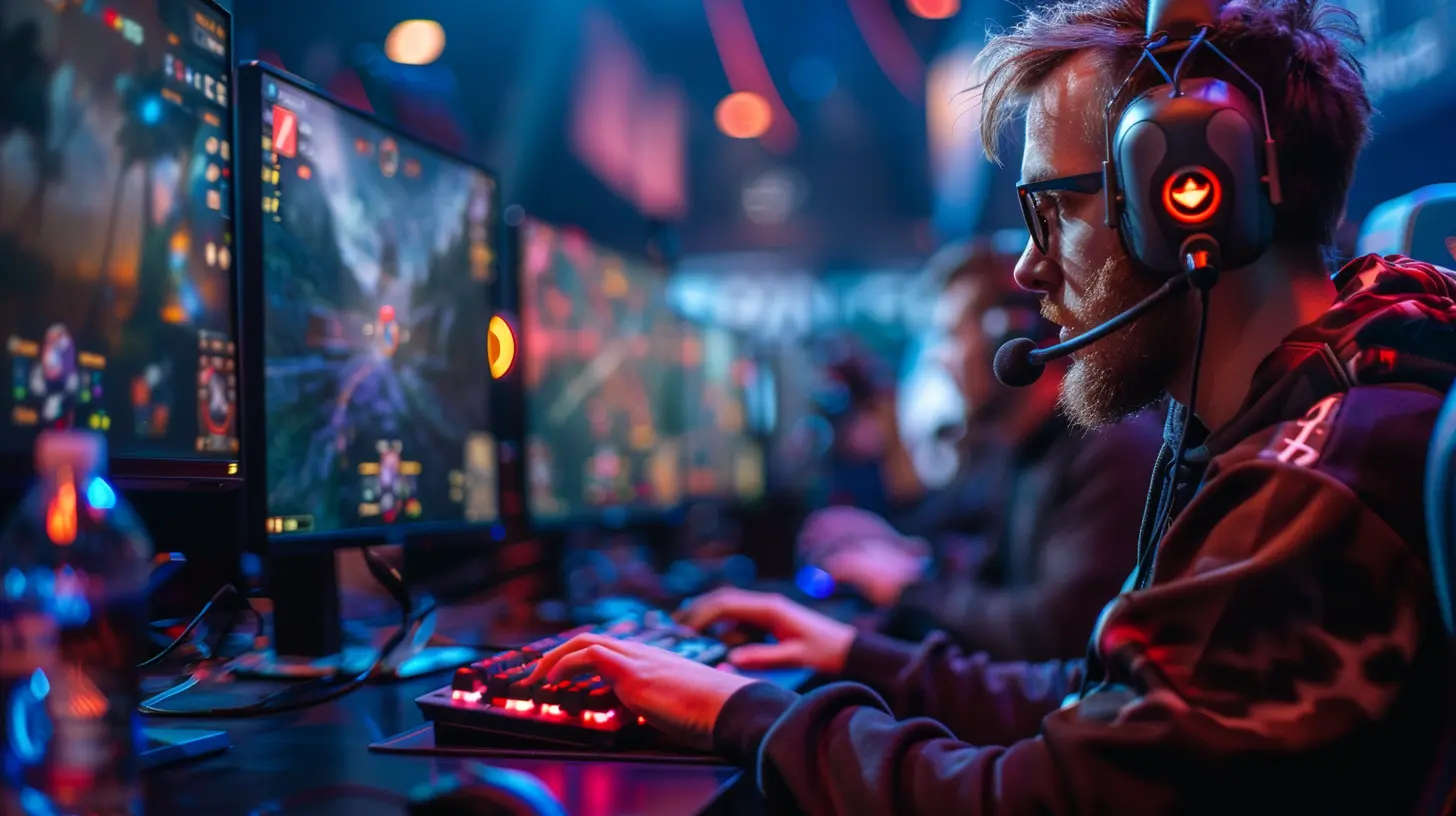
🎮 What Does “Professional Tournament Player” Actually Mean?
A professional tournament player isn’t just someone who wins a game now and then. It's someone who competes in official competitions, gets paid (sometimes handsomely), and lives and breathes their chosen game.These players often travel the world, train daily, work with teams, coaches, analysts—you name it. Competition is their 9-to-5. They might be involved in esports, card games like Magic: The Gathering, or even strategy games like chess. Whatever the game is, the vibe is always the same: intense, competitive, and extremely demanding.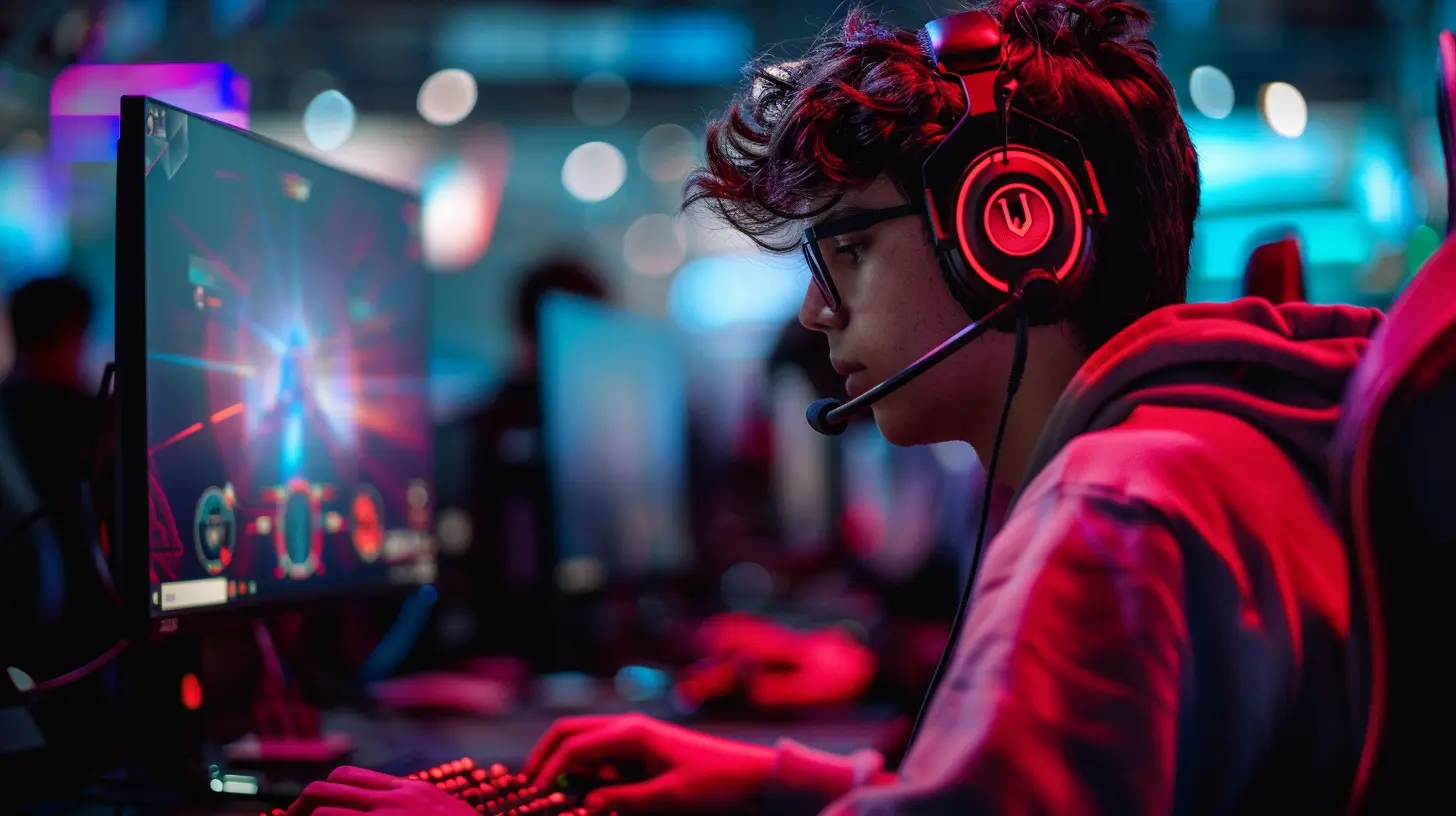
🧠 Mindset: The Mental Game is Everything
Let’s get this straight—you can have killer reflexes and god-tier aim, but if your mental game is weak, you’re going to crash and burn. Being a pro player is more of a mental grind than most people realize.🔥 Resilience and Grit
You're going to lose. A lot. There will be slumps, bad games, trash talkers, and worse—self-doubt. The pros? They push through. They treat every loss as a learning opportunity and bounce back stronger.🧘 Focus and Discipline
You’ll need laser-sharp focus for extended periods. And discipline? That means turning down a night out because you’ve got scrims or review sessions. The best players treat practice like sacred ground.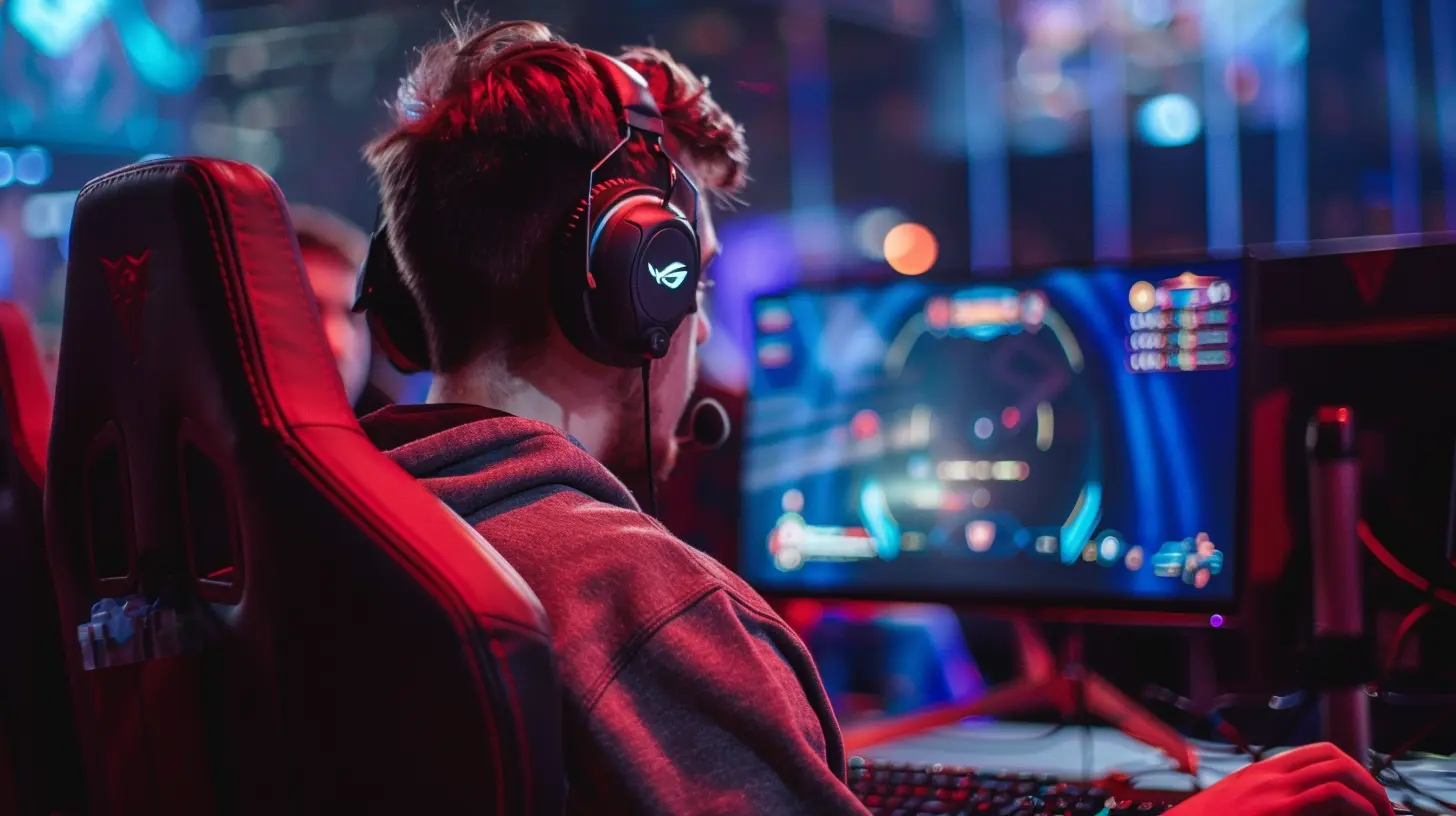
🕹️ Skill: Raw Talent + Ridiculous Hours of Practice
You don’t get to the top by accident. Becoming a top-tier tournament player takes thousands—yes, thousands—of hours.🎯 Mastery of Mechanics
No matter the game, you need to master the mechanics. That includes things like:- Aim and reaction speed (in shooters)
- Map awareness and rotations (in MOBAs)
- Card synergy and deckbuilding (in card games)
- Actions per minute (in strategy games)
It’s not just playing. It’s playing with purpose. Every session should be focused on leveling up a specific skill.
📊 Studying the Meta
Games evolve constantly. What’s overpowered today could be useless tomorrow. Pro players are always ahead of the curve. They know the patch notes better than some devs.You’ve got to:
- Watch top-tier gameplay
- Analyze strategies
- Learn counterplays
- Adapt—fast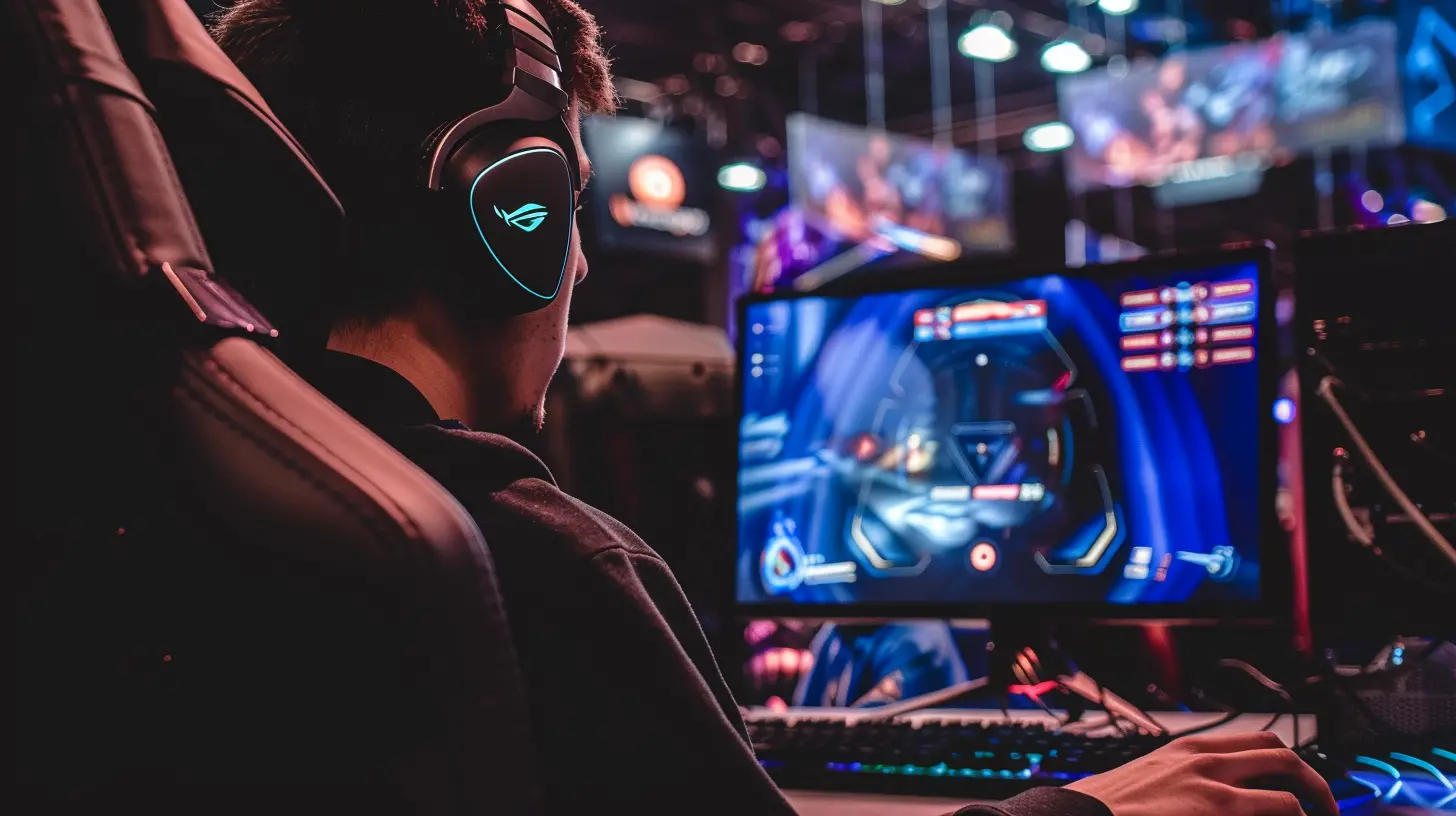
🧑🤝🧑 Team Dynamics: It’s Not Always a Solo Show
Even if you’re a top-of-the-leaderboard solo player, many tournaments revolve around team-based formats. That’s a whole new ballgame.🗣️ Communication is Key
Callouts, strategies, rotations—being on the same page as your teammates is crucial. It’s not enough to just be good individually; you need synergy.🤝 Trust and Cohesion
You’ll spend a LOT of time with your team. You’ll win together, lose together, and get frustrated together. Strong team chemistry can be the difference between 1st place and an early exit.🏋️ Routine: Treat It Like a Career (Because It Is)
You can’t just wing it. Pro players live by structured routines.📅 Daily Schedule of a Pro Player
- Warm-up drills (30–60 minutes)- Review past games (analyze strengths and mistakes)
- Scrims with the team
- Solo ranked play for refinement
- Strategy meetings and VOD reviews
- Mental and physical breaks (yes, even breaks are part of the grind)
💪 Physical Health and Fitness
Surprised? Even though gaming is mental-heavy, physical well-being matters. Long sessions wreck your posture, sleep, and energy levels.Good posture, regular workouts, and a balanced diet can actually improve reaction times and reduce fatigue.
🧑🏫 Coaching: Learn From Those Who Know
Top-level players don’t go it alone—they have coaches. Think of it like having a personal trainer, but for games.📈 Coaches Help You Improve Faster
They:- Spot patterns in your gameplay
- Help sharpen decision-making
- Break down your weaknesses
- Push your mental toughness
A coach can take months off your learning curve. If you can’t afford one yet, find a mentor or join coaching communities.
🧳 The Grind: Tournaments, Travel, and Staying in the Spotlight
So, you’ve hit the skill level, you’re on a team, and you’re raring to go. What next?🌟 Start with Local Tournaments
Every pro had to start somewhere. Whether it’s online weeklies, school tournaments, or community LANs—get in there. You need to:- Build confidence under pressure
- Get used to tournament settings and formats
- Network with other players and teams
🧭 Travel and LAN Events
When you start climbing the ladder, you’ll need to travel to LANs (Local Area Network events). These are major milestones because:- You play in-person—no lag, no disconnects
- You get exposure to bigger teams and sponsors
- It teaches you true competition pressure
🧠 Staying Relevant
Pro gaming isn’t all sunshine and prize pools. You have to keep proving yourself every season. Fall behind, and the next rising star takes your place.Keep grinding, keep adapting, and never get too comfortable.
💰 Money Talk: Earnings, Sponsors, and the Real World
Being a professional tournament player can be lucrative—at the top. But it’s not all dollar bills and Ferraris.💵 Tournament Winnings
Most players earn through:- Event prize pools
- Team salaries
- Streaming and content creation
- Brand sponsorships
That said, only the top few percent rake in serious cash. Early on, you might be paying for your own gear, travel, and entry fees.
🎤 Sponsorships and Content
Having a personal brand helps. Stream your gameplay. Grow a following. Be active on social media. Sponsors love players with exposure and personality.Think of it this way—you're not just a player. You're also the product.
🧠 Reality Check: Not Everyone Makes It—and That’s Okay
Here’s the hard truth: not everyone who tries will make it as a professional tournament player. It’s an ultra-competitive, high-pressure scene. Burnout is real. Mental health struggles? Also real.But guess what?
Even if you don't make it to the main stage, the skills you build—discipline, communication, leadership, analytical thinking—are incredibly valuable in life. And if you love the game? There are a hundred other roles in the gaming industry where you’ll thrive: coaching, content creation, game analysis, casting, etc.
🛠️ Quick Checklist: Do You Have What It Takes?
Let’s break it down. Ask yourself:- Do I practice with intent every day?
- Am I willing to sacrifice time and comforts?
- Can I take criticism and learn from it?
- Do I keep improving no matter the setbacks?
- Am I consistently engaged with the scene?
If you answered "yes" to most (or all) of these, your path is clear—keep grinding, and your breakthrough might just be one tournament away.
Final Thoughts: Turning Passion Into Profession
Becoming a professional tournament player isn’t just about playing games—it’s about mastering them. It's a lifestyle, a full-time hustle, and often, a rollercoaster ride of wins, losses, and epic comebacks.But if you're passionate, determined, and ready to work harder than everyone else, there’s no reason you can’t make it. Whether you end up on the main stage or building something epic behind the scenes, the journey itself is worth every click, headshot, and clutch play.
So gear up, lock in, and get grinding. Your pro journey starts now.
all images in this post were generated using AI tools
Category:
Gaming TournamentsAuthor:

Audrey McGhee
Discussion
rate this article
3 comments
Soryn McElhinney
Great insights! Becoming a professional tournament player requires dedication, resilience, and passion. It's inspiring to see how commitment can transform dreams into reality. Keep gaming!
April 11, 2026 at 3:16 PM
Audrey McGhee
Thank you for your kind words! I appreciate your support and agree—dedication and passion are key to achieving our gaming dreams!
Zevonis Wolfe
Becoming a professional tournament player requires a blend of skill, discipline, and strategic thinking. Continuous practice, understanding the meta, mental resilience, and networking within the gaming community are crucial in navigating the competitive landscape and achieving sustained success.
March 4, 2026 at 3:41 PM
Audrey McGhee
Absolutely! Mastering the game involves not just talent, but also dedication, strategy, and community engagement. Continuous improvement and resilience are key to thriving in competitive play.
Joel McMaster
Becoming a professional tournament player is a challenging journey filled with dedication and resilience. Remember, every setback is a learning opportunity, and it's essential to prioritize your mental health and well-being as you pursue your passion. You’ve got this!
March 2, 2026 at 3:44 AM
Audrey McGhee
Thank you for your insightful comment! I completely agree—dedication, resilience, and mental well-being are crucial on this journey. Your support means a lot!