The Role of Soundtracks in Immersive World Building
6 August 2026
Imagine diving into a game. The screen lights up. The graphics are jaw-dropping. The gameplay is smooth. But something else hits you—something subtle, yet powerful. It’s the soundtrack.
You don’t even notice it at first. It creeps in, enhancing emotions, amplifying tension, and, before you know it, you’re completely immersed. That’s the magic of music in gaming.
In this blog post, we’re about to dive deep into the role of soundtracks in immersive world building. From setting the tone to crafting unforgettable moments, music in games is doing a lot more heavy lifting than you might think.
Let’s queue up that iconic playlist and explore what makes game soundtracks the unsung heroes of world-building.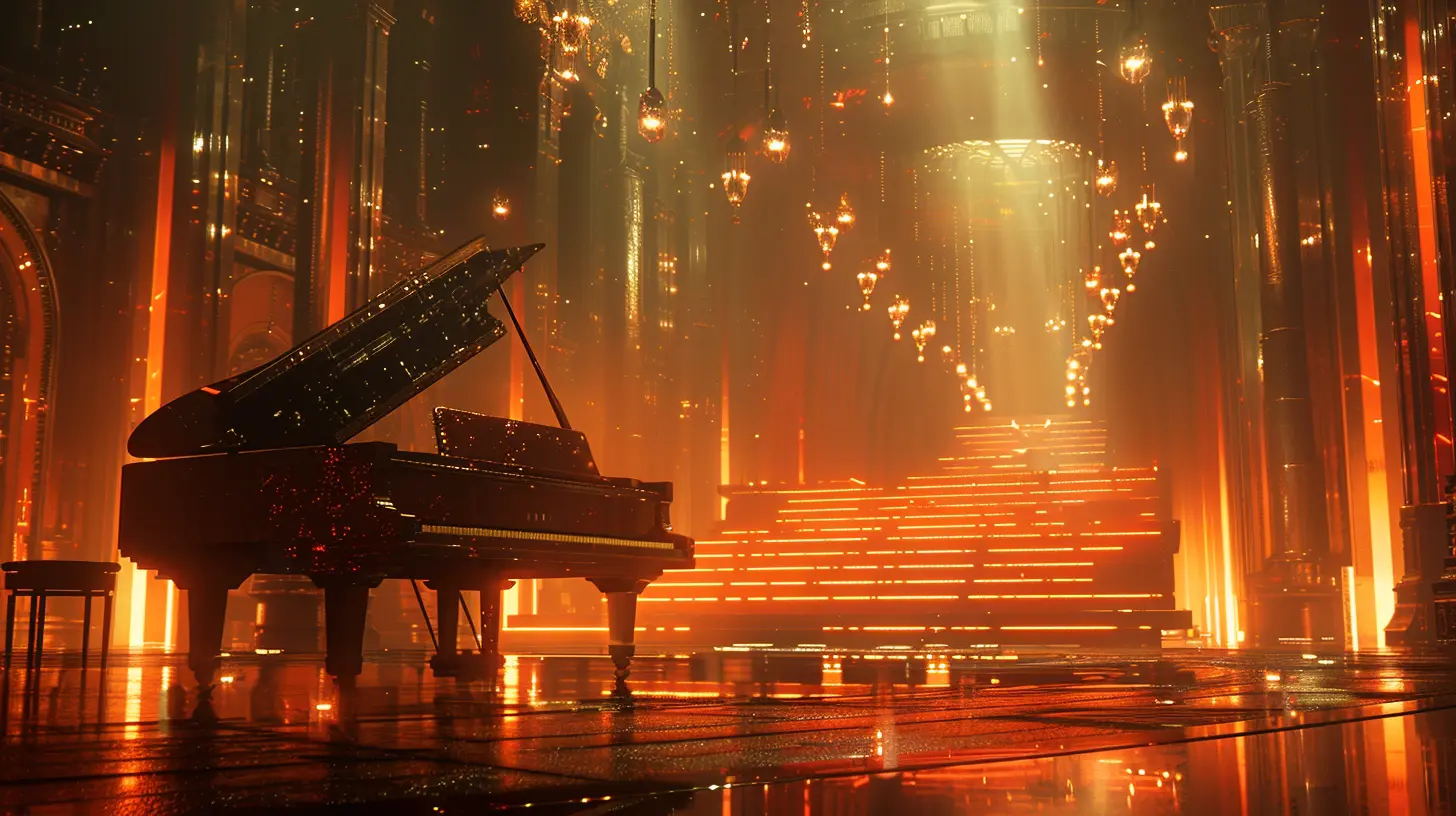
Why Soundtracks Matter More Than You Think
Ever wonder why some games stick with you for years?It’s not just the story or the visuals. It’s how you felt playing them.
And guess what drives those emotions?
Yup—music.
A good soundtrack doesn’t just accompany gameplay. It wraps around everything and glues the entire experience together. Music gives depth to a world that doesn’t physically exist. It fills the spaces between pixels and polygons with heart and emotion.
Without it, even the most breathtaking game world can feel... hollow.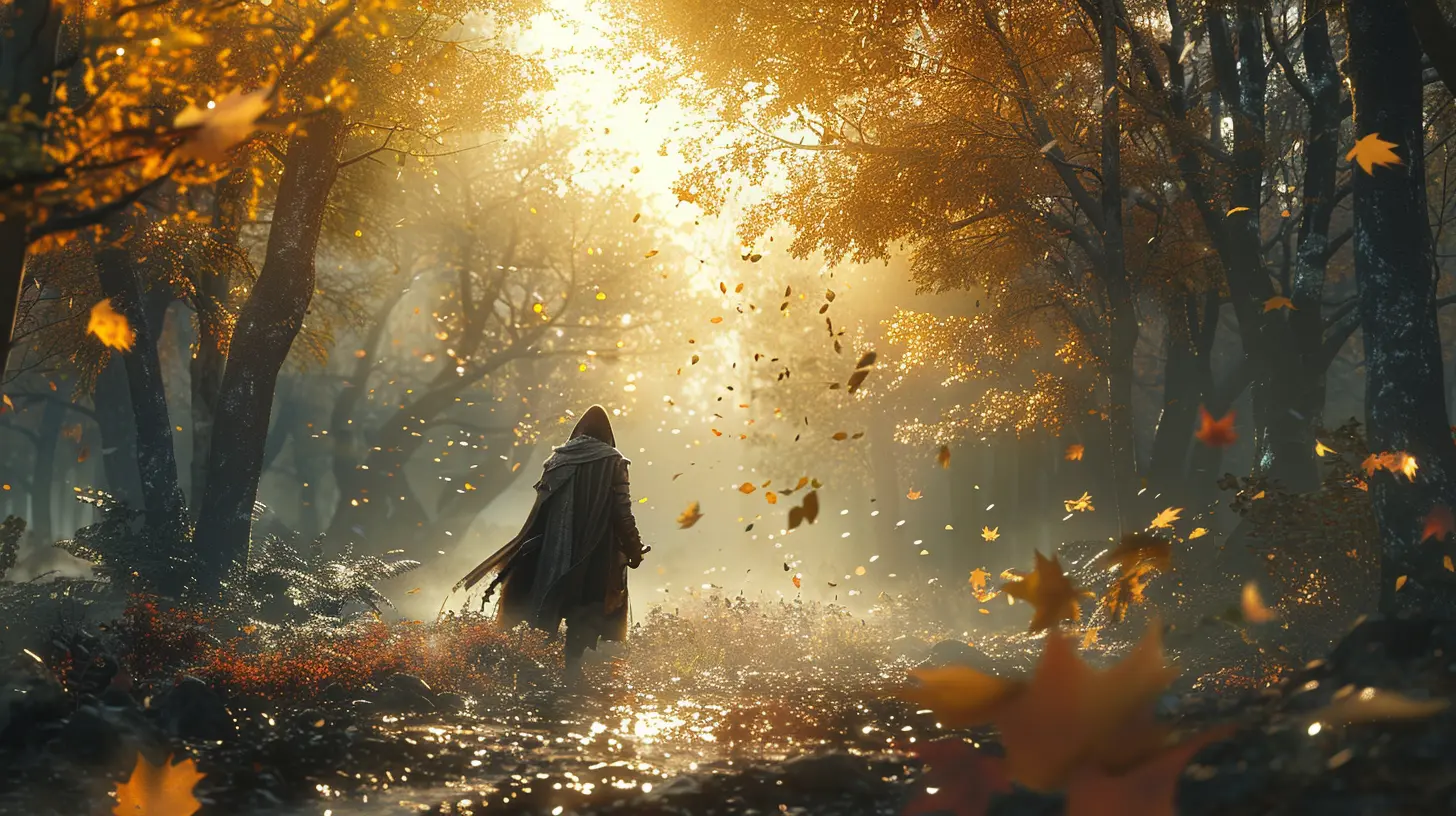
Setting the Tone: The First Ten Seconds
You know that moment you boot up a game, and the opening theme kicks in? That’s the first handshake between you and the world you’re about to step into.Whether it’s the haunting melody of The Last of Us or the triumphant brass of Final Fantasy, that intro sets the emotional stage. You’re not just “playing a game” anymore—you’re stepping into another universe.
And musicians know this. That’s why game soundtracks are often composed with the same precision and emotional depth as blockbuster movie scores.
It’s storytelling without narration.
Music As a Storytelling Tool
Who needs a narrator when you have a symphony?Game developers use soundtracks to do a lot of the story’s heavy lifting. Think of music as the emotional translator between you and the game.
- Danger approaching? Cue the tense, rapid strings.
- Peaceful village? Soft flutes and mellow harmonies.
- Falling in love with a character? Slow piano chords will tug at your heartstrings.
Good soundtracks don’t just mirror the story—they enhance it. You don’t just see the story unfold… you feel it.
Building Identity for In-Game Worlds
Let’s talk world-building.Every game world has its own culture, personality, and history. Music helps define all of that.
Take The Elder Scrolls V: Skyrim for example. The chants in the main theme? Pure Viking energy. When you're hiking through frosty mountains or fighting a dragon, that epic soundtrack makes you feel like a legendary warrior chosen by fate.
Or Zelda: Breath of the Wild—every region has its own musical identity. The sparse piano in the fields, the tribal percussion in Gerudo town, and the mystical sounds in shrines. Each place sticks with you because it sounds distinct.
Audio is like a fingerprint for each part of a fictional world.
Immersion: You’re Not Just Playing, You’re Living It
Immersion is a big deal in gaming. It’s that feeling when the world on your screen becomes your world. You forget the clock. You forget that there’s a sandwich sitting half-eaten on your desk. You’re there.Soundtracks make this possible.
They minimize the gap between player and world. Here’s how:
- Consistency – A well-designed score keeps audio thematically in sync with the visuals and lore.
- Atmosphere – Even in quiet scenes, ambient music maintains the mood.
- Feedback – Music reacts to your actions, making gameplay feel alive and responsive.
Every time the music swells when a boss enters or shifts when danger is near, the game universe responds to you. That’s next-level immersion.
Dynamic Soundtracks: Music That Adapts
Ever notice how in some games, the music changes based on what you’re doing?That’s a dynamic soundtrack, and it’s a game-changer—literally.
Take Red Dead Redemption 2. You could be casually riding your horse through the countryside, and the music subtly shifts when you approach a town or spot enemies nearby. You feel like you're in a movie, and the game is scoring your heroic tale in real time.
Dynamic soundtracks blur the lines between player and story. You’re not just following the plot—you’re creating it, moment by moment.
Emotional Impact: Pulling All the Right Strings
Let’s be real. Sometimes games make us feel things more intensely than movies or books ever did. You cry, you laugh, you feel unstoppable—or vulnerable.Guess who’s in the background orchestrating all of that? Yep, still the soundtrack.
Remember Aerith’s Theme from Final Fantasy VII? If you played it, you probably don’t even need a refresher. Just reading the name might make your heart ache.
Music gives context to the emotional beats. It doesn’t just support the moment—it defines it. That’s why certain songs, even years later, can immediately take you back to a specific scene or feeling in a game.
Nostalgia Hits Hard Through Music
Music has a direct route to our memories. Ever heard an old game track and instantly felt like you were 12 again?That’s not a coincidence. Our brains store music and memories together. That’s powerful.
Game devs know this too—and they use it. Sequels often remix or reuse musical themes to create continuity. Hearing a familiar tune in a new game setting can trigger instant nostalgia while still introducing something fresh.
It’s like running into your childhood best friend on the streets of a brand-new city.
You get all the feels.
From Background Noise to Center Stage
Once upon a time, game music was simple—beeps and boops. Now? Game soundtracks are charting on Spotify and selling out concert halls.Games like The Witcher 3, Halo, and NieR: Automata don’t just have great music—they have legendary composers and full orchestras behind them. Players listen to these tracks outside the game because they stand on their own as incredible music.
The soundtrack is no longer just “background noise.” It’s a centerpiece. A character in its own right.
And honestly, about time.
Iconic Games, Iconic Soundtracks
Let’s throw out a few memorable pairings:- Halo – Gregorian chant meets sci-fi action? Epic.
- The Legend of Zelda – Every note screams adventure.
- Dark Souls – Silence when you're exploring, then massive orchestral hits when you face a boss. Terrifying and genius.
- Persona 5 – Stylish jazz and funky beats that mirror the game's slick aesthetic.
- Animal Crossing – Chill, relaxing tunes that match the game’s cozy vibes.
These games aren’t just great because of gameplay or visuals. Their soundtracks amplify every moment.
Creating Cultural and Thematic Layers
Soundtracks offer more than emotional cues. They can subtly layer in cultural and thematic depth.Consider Ghost of Tsushima—a game deeply rooted in Japanese culture. The music? Traditional Japanese instruments and melodies interwoven with cinematic scoring. It not only sounds beautiful but also enriches the whole cultural fabric of the game.
Music becomes world-building on a deeper level. It educates, immerses, and respects the source material all at once.
Crafting Player Memory and Connection
Want players to remember your game for decades? Give them a melody they can never forget.Think about it: the second someone hears the Super Mario Bros. theme, their brain lights up like a pinball machine. That tune is etched in gaming history.
Musical motifs become part of a game’s brand. Some players might not even remember a character's name, but they'll hum that battle tune for eternity.
Music slips under your defenses and lodges itself into your soul. If that's not world-building genius, what is?
Soundtracks and Player Agency
There’s another layer here we don't talk about enough—player agency.When a game soundtrack responds to your choices, it validates your actions. It reinforces that what you’re doing matters. It gives weight to your journey.
Some RPGs offer different music for different endings. Why? Because the music needs to reflect the choices you made. You’re not just a passenger—you helped shape the world.
Soundtracks that adapt and change based on your path make the game’s world feel reactive and alive. And that’s the ultimate goal of immersive world-building.
Wrapping Up: The Symphony Behind the Screen
Soundtracks in gaming are more than just music. They’re emotional architects. Silent narrators. Cultural bridges. Memory makers.They build worlds not with bricks or pixels, but with notes and rhythms.
So, the next time you boot up your favorite game, take a moment and really listen. Every crescendo, every beat drop, every atmospheric drone—they’re all helping build a universe just for you.
Because in the end, no matter how stunning the visuals or how deep the storyline, it’s the music that makes that world come alive.
And stick with you… long after the credits roll.
all images in this post were generated using AI tools
Category:
Game SoundtracksAuthor:

Audrey McGhee