The Relationship Between Gameplay Pace and Musical Tempo
2 July 2026
Let’s be honest—video games without music are like pizza without cheese. It’s technically still pizza, but…why bother? Whether it’s a thumping bass line that gets your blood pumping or a whimsical tune guiding you through pixelated forests, music and games go together like rage-quitting and throwing your controller.
But here’s where things get really spicy—the tempo of the music isn’t just there to make things sound cool (although it totally does). It quietly grabs the wheel and steers your entire gameplay experience. You may have never noticed it, but tempo affects how you feel, how you react, and even how you play. So buckle up, dear gamer, because we’re diving deep—like, Mariana Trench deep—into the wild ride that is the relationship between gameplay pace and musical tempo.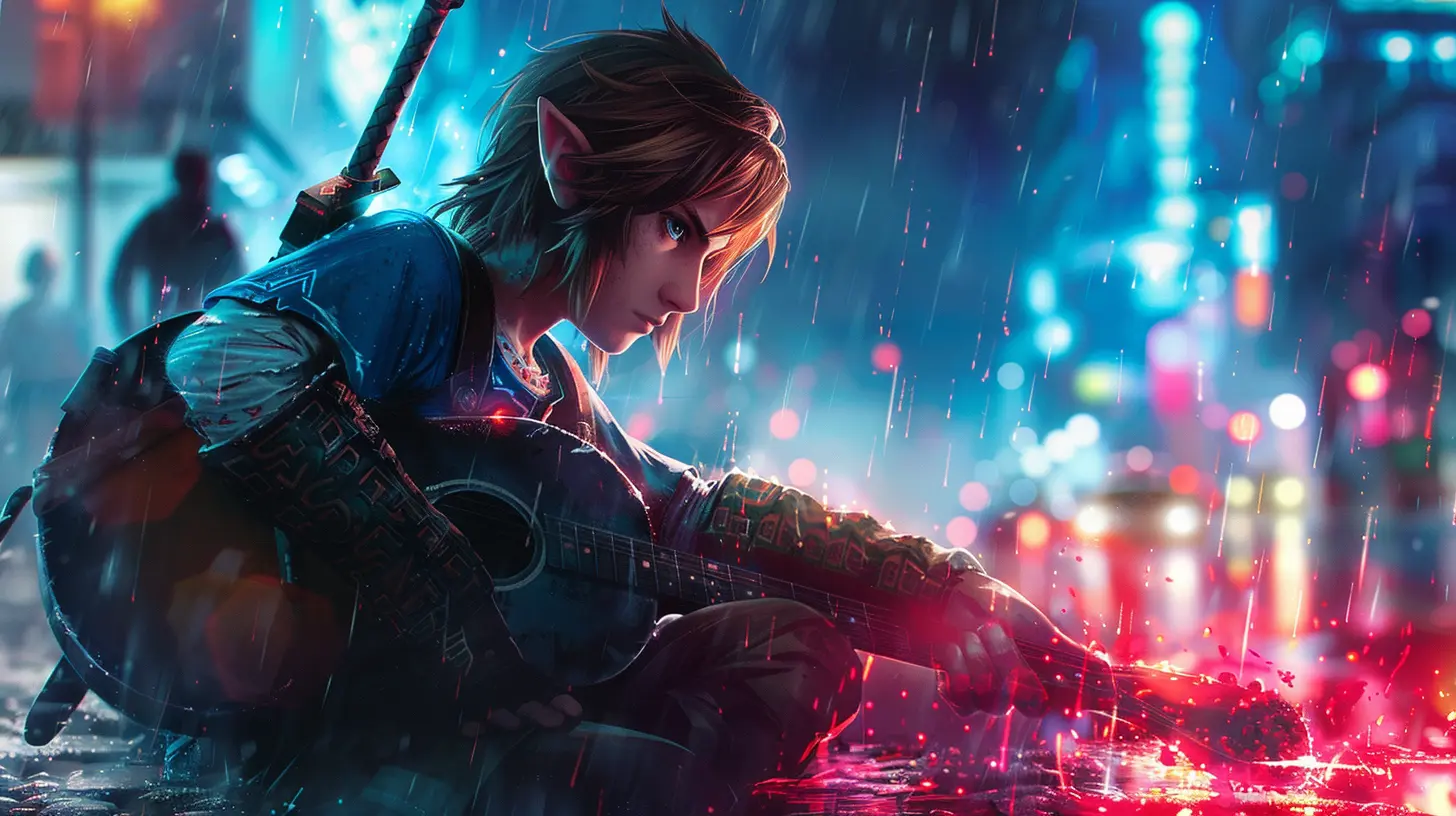
So, What’s the Big Deal with Tempo Anyway?
Let’s break it down. Tempo is basically the speed or pace of a piece of music, measured in beats per minute (BPM). In gaming, it’s the behind-the-scenes puppet master that subtly nudges your adrenaline levels.Slow tempo? You chill. Fast tempo? You sweat.
Simple, right? Almost too simple. Which is why we’re going to rip that simplicity to shreds and see what’s really going on under the hood.
Fast-Paced Games = Fast Music (Captain Obvious, Reporting for Duty)
Ever played a high-octane racing game with slow, sleepy jazz playing in the background? Yeah, me neither—because that would be a disaster. Imagine trying to drift around a corner at 200 mph while listening to Nora Jones gently sing about heartbreak. Nope. Not happening.In fast-paced games like “DOOM Eternal,” “Hotline Miami,” or “F-Zero,” the music hits you right in the soul with high BPMs, heavy percussion, and enough tempo to give your heartbeat a Red Bull IV drip.
Why? Because your brain loves synchronization. The faster the beat, the more intense your actions feel. The music cues your brain to keep up. If you lag behind, you feel like you’re missing the bus. It creates urgency, tension, and, most importantly, immersion. You’re not just playing fast—you’re feeling fast.
Slow Games and Mellow Moods
On the other side of the spectrum, we have cozy, slow-paced games like “Animal Crossing,” “Stardew Valley,” or that game where you’re a goose causing chaos in a quiet village.These titles are all about chill vibes, and the music plays along like a lo-fi track during a rainy afternoon study session.
Here, the tempo is leisurely, like a Sunday morning stroll. We’re talking 60–90 BPM territory—comfortably nestled between “yawn” and “nap.”
This slower tempo affects your pacing too. You're not frantically building combos or dodging bullets; you're planting carrots or moving furniture. It's therapeutic. You’re actually encouraged to take your time—breathe, relax, maybe rearrange your virtual living room for the thousandth time.
The Rhythm Game Exception (Where Music Is the Gameplay)
Alright, park your expectations here because rhythm games flip the whole dynamic on its head.In games like “Beat Saber,” “Guitar Hero,” and “Dance Dance Revolution,” the tempo literally drives the gameplay. If the music speeds up, so does your gameplay. There’s no negotiation. You either keep up or become a human pretzel.
These games blur the line between gameplay and composition. You're not just reacting to tempo—you’re dancing with it. Your reflexes aren’t just responding; they’re part of the band.
It’s like the game dares you to survive a techno rave while wielding lightsabers. Challenge accepted.
Dynamic Tempo: The Unsung Hero
Now, imagine this: you’re wandering through a castle in an RPG, music calmly humming in the background. Then—bam! You enter combat, and suddenly, the music explodes into a battle anthem worthy of war horns and epic slow-motion montages.That, my friends, is dynamic tempo in action.
Games like “The Legend of Zelda,” “Final Fantasy,” and “Hades” use adaptive music engines that shift tempo and musical intensity based on what’s happening in-game. It's cinematic sorcery.
Imagine your gameplay pace as a rollercoaster. The tempo? That’s the soundtrack, cranking up the tension as you ascend and dropping the bass as you plummet.
It’s not just cool—it’s effective. When the game shifts pace, the music whispers (or screams), “Get ready.”
Psychological Warfare (But Make It Musical)
Let’s get nerdy for a sec.Music with a fast tempo increases heart rate and invokes feelings of excitement, tension, or even panic. That’s right—your body actually thinks something exciting or stressful is happening when fast music plays. It doesn’t care if it’s a real-life bear chase or a 16-bit boss fight.
On the flip side, slow music slows your breathing, drops your heart rate, and tells your brain it’s time to chill.
So when developers match gameplay pace with tempo, they’re not just making the game “feel right”—they’re manipulating your emotions. In a good way. Kind of like emotional puppeteers with a soundtrack.
Player Performance: The Tempo Effect in Action
Okay, so music sets the mood. But does it actually make you play better or worse?Surprise! Science says yes.
Studies have found that players respond faster and more accurately to rapid musical cues in action-heavy scenes. Fast tempo music keeps players alert, sharp, and reactive. It’s like a sonic shot of espresso.
Conversely, slower tempo music can reduce stress, which is perfect for puzzle games or open-world exploration. It helps you think, breathe, and avoid rage-quitting when you can’t line up that last Tetris block.
So yeah—tempo isn’t just background noise. It’s your invisible teammate (or nemesis, depending on the game).
Genre Matters, Big Time
Let’s not forget that the relationship between gameplay pace and tempo varies wildly depending on the game genre. Here’s a lightning-fast breakdown:- FPS (First-Person Shooters): Fast tempo = action-packed, enemy-obliterating chaos. Ever played “DOOM”? ‘Nuff said.
- RPGs: Dynamic tempo keeps you emotionally invested—from brooding dialogue scenes to explosive battles.
- Platformers: Rhythm and tempo often sync with movement and level design. Think “Celeste” or “Super Mario.”
- Puzzle/Strategy Games: Slower tempos help you think clearly and avoid flipping your keyboard in frustration.
- Survival Horror: Tempo manipulates your paranoia. It’s slow, tense, then BAM! Panic mode activated.
Each genre uses tempo as a tool to support the experience, like a musical wingman that never steals your kills.
The Composer’s Trick: Setting You Up Without You Noticing
You ever notice how good game music just feels right but you can’t quite put your finger on why?That’s intentional.
Composers and sound designers spend countless hours crafting scores to match not only the gameplay pace but also emotional beats, difficulty spikes, and narrative twists. They're like mental chess players, always three moves ahead.
They know when you'll be stressed. They plan when you're going to panic. And the tempo? That’s their secret handshake and punch to the gut rolled into one.
So next time you hear the music swell as you approach a boss arena, remember: you’ve already been played.
The Future: AI-Composed Adaptive Soundtracks?
You betcha.With AI stepping into the game development scene like it owns the place, adaptive soundtracks are getting even more advanced. Imagine music that changes not just based on gameplay, but your personal playstyle. It adjusts tempo depending on your skill level, health bar, or how aggressively you’re playing.
You’re a calm, calculated player? Enjoy a mellow groove.
You’re chaotic and impulsive? Here’s your rave anthem, champ—now try not to explode.
This kind of real-time adaptation could revolutionize the emotional experience of games, personalizing every tempo beat to match you. Creepy? Maybe. Cool? Absolutely.
TL;DR (But Seriously, Read the Whole Thing)
The tempo of video game music isn’t just a background detail—it’s a full-blown game mechanic dressed like a supporting character. It aligns with your gameplay pace so seamlessly that you hardly notice it’s messing with your brain (in a good way). Whether it’s helping you chill in a sandbox sim or throwing gasoline on your action-fueled fire, musical tempo is the silent MVP of game design.So next time you fire up a game and find your pulse racing or your brain entering god-mode zen, do yourself a favor: give that background music a nod. It’s doing more than you think.
Final Thoughts: Game Like a Conductor
You don’t have to be a music theory nerd to appreciate how tempo influences gameplay. But now that you know, you’ll probably never not notice it. It’s like realizing your favorite game has been whispering subliminal messages, set to a beat, the entire time.So go ahead—sync your next gaming session with the tempo. Feel the beat, ride the rhythm, and game on like you're the star in a playable rock opera.
Just don’t blame me when you start headbanging during boss fights.
all images in this post were generated using AI tools
Category:
Game SoundtracksAuthor:
Audrey McGhee
Discussion
rate this article
1 comments
Cassian King
This article highlights an intriguing connection between gameplay pace and musical tempo. The right tempo can enhance player engagement and influence emotions. It's fascinating to see how developers use music not just as background but as an integral part of the experience, shaping the rhythm of gameplay itself.
July 2, 2026 at 4:12 PM
Audrey McGhee
Thank you for your insightful comment! I completely agree that the interplay between gameplay pace and musical tempo is essential for creating an immersive experience. It's amazing how music can transform the emotional landscape of a game.