The Most Convincing Zelda Theories That Could Change Everything
1 May 2026
If you’ve ever found yourself spiraling down a rabbit hole of Zelda lore at 2 a.m., welcome — you’re among friends. The Legend of Zelda series has captivated players for decades with its rich storytelling, immersive gameplay, and a timeline that’s more twisted than a Moblin’s sense of fashion. But what if I told you there are Zelda theories out there that might flip everything you think you know about Hyrule on its head?
Buckle up, because we’re diving deep into the most mind-blowing Zelda theories fans have cooked up. These aren’t just wild guesses — some of them might actually make more sense than the official timeline.
The Timeline Isn’t Broken — It’s a Cycle
Let’s face it, the Zelda timeline is notoriously complicated. Nintendo attempted to clarify things with the release of Hyrule Historia, which divided the series into three separate timelines after the events of Ocarina of Time. But what if none of those timelines are actually separate?The Looping Timeline Theory
This theory suggests that each Link’s journey doesn’t happen on a divergent path — instead, the Zelda timeline is a closed-loop cycle that repeats itself. Think Groundhog Day but with more swords.The evidence? Themes of reincarnation, time travel, and the recurring characters of Link, Zelda, and Ganon. It’s not far-fetched to think that once one timeline ends, it resets in another form — like different layers of the same story playing out again and again.
Link and Zelda Are Reincarnations of Deities
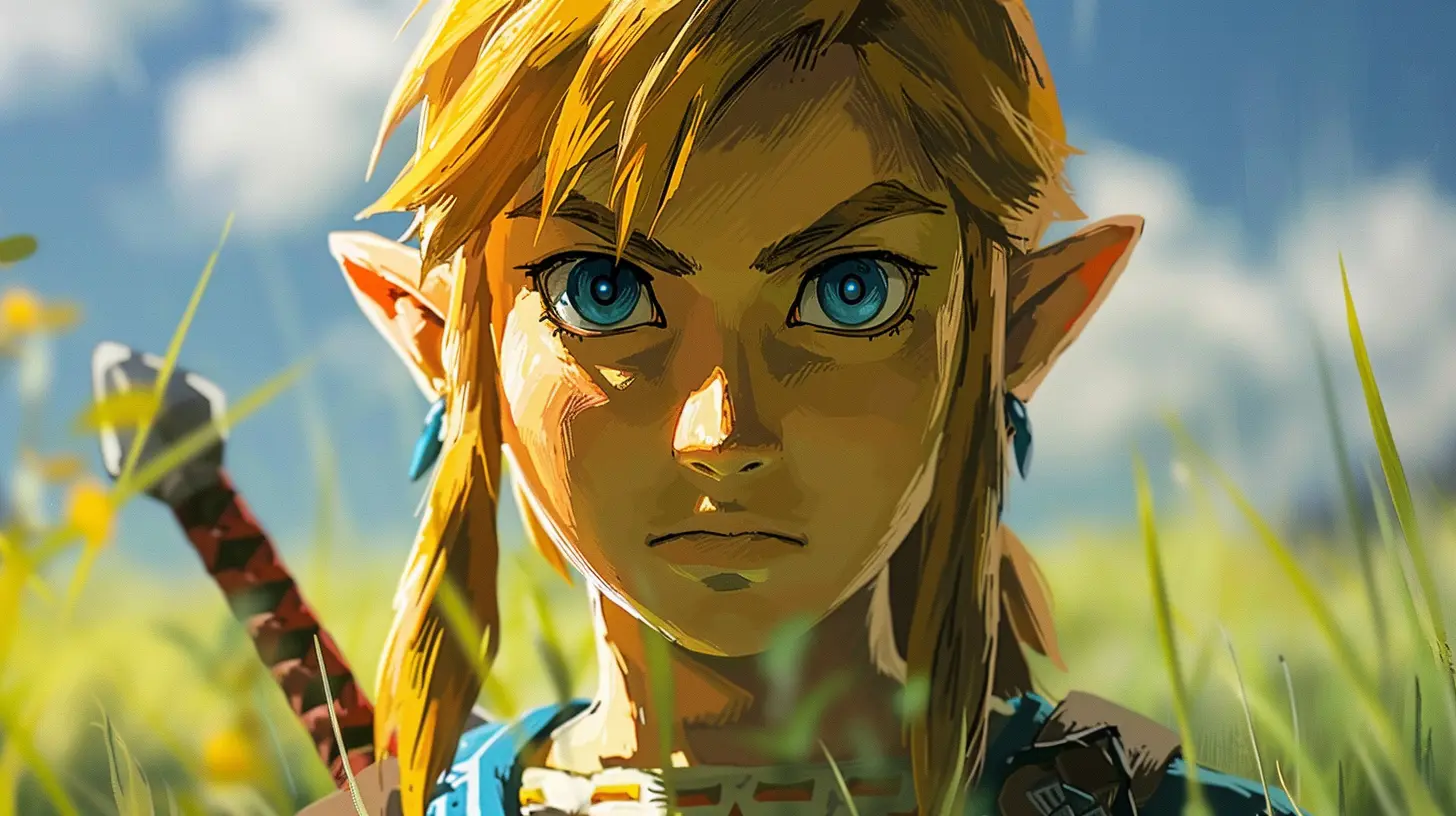
You’ve probably noticed that Link, Zelda, and Ganon are almost always at the center of Hyrule’s drama. Every generation brings a new trio of these characters, battling it out for peace, power, or both. But there's a fascinating theory that takes this idea even further.The God Cycle Theory
Here’s how it goes: Link is the mortal reincarnation of the goddess Hylia’s chosen hero, Zelda is Hylia herself reborn, and Ganon is the dark manifestation of the Demon King Demise’s curse.This theory turns the power struggle into a battle of divine proportions. It explains why these three souls are trapped in an endless loop and why they’re destined to clash time and time again. It’s not just fate — it’s divine programming. Almost poetic, right?
Termina Is a Metaphor for the Five Stages of Grief
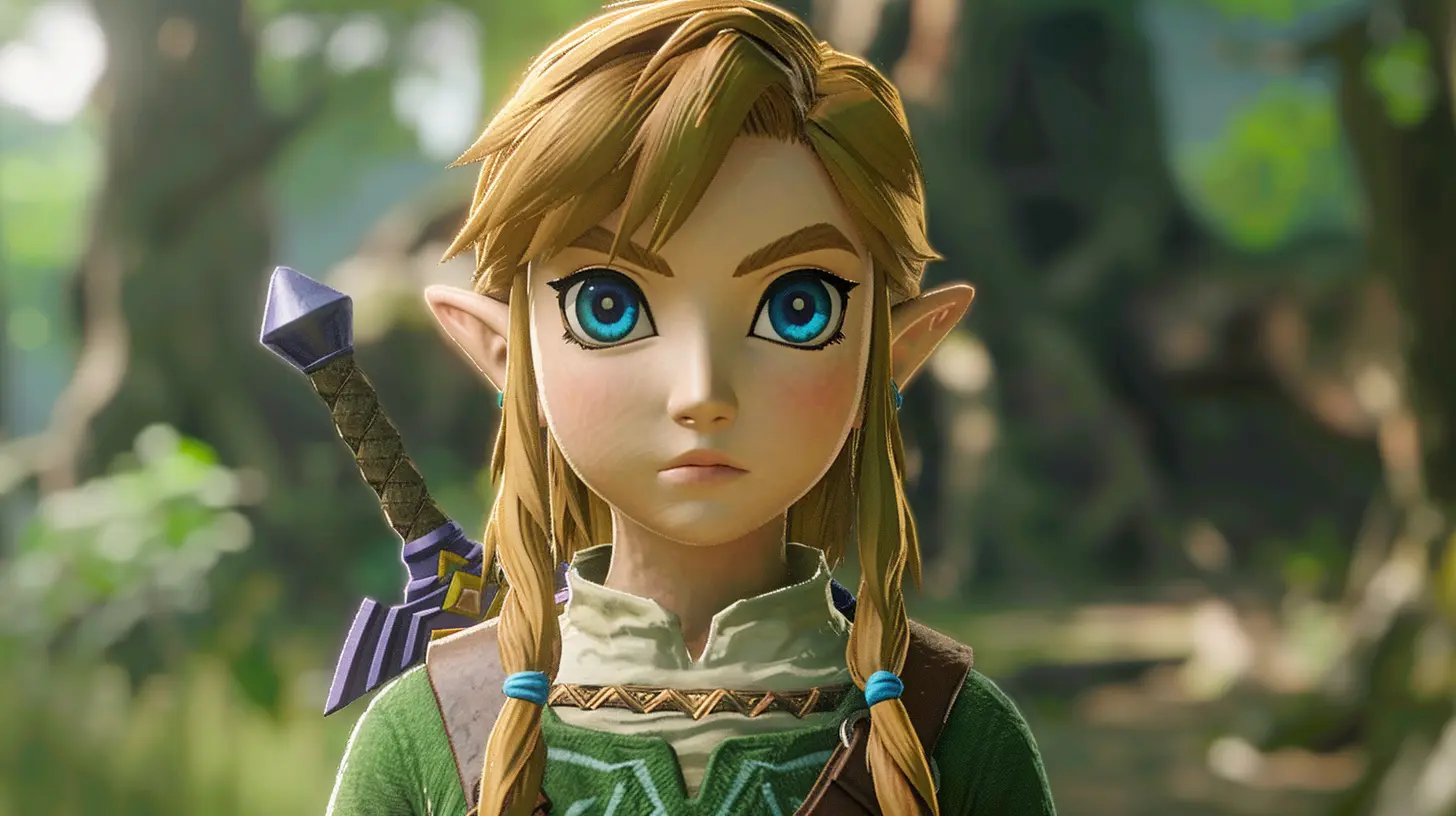
If you’ve played Majora’s Mask, you know it’s one of the darkest entries in the series. But there’s a fan theory that adds even more emotional weight to the game.The Grief Theory
According to this theory, the land of Termina represents Link working through the five stages of grief after the loss of Navi or perhaps even his own death.Here’s the breakdown:
- Clock Town (Denial): Everyone pretends life is normal, even with the moon looming overhead.
- Woodfall (Anger): The Deku King lashes out, wrongly accusing a monkey.
- Snowhead (Bargaining): Gorons hope reviving a fallen hero will fix everything.
- Great Bay (Depression): Lulu mourns her lost eggs in silence.
- Ikana Valley (Acceptance): Link confronts the dead and lays them to rest.
If it’s true, Majora’s Mask becomes less of a sequel and more of a psychological deep dive into loss.
The Twili Are the Sheikah
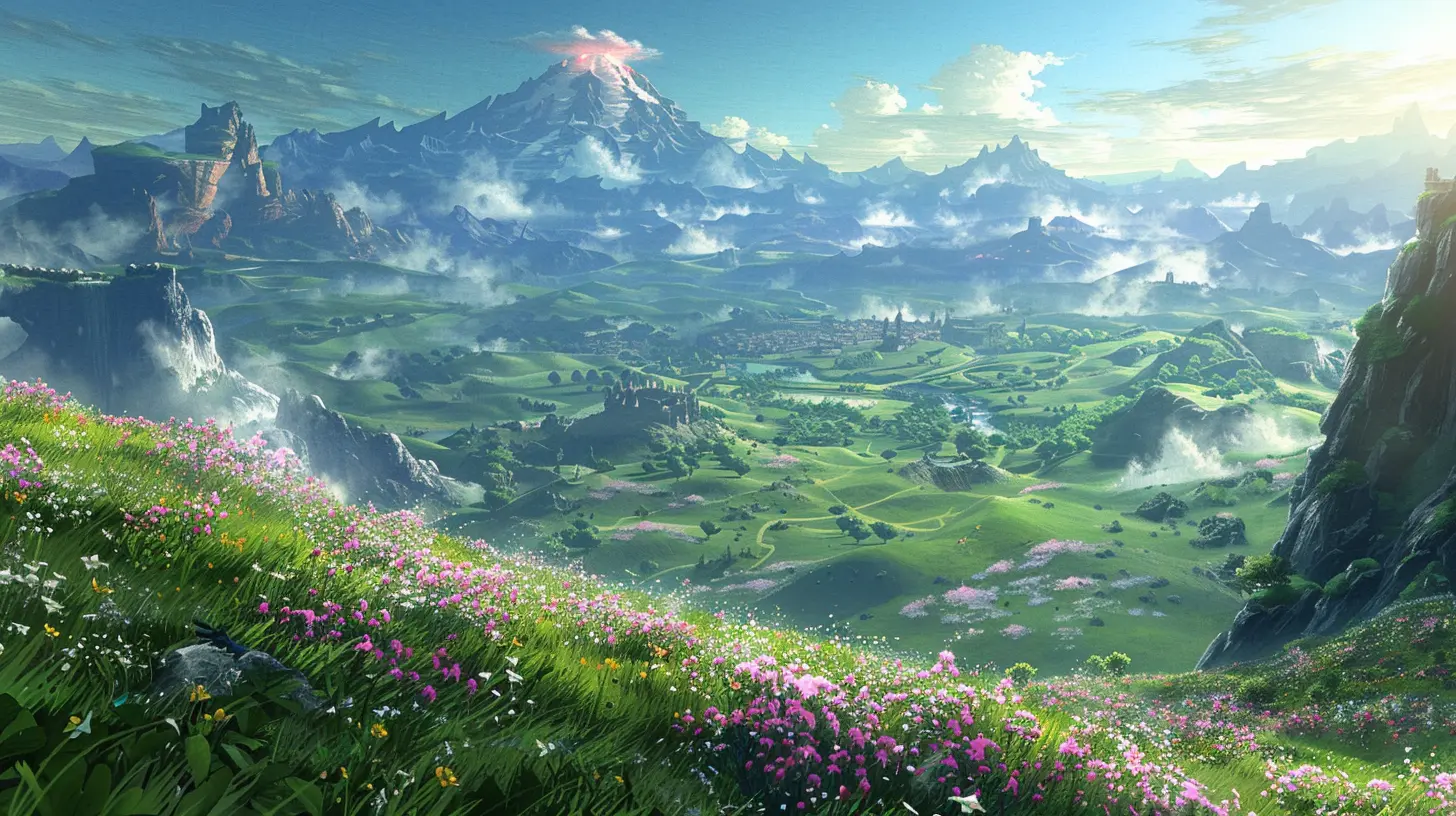
In Twilight Princess, we meet the Twili — mysterious beings exiled to the Twilight Realm. But here’s where things get spooky: their origins are super vague, and that’s where this theory comes in.The Sheikah Connection Theory
Some fans believe the Twili are actually descendants of the Sheikah tribe, ancient protectors of Hyrule, who were banished for using forbidden shadow magic.It kind of adds up, doesn’t it? The Sheikah are known for their advanced technology and stealth, while the Twili have refined magical abilities and a mysterious past. Not to mention, both groups have a flair for dramatic fashion choices — glowing eyes, dark cloaks, you name it.
This theory paints a tragic tale of loyalty turned to exile and ultimately, transformation. If true, it would mean one of Hyrule’s most trusted tribes became one of its most forgotten.
The Lost Woods Kills Children — Or Worse
Yeah, we’re going dark again. You know those cute Kokiri kids from Ocarina of Time who never grow up? That’s not just quirky forest magic. According to one of the creepiest theories, it’s something far more sinister.The Skull Kid Theory
Many believe that when children get lost in the Lost Woods, they transform into Skull Kids — eerie, giggling creatures with a knack for mischief. Remember that Ocarina quote? “They say that if a child gets lost in the forest, he becomes a Skull Kid…”Chilling, right?
Even worse, this fate hints at the woods consuming their identities, stripping them of everything but vague memories and unsettling laughter. Suddenly, the idyllic Kokiri Forest doesn’t seem so cozy anymore.
Breath of the Wild Is Set After Every Timeline
Nintendo blew our minds with Breath of the Wild — not just because of its open-world design, but because it refuses to fit cleanly into any existing timeline. What if that's the point?The Convergence Theory
This theory suggests that Breath of the Wild doesn't follow one of the three timelines — it happens after all of them. Like, literally after the timelines converge due to some cataclysmic event or divine intervention.Think about it: Hyrule is in ruins, ancient technology is advanced but broken, and history is remembered like myth. It’s as if multiple pasts have blended into one future. It's the Marvel Multiverse of video games — parallel realities collapsing into one mega timeline.
If this is legit, Breath of the Wild 2 (aka Tears of the Kingdom) might be less about continuing the story and more about restoring balance across fractured realities. That’s way cooler than just another rescue mission.
Tingle Is a Fallen Hero (Seriously)
Okay, I know what you’re thinking: “Tingle? That weird map guy in green tights?” But hear me out — what if he’s not just comic relief?The Broken Hero Theory
Some fans believe Tingle was once a would-be hero, like Link, who failed his quest and went mad. Now he’s obsessed with maps and rupees, clinging to the one part of his destiny he can still fulfill.Admittedly, it’s a stretch, but it casts Tingle’s eccentric behavior in a whole new light. Maybe he’s not annoying — maybe he’s tragic. Like a clown who lost his sword and never found his way back. It’s either a heartbreaker or a brilliant character twist. Or both.
Hyrule Is the Afterlife
Ready to go full galaxy brain?The Afterlife Theory
One theory proposes that Link’s adventures take place not in a living world, but in a form of purgatory. That he’s actually dead — or close to it — and must prove himself worthy of peace or resurrection by completing trials, defeating evil, and restoring balance.This idea explains why Link rarely speaks, why time behaves oddly, and why he jumps across planes of existence. It adds a Shadow of the Colossus vibe to the series and makes every triumph feel even more spiritual.
Sure, it’s a bold claim. But when you consider how myth and mortality intertwine in the Zelda universe, it’s not that wild.
Zelda Theories Keep the Magic Alive
Let’s be real — part of what makes The Legend of Zelda so unforgettable is its mystery. The vague lore, the hidden messages, the cryptic quotes — they practically beg fans to dive in, dissect, debate, and theorize.And maybe that’s the point.
Even if Nintendo never confirms these theories, they add depth, excitement, and a sense of wonder that keeps us coming back. They're conversations we whisper among fellow fans, like legends passed down around a campfire.
So next time you boot up your favorite Zelda game, keep these ideas in the back of your mind. Who knows? You might start seeing clues everywhere.
Final Thoughts
Whether you're a lifelong fan or a Hyrule newbie, these theories offer a fresh way to look at the beloved franchise. From divine reincarnations to alternate dimensions and eerie forest secrets, the Zelda universe is far more layered than we give it credit for.And that’s exactly why we love it.
So, what’s your favorite theory? Do you think Tingle was a hero gone mad? Is Breath of the Wild the timeline's true end? Fire up the comments, and let’s get that gossip Goron-style.
all images in this post were generated using AI tools
Category:
Fan TheoriesAuthor:

Audrey McGhee
Discussion
rate this article
2 comments
Fenn McCloud
If only half of these theories are true, we might need to rethink our entire Zelda journey...
June 4, 2026 at 2:56 PM
Audrey McGhee
Absolutely! It's wild how these theories could reshape our understanding of the series. Exciting times ahead for fans!
Jack Stevens
What a fascinating read! Theories like these really challenge our understanding of Zelda's lore. I love how they open up new possibilities for the story and characters. I can't wait to see if any of them turn out to be true in future games!
May 7, 2026 at 2:41 AM
Audrey McGhee
Thanks for your thoughts! It's exciting to explore how these theories could reshape our view of the Zelda universe. Let's see what the future holds!