The Importance of Practice Routines for Tournament Success
12 March 2026
So, you’ve signed up for a tournament. Maybe it’s your first one, or maybe you’re a seasoned player looking to finally break into those top placements. Either way, you’ve probably heard this one before: “Practice makes perfect.”
Yeah, I know—it’s cliché. But there’s a reason it’s been said since forever. When it comes to gaming, especially competitive gaming, having a solid practice routine is the difference between just showing up and truly showing out.
In this post, we’re diving headfirst into why structured practice routines are absolutely essential for tournament success. Whether you’re into fast-paced shooters, strategic MOBAs, or high-stakes fighting games, the principles remain the same.
Let’s break it down in a way that’s honest, fun, and actually useful.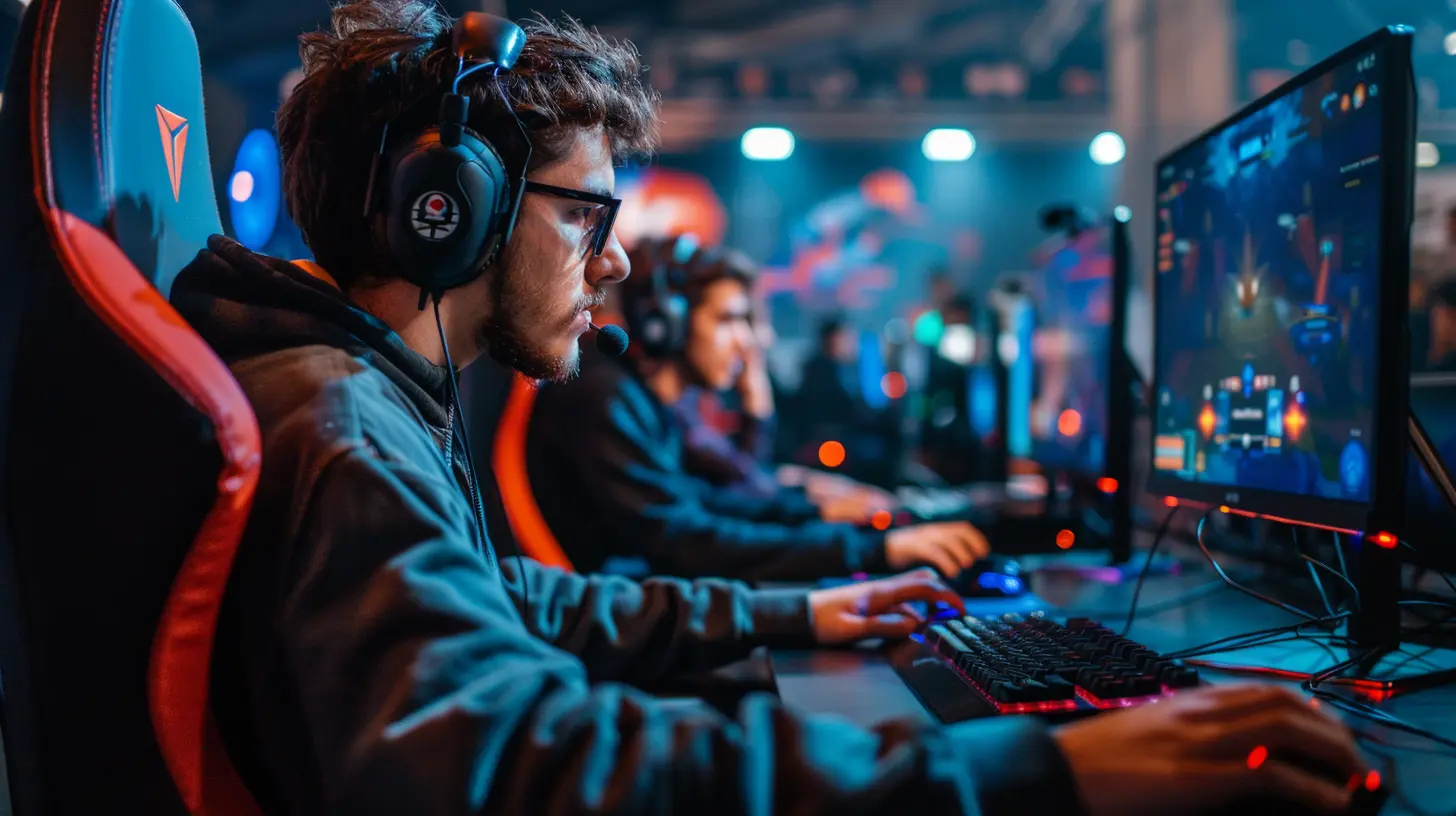
Why a Practice Routine Even Matters
Picture this: you’re going into a tournament with no warm-ups, no drills, no scrims—just vibes. How do you think that’s going to pan out?Spoiler alert: not great.
Competitive Consistency
At the highest level, raw talent is only a small piece of the puzzle. The rest? That’s consistency. And consistency doesn’t come from playing randomly—it comes from repetition, feedback, and yes, structured practice.Think of it like going to the gym. You don’t build muscle by doing a thousand random exercises once in a while. You build it by hitting the same movements, with focus, and tracking your progress.
Mental Preparedness
Tournaments are intense. There’s pressure, there’s adrenaline, and there’s a whole crowd (or at least a Discord full of people) watching you. Practicing with structure helps train your mental game. You start learning how to stay calm under pressure, how to reset after a bad round, and how to stay locked in.
Building a Routine: Where to Start?
Okay, so you’re convinced. But how do you even begin setting up a practice routine? Don’t sweat it—I’ve got you.Step 1: Set Clear Goals
You can’t hit a target you can’t see. Ask yourself:- What do I want to improve?
- Am I working on mechanics or decision-making?
- Is my goal to land top 8? Or just not go 0-2?
Write it down. Keep it simple, measurable, and specific.
> 🎯 "I want to improve my aim with long-range weapons in Apex Legends."
> 🎯 "I need to work on my spacing and punishes in Street Fighter 6."
Step 2: Break Your Time into Chunks
Instead of playing for six hours straight (and tilting for half of it), break your session into focused blocks.Example routine for a fighting game player:
1. Warm-Up (15 mins) – Movement drills, hit confirms, basic combos.
2. Targeted Drills (30 mins) – Practice against specific characters or situations.
3. Review Footage (20 mins) – Watch replays and take notes on mistakes.
4. High-Intensity Matches (1 hour) – Scrims or ranked matches under pressure.
Notice how it’s not just “play the game”—it’s practice the game.
Step 3: Mix in Rest and Reflection
This maybe sounds soft, but your brain needs time to digest what you’re learning. That’s why athletes don’t train seven hours a day nonstop—they give themselves time to rest and recover. You should too.Post-game journaling helps. Jot down:
- What went well?
- What felt off?
- What’s the focus tomorrow?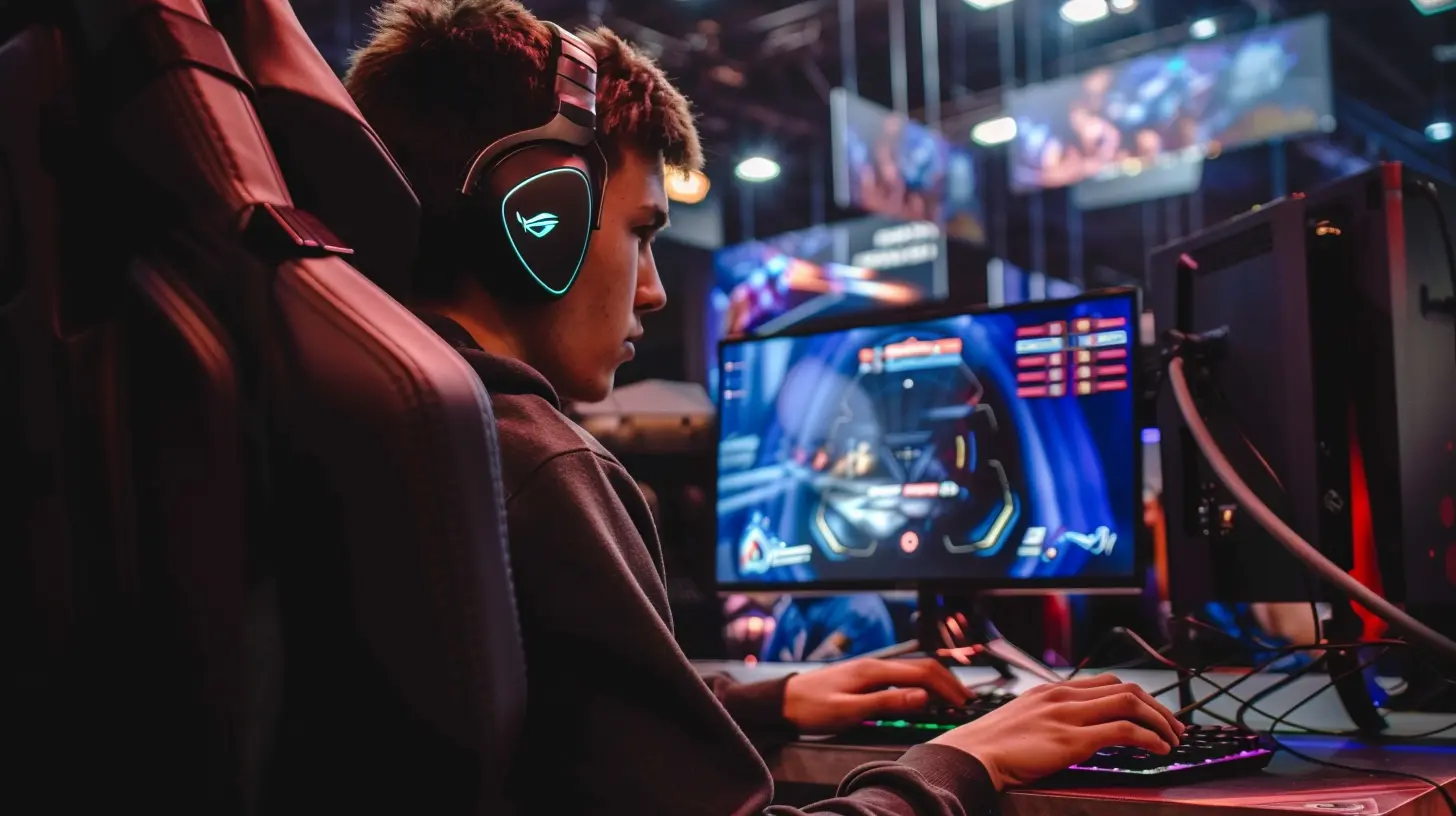
The Science of Skill — No Magic, Just Patterns
Let’s nerd out for a second. There’s real neuroscience behind why routine matters.Muscle Memory and Reaction Time
When you drill a combo or a sniper flick a thousand times, your brain builds neural pathways that make it easier to do again. It’s called myelination—basically, your brain wraps those pathways in insulation so signals travel faster.That’s why the pros make insane plays look easy—they’ve done it a million times before. It’s second nature.
Pattern Recognition
Ever see a top player predict a play before it happens? That’s their brain picking up subtle patterns and cues without even thinking. Practicing against different styles helps you build that instinct.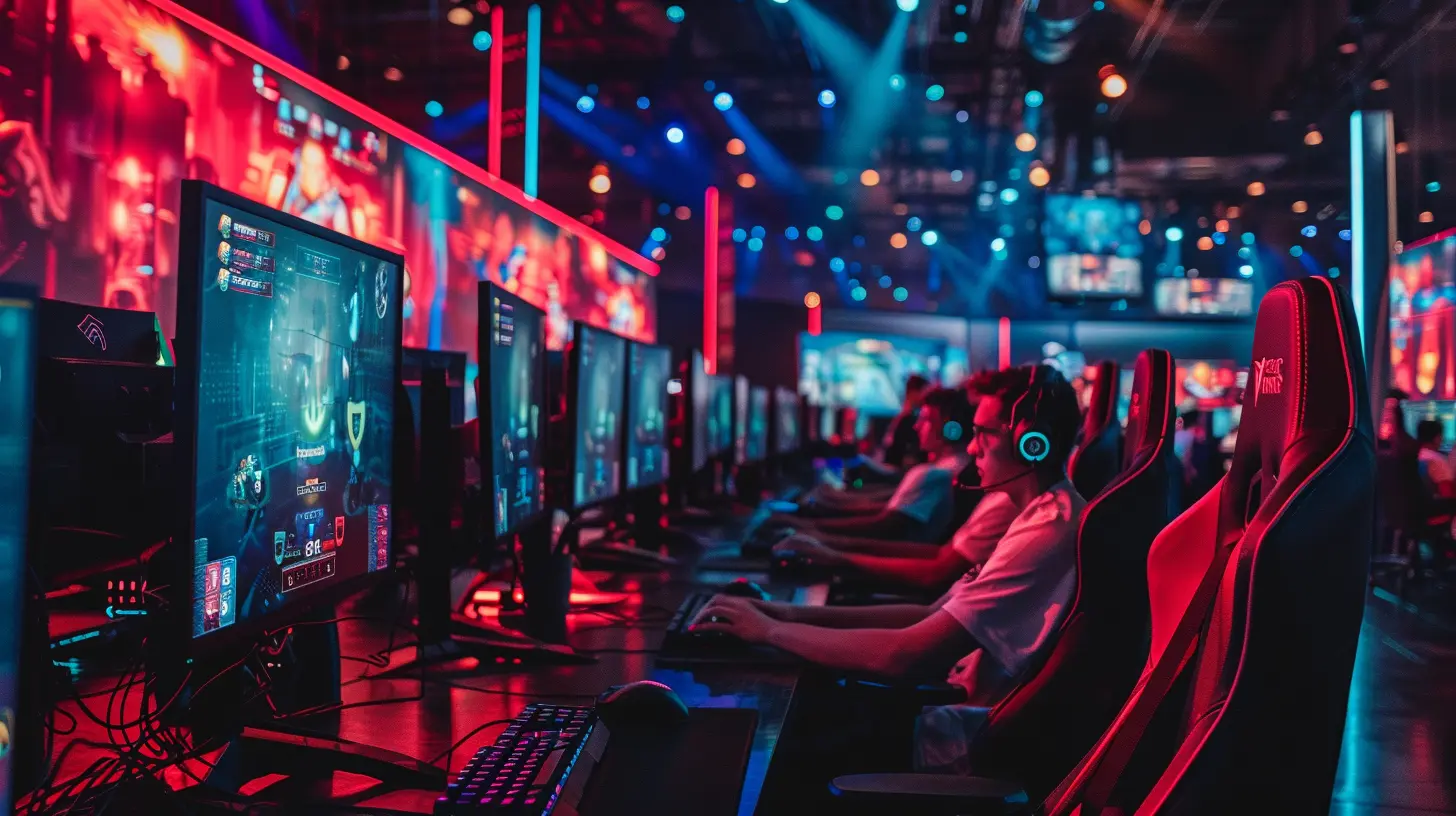
Avoiding Burnout: Don’t Overcook It
Let’s be real—grinding every day can make the game feel like work. You might start the week hyped to train, but by Friday, you’re questioning all your life choices.Here’s how to keep the fire alive without burning out.
Schedule Downtime
Not every session has to be sweaty. Mix in casual games, play with friends, or even take a day off entirely. Your mental health is one of your best tools—protect it.Change It Up
If you’re always drilling the same thing, it gets stale fast. Try:- Switching characters or roles for fun
- Creating challenge runs
- Teaching a friend (which reinforces your own knowledge)
Celebrate Small Wins
Did you finally land that tricky combo in a match? Did you beat a rival for the first time? Those are huge. Don’t wait until you win an entire tournament to feel good—enjoy the progress along the way.Case Study: How the Pros Do It
Let’s peek behind the curtain.Faker (League of Legends)
One of League’s most iconic players, Faker isn’t just talented—he’s disciplined. His practice days include solo queue, team scrims, VOD reviews, and even physical training. He constantly refines his mechanics and game sense through structured effort.Daigo (Street Fighter)
Daigo literally wrote a book about the mental aspects of competitive play. He’s known for grinding fundamentals and keeping detailed notes on matchups. His practice isn’t flash—it’s focused repetition of the basics until mastery.TenZ (Valorant)
TenZ runs intense aim routines using tools like Aim Lab or Kovaak’s. But what sets him apart is how he balances that with game-specific drills—playing custom maps, scrimming with pros, and watching replays to refine his positioning and communication.How to Stay Motivated Over Time
You might start strong, but one bad losing streak or a disappointing bracket run can make you want to chuck your controller out the window.Track Your Progress
Keep a logbook or spreadsheet. It doesn’t have to be fancy—just a way to see how far you’ve come.> “This combo took me 5 tries last week. Now I land it first try.”
Those small gains pile up.
Build a Support Circle
Join a community. Find training partners who push you but also keep it friendly. Being around others who share your passion makes grinding way more fun.Remind Yourself Why You Started
Tournaments are exciting because they test everything you’ve worked on. Even if you don’t win right away, just improving feels amazing. Keep your “why” visible—it'll pull you through the hard sessions.Final Thoughts
Look, I get it. Practicing isn’t always glamorous. It’s not the highlight reel you post on Twitter. It’s the drills, the replays, the resets when you mess up again and again.But that boring, unsexy grind? That’s where champions are made.
So, the next time you’re wondering whether it’s worth setting aside time to train with intention, remember this: Skill doesn’t come from just playing. Skill comes from practicing with purpose.
Create a routine. Stick with it. Adjust and improve. And the next time you’re on that tournament stage—virtual or not—you’ll be ready to shine.
Game on.
all images in this post were generated using AI tools
Category:
Gaming TournamentsAuthor:

Audrey McGhee
Discussion
rate this article
3 comments
Quinn Hall
Great insights! Consistent practice routines truly make a difference in tournament performance. Can't wait to implement these tips in my training! 🎮✨
April 15, 2026 at 4:37 PM
Audrey McGhee
Thanks so much! Wishing you the best of luck in your training—see you at the top of the leaderboard! 🚀🎮
Falkor McPherson
Effective practice routines are crucial for tournament success, as they enhance skills, build consistency, and boost player confidence.
March 20, 2026 at 4:44 PM
Audrey McGhee
Absolutely agree! Consistent practice is the foundation for any successful tournament performance. It really makes a difference.
Mistral Riley
Consistent practice shapes champions! Embrace routines, stay focused, and watch your tournament dreams come to life!
March 16, 2026 at 5:25 PM
Audrey McGhee
Thank you! Consistent practice truly is the key to achieving tournament success. Embracing routines not only builds skill but also fosters the mindset needed for champions. Keep dreaming big!