The Impact of Pay to Win on Game Communities
7 August 2026
Let’s not beat around the bush—“Pay to Win” (P2W) games are a hot topic in the gaming world. Whether you're a hardcore gamer grinding your way to the top or a casual player just trying to have some fun, you've probably bumped into the effects of this monetization model. It’s not just about spending money for better gear or faster progress—it's about what that does to the entire community the game thrives on.
So, let’s roll up our sleeves and dive deep. What exactly is the impact of Pay to Win on game communities? And why does it feel like the soul of some games gets sucked out when big wallets start winning?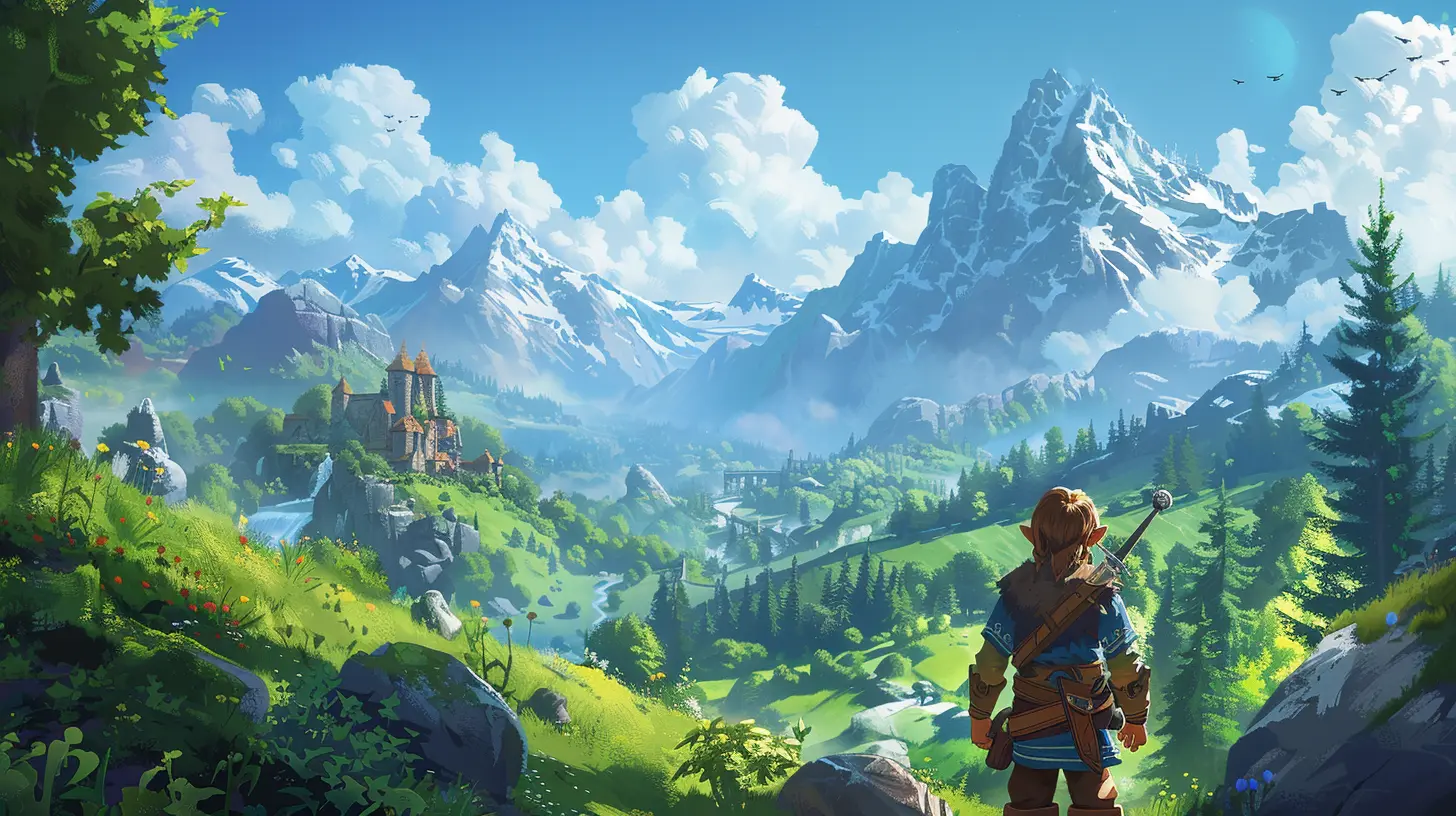
What Does "Pay to Win" Really Mean?
Before we can judge it, we’ve got to define it. “Pay to Win” is a term gamers throw around when a game allows real money to buy significant gameplay advantages—things like powerful weapons, exclusive characters, or stat boosts that free players can’t reasonably get without dedicating a ton of time.It’s like showing up to a friendly basketball game and someone walks in with a jetpack strapped to their back. Sure, flying dunks are cool, but is anyone still having fun?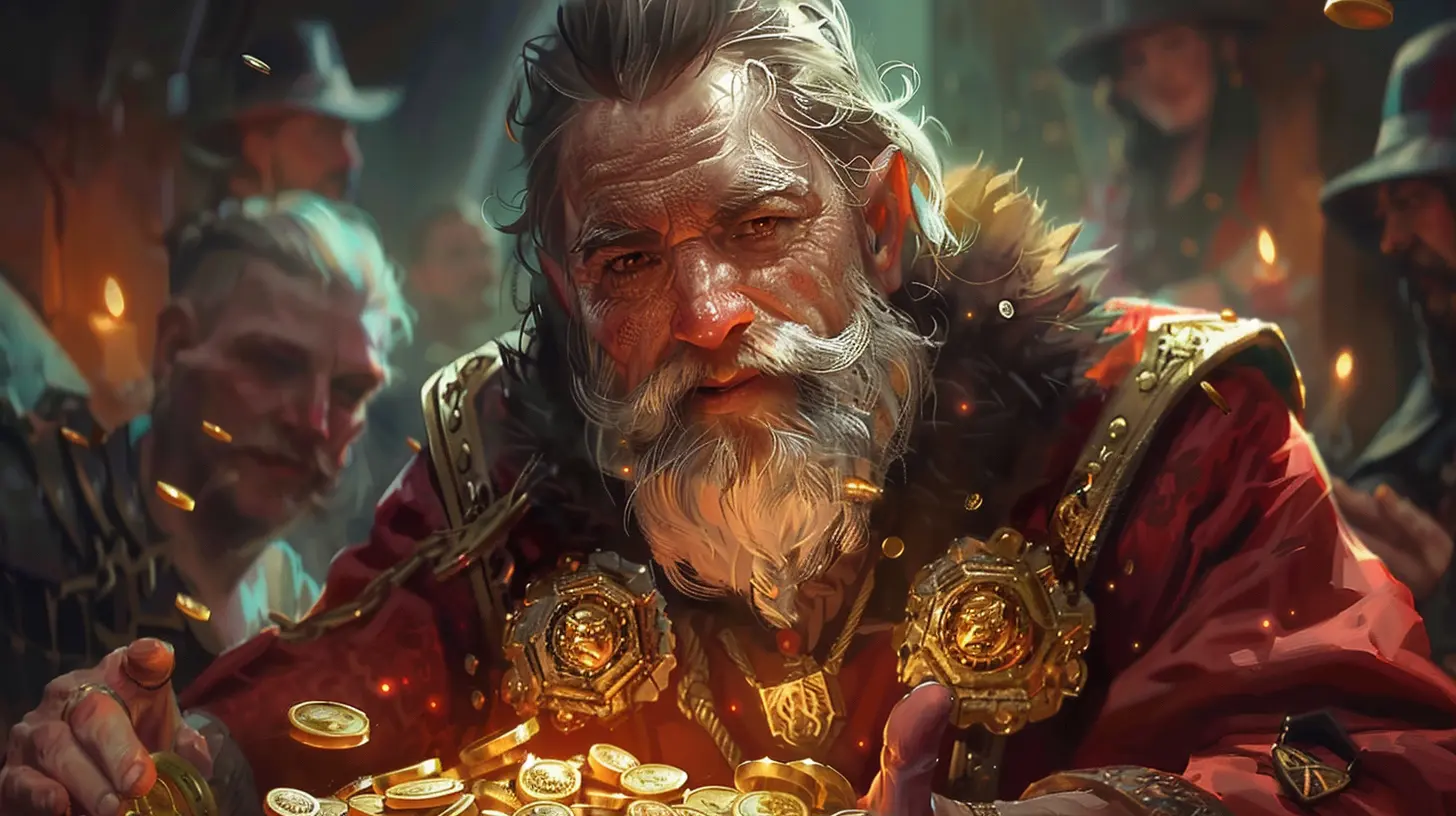
Why Pay to Win Exists in the First Place
Let’s be real—games aren’t made solely out of love. They’re businesses. Developers and publishers need to make money to keep the lights on.Free-to-play games exploded in popularity because, well, they’re free. But the devs still need revenue, so they sprinkle in microtransactions. The problem starts when those optional purchases start tilting the balance in favor of paying players.
On paper, it sounds fair. You either pay with your time or your money. But in practice? It creates a rift between players, which brings us to the heart of the matter…
Division of the Player Base: Haves vs. Have-Nots
Probably the most immediate and glaring impact of Pay to Win is how it fractures the player community.Suddenly, it’s not just about skill, teamwork, or even dedication. The guy with deep pockets can swoop in, drop some real cash, and steamroll players who’ve spent hours learning the game.
This creates two classes of players:
- Whales: People who spend big bucks to get ahead. No shade—they’re just using the tools the game gives them.
- F2P Warriors: Players who stick it out without spending. They often find themselves at a disadvantage, sometimes facing frustration and burnout.
This imbalance breeds resentment. Instead of celebrating each other’s gameplay and bonding over shared struggles, the community starts pointing fingers. “Of course he won—he paid for it!”
That’s not camaraderie. That’s toxic.
The Competitive Scene Takes a Hit
Imagine you're training for a marathon. You put in the miles, eat clean, wake up early—and then someone rides a scooter the entire way and still gets the medal. That’s what Pay to Win does to competitive balance.In PvP-heavy games especially, fair play is everything. When players know that victory is earned through skill, every battle means something, and every win feels legit.
Pay to Win throws that integrity into a blender. It creates a situation where:
- Rankings don’t reflect actual skill
- Tournaments feel hollow
- Real competitors get discouraged and leave
Worse still, cheating scandals in esports are bad enough. Add Pay to Win mechanics to the mix, and suddenly games lose their credibility—not just among players, but viewers too.
New Player Experience: Not Exactly Welcoming
Let’s say you're new to a game. You’re excited, ready to learn, maybe even drop a few bucks if you're feeling it. But then you get obliterated by someone with god-tier gear they bought two hours after installing the game.That’s not just humbling—it’s discouraging. It’s like signing up for a cooking class and immediately being told your food sucks because you didn’t bring a $500 chef's knife.
P2W mechanics often lead to high drop-off rates for new players. They feel like they can’t catch up, so they don’t even try. And without a steady influx of new blood, communities stagnate. The lifeblood dries up.
Developers vs. Players: Trust Issues
Pay to Win doesn’t just hurt players—it damages the relationship between players and developers.Gamers want to support devs. They want to buy skins, expansions, battle passes—so long as they feel respected in the process. But when it feels like the devs are prioritizing whales over the core community, trust erodes.
Ever read a game’s subreddit after a big update? If it includes new P2W elements, you’ll see backlash. Posts like “Uninstalling after 3 years,” “RIP to a great game,” and “This is just a cash grab now” flood the forums.
Destroying player trust is like tearing up a golden ticket. It’s hard to earn back.
The Social Element Starts to Crumble
Games aren’t just files on a server—they’re ecosystems. Communities share tips, create memes, host events, and build entire cultures around their favorite titles.But Pay to Win warps the social dynamics. Free players start to feel inferior. Guilds become gated behind spending requirements. Friendships become strained when one player can carry the rest only because they dropped a few hundred bucks.
The vibe shifts from “We’re in this together” to “Every man for himself.”
And when the social fabric comes apart, so does the community.
F2P Isn’t the Enemy—It’s How You Do It
Not all free-to-play games are evil. Plenty of them strike a balance between offering paid content and maintaining fairness. Games like Warframe, Apex Legends, and even Fortnite have shown that you can include microtransactions without making them mandatory for success.The key? Cosmetic-only purchases or fair progression systems.
When players feel like they’re on a level playing field, they’re much more likely to stick around—and even spend a little here and there. But when it feels like winning depends on swiping your credit card, many players simply walk away.
Longevity Suffers
If we’re talking long-term health, Pay to Win tends to burn hot and fast. Sure, you might snag some serious revenue upfront, especially from whales. But once the core community starts to erode, interest dies down.Games that focus on fair competition, fun gameplay, and strong communities tend to have longer lifespans. Think about how long games like Counter-Strike, DOTA 2, and League of Legends have been going. P2W games? Most of them crash and burn after a few years, if not months.
Short-term gain. Long-term loss.
So What Can Be Done?
Good question. P2W isn't going away anytime soon—it's too profitable. But developers can take steps to make sure it doesn’t ruin their game communities.Here are a few golden rules:
1. Keep monetization cosmetic. Skins, emotes, mounts—there’s endless room for creativity here.
2. Make grinding realistic. Players should be able to earn high-tier rewards through consistent play.
3. Limit power gaps. If gear can be bought, keep the power difference minimal.
4. Listen to the community. Regular feedback loops keep devs in touch with what the player base wants.
5. Transparency is everything. If you're going to sell power, own it—don’t try to hide it.
Final Thoughts: Voting With Your Wallet
At the end of the day, players have more power than they think. If you’re tired of Pay to Win mechanics ruining your favorite games, don’t support them. Simple as that.Share your experiences. Talk about what fair monetization looks like. Celebrate devs who do it right.
We’re not just consumers—we’re part of living, breathing communities. And if we want our games to be better, we’ve got to speak up.
So yeah, Pay to Win might seem like a shortcut to success. But in the long run? It’s a detour to disappointment.
all images in this post were generated using AI tools
Category:
Pay To Win GamesAuthor:

Audrey McGhee