The Blurring Line Between Game Composers and Rock Stars
7 July 2026
Once upon a time, game composers lived in the shadows. They were the unsung heroes behind the epic melodies that defined our childhoods and shaped our gaming identities. Fast forward to today, and things have changed—big time. The once-hidden geniuses behind video game soundtracks are now stepping into the spotlight, selling out concert halls, launching Spotify hits, and even scoring collabs with major record labels. Crazy, right?
The line between game composers and rock stars is fading, and if you’re a fan of gaming, music, or both, you’ve probably noticed it too. Let’s dive into why that is, how we got here, and where this musical fusion is headed.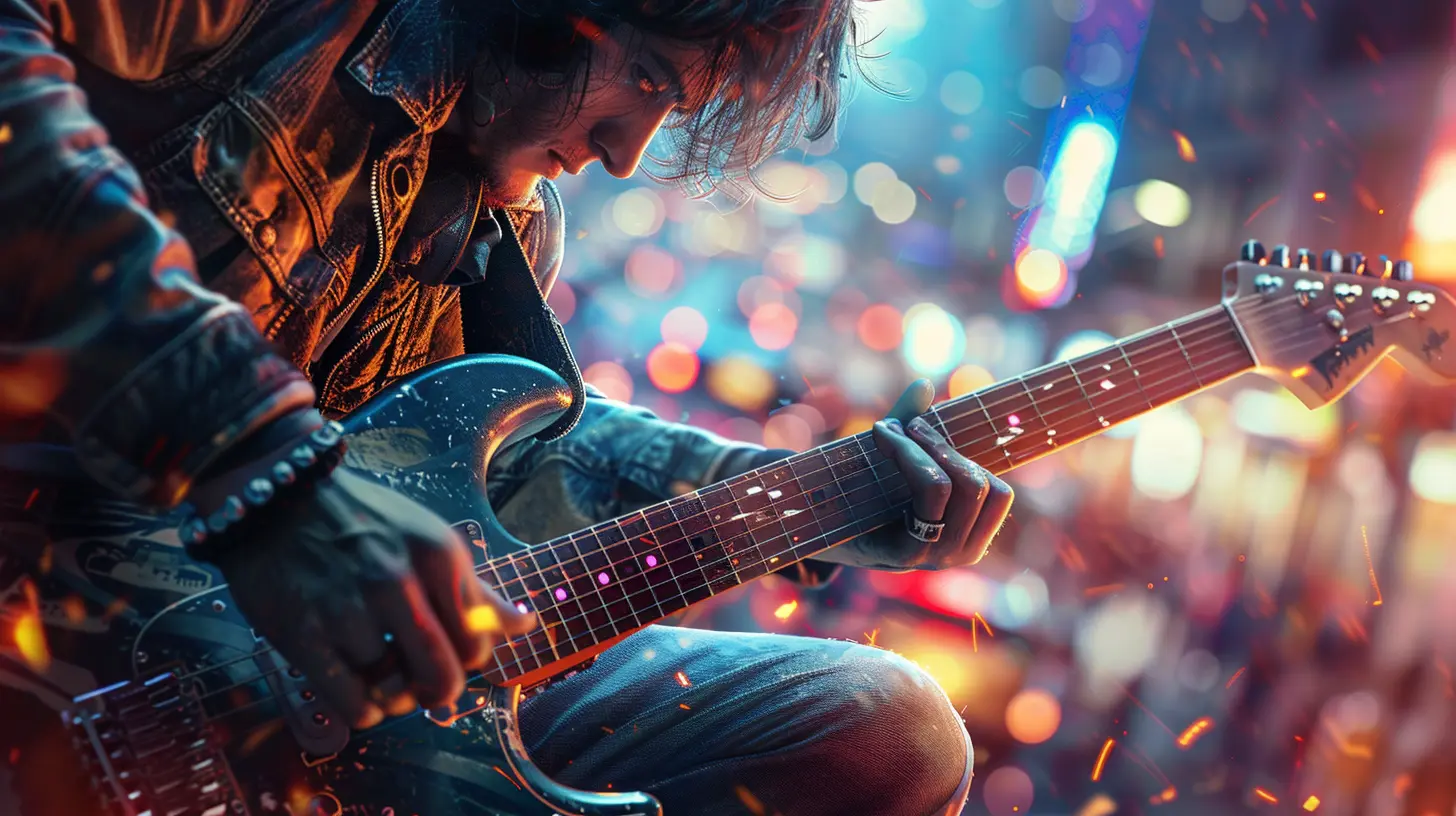
From Background Noise to Center Stage
Back in the early days of gaming – think 8-bit beeps and chirpy loops – music was more about functionality than flair. It had to be catchy, sure, but also loop seamlessly without getting annoying. Composers like Koji Kondo (yep, the guy behind Super Mario Bros and The Legend of Zelda) had to work miracles within tight technical constraints. It was like painting the Mona Lisa with an Etch A Sketch.But even with those limitations, something magical happened. Gamers connected emotionally with these tunes. And as game hardware evolved, so did the music. We went from simple chip tunes to sweeping orchestral pieces and full-blown rock, electronic, and jazz scores that could rival the biggest film productions.
The Growing Fanbase
Let’s face it—video game music isn’t just for gamers anymore. It’s made its way into fitness playlists, study sessions, and lo-fi gaming chill mixes. Gaming soundtracks rack up millions of streams. Heck, Spotify and Apple Music now feature curated game music playlists that rival pop charts.This shift shows just how passionately people feel about game music. And with more exposure comes more respect. It's not just background sound anymore—it's cultural gold.
Composers That Rocked Their Way Into Fame
Game composers are no longer anonymous names tucked into game credits. Many have become music icons in their own right, just like traditional rock stars. Some—quite literally.Yoko Shimomura
Talk about range. Shimomura is the genius behind the soundscapes of Kingdom Hearts, Street Fighter II, and Final Fantasy XV. Her compositions have moved players to tears and sent orchestras touring worldwide. She's revered in the gaming world, but she’s also adored by music lovers in general.Nobuo Uematsu
If game composers had a Mount Rushmore, Uematsu would be chiseled on it. His work on Final Fantasy is legendary. He’s toured globally with orchestras, headlined music festivals, and even has a rock band (The Black Mages) that turns his classic game themes into heavy metal masterpieces. You read that right—he went full rockstar mode.Austin Wintory
Ever played Journey? That ethereal, emotional rollercoaster wouldn't be the same without Wintory’s haunting score. His work was even nominated for a Grammy—a first for video game music. Now that’s a serious mic drop.Mick Gordon
On the other end of the spectrum, Mick Gordon brought the intensity of metal to the Doom reboot’s soundtrack. It's brutal, it's fast, and it's unapologetically loud. It blends the worlds of hardcore rock and gaming so perfectly, you'd think they always belonged together.
Game Concerts: The New Rock Arenas
Remember when game music performances were just niche events for diehard fans? Not anymore. Today, orchestras like "Video Games Live" and "Distant Worlds" pack venues across the globe. These concerts aren't just playing background music—they're events.People cry. People cheer. Cosplayers show up like it's Comic-Con. It feels like a rock concert… because, in many ways, it is.
These events highlight how much of a cultural impact game music has. They elevate composers into performers, and their music into experiences. For many fans, hearing their favorite theme live is like watching their favorite band perform a classic hit.
Streaming Stardom
Oh, and let’s not forget the internet. Platforms like YouTube, Twitch, and TikTok have given game composers the same kind of reach that rock bands traditionally had through radio and MTV. Some of these composers have millions of subscribers. Their music is remixed, covered, and shared endlessly. Sound familiar? That’s exactly what happened during rock’s golden age.
Collabs, Crossovers, and Chart Toppers
This may surprise you, but many modern game composers are collaborating with well-known pop and rock artists, blurring the lines even more.Take Death Stranding, for example. Hideo Kojima’s game had a soundtrack featuring Low Roar, CHVRCHES, and Bring Me The Horizon. These aren't just filler songs—they’re integrated into gameplay and story moments, creating a musical experience that’s as important as the gameplay itself.
And then there’s Cyberpunk 2077, which brought in artists like Grimes and Run the Jewels to not only contribute music but actually appear in the game as characters. It’s not just a crossover—it’s a full-blown merger.
The Rockstar Lifestyle (Minus the Hotel Trashing)
While game composers might not be out there wrecking hotel rooms or throwing TVs out of windows (thankfully), they’re living the creative dream.They’re independent artists with devoted fans, worldwide recognition, and platforms that let them share their art directly. Many even take their music on tour, sell merch, and headline at conventions. They run Patreon accounts, lead music production studios, give masterclasses, and collaborate with top-tier artists.
Basically? They’ve built brand empires—just like any modern rock star.
Why Gamers Are the Best Fans
Let’s be honest—there’s something different about gamers. They’re loyal. Passionate. Super engaged. When they love something, they don't just listen to it—they live it.Game music connects on a deeper level because it's woven into the experience. Think about it: How often does a song bring back memories of an epic boss fight or the emotional end of a game? It’s not just background sound—it’s the emotional glue of the whole experience.
That emotional bond is what transforms game composers into beloved icons. These fans aren’t just passive listeners—they’re part of the journey.
The Future: Harmonizing Worlds
So, where is this all heading?We’re already seeing a fusion. Game companies are hiring big-name artists. Film composers are composing games, and game composers are scoring films and shows.
Virtual concerts inside games—like Ariana Grande in Fortnite—only push the envelope further. It’s no longer about who belongs to what industry. It’s about who can create unforgettable experiences—whether it’s on a stage, in a game, or both.
Eventually, the term “game composer” might just be another genre of mainstream music. And honestly? That would be a win for everyone.
Final Thoughts
The line between game composers and rock stars isn’t just blurry—it’s basically gone. Game composers are the new-age rockstars, fusing technology, emotion, and storytelling into powerful symphonies that resonate with millions.So, next time you boot up a game and hear that heart-pounding theme… take a moment. You might just be listening to the next musical legend.
Who knows? Maybe it’s time to add a few more game tracks to your playlist. Welcome to the future of music—where gaming and rock and roll share the same stage.
all images in this post were generated using AI tools
Category:
Game SoundtracksAuthor:
Audrey McGhee
Discussion
rate this article
1 comments
Reese Kline
This is such an interesting topic! It's cool to see game composers getting the recognition they deserve. Their music really brings our favorite games to life, just like rock stars do.
July 10, 2026 at 3:10 AM
Audrey McGhee
I completely agree! Game composers truly elevate the experience, making their work just as impactful as any rock star's.