Tech Issues and How They Impact Competitive Gaming Outcomes
5 May 2026
Competitive gaming—or esports as we know it—has grown into a massive global phenomenon. We're talking multi-million-dollar tournaments, sponsorship deals, and fan followings that rival mainstream sports. But with all the hype and high stakes, there's a pesky little gremlin always hiding in the shadows—tech issues.
Whether it's a sudden frame drop in the middle of a heated match or a mysterious disconnect just when someone’s about to snag the win, technical problems can flip the outcome of a game faster than you can say "lag spike." In a world where milliseconds matter, one glitch isn’t just annoying—it can cost someone a championship.
In this article, we’re going deep into the world of tech problems in competitive gaming. We'll break down what causes them, how they impact players and tournaments, and what can be done to prevent them.
The High-Stakes World of Competitive Gaming
Let’s not sugarcoat it: esports is intense. Players train for hours a day, teams invest in coaching, analysts, and infrastructure, and the prize pools? They're enough to make any gamer’s jaw drop. Think millions of dollars, life-changing sponsorships, and international fame.So when a game is won or lost due to a technical hiccup rather than skill, it doesn’t just hurt a player’s pride—it can mess with careers.
Common Tech Issues That Disrupt Competitive Gaming
Alright, let’s get into the meat of it. Here are the most common technical problems you’ll see in competitive gaming:1. Lag (Network Latency)
Ah yes, the dreaded lag. Nothing ruins a clutch play faster than your game freezing at the worst possible second. Lag is all about delay—usually caused by poor internet connections, server overloads, or dips in bandwidth.2. Packet Loss
Imagine you're giving rapid-fire instructions in a team chat, but every third word gets cut off. That’s packet loss. In gaming, this can cause characters to stutter, actions to not register, and the overall flow of the match to fall apart.3. Server Crashes or Downtime
Servers crashing mid-tournament? Not only does it halt the action, but it can also break players’ focus and momentum. Even worse, replaying a game removes the spontaneity and intensity of the original moment.4. Hardware Failures
Controllers disconnecting, monitors blacking out, or PCs overheating—all recipes for disaster. These issues especially hurt players who rely on specific gear setups to perform at their peak.5. Frame Drops and Stuttering
In competitive shooters like CS:GO or Valorant, smooth visuals equal better aim. When the frames start dropping, even just for a second, it can throw off timing and make players miss shots they’d normally land.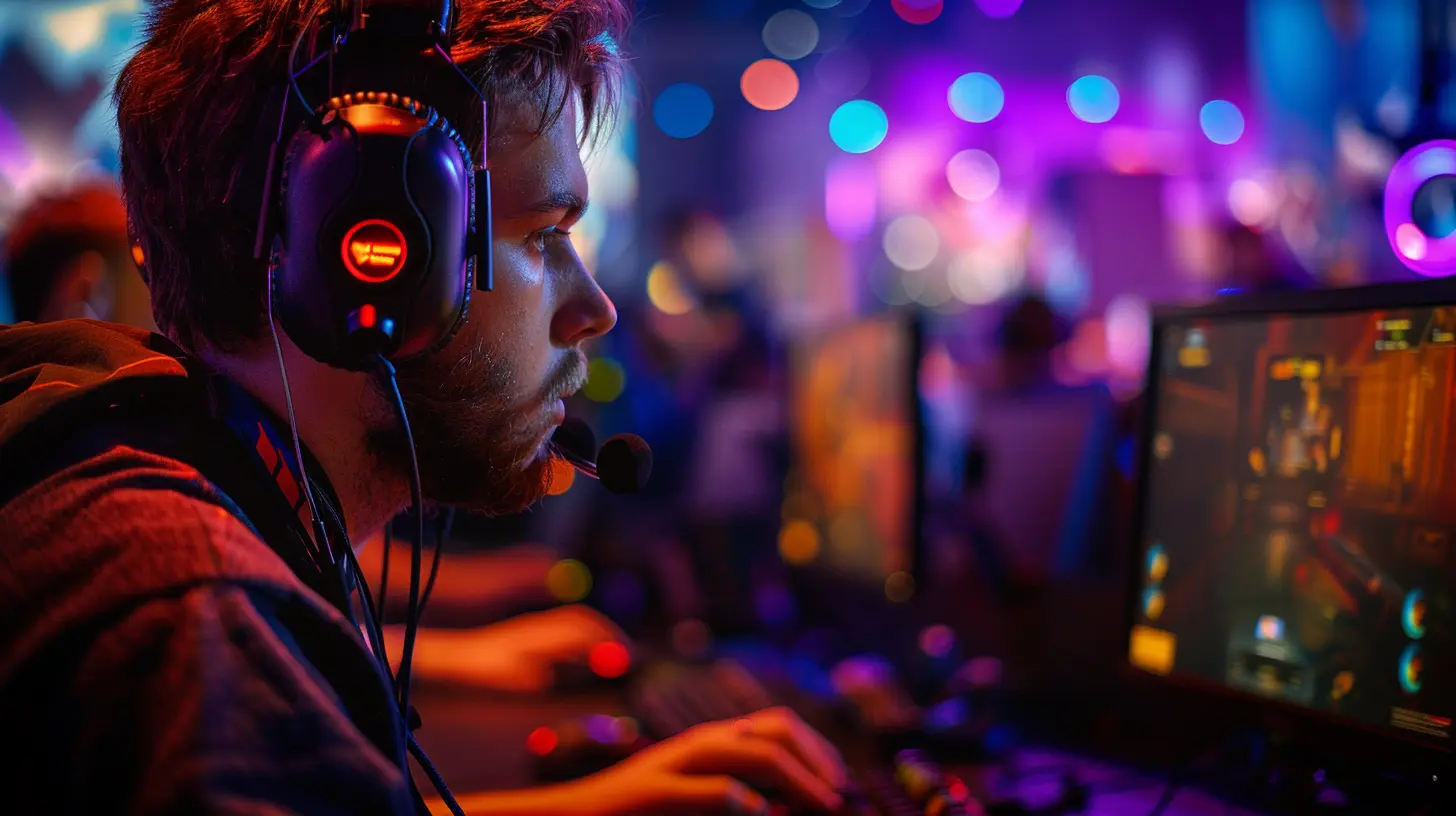
Real-Life Examples: When Tech Went Wrong
It’s not just theory—tech issues have caused actual chaos in major tournaments.Remember the 2018 Dota 2 International? There were multiple pauses due to software bugs, forcing players to stop and reset mid-game—disrupting strategies and nerve control.
Or how about the infamous Overwatch League match where a player's PC crashed during a team fight? His team lost that key engagement, and the match spiraled from there.
These aren’t just “oopsies” you laugh off. They impact results. And let’s not forget the backlash—both from fans and teams.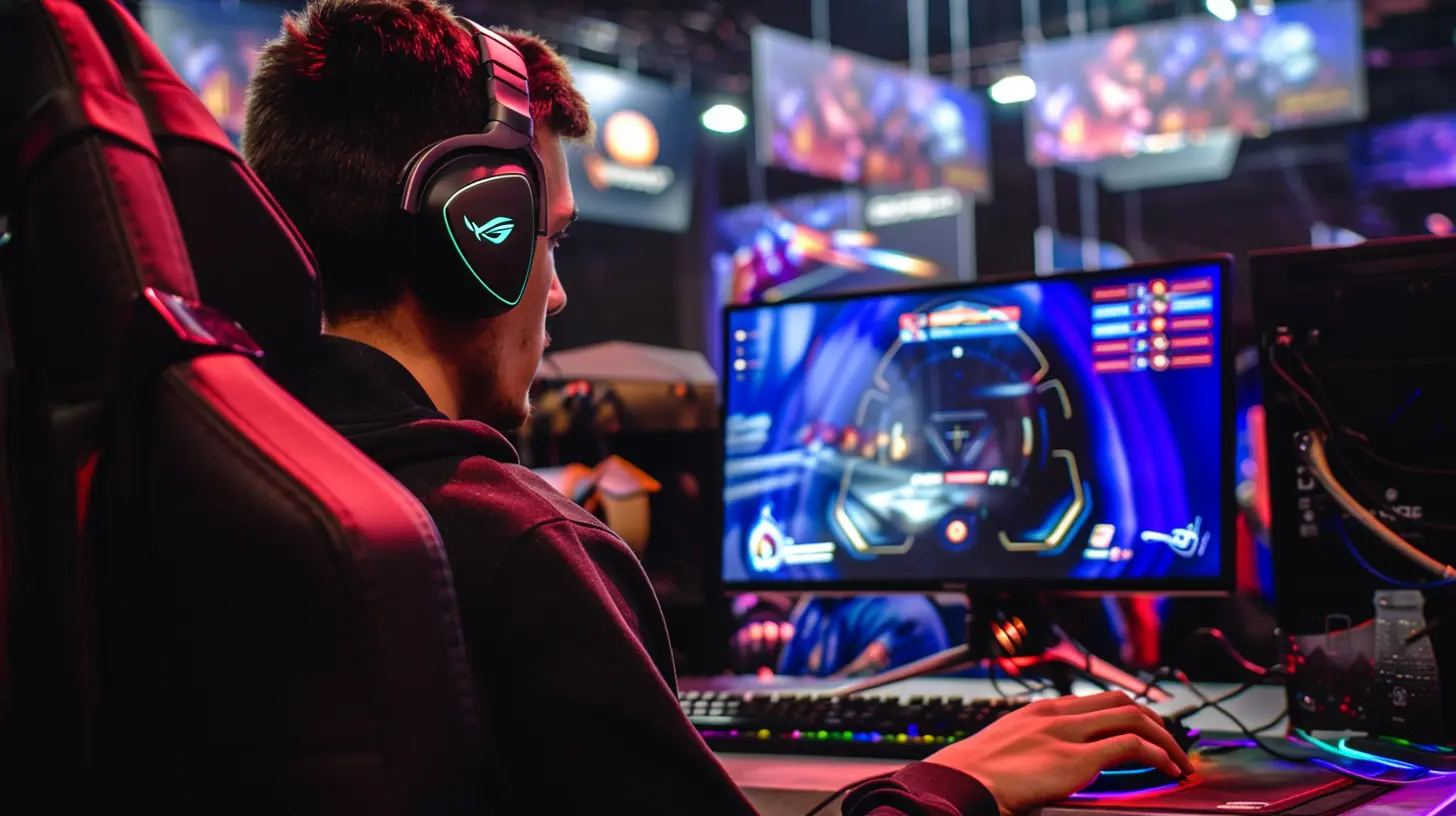
How Do Tech Issues Impact Players?
Now let’s talk about the people behind the keyboards.Momentum Breakers
Esports is a game of mental endurance. A sudden pause or reset can seriously break a player's rhythm, especially if they were on a roll. It’s like watching a soccer striker pause mid-penalty because someone ran onto the field.Trust Issues
When players can’t rely on the game to run smoothly, it creates psychological pressure. You’re not just fighting the enemy team—you’re also silently praying your screen doesn’t freeze during a firefight.Mental Fatigue
Constant reconnects, delays, or bugs force players to stay mentally alert far longer than they should. That leads to mistakes, missed calls, and burnout.Tournament Organizers: Walking a Tightrope
You think players have it tough? Try being the one behind the scenes.Organizers are responsible for lighting-fast servers, high-end rigs, backups, power systems—you name it. But even one small oversight can derail the whole event.
Damage to Reputation
A poorly handled tech issue can lead to backlash from both fans and sponsors. No one wants their brand associated with a “broken” tournament.Scheduling Nightmares
Ever tried rescheduling a match with 10 international players, shoutcasters, camera crews, and a live audience watching? It's like herding cats… with a stopwatch ticking.Viewers Get Frustrated Too
Let’s not forget the fans. Watching a match get paused over and over again? That’s like watching your favorite movie with someone hitting pause every two minutes. It kills the vibe.A smooth broadcast makes esports feel professional and polished. Glitches, on the other hand, scream "amateur hour."
Fixing the Glitch in the Matrix: Possible Solutions
Thankfully, not all hope is lost. There are ways to tame the tech beast.1. Dedicated LAN Tournaments
When possible, LAN setups minimize latency and connection issues. Everyone’s on the same local network, and it gets rid of most annoying online problems.2. Better Server Infrastructure
Investing in high-performance servers with automatic failover can help prevent major crashes. Think of it as the digital version of a spare tire—essential when things go south.3. Standardized Hardware
Making sure all players compete on identical, tested setups reduces the chance of hardware-based issues. Pro teams often bring their own keyboards, mice, and even headphones for comfort and reliability.4. Real-Time Tech Support
Tournaments should always have a squad of tech pros on standby. If something goes wrong, they need to jump in faster than a healer in a last-minute team fight.Should Matches Be Replayed After a Tech Glitch?
This is where things get spicy.Some folks argue that if a glitch affects a player, the match should be restarted. Others say, “Hey, that's just part of the game.”
Truth is, there’s no one-size-fits-all answer. It depends on the severity of the issue, how much of the match was played, and whether both teams were affected equally.
Still, transparency and consistency in decision-making go a long way in avoiding drama.
All About Ethics and Fairness
Here's a question: Should a win still count if tech problems tilted the match?Most pro circuits have rules in place, but the line between "unfortunate" and "unfair" can get blurry real fast. Ensuring fairness isn’t just about the spirit of the game—it’s about maintaining trust in the competitive scene.
If players don’t feel like they’re competing on a level playing field, the legitimacy of the esport takes a hit.
Conclusion: Tech Issues Aren’t Going Anywhere—But We Can Manage Them
In the grand scheme of esports, tech issues are like weather delays in baseball. Annoying? Yes. Avoidable? Sometimes. Game-changing? Absolutely.With better planning, tech support, and infrastructure, we can reduce their impact. But let’s be real—they’ll never fully go away. The goal, then, isn’t perfection. It’s preparation.
So next time you see a pause in your favorite tournament, cut the players some slack. Behind the scenes, someone’s probably fighting a very real boss battle—with cables, routers, and overheating CPUs.
all images in this post were generated using AI tools
Category:
Gaming TournamentsAuthor:

Audrey McGhee
Discussion
rate this article
2 comments
Lillian McPhee
Tech issues are not just minor annoyances; they can completely alter competitive outcomes. Players deserve a level playing field. It's time developers prioritize stability over flashy features to ensure fair competition. This is non-negotiable.
June 13, 2026 at 3:00 AM
Audrey McGhee
I completely agree. Stability is essential for fairness in competitive gaming. Developers must focus on delivering reliable experiences to ensure a true level playing field.
Weston Kane
Great insights on tech issues! Understanding their impact is crucial for leveling the playing field in competitive gaming. Keep up the good work!
May 7, 2026 at 2:41 AM
Audrey McGhee
Thanks for your support! I'm glad you found the insights valuable. Staying informed is key in this fast-paced world.