Pay to Win and Its Impact on Esports Integrity
18 July 2026
Esports has skyrocketed in popularity over the past decade, turning what used to be casual gaming into a global phenomenon with million-dollar tournaments, massive audiences, and pro players becoming household names. But as the stakes rise, so do the concerns—and one big issue that's been creeping in is the dreaded “pay to win” (P2W) concept. If you’ve ever played a competitive game and felt like someone’s wallet had a better shot at winning than your skills, you know exactly what we’re talking about.
Let’s dive deep into what pay to win really means, how it affects esports, and why it’s shaking the foundation of fair competition.
What Does "Pay to Win" Actually Mean?
First off, let’s clear up what pay to win is. In simple terms, it's when players can buy in-game items, advantages, or abilities with real money that give them a leg up over others who haven’t spent cash.These advantages aren’t just cosmetic (like that slick golden outfit). No, we’re talking about gear that boosts your stats, characters that are objectively stronger, or even shortcuts past grinding for skills and resources. So in a nutshell—paying money = better performance = winning more often.
Now imagine that in a competitive, professional esports setting. Yeah… not so fair, is it?
The Rise of P2W Mechanics in Popular Games
Now, not all games fall into this trap. Some devs get it. But others seem to be walking a fine line between monetization and maintaining balance.You’ll usually see P2W elements in mobile games, but even some PC and console games have started dabbling. Games like FIFA’s Ultimate Team, certain MOBAs, and even some shooters have been accused of offering unfair advantages to players who spend real-world currency.
Here’s what happens when this bleeding over into competitive gaming starts to scale: The lines between skill and spending disappear, and suddenly, your game isn’t about being the best player. It’s about being the best payer.
Why Fair Play Matters in Esports
Esports is pretty much just sports with headsets. You wouldn't let a soccer team buy goals, right? Or imagine if F1 drivers could pay to start 10 spots ahead.Fair play is the beating heart of competitive gaming. The thrill comes from watching players compete on equal footing, where reactions, strategies, and teamwork determine the outcome—not their bank accounts.
When that balance tips, the game becomes less about competition and more about commerce. It chips away at the integrity of tournaments and the trust of the fans, and let’s be real—it just kills the vibe.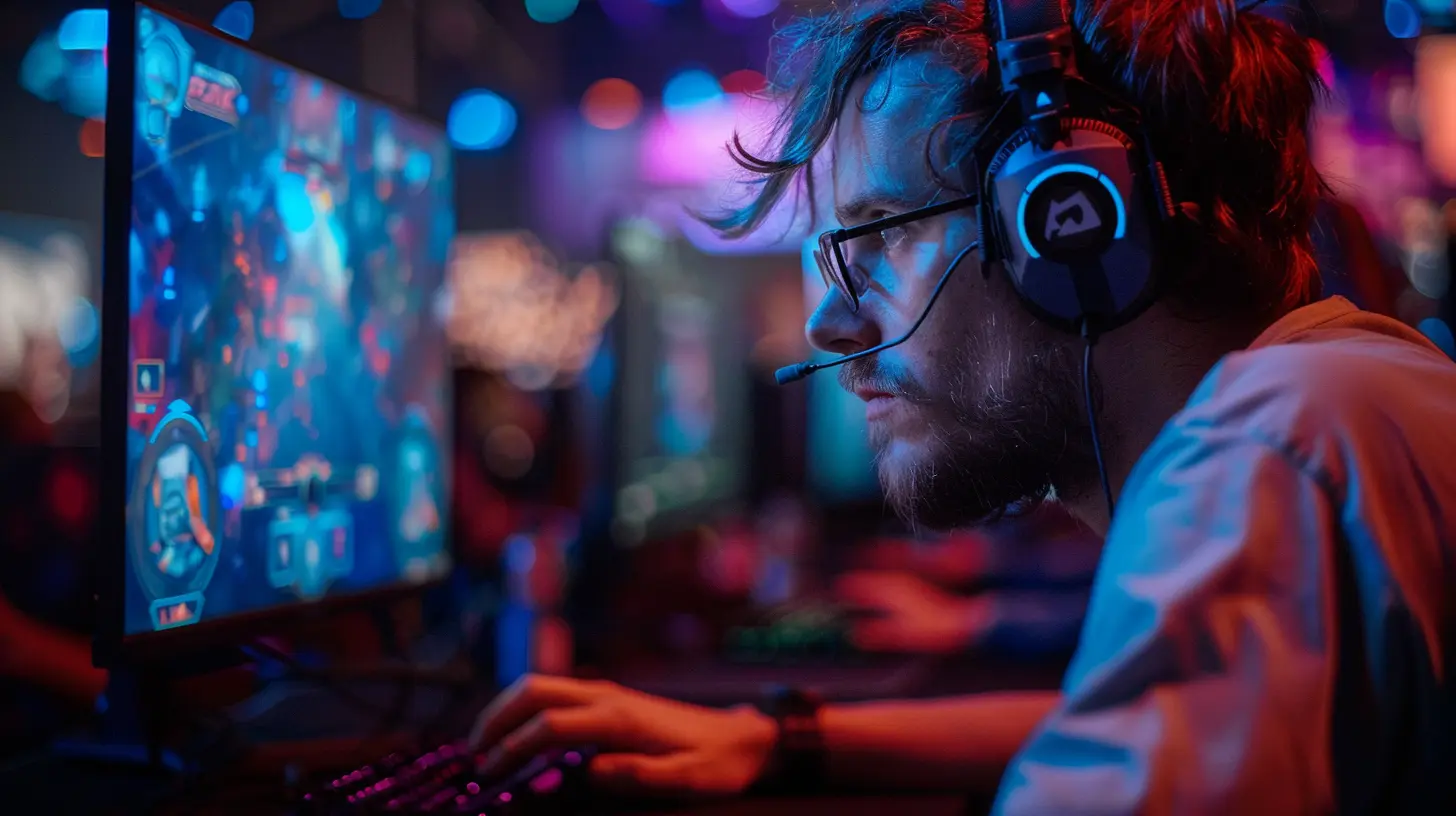
How P2W Distorts the Competitive Landscape
1. Skill Becomes Secondary
Pay to win flips the entire premise of esports on its head. Imagine grinding thousands of hours to master mechanics, perfecting strategies, and then losing to someone who just dropped their paycheck on better gear. It’s infuriating—and demoralizing.Skill doesn’t matter as much anymore if someone can just buy their way to the top. This discourages true competitors and dilutes the talent pool.
2. Barrier to Entry Gets Higher
For newcomers wanting to break into esports, P2W can make things ridiculously difficult. If the cost of being competitive involves both time and money, many simply won’t bother. That means fewer fresh faces entering the scene, and eventually, a stale competitive environment.3. Audience Skepticism Grows
Esports fans are passionate and smart. They know when a match feels off or when a player suddenly skyrockets in performance after unlocking premium features. When outcomes start to look like they’re influenced by microtransactions, fans lose interest and faith. Trust is hard to earn—and easy to lose.The Slippery Slope of Monetization
Look, we get it—developers need to make money. Running servers, creating content, and maintaining a game isn’t free. But there’s a huge difference between monetizing a game smartly and selling wins.Cosmetics? Totally cool. Season passes? Sure, if they don’t unbalance the game. But when monetization starts messing with the core mechanics of fairness, it’s time to pump the brakes.
It’s a slippery slope. One moment it’s “just a small boost,” and next thing you know, tournaments are won by whoever’s got the deepest pockets.
Current Examples That Raised Eyebrows
Let’s talk real examples. Games like:- FIFA (Ultimate Team): Packs that give access to better players create massive imbalance unless you pour in real cash.
- Clash Royale: Leveling up cards with money can offer a serious edge in competitive ladder play.
- Gacha Games (e.g., Genshin Impact): Although not officially “esports,” their competitive events can be heavily swayed by a player’s wallet.
These games walk the thin line between fun and frustration. They often start fair, but as progression slows, the temptation to spend money becomes not just optional—but expected.
Esports Organizations and the Response So Far
To their credit, some esports organizations and tournament hosts have taken a stand. Many only allow standardized versions of games or place restrictions on what can be used during competition. This helps level the playing field and keeps things fair.Some developers have also created “tournament modes” with controlled settings, where everyone has access to the same gear or characters. This is essential. It ensures that the competition is about skill and team synergy, not shopping carts.
Still, it’s not a perfect system. The base game experience feeds into how players practice, rank up, and get scouted. If that training ground is pay-to-win, the damage has already been done before the tournament even begins.
The Psychological Toll on Players
Let’s not overlook what this does to the mindset of gamers. Constantly playing in an environment where spending matters more than skill can be incredibly disheartening.Frustration builds. Burnout follows.
Some players feel forced to spend just to keep up, turning their passion into a financial burden. It also sends a dangerous message to younger players: “Winning isn’t about hard work, it’s about how much you’re willing to spend.”
That’s not just bad for esports—it’s bad for gaming culture in general.
Can We Fix It? (Hint: Yes, But It’ll Take Work)
Pay to win doesn’t have to be the end of esports integrity. But it does require action from all sides—developers, organizers, players, and even fans.Developers Need to Prioritize Balance
Game makers should be building systems that reward skill. Monetization can still exist—plenty of fair, free-to-play games manage this (like League of Legends or Apex Legends). The key is separating progress and power from purchasing.Tournaments Must Enforce Fair Standards
Esports organizers should create defined rules that prevent P2W elements from impacting matches. Even better? Help promote only those games that stick to fair play principles.The Community Should Speak Out
Gamers are a loud bunch (and we mean that in the best way). Calling out unfair mechanics, supporting ethical games, and holding companies to higher standards can move the needle. The louder the chorus, the harder it is to ignore.The Future of Esports Without P2W
The best part? There’s still hope.Many games continue to thrive with healthy competitive scenes and no P2W mechanics in sight. Think of Counter-Strike: Global Offensive, Dota 2, Rocket League—games where whoever wins, earned it.
That future is possible across the board. We just have to demand it.
Imagine a world where the next esports champion isn’t the one with the fattest wallet, but the one who's pulled all-nighters grinding, learning, and practicing their craft. That’s the dream worth fighting for.
Final Thoughts
At the heart of esports is the idea that anyone, anywhere, can rise to the top with talent and dedication. Pay to win threatens that dream. It turns the arena into an auction, where only the highest bidders compete.But it doesn't have to be that way.
With awareness, responsibility, and a little community fire, we can push esports back on course. Let’s keep the game about the players—not the payments.
all images in this post were generated using AI tools
Category:
Pay To Win GamesAuthor:

Audrey McGhee