Legacy Racing Games That Shaped Today's Genre
8 December 2025
Racing games have been a staple of the gaming world for decades, captivating players with their adrenaline-pumping action, stunning visuals, and competitive spirit. But let’s hit the brakes for a moment and take a trip down memory lane. Have you ever wondered how we got to hyper-realistic racers like Forza Horizon or Gran Turismo 7? It wasn’t an overnight success. The racing genre evolved through trial and error, innovation, and the creativity of game developers who laid the groundwork. Today, we’re diving into the legacy of racing games that have shaped the genre into what it is now. Buckle up—it’s going to be a thrilling ride!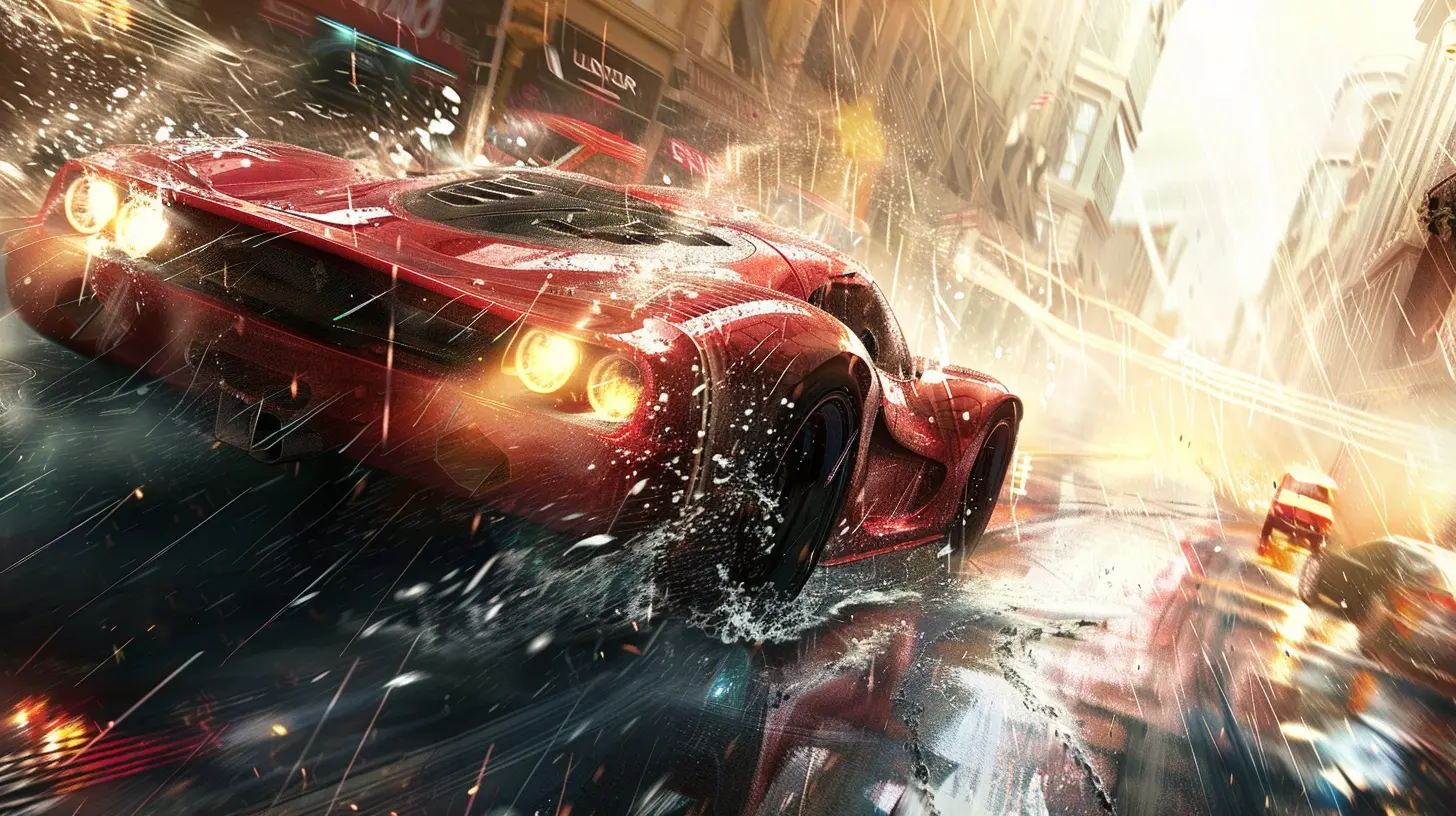
The Emergence of Racing Games: A Retro Perspective
Picture it: the early '70s. Arcade games were just emerging, and nobody knew they’d spark an entire cultural phenomenon. Racing games started with simplicity at their core but managed to capture the imagination of players.Atari’s "Gran Trak 10" (1974): The First Lap
You can’t talk about legacy racing games without giving a shoutout to Gran Trak 10. This game turned heads as the first-ever racing arcade game. It was a top-down racer, and while the graphics were as basic as stick drawings, the gameplay introduced us to steering wheels, pedals, and gear shifters. Believe it or not, these mechanics were revolutionary for the time!Was it a technical marvel? Not exactly, but Gran Trak 10 sparked the idea that racing games could be immersive and tactile experiences. Without this groundbreaking moment, would we even have steering-wheel controllers today? Doubt it.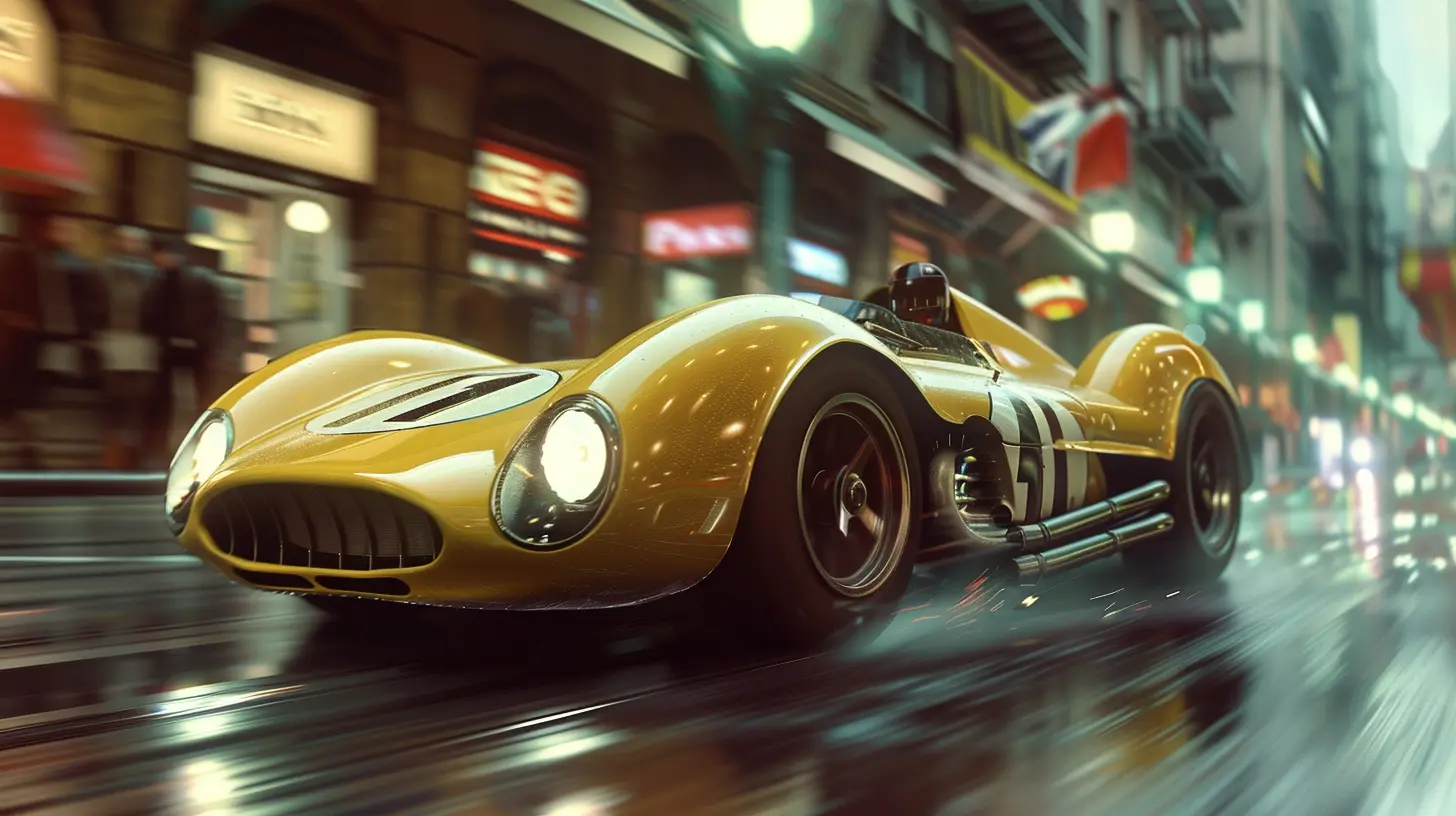
The Golden Era of Arcade Racers
Fast forward to the '80s and '90s—the golden age of arcade gaming. Developers started cranking out racing games that weren’t just about who could cross the finish line first. These games had style, speed, and a splash of innovation.Pole Position (1982): The Grandfather of Modern Racing Games
If Gran Trak 10 walked so others could run, then Pole Position sprinted right out of the gate. Developed by Namco, it was the first racing game to feature race tracks based on real-world circuits. Plus, it introduced the concept of qualifying laps. What’s cooler than that?Think of Pole Position as the trailblazer for blending realism with gameplay. Its cockpit view and pseudo-3D graphics made you feel like you were truly on the track. This sense of immersion became a hallmark of future racing games. Imagine speeding down today's hyper-realistic courses without Pole Position’s influence—impossible, right?
OutRun (1986): Style Meets Speed
While most racing games were fixated on competitive circuits, Sega’s OutRun took a detour. Instead of tight, technical tracks, it emphasized the joy of driving. Think exotic cars, scenic routes, and a killer soundtrack. It was less about beating your opponent and more about vibes.The branching paths and time-based objectives were ahead of their time. Plus, doesn’t cruising down winding roads in a Ferrari with synthwave blasting in the background sound like a dream? OutRun proved that racing games could be stylish and emotionally engaging, not just adrenaline-filled white-knuckle rides.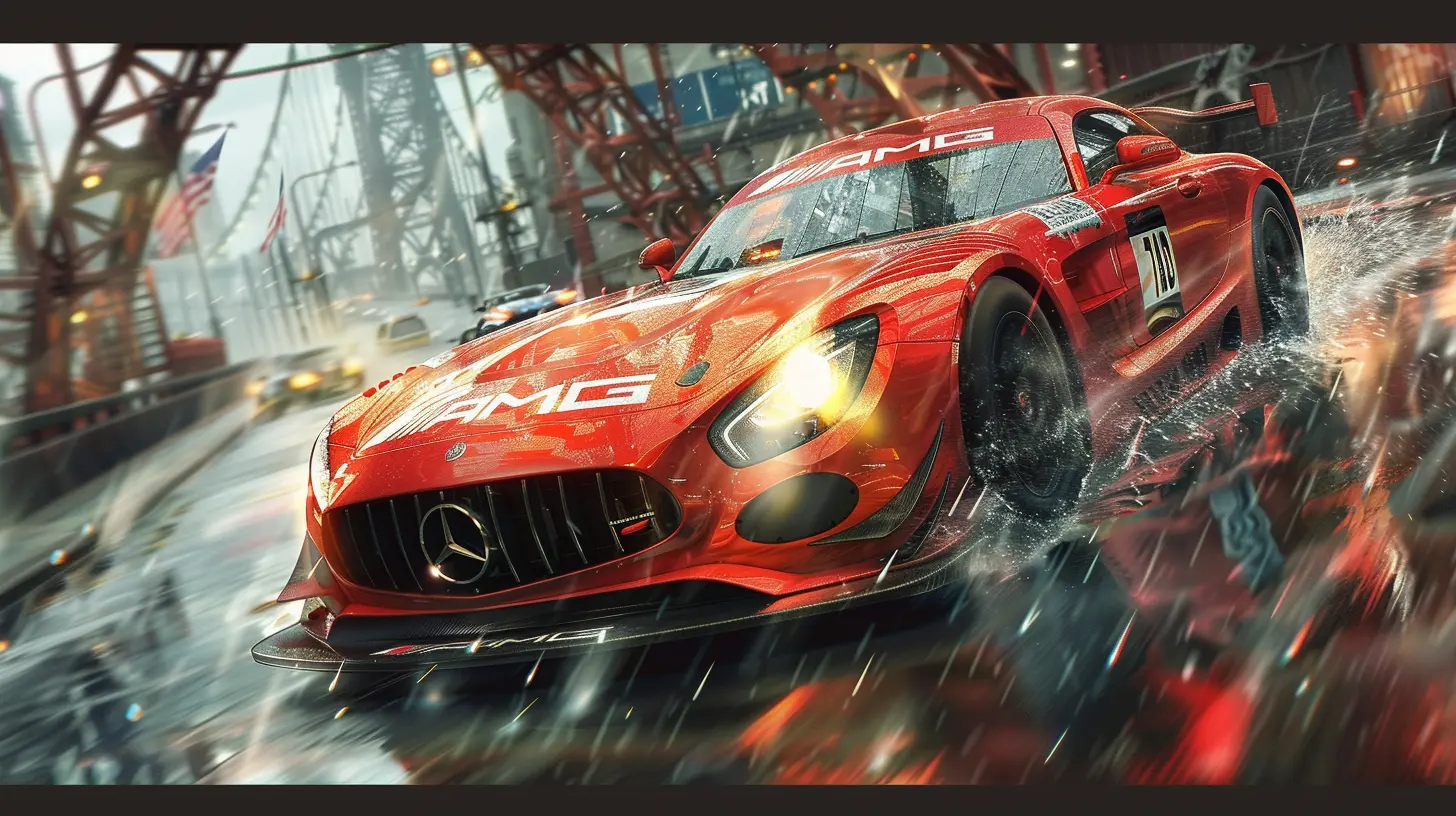
Evolution Through the Console Wars
The '90s brought about a shift. As consoles became the norm, racing games transitioned from the arcades to living rooms. This era saw experimentation, innovation, and the birth of some legendary franchises.Super Mario Kart (1992): The Birth of Kart Racing
Let’s admit it—kart racing deserves its own spotlight, and Super Mario Kart is the undisputed king. Nintendo flipped the script by blending racing mechanics with power-ups, unique characters, and colorful, chaotic tracks.It wasn’t just about speed; it was about strategy. Who doesn’t remember the sheer satisfaction of hitting your friend with a red shell moments before they crossed the finish line? Super Mario Kart laid the foundation for an entirely new subgenre of racing games that’s still thriving today (Mario Kart 8 Deluxe, anyone?).
Gran Turismo (1997): Realism Redefined
Here’s where things took a serious turn. Sony’s Gran Turismo wasn’t messing around—it was a love letter to car enthusiasts. With its realistic physics, a massive roster of cars, and detailed tracks, it became a benchmark for simulation racing games.This wasn’t just a game; it was an education. Players learned about torque, tire grip, and the subtle differences between cars. Gran Turismo set the bar for what racing simulations could achieve and proved that “reality” was just as thrilling as “arcade fun.”
The Street Racing Craze
The early 2000s brought street racing into the limelight. Fueled by the rise of movies like The Fast and the Furious, racing games embraced underground culture, nitrous boosts, and neon lights. It was a wild time for the genre.Need for Speed: Underground (2003): Customization Revolution
Let’s be honest—nothing screams “2000s nostalgia” quite like Need for Speed: Underground. It wasn’t just about racing; it was about building your dream car. From spoilers to neon underglow, the level of customization was unmatched at the time.Underground nailed the thrill of illegal street racing with its urban nightscapes, heart-thumping soundtrack, and cinematic storytelling. It was as much about style as it was about speed. Many of today’s racing games borrow heavily from the customization options this gem introduced.
The Online Multiplayer Boom
As online gaming gained traction, racing games evolved to embrace multiplayer experiences. This wasn’t just about beating AI anymore; it was about proving you were the fastest player on the planet.Forza Motorsport (2005): A Challenger Appears
Microsoft’s Forza Motorsport was a direct rival to Gran Turismo, and boy, did it deliver. The franchise focused on blending realism with accessibility, making sure both hardcore gearheads and casual players could enjoy the ride.But here’s where it stood out: multiplayer. Forza Motorsport embraced online connectivity, allowing players to race against real opponents, share custom paint jobs, and even create their own tuning setups. It pushed the genre into the modern online era.
Open Worlds and Modern Masterpieces
In recent years, racing games have shifted gears yet again. The focus isn’t just on tracks but entire worlds. This open-world approach has redefined how players interact with racing games.Burnout Paradise (2008): Chaos and Creativity
What if a racing game let you do whatever you wanted? That’s the premise behind Burnout Paradise. It ditched linear tracks in favor of an open-world playground filled with ramps, shortcuts, and opportunities for insane crashes.The idea of exploration in a racing game wasn’t new, but Burnout Paradise perfected it. Whether you were competing in a race or just goofing off with friends, it was the ultimate sandbox experience. Sound familiar? Games like Forza Horizon owe a lot to this masterpiece.
Forza Horizon (2012-Present): A Genre Reborn
Speaking of Forza Horizon, it’s hard to ignore the franchise’s impact on the modern racing genre. Combining open-world freedom with impeccable car handling, it’s the perfect blend of arcade and simulation. Each installment takes players to stunning locations like Australia, the UK, and Mexico, proving that racing isn’t just a competitive sport—it’s an adventure.The Legacy Lives On
From the pixelated charm of Gran Trak 10 to the open-world marvels of Forza Horizon, racing games have come a long way. Each era brought its own set of innovations, pushing the genre forward while maintaining the core thrill of speed.What’s next? Only time will tell. Perhaps we’ll see VR racing games that truly make us feel the wind in our hair or AI opponents that adapt to our playstyles. One thing’s for sure: the legacy of these trailblazing games will always be at the heart of whatever comes next.
all images in this post were generated using AI tools
Category:
Racing GamesAuthor:

Audrey McGhee
Discussion
rate this article
3 comments
Soryn Soto
Great read! It's amazing to see how these legacy games continue to influence today’s racing genre!
February 27, 2026 at 4:02 AM
Audrey McGhee
Thank you! I'm glad you enjoyed the article and see the lasting impact of those classic games!
London Bowman
These iconic games paved the way—fueling passion and innovation in racing today!
December 15, 2025 at 4:04 PM
Audrey McGhee
Thank you! Their influence truly set the stage for the innovation we see in today's racing games.
Issac McMahan
Celebrating the pioneers of racing games reminds us of the passion and creativity driving innovation!
December 12, 2025 at 5:16 PM
Audrey McGhee
Absolutely! The pioneers laid the groundwork for today's innovations, showcasing the passion and creativity that continue to fuel the genre.