Is Pay to Win the New Normal in Online Gaming?
23 March 2026
Let’s cut right to the chase—online gaming just isn’t what it used to be. Back in the day, you’d grind for hours, complete missions, level up, and earn your bragging rights. But now? It’s starting to feel like whoever has the biggest wallet wins the game. This brings us straight to the hot-button question: Is Pay to Win (P2W) the new normal in online gaming?
Whether you've noticed players zooming past you with flashy gear or dominating leaderboards without breaking a sweat, it's hard not to feel like the game is rigged. So, let’s dig into the rising trend of pay-to-win mechanics, how it's affecting the gaming world, and whether this is just a passing phase—or the future.
What Does "Pay to Win" Even Mean?
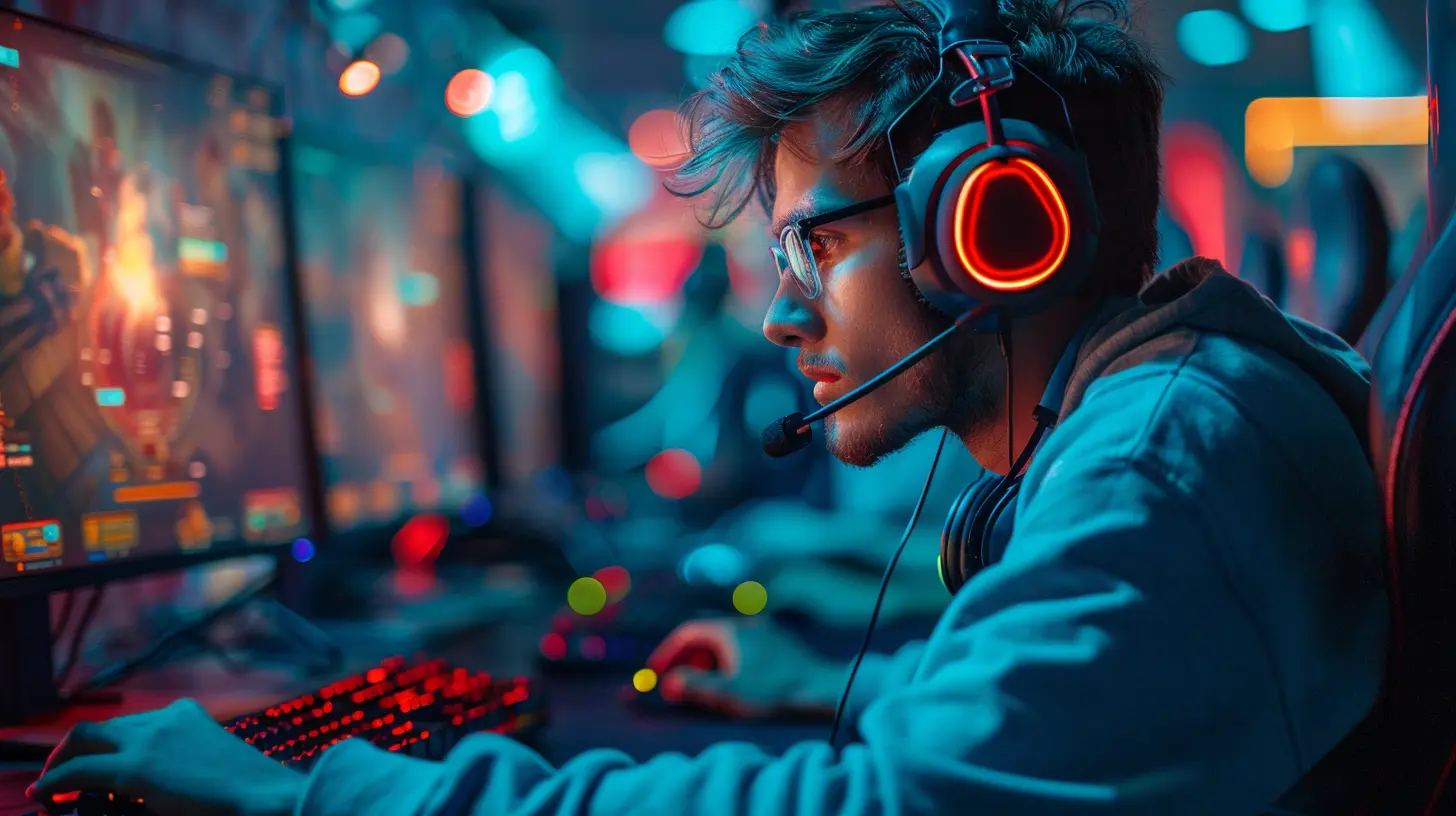
Before we go further, let’s make sure we're on the same page. "Pay to Win" refers to any game where players can gain a competitive advantage over others by spending real money. We're not talking about buying hats or fancy skins here; we mean actual advantages—stronger weapons, faster progression, better gear, you name it.Imagine playing a racing game, and someone else pays to unlock a turbo-charged car that you can’t get unless you either fork over cash or grind for 100+ hours. Sounds unfair, right? That’s the crux of P2W.

How Did We Get Here?
The Shift from Single Purchase to Freemium
There was a time when buying a game meant, well, buying the whole game. You’d pay once and enjoy all the content. But in today’s digital age, games have shifted to the freemium model—free to play, but packed with in-game purchases.Publishers saw the potential to make more money post-launch, and who can blame them? Why settle for a one-time $60 payment when you can keep pulling in revenue month after month?
Microtransactions became the name of the game. And while they started innocently enough—with cosmetic items—things quickly escalated.
Mobile Gaming Was the Gateway Drug
Mobile games were the first to really embrace the P2W model. Titles like Clash of Clans and Candy Crush laid the foundation for frustrating timers, in-app purchases, and premium currencies that gave paying players a clear edge.This strategy worked too well. The mobile gaming industry raked in billions, and soon, PC and console developers wanted a slice of that pie.

The Many Faces of Pay to Win
Pay to win isn’t always obvious. Sometimes it’s subtle, other times it’s in-your-face. Here’s how it usually shows up:1. Power Boosts and Exclusive Gear
Spend some cash, and boom—you’ve got a sword that deals 10x more damage. These types of boosts tilt the competitive balance unfairly.2. Time Skips and XP Multipliers
Games like to test your patience. You grind for hours to level up while someone else just buys an XP boost and rockets past you.3. Loot Boxes and Gacha Mechanics
These are like gambling disguised as fun. Randomly unlocked items can offer massive advantages, and of course, the more you spend, the better your odds.4. VIP Systems and Tiers
Many games offer premium memberships that provide better rewards, faster progress, and exclusive content. It’s like having your own express lane in a world full of traffic jams.
Why Do Players Still Buy In?
We all complain about P2W, yet these games are thriving. So what's the deal? Well...- Time is money: Not everyone has hours to grind. Some folks just want to enjoy the endgame content without the hassle.
- FOMO (Fear of Missing Out): Limited-time items and events push players to spend or risk falling behind.
- Psychological tricks: Developers use clever strategies to nudge you toward that “just one more purchase.”
It’s a mix of convenience, urgency, and a sprinkle of manipulation.
The Domino Effect on Game Design
Here’s the kicker—when devs build games around monetization, it affects everything. Progress becomes slower by design so that spending becomes more appealing. Bosses get tougher. Drop rates shrink. Everything gets tweaked to push you toward the store.It's like selling overpriced umbrellas and then making it rain. And that creates a frustrating loop for free players who feel like they’re running in circles while spenders zoom past.
Does Pay to Win Kill Competitive Integrity?
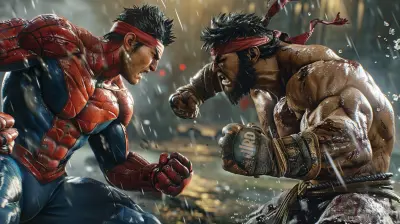
Short answer? Yup.In multiplayer games, P2W wrecks the competitive spirit. It’s like entering a boxing ring only to find your opponent paid for iron fists. Skill takes a backseat when money can bulldoze any challenge. And the moment players realize that winning is more about cash than competence, many simply walk away.
This is especially damaging in esports and ranked matchmaking, where fairness should be the backbone.
Games That Got It Right (and Those That Didn't)
Let’s give credit where it’s due. Some games manage to stay fair without going full P2W.The Good Guys:
- Fortnite: Epic Games struck gold by monetizing purely cosmetic items. No pay-to-play advantage here.- Apex Legends: Similarly, all monetized content is visual—skins, emotes, banners.
- League of Legends: Though criticized in the past, Riot moved toward a more balanced system where performance isn’t tied to spending.
The Offenders:
- Diablo Immortal: Famously called out for its aggressive monetization, with players spending thousands to max out characters.- FIFA Ultimate Team: Packs can make or break your team, and yes, you can buy more packs with real money.
- Mobile Legends and Genshin Impact: While free to play, heavily favor those who spend in gacha pulls and premium upgrades.
The Community’s Response
Gamers aren’t just sitting quietly. Forums, Reddit threads, and YouTube videos are packed with passionate players speaking out against pay-to-win practices.Some developers have even backtracked due to backlash. Remember Star Wars Battlefront II? EA got roasted for its loot boxes and eventually made sweeping changes after mountains of criticism.
Still, it’s a mixed bag. For every company that listens, another doubles down. Why? Because the money keeps flowing.
Where Do We Go From Here?
So, is pay to win the new normal in online gaming? Sadly, it’s looking like it. As long as big bucks are involved, and players keep spending, publishers will keep pushing the envelope.But here’s the silver lining: the more aware we are, the louder we are, the more likely we can demand better practices.
What can you do as a gamer?
- Support fair games with your wallet.
- Leave honest reviews.
- Call out shady monetization.
- Join communities that advocate for balance and fairness.
At the end of the day, we’re not just players. We’re the lifeblood of the industry, and our voices matter more than ever.
Final Thoughts
Pay to win isn’t just a trend—it’s a symptom of a bigger shift in how games are made and monetized. And while it’s tempting to throw up our hands and accept it, we do have power. Game developers follow the money, and if the money leans toward fairness, innovation, and balance, they’ll follow.So, next time you’re tempted to drop $20 on a power-up, ask yourself—is it really worth it?
Or would you rather play a game where victory truly feels earned?
all images in this post were generated using AI tools
Category:
Pay To Win GamesAuthor:

Audrey McGhee
Discussion
rate this article
3 comments
Vex Rosales
Great article! While pay-to-win might be a concern, it's encouraging to see developers exploring balanced models that enhance gameplay without compromising fairness. Let's hope for a future where creativity and skill shine brighter than wallets in online gaming!
April 19, 2026 at 5:10 PM
Audrey McGhee
Thanks for your thoughts! I agree, a balanced approach is key for fostering creativity and skill in gaming. Let's see how developers continue to innovate.
Zain Luna
Great article! It raises important points about the balance between monetization and fair play, highlighting the potential impact on player experience and community.
March 28, 2026 at 4:17 PM
Audrey McGhee
Thank you for your feedback! I'm glad you found the article thought-provoking. Balancing monetization with fair play is indeed crucial for a positive player experience.
Aelith Lynch
While challenges arise with pay-to-win models, the gaming community’s creativity and passion will continue to thrive. Together, we can advocate for fair play and ensure fun experiences for all!
March 25, 2026 at 4:47 AM
Audrey McGhee
Thank you for your insight! I agree—advocating for fair play is essential to maintaining a vibrant and enjoyable gaming community.