How Whales Shape the Economy of Pay to Win Games
9 May 2026
If you're someone who's spent time in the gaming world, especially in mobile or free-to-play games, you've probably heard the term "whales" thrown around. No, we're not talking about the giant creatures swimming in the ocean. In gaming, whales are the big spenders — the players who drop hundreds or even thousands of dollars into a game.
They might be buying cosmetic items, upgrading their characters to god-tier levels, or unlocking content others can only dream of. Their spending habits aren't just making game developers happy; they're literally shaping how games are built, played, and monetized.
In this article, let’s dive deep (pun intended) into how whales influence the entire economy of pay-to-win (P2W) games, and why that matters to the rest of us minnows just trying to enjoy our gaming time.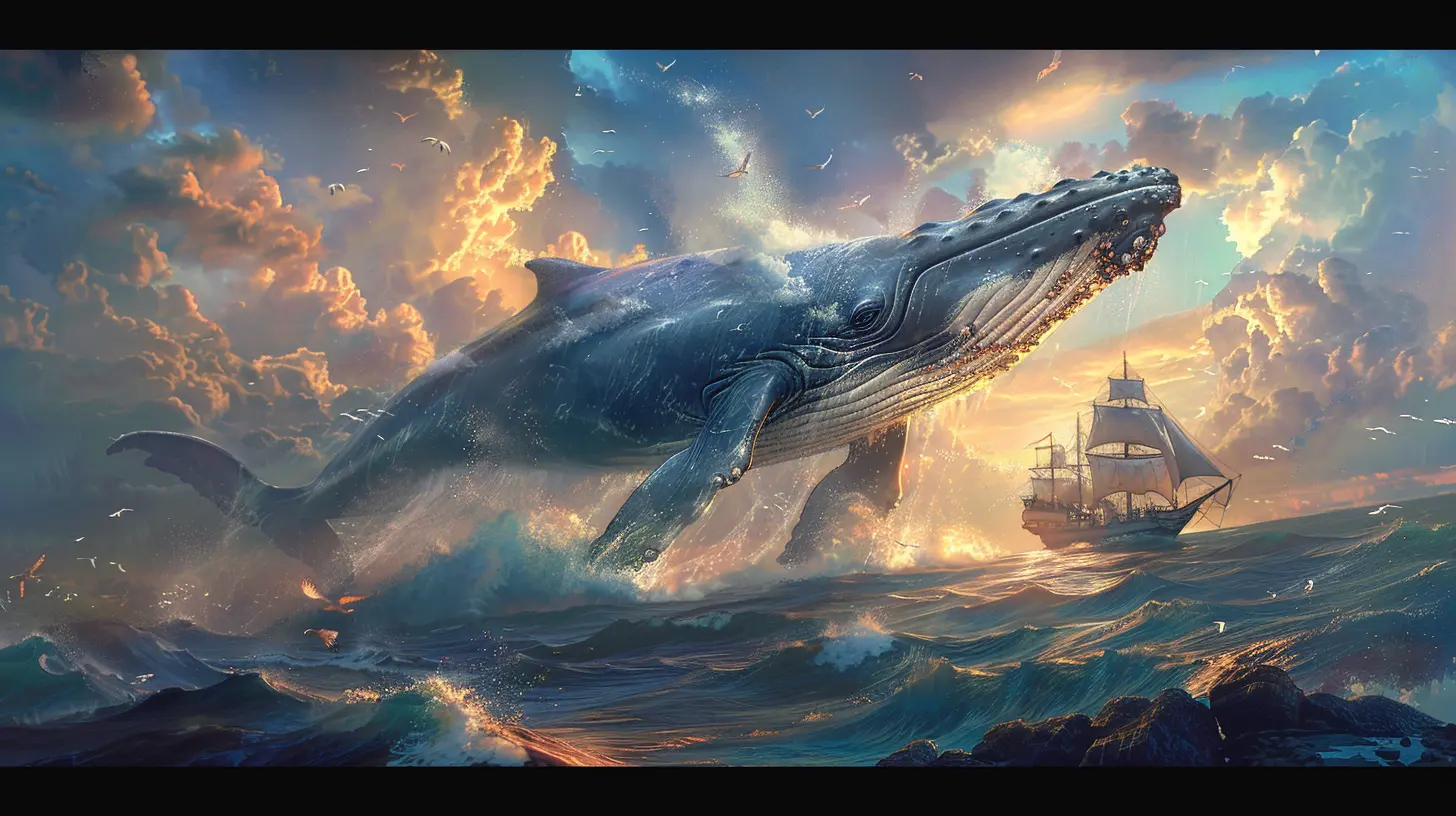
What Is a Whale in the Gaming World?
In gaming lingo, a "whale" refers to a player who spends an extraordinary amount of money in a game. Think of it like this: if the average player spends $5–$20 on in-game content, a whale can easily spend $500, $1,000, or even more.And here’s the kicker — whales make up a tiny percentage of a game’s player base but contribute the vast majority of its revenue. In many free-to-play models, it's estimated that around 1% of players (the whales) generate more than 50% of the income.
It's kind of like going to a buffet where only a handful of people are actually paying the full price, but they’re covering the costs for everyone else.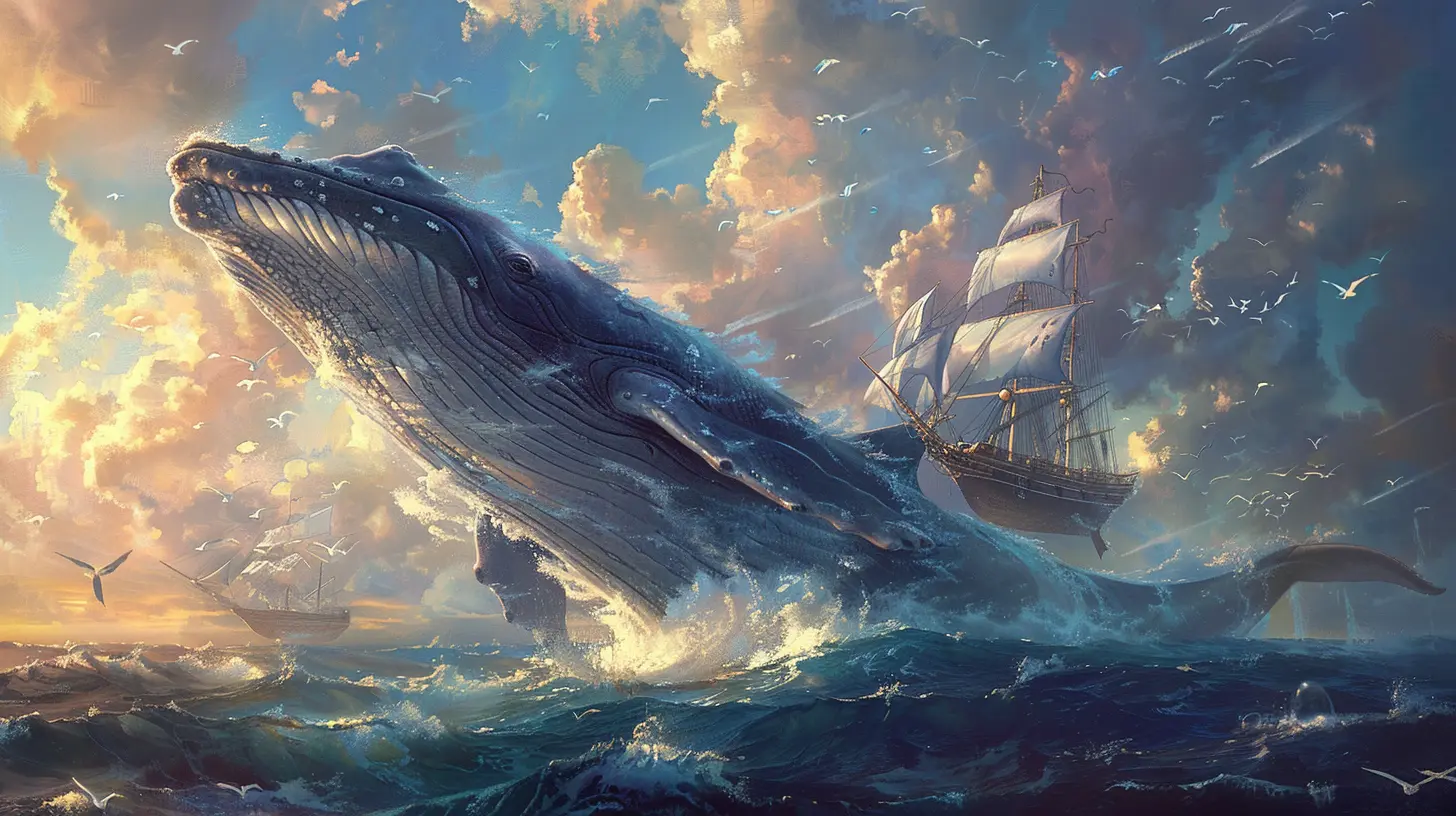
Pay to Win: The Playground for Whales
Now, let’s talk about pay-to-win games. These are games where spending real money gives you a competitive advantage. Maybe it's stronger weapons, faster upgrades, or overpowered characters.In a P2W world, whales are the top of the food chain. They've paid their way to victory, while everyone else has to grind. This structure directly feeds into game design, where developers know their biggest paychecks come from whales. So who do you think they’re going to design the game for?
Yup — the whales.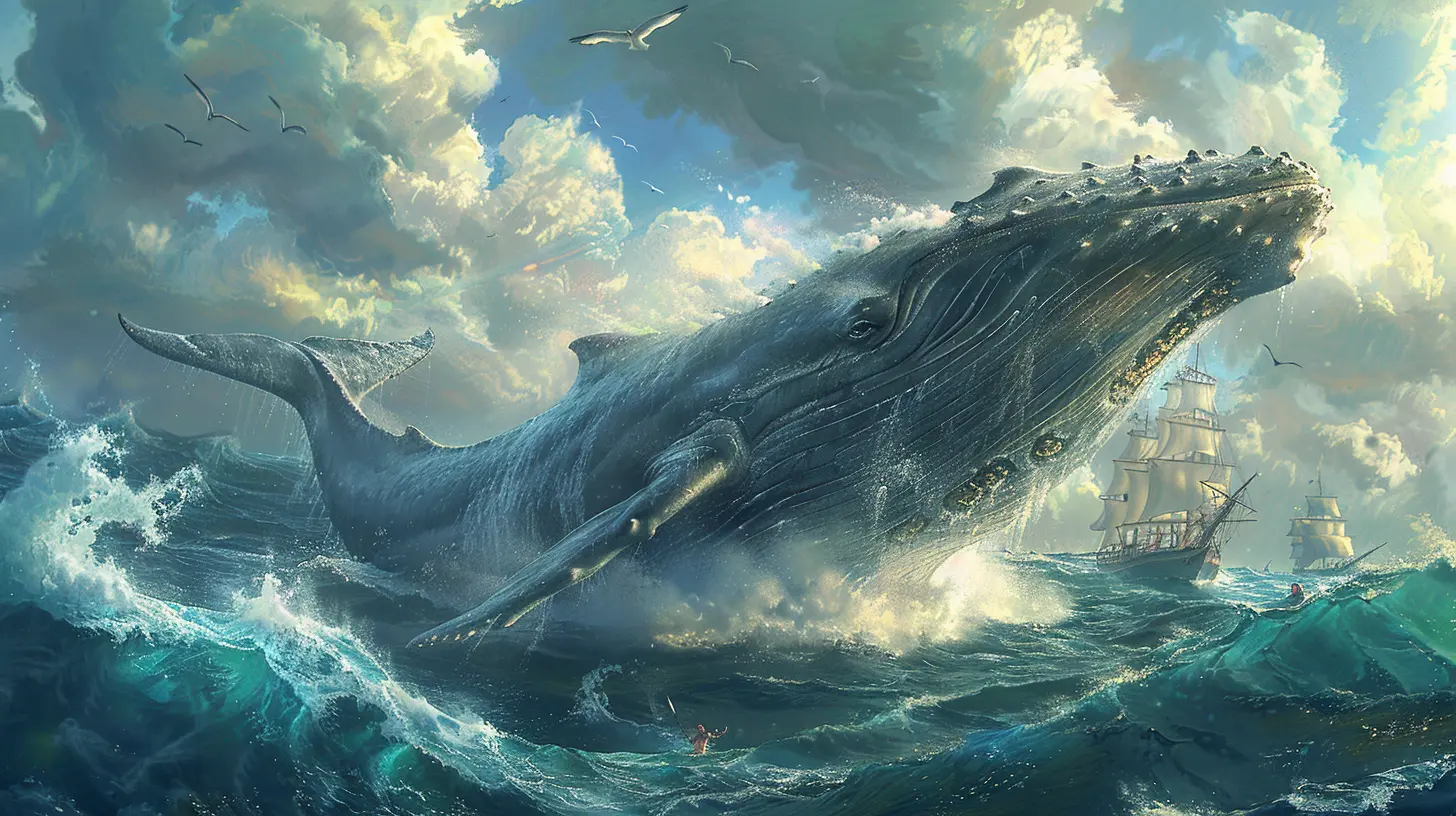
How Whales Influence Game Design
Game developers aren't stupid. They know who butters their bread. Whales are the prime target audience, so many games are built with them in mind — often at the expense of the casual gamer.Let’s break down how this changes things:
1. Progression Systems
Progression in many P2W games is purposely slow. This encourages players to spend money to speed things up. For whales, that's no big deal — they just drop a few hundred dollars and skip the line.But for average players? It’s a frustrating slog. You’re stuck grinding for days while the whales are miles ahead, dominating leaderboards.
2. Exclusive Content
Ever notice how some items or characters in games are only available through expensive bundles or limited-time offers? That’s a whale magnet. Developers create high-end content specifically targeting big spenders. Stuff that screams, “Buy me if you want to look cool or win easily.”This creates a class divide. Whales are living in digital penthouses while the rest of us are stuck in starter apartments.
3. Competitive Balance
Let’s be honest — when money gets involved, fairness often takes a back seat. In many multiplayer games, whales can outclass opponents simply because they paid for better gear.This can drive away players who feel like they can never win unless they pull out their credit cards.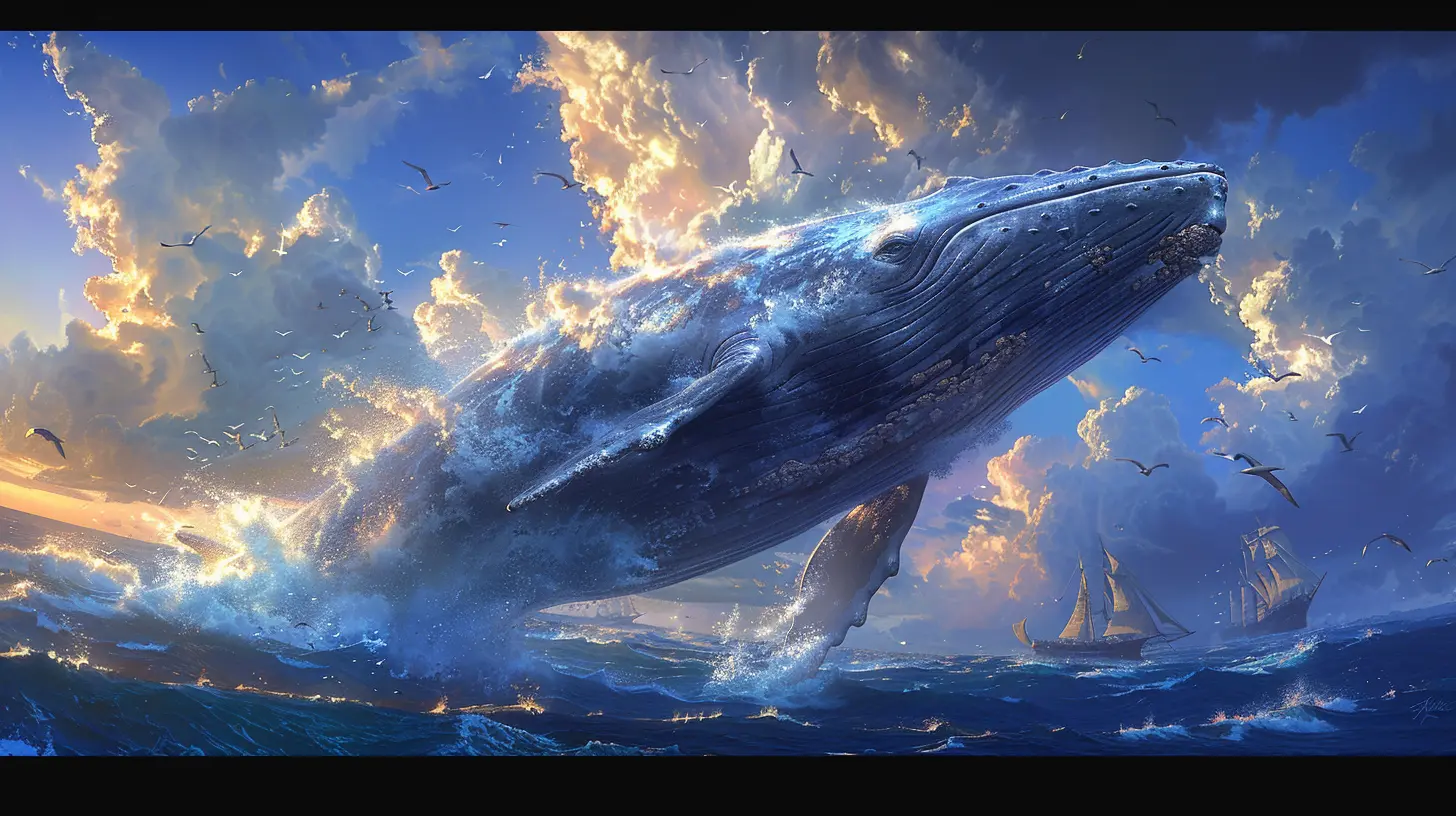
The Psychology Behind Whale Spending
So why do whales spend so much? It's not always about winning. Sometimes it's about ego, status, or just that rush of instant gratification.1. Sense of Power
Let’s be real — dominating a game feels good. Being the top dog, the one who’s untouchable, gives players a sense of power and prestige.2. Status Symbols
Just like designer clothes or luxury cars, rare skins and exclusive content become status symbols in games. Whales love standing out, and spending big helps them do just that.3. Sunk Cost Fallacy
Many whales don’t start off planning to spend thousands. But once they’ve invested time and cash, they feel committed. The more they’ve spent, the harder it is to walk away.How Whales Keep Games Alive
Here’s the twist: as much as we complain about whales, they’re the ones keeping many free-to-play games alive.Let me explain.
1. Funding Development
Game developers need money to pay for servers, updates, support, and new content. Thanks to whales, devs can afford to keep things running — and even add new features.2. Supporting Free Players
Ironically, whales are the reason many folks get to play for free. Their spending subsidizes the experience for non-paying users.So while whales may have an edge, they also make it possible for the rest of us to play at all.
The Dark Side of the Whale Economy
While whales can boost a game's financial health, there’s a darker side to this model that’s worth discussing.1. Paywalls and FOMO
Games often create artificial scarcity — limited-time offers, event-exclusive items, and energy systems that require money to bypass. This plays into FOMO (fear of missing out), pressuring players into spending even if they can't afford it.2. Predatory Monetization
Some games border on manipulative. Loot boxes, randomized rewards, daily login bonuses — all tools designed to make spending habitual. Devs use psychological tricks to reel in not just whales, but anyone vulnerable to impulsive spending.3. Alienating the Community
When games start to feel like "pay-to-stay-relevant," communities suffer. New players quit early. Veterans burn out. The game can turn into a ghost town of spenders, driving away the broader player base.Not All Whales Are The Same
Believe it or not, not every whale is a villain in the story. Some genuinely love a game and want to support it. Others are collectors with disposable income. And some just hate grinding.The problem isn’t with the whales themselves, but with how game economies are built around their wallets.
Can Pay to Win Ever Be Fair?
It’s a tough question. Some argue that if a game is free, devs deserve to make money however they can. After all, creating a game isn’t cheap.But there’s a fine line between fair monetization and pay exploitation. A healthy balance means rewarding both spenders and grinders alike.
Alternatives to Whaling Systems
Thankfully, not all games rely on whales to survive.1. Cosmetic-Only Purchases
Games like Fortnite make billions just by selling skins. No gameplay advantage — just pure style. That’s a fair trade-off. You look cool, but everyone plays on equal footing.2. Subscriptions and Battle Passes
Monthly passes or season-based content provides steady revenue while avoiding P2W pitfalls. Players know what they’re getting and don’t feel cheated.3. Ads and Partnerships
Some free-to-play games rely on ad revenue or branded content. It’s less intrusive, and nobody gains an unfair edge.Final Thoughts: The Whale’s Ripple Effect
Whales are the giants shaping the oceans of pay-to-win games — for better or worse. Their spending keeps games alive, funds ongoing development, and provides free access for others. But it also warps game balance, encourages shady monetization, and creates a divide between the haves and have-nots.As players, we need to be aware of how these ecosystems work. And as developers, there’s a responsibility to build fair, enjoyable experiences for everyone — not just the highest bidder.
So the next time you get stomped by a maxed-out player in your favorite P2W game, ask yourself: are you swimming in their ocean… or just trying not to drown?
all images in this post were generated using AI tools
Category:
Pay To Win GamesAuthor:

Audrey McGhee
Discussion
rate this article
2 comments
Juniper Gibson
It's important to recognize the impact of whales in the gaming world. While their spending drives profits, it can create an imbalance that affects casual players. Finding fairer practices could enhance the experience for everyone involved.
June 19, 2026 at 2:44 AM
Audrey McGhee
You make a great point. Balancing the interests of whales and casual players is crucial for creating a healthier gaming environment. Fairer practices can definitely lead to a better experience for all.
Olivia McKibben
This article offers a fascinating look at how whales impact the gaming economy. It's refreshing to see such insightful analysis on a topic many overlook. Great job highlighting this important aspect!
May 12, 2026 at 3:47 AM